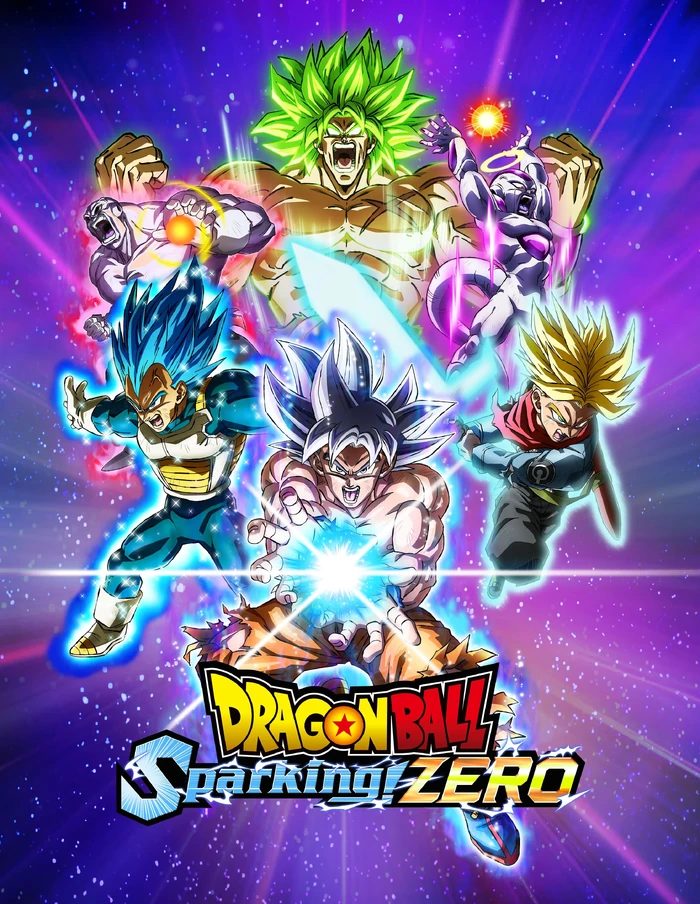
Dragon Ball Sparking Zero explained
The naming is the first thing to untangle, and the Library has a page on it: Japan's Sparking series was renamed Budokai Tenkaichi in the West, and Zero returns the world to the Japanese name. Spike Chunsoft, the original developer, kept the formula intact, over-the-shoulder arena flight, terrain destruction, beam clashes decided by input duels, but rebuilt it at modern scale, with launch sales passing three million copies in a day by Bandai Namco's announcement, the fastest start in the franchise's game history at the time.
The roster is the headline and the collecting fact: more than 180 playable characters at launch spanning Dragon Ball through Super, GT, the films, and Daima as downloadable content, the largest in series history. Episode Battles retell the story from eight viewpoints including Frieza's and Gohan's, with what-if branches, a Frieza victory timeline among them, that function as officially published fan fiction in the best sense.
Custom Battle mode is the structural novelty: players script battles with conditions, cutscene text, and effects, and share them by code. Its best community creations circulate as playable memes and mini-stories, giving the game a user-made tail that earlier Tenkaichi titles, beloved as they are, never had.
Editions split cleanly for buyers: standard, deluxe and ultimate tiers differ by season pass and early unlocks, with a collector's edition carrying a Goku versus Broly diorama as the physical anchor. The PlayStation 2 Tenkaichi trilogy's rising used prices are the market context: Zero's arrival revived demand for the originals rather than replacing it, a pattern the Library's Budokai history page traces.