
From the Library: covers, censuses, and editions, documented. Browse the Library →
SOJ Rurouni Kenshin · The Real History
← Back to the Library

Kenshin and the real Bakumatsu

A fantasy duelling tradition laid over a documentary spine of real people and real dates.

The Bakumatsu, the shogunate’s last decade, is Kenshin’s load-bearing wall. The Boshin War of 1868–69 made the Meiji state; the hitokiri, political assassins of the loyalist domains, are historical, Gensai among their famous four; and the Shinsengumi, the shogunate’s Kyoto police swordsmen, supply the manga with Saitō Hajime, its third-division captain, who really did survive into Meiji service as a police officer under another name.

Watsuki pins fiction to the calendar. Volume 7 is titled for a real morning: May 14, 1878, the day Home Minister Ōkubo Toshimichi, one of the Meiji government’s architects, was assassinated, an event the manga folds into its own plot on the same date. Sanosuke’s wound is likewise real history: his beloved captain Sagara Sōzō and the Sekihō Army were executed by the Meiji government as a “false army” in 1868, a betrayal the manga treats as the era’s original sin against its own soldiers.
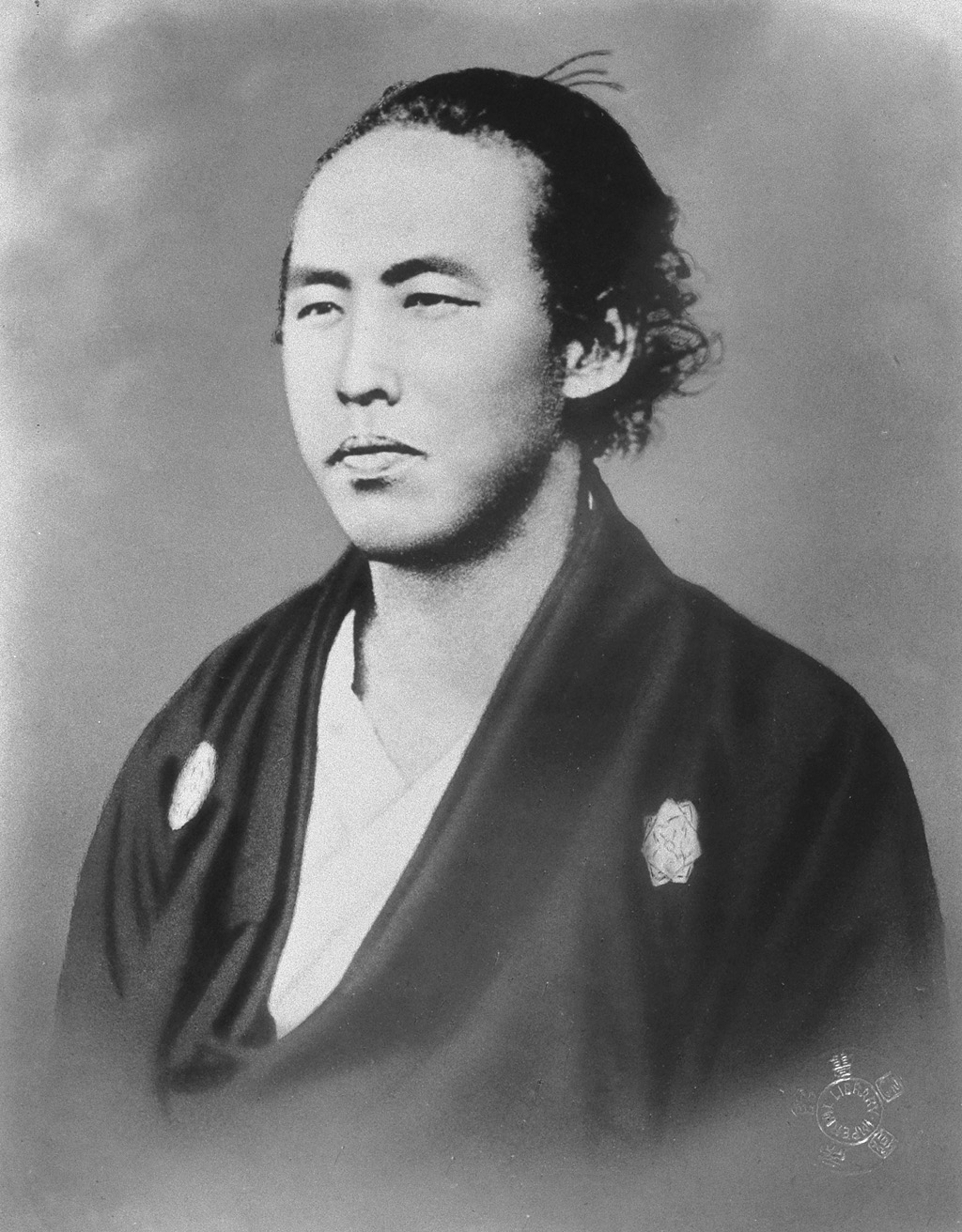
Photograph of Sakamoto Ryoma circa 1866 to 1867
THE DOCUMENTARY SPINESakamoto Ryōma (1836–1867), photographed near the end of the Bakumatsu. Kenshin's duelling world is invented, but it is laid over real people, real factions and real dates like his.

REAL

Documented
The four hitokiri
Gensai and his named peers: political assassination as a Bakumatsu profession.
Ōkubo, May 14, 1878
The statesman’s assassination, kept on its true date inside a fictional conspiracy.
The Sekihō Army
A peasant-soldier unit promised tax relief, then disowned and executed by the government it fought for.

INVENTED

Watsuki’s additions
Hiten Mitsurugi-ryū
Kenshin’s sword school is fiction, as are its techniques: no such tradition exists in the record.
The sakabatō as standard kit
The reverse-blade sword as a wandering swordsman’s weapon is the manga’s invention, however real one small Edo blade later proved to be: see this archive’s sakabatō page.
Shishio’s plot
No burned assassin conspired to burn Kyoto in 1878; Shishio is the era’s violence given one body.
More from the Library
MORE FROM THE RUROUNI KENSHIN ARCHIVE →
One shelf in the Library. Browse them all →

THE FIRST WORD

New pages and new pieces, first.