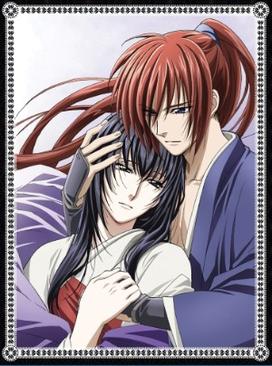
Why is Trust & Betrayal considered a masterpiece?
Rurouni Kenshin: Trust & Betrayal (Tsuioku-hen, “the Remembrance chapter”) adapts Acts 165 to 179 of the manga, the flashback in which Kenshin tells how he became Battōsai and how Yukishiro Tomoe died. It was released on four VHS volumes from February 20 to September 22, 1999, by Studio Deen, directed by Kazuhiro Furuhashi, written by Masashi Sogo, with characters redesigned by Masahide Yanagisawa and music by Taku Iwasaki. In North America it arrived under the Samurai X banner, and it has sat near the top of audience ratings for anime ever since.
The craft decision that defines it: everything the television series stylized was made literal. The redesigns age the cast toward real Edo faces, the comedy is gone, the sword work is short and ugly, and Iwasaki’s score works in strings and silence rather than rock. It plays less like an episode of the series than like a chanbara film that happens to be animated.