How did Hokuto no Ken influence video games?
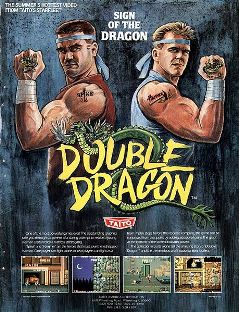
Begin with the setting. Technōs Japan’s Yoshihisa Kishimoto, creator of Double Dragon (1987), has cited Hokuto no Ken among the inspirations for that game’s ruined-world brawling, the template the beat ’em up genre then industrialized. Go further and the series is credited with originating the fatality: the theatrical finishing move performed on an already-beaten enemy, the device Mortal Kombat later made its signature. Kenshiro’s hundred-crack fist, followed by a man exploding as he walks away, is the ur-scene.
Inside Japan the influence ran through the industry’s own channels. Weekly Shōnen Jump’s video game column, Famicom Shinken (1985 to 1988), which taught a generation of children to read games critically, took part of its name from Hokuto Shinken, and its founding reviewer Yuji Horii, later the creator of Dragon Quest, based its rating verdicts on one of the manga’s sound effects.
And on the manga side of the ledger stands the largest debt of all: Kentarō Miura named Fist of the North Star the work that had the biggest impact on Berserk, the dark-fantasy epic this archive covers in its own section. Vinland Saga’s Makoto Yukimura likewise traces becoming a manga artist at all to reading it. A funny aftershock belongs to the internet age: Omae wa mō shindeiru, “You are already dead,” became one of the 2010s’ defining memes, its remix topping Spotify’s viral chart in 2019, forty years of influence collapsing into three seconds of audio.