
THE LIBRARY
Collector guides, cover censuses, and edition answers, documented issue by issue. Every page answers one specific question, completely.
DEMON SLAYER
4 shelves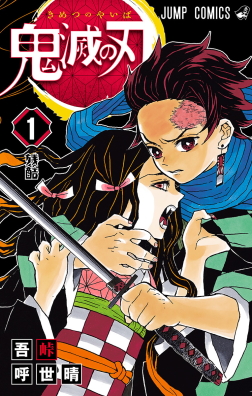
How did Demon Slayer become the best-selling manga in Japan?
Oricon counted it first in 2019 and 2020: 12 million copies, then 82 million, ending One Piece's run at the top.
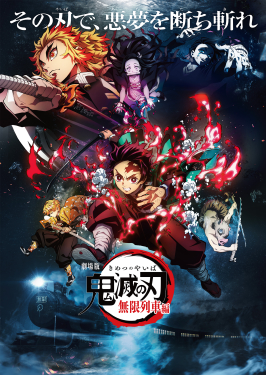
Why did Mugen Train become the highest-grossing film in Japan?
A direct sequel released into pandemic cleared screens: number one in 73 days, the first film in Japan to pass 40 billion yen.
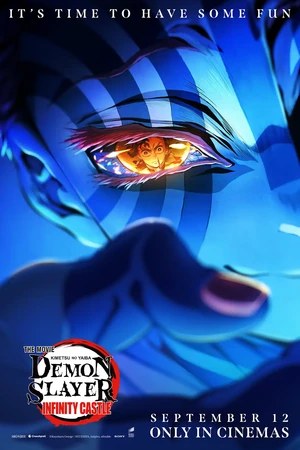
Why is the Demon Slayer finale a film trilogy?
Announced on June 30, 2024: the final arc skips television for three theatrical films from ufotable, distributed by Crunchyroll and Sony.
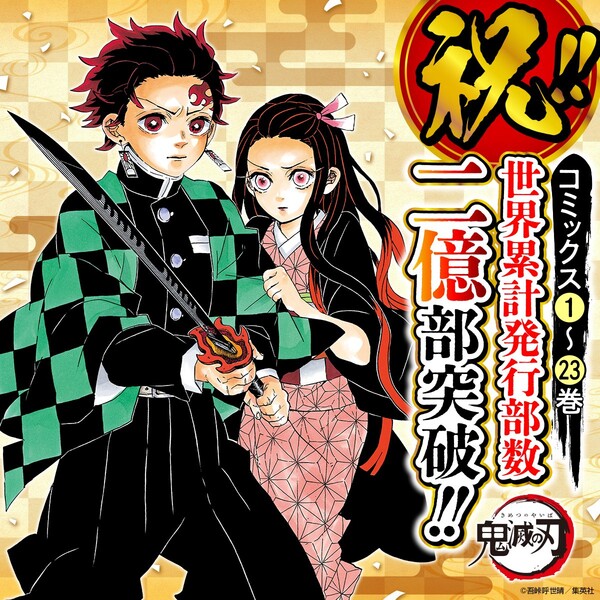
How long did Demon Slayer run?
February 2016 to May 2020: 205 chapters in 23 volumes, finished while its sales were still climbing.
DEVIL MAY CRY
17 shelves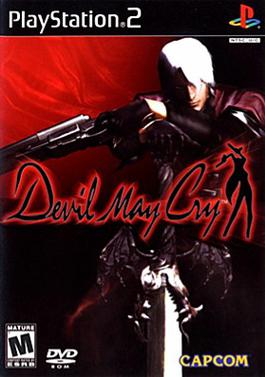
The Devil May Cry Gallery
The Devil May Cry Gallery: North American box art for the PlayStation 2 trilogy and the series' later faces, Dante's 2001 design, and the print shelf, documented…
The History of Devil May Cry
The History of Devil May Cry: from a Resident Evil prototype in 1999 to a series past 38 million copies, Kamiya's original, the sequel that stumbled, the prequel…
How did Devil May Cry begin as Resident Evil 4?
How did Devil May Cry begin as Resident Evil 4? Kamiya's prototype, the invincible hero Tony, eleven days photographing Gothic Spain, and Mikami's decision to…
Who is Hideki Kamiya?
Who is Hideki Kamiya? The director of Resident Evil 2 who invented stylish action with Devil May Cry, left Capcom, co-founded PlatinumGames, and made Bayonetta.
Who is Dante?
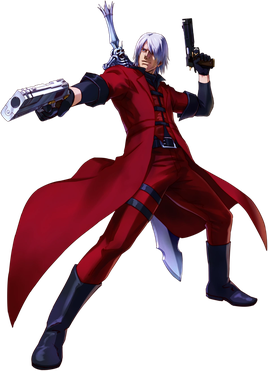
Who is Dante? The son of the demon knight Sparda, the demon hunter in the red coat, and the voices and designers who have built him from 2001 to the Netflix series.
Who is Vergil?
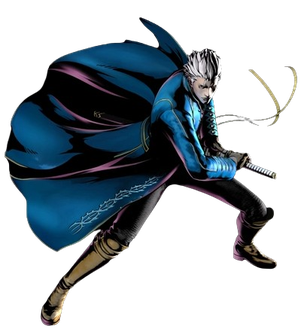
Who is Vergil? Dante's twin, first met as the brainwashed knight Nelo Angelo, restored as a living rival in Devil May Cry 3, and the most requested playable…
How does the style rank work in Devil May Cry?
How does the style rank work in Devil May Cry? From Dull to Stylish in 2001 through Dope, Crazy and SSStylish to Smokin' Sexy Style: the grading system that…
The History of Devil May Cry 2
The History of Devil May Cry 2: the sequel Capcom built without its creator, the unnamed first director, Itsuno's six-month rescue, the Diesel costumes, and what…
How did Devil May Cry 3 save the series?
How did Devil May Cry 3 save the series? Itsuno directed from the start, styles multiplied the combat, the West got a harder game than Japan, and the Special…
Why does Devil May Cry look the way it does?
Why does Devil May Cry look the way it does? A texture-hunting trip to Spain and England, the Divine Comedy as a naming system, Ikeno's chimera demons, and the…
How do the Devil May Cry covers compare?
How do the Devil May Cry covers compare? The North American boxes read closely, plus the regional facts that can be verified: the dropped subtitle, the inlay…
What are the Devil May Cry strategy guides?
What are the Devil May Cry strategy guides? Three English guides for the first game alone, Dan Birlew's BradyGames trilogy, and the Japanese shelf: Kodansha,…
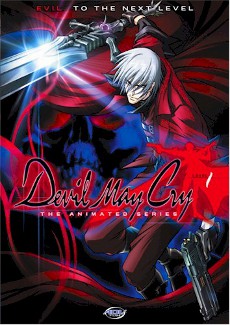
What is the Devil May Cry anime?
What is the Devil May Cry anime? Madhouse's 2007 series: twelve episodes between the first two games, Patty Lowell, Dante's debts, and how the Netflix series…
How is Bayonetta connected to Devil May Cry?
How is Bayonetta connected to Devil May Cry? Same creator, a team named Little Angels, the Redgrave name, and a heroine built as Dante's evolution: the sibling…
What order do the Devil May Cry games go in?
What order do the Devil May Cry games go in? Release order and story order are different lists, and Devil May Cry 5 moved the fourth game: both orders, documented.
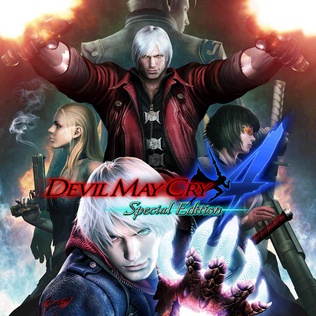
What Devil May Cry games came after 3?
What Devil May Cry games came after 3? Nero and Devil May Cry 4, Ninja Theory's DmC branch, the HD Collections, and Devil May Cry 5, the best-selling game in the…
Collecting Devil May Cry
Collecting Devil May Cry: the PlayStation 2 originals, black label against Greatest Hits, the two-disc second game, the 2006 5th Anniversary Collection and its…
DEVILMAN
15 shelves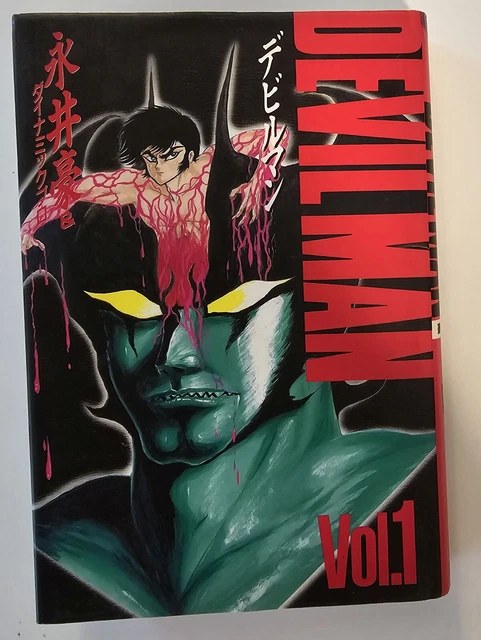
The Devilman Manga Gallery
Every Devilman cover that can be verified, the 1972 Kodansha first edition, the painted KCDX reissue covers, the Deluxe hardcovers, and Seven Seas’ Classic…
The history of Devilman
How Devilman began: Toei’s toned-down TV commission, Go Nagai’s darker manga in Weekly Shōnen Magazine (June 1972–June 1973), its anti-war intent, and 50 million…
How did Devilman influence Berserk?
Kentaro Miura’s acknowledged debt: Berserk’s designs drew from Devilman and its story and atmosphere from Violence Jack, per Miura’s own interviews.
How did Devilman change manga?
Devilman’s legacy in the words of the creators it marked: Hideaki Anno and Evangelion’s Unit-01, CLAMP’s X, SNK’s Kyo Kusanagi, and the dark turn of shōnen manga.
Why is the Devilman anime different from the manga?
The 1972 Devilman anime and manga were designed as opposites: Toei’s toned-down superhero show versus Go Nagai’s mature, horror-like manga, different premises,…
Who is Go Nagai, Devilman's creator?
Go Nagai (born 1945): Harenchi Gakuen, Demon Lord Dante, Mazinger Z and Devilman in a single five-year run, Dynamic Productions, and the anti-war intent behind…
What is Devilman Lady?
Devilman Lady (Devil Lady): Go Nagai’s 1997 sequel reimagining Devilman with Jun Fudo, 17 volumes in Weekly Morning, a 26-episode TMS anime, and its place…
Is Violence Jack a sequel to Devilman?
Violence Jack is Devilman’s hidden sequel: the 1973–1990 publication history, the Ryo and Miki hints, and the final-chapter reveal that Jack is Akira Fudo.
What is Devilman Crybaby?
Devilman Crybaby: Masaaki Yuasa and Science Saru’s ten-episode Netflix retelling (January 5, 2018), Kensuke Ushio’s score, and its Anime of the Year reception.
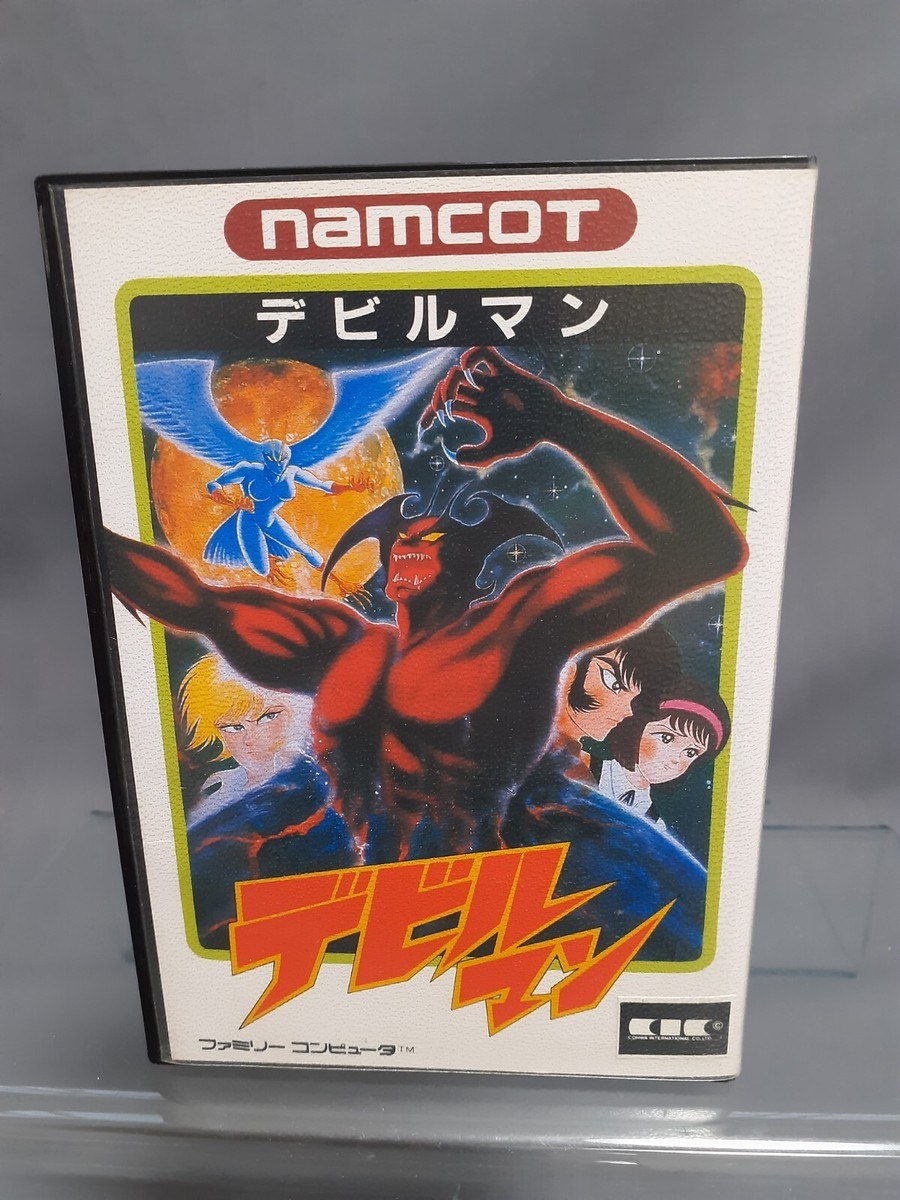
What Devilman video games are there?
The Devilman games: Namco’s Famicom title (April 25, 1989), Bandai’s PlayStation game (April 13, 2000), the CB Chara Wars crossover, and the Japan-only pattern…
How can you tell a first printing of Devilman?
Identifying a 1972–73 Kodansha Comics first edition of Devilman: imprint, dates, the catalogued ISBNs, and the contents tests (Shin Devilman, the prelude,…
What are the Devilman English editions?
Devilman in English: the 1986 Devil’s Incarnation, Verotik’s 1995 Shin Devilman, Kodansha’s 2002–03 bilingual set, and Seven Seas’ 2018 Classic Collection…
What Devilman spinoffs are there?
The Devilman spinoff shelf: Shin Devilman, Devilman Saga, Neo Devilman, Amon: The Darkside of the Devilman, Devilman Grimoire, Devilman vs. Hades, the 2023…
How many versions of the Devilman manga are there?
Three texts of Devilman: the 1972 Original Edition, the expanded 1987 Deluxe Edition, and the quietly re-edited 2012 Revised Edition, what each one adds, moves,…
What is Shin Devilman?
Shin Devilman: Go Nagai’s 1979–1981 time-travel episodes from Shōnen Magazine Special, the wordless one-shot compiled with them, and how the Deluxe and Revised…
DIABLO
8 shelfs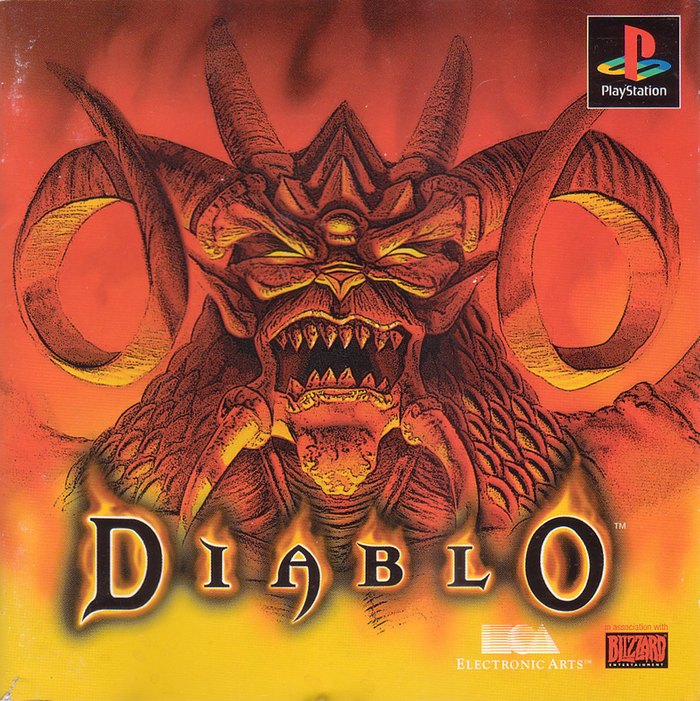
The Diablo Gallery
The Japanese PlayStation face and the American PC shadow, then both Dark Wanderer boxes, with the full stories and the Hellfire question behind them.
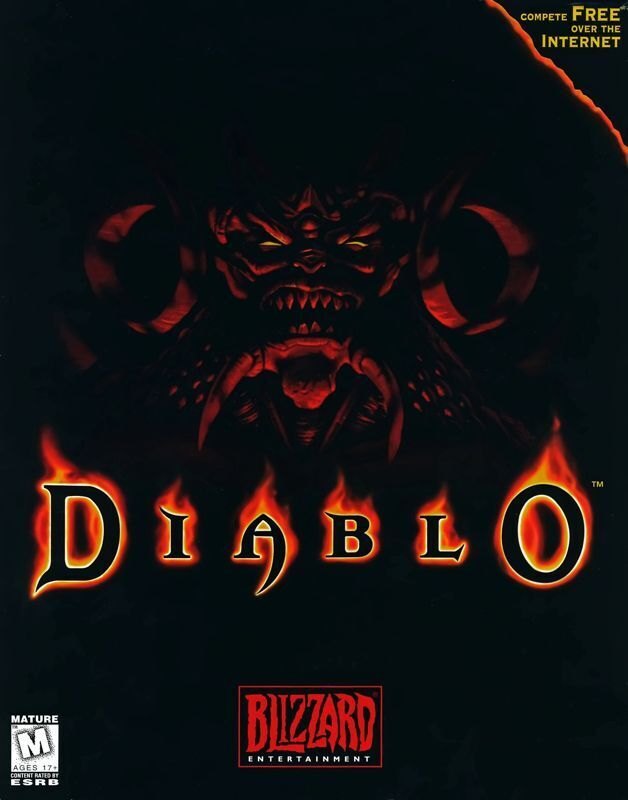
The History of Diablo
Condor Games becomes Blizzard North, Battle.net arrives in the last six months, and Hellfire is the expansion Blizzard never wanted: how the 1996 original was made, scored, and sold 2.5 million.
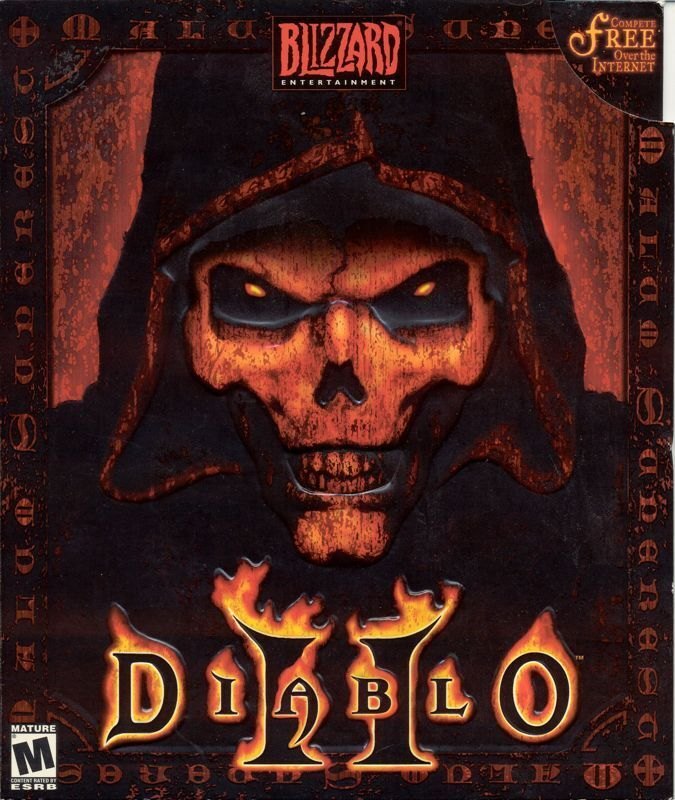
The History of Diablo II
Three years, eighteen months of crunch, and Lord of Destruction: the fastest-selling PC game of its day, its Capcom Japanese editions, and 4 million copies in a year.
What inspired Diablo?
A mountain, a high school daydream, and the roguelikes, per David Brevik.
How do the Japanese and American Diablo covers compare?
The Japanese PS1 face is the American PC art, recomposed. Diablo II and III, checked.
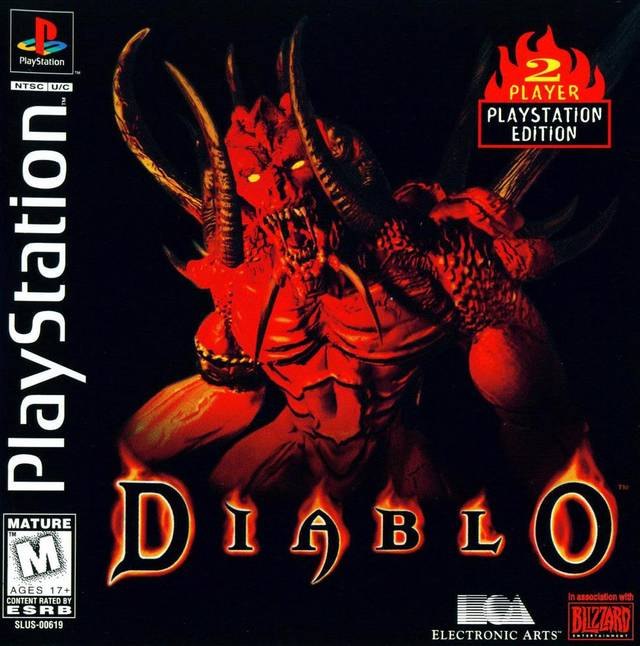
What was Diablo originally designed to be?
Turn-based, permadeath, clay figures: the design that almost shipped.
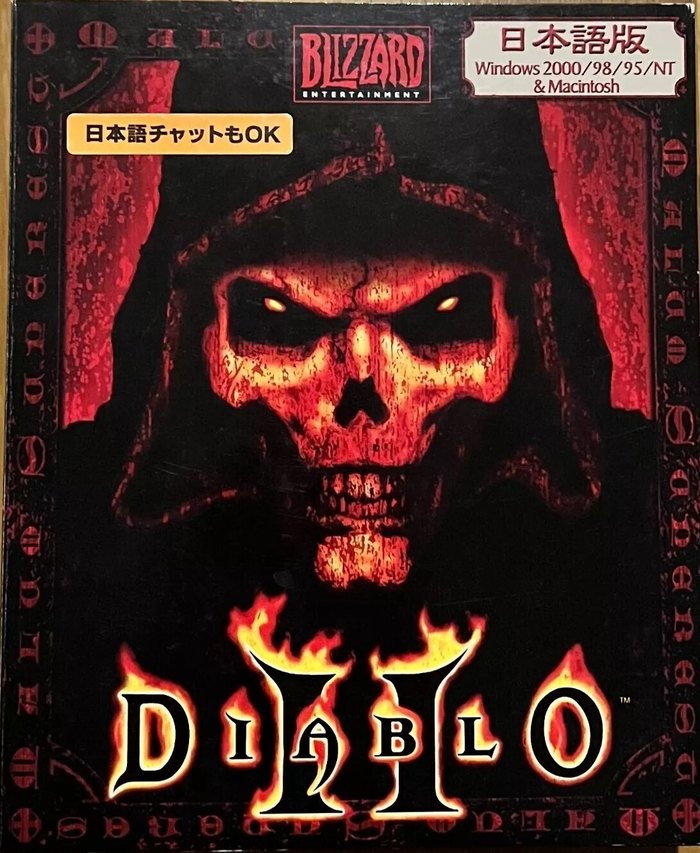
How was Diablo released in Japan?
No Japanese PC version of the first game at all. The PS1 edition and EA Square, in full.
Who actually made Diablo's expansion, Hellfire?
Not Blizzard North. A sister studio, over their protests.
DOROHEDORO
14 shelves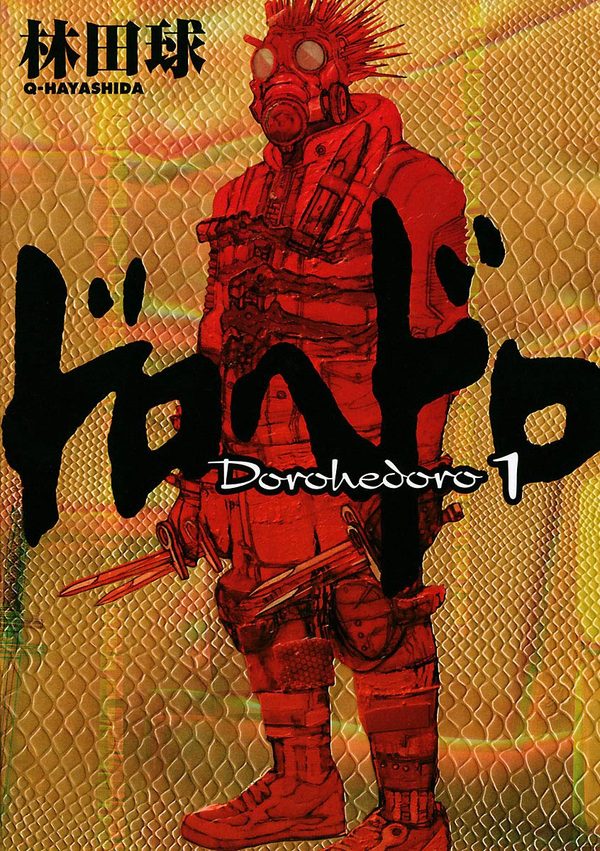
The Dorohedoro Manga Gallery
Every Japanese tankobon cover of Dorohedoro, volumes 1 to 23, painted by Q Hayashida: the full Ikki Comix run from 2002 to 2018, verified volume by volume.
The History of Dorohedoro
The history of Dorohedoro: launched in the first issue of Ikki in 2000, carried through three magazines to its 2018 ending, then an anime in 2020 and a sequel in…
How many Dorohedoro books are there?
The Dorohedoro census: 23 tankobon volumes and 167 chapters, with Japanese and English release dates, page counts, cover credits and ISBNs for every volume.
Why did Dorohedoro change magazines three times?
Why Dorohedoro changed magazines: Monthly Ikki folded in 2014, Hibana folded in 2017, and the series finished in Monthly Shonen Sunday in 2018.
Who is Caiman, really?
Who Caiman really is in Dorohedoro: the chain of identities inside one body, Ai, Aikawa, Kai and Kaiman, and the man who lives in the back of his mouth.
How does Q Hayashida draw Dorohedoro?
How Q Hayashida draws Dorohedoro: no assistants for eighteen years, an oil painter’s training, and a private archive of notebooks feeding the grime.
Who is Q Hayashida?
Who Q Hayashida is: the Tokyo-born, art-school-trained creator of Dorohedoro and Dai Dark, born 1977, famous for drawing alone and rarely giving interviews.
What is the Hole in Dorohedoro?
What the Hole is in Dorohedoro: the human city under the sorcerers’ rain, and the three-realm design of the Hole, the sorcerers’ world and Hell.
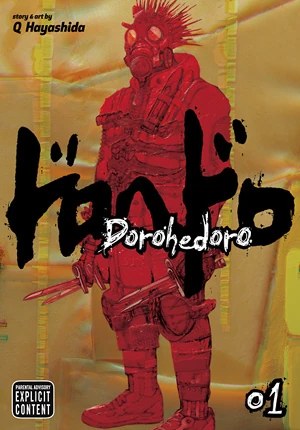
Dorohedoro’s English editions
Dorohedoro in English: SigIKKI digital in 2009, then Viz Media’s 23 print volumes from 2010 to 2019, in the large Ikki trim, translated by AltJapan.
Are Dorohedoro covers the same in Japanese and English?
Are Dorohedoro covers the same in Japanese and English? Yes: Viz kept all 23 of Hayashida’s paintings and changed only the logo, credits and labels.
How was the Dorohedoro anime made?
How the Dorohedoro anime was made: MAPPA’s 2020 season with its hand-built Hole, the Blu-ray bonus episodes, and the 2026 second season.
What is Dai Dark?
What Dai Dark is: Q Hayashida’s manga after Dorohedoro, a space opera running in Monthly Shonen Sunday since 2019, published in English by Seven Seas.
Dorohedoro books beyond the manga
Dorohedoro books beyond the manga: the All-Star Directory Complete Edition of 2018 and the Mud and Sludge art book of 2020, plus the 2020 exhibition and special…
How to collect Dorohedoro
How to collect Dorohedoro: the 23 Ikki Comix volumes and their colophon test, the complete Viz run and its reprints, and the two companion books.
DRAGON BALL
18 shelves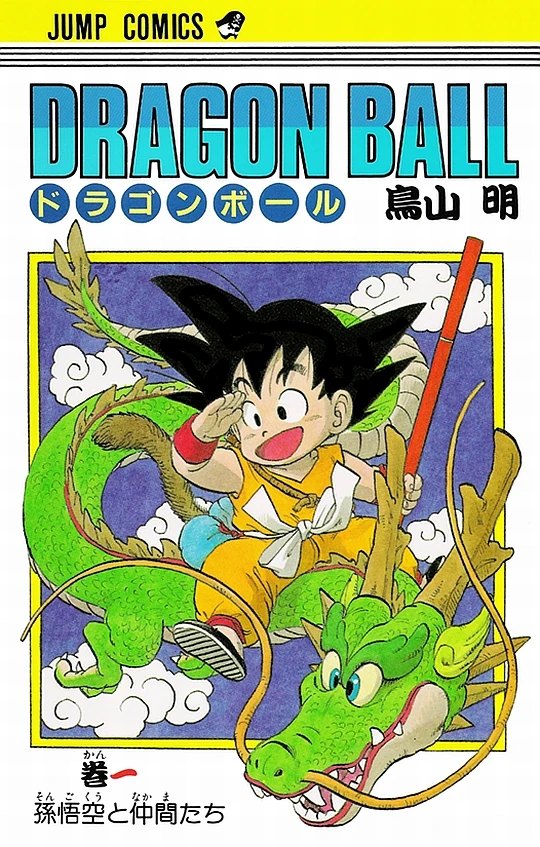
What inspired Dragon Ball?
Drunken Master, an editor's kung fu plan, and Journey to the West, in Toriyama's stated record.
Why is the anime split into Dragon Ball and Z, but the manga isn't?
Z was a 1989 TV rebranding. Toriyama picked the last letter because he wanted to stop.
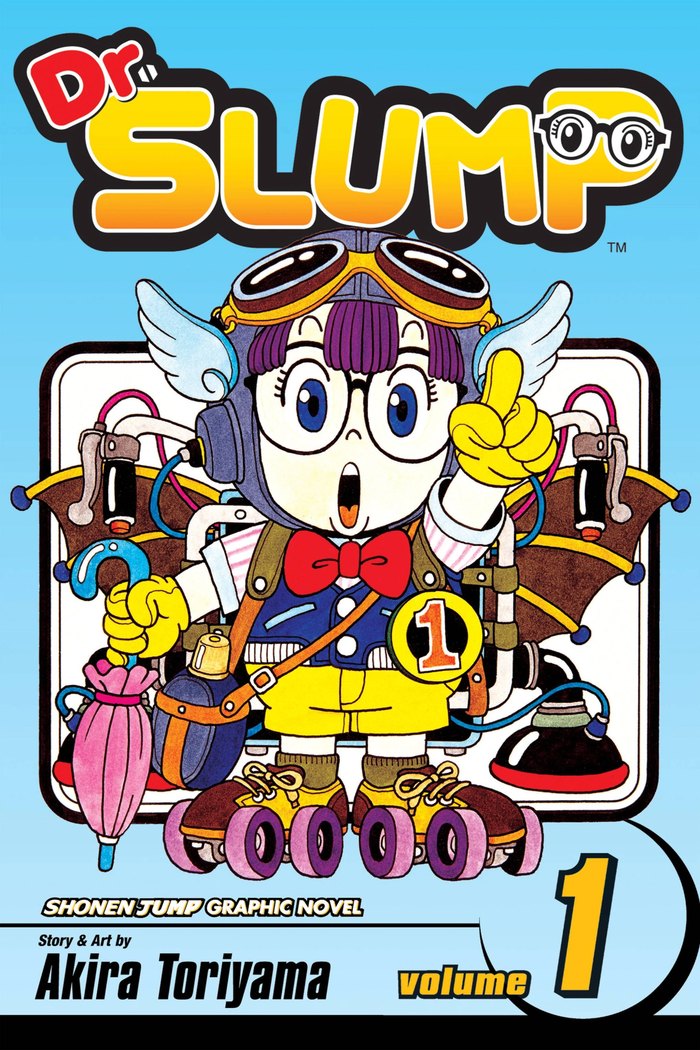
How are Dragon Ball and Dr. Slump connected?
One world: Goku chased General Blue into Penguin Village in chapter 81, and Arale finished the fight.
How did Dragon Ball run in Weekly Shonen Jump?
519 chapters, a debut three months after Dr. Slump, and a circulation peak of 6.53 million in the final year.
How did Dragon Ball's editors change the story during the Android and Cell sagas?
A geezer, a China doll, and a bug monster: the phone calls that rebuilt the villains, in Toriyama's own retelling.
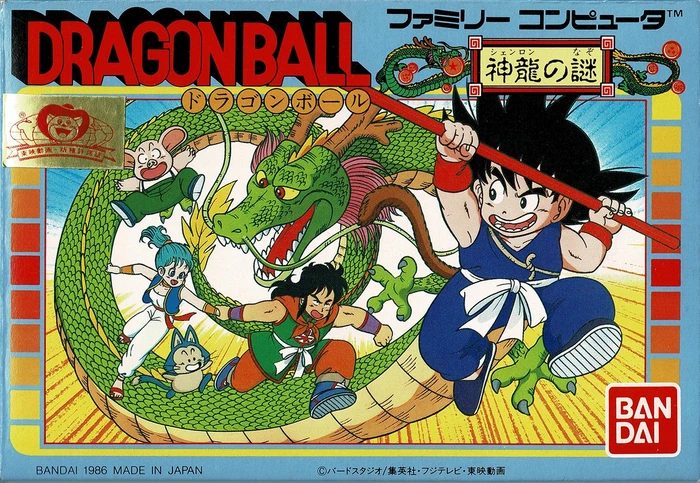
What was the first Dragon Ball video game?
A 1986 Epoch shooter almost nobody has seen, and the Famicom game America received with its own name scrubbed off.
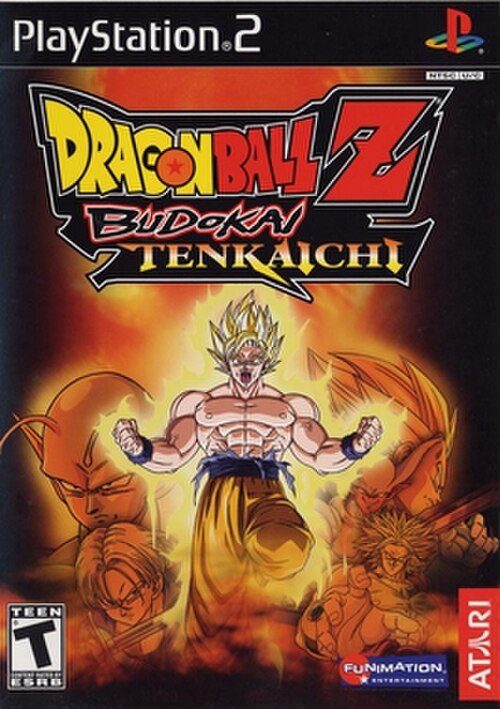
Why are the Dragon Ball Z Sparking games called Budokai Tenkaichi in America?
Japan named it for a shout in the theme song. America renamed it for a tournament, and the split lasted nineteen years.
The Dragon Ball Gallery
Volume 1 in Japanese and English side by side, the four Japanese editions of the manga, and the doors to the craft, anime, and games questions.
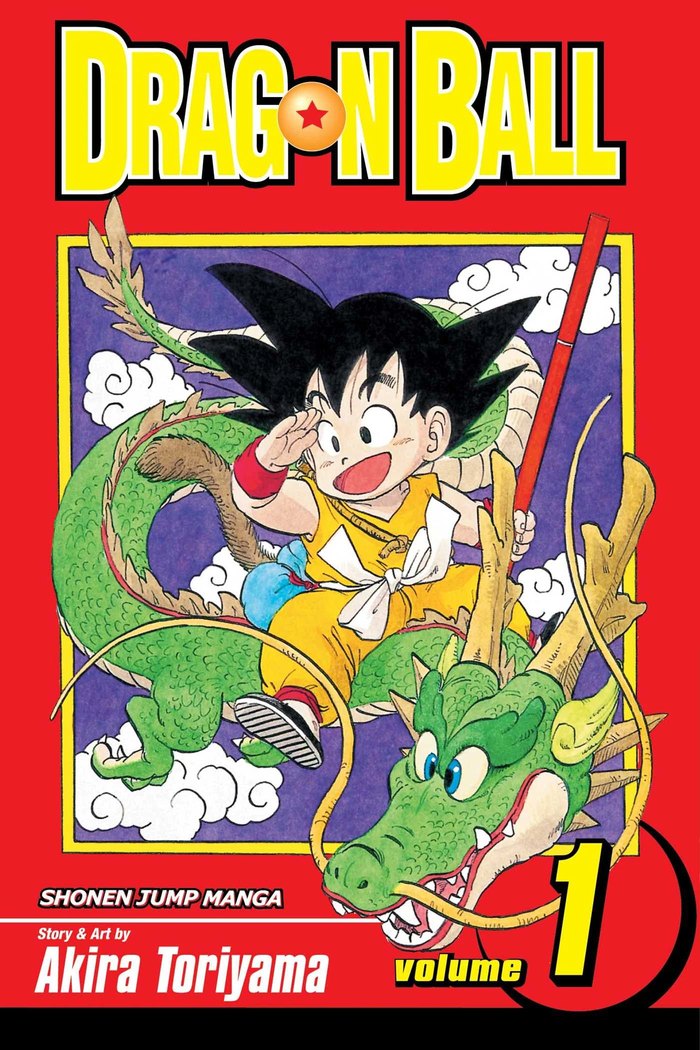
How is the Dragon Ball manga collected?
42 tankobon, 34 kanzenban with new Toriyama covers and a rewritten ending, 32 Full Color volumes, and 18 magazine sized volumes: one manga, four Japanese shapes.
How did Toriyama draw Dragon Ball each week?
No plan, a storyboard that doubled as the draft, one assistant, a G pen good for forty pages, and a manuscript driven to Nagoya Airport after all night sessions.
Why did Toriyama's art get sharper during Dragon Ball?
Animator Toyoo Ashida's taut line taught his pen speed, Goku had to grow up, and Super Saiyan hair stayed uninked to save the blacking in.
How much of Dragon Ball Z is not in the manga?
About 38 pure filler episodes in 291: the Garlic Jr. arc, a fake Namek, a driving test, an afterlife tournament, and the stretched fights in between.
Why do Goku and Piccolo learn to drive?
Chi-Chi ordered it, in episode 125 from February 5, 1992, the anime original driving test that became the most beloved filler in the series.
What did Toriyama actually do on Dragon Ball GT?
He named it, drew its cast, its robot, and its spaceship, and called the 64 episode Toei sequel a grand side story of the original Dragon Ball.
What changed in Dragon Ball Z Kai?
291 episodes became 159, the voices were recorded again, and the new Yamamoto score was withdrawn in 2011 and replaced with Kikuchi's original music.
Who composed Dragon Ball's music?
Shunsuke Kikuchi, of Kamen Rider and Doraemon: 23 packages and hundreds of pieces for Dragon Ball and Z, still touring concert halls.
Why does a woman voice Goku?
Toriyama chose Masako Nozawa from the auditions in 1986. She also voices Gohan, Goten, and Bardock, and holds two Guinness world records for the role.
The History of Dragon Ball Z: Budokai
Dimps' 2002 PlayStation 2 fighter: the anime rebuilt in 3D, 3.5 million copies shipped, a rebuild ordered by Torishima, and a score replaced in the HD remaster.
EARTHBOUND
14 shelves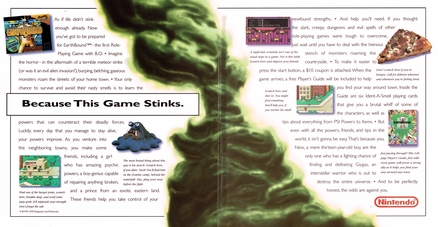
Why did EarthBound fail in America but become a classic?
518,000 sold in Japan against roughly 140,000 in America, despite a two million dollar campaign built on a joke about smell.
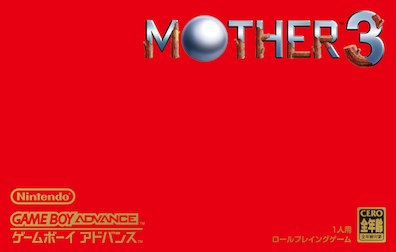
Why was Mother 3 never released outside Japan?
It arrived in April 2006 as the Game Boy Advance died, and Nintendo's on-record answer was that it just did not make business sense.
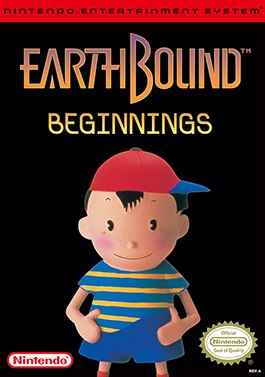
Why did EarthBound take so long to come back?
No single blocker kept it away. Iwata credited the fans on Miiverse for the 2013 return, and Beginnings followed in 2015.
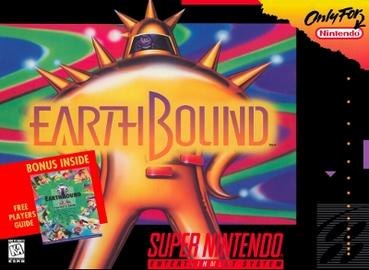
Why is the American EarthBound box so big?
The Player's Guide was packed inside in place of a manual. Mother 2's red box is the other half of the pair.
The History of Mother
Shigesato Itoi's 1989 RPG of modern America: baseball bats, psychic children, a shelved American version, and the 2015 return as EarthBound Beginnings.
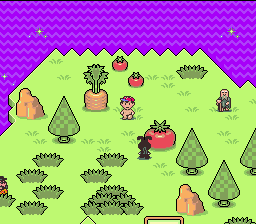
What is the Mother soundtrack album?
The 1989 album that turned a Famicom score into English pop songs, sung in London by a fourteen year old and the choir of St Paul's Cathedral.
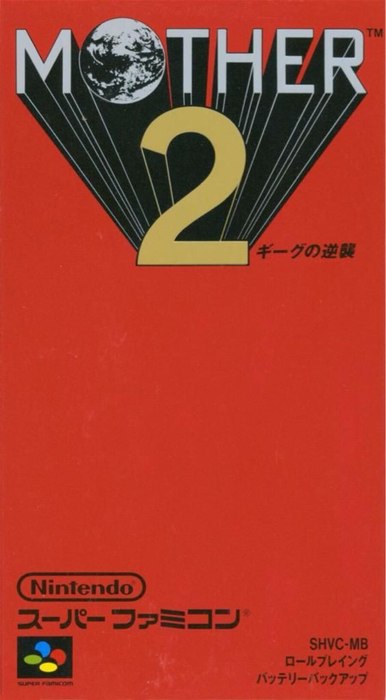
The Mother Gallery
Three games, two countries, one red wordmark: the Japanese and American boxes for Mother, EarthBound, and Mother 3 side by side, with the histories and questions behind them.
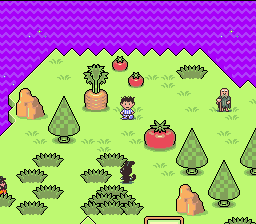
The History of EarthBound
Ape and HAL's 1994 sequel: Ness and the eight Sanctuaries, the five year making, the American flop, and the classic it became.
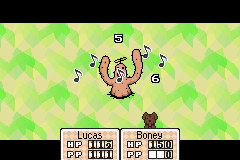
The History of Mother 3
Lucas and the Nowhere Islands: twelve years, four consoles, a cancelled 3D version, and the 2006 Game Boy Advance game Japan kept.
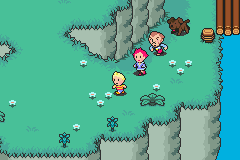
What is the Mother 3 fan translation?
Starmen.net's two year volunteer localization of Mother 3, led by professional translator Clyde Mandelin: 1,000 pages of script, 100,000 downloads in a week.
Will there be a Mother 4?
Shigesato Itoi has answered for a decade, in his own words: making a fourth Mother is, as he put it, totally impossible.
Why was EarthBound 64 cancelled?
The 3D Mother 3 died in August 2000. Miyamoto blamed the GameCube's claim on the team, Iwata blamed himself, and Itoi published the whole conversation.
What changed in EarthBound's American localization?
Red crosses off hospitals, bars turned into cafes, a band redrawn to avoid a lawsuit: Mother 2 became EarthBound under Nintendo of America's 1990s content rules.
What inspired Giygas?
Itoi traced the final battle's dialogue to a film scene he walked into as a child and misunderstood. The fetus theory, he never said: the record, separated.
ESCAFLOWNE
15 shelvesThe History of Escaflowne
From a foggy trip to Nepal to a worldwide hit: the history of The Vision of Escaflowne, Sunrise's 1996 fantasy mecha series, its manga, film, game, and editions.
Where did the idea for Escaflowne come from?
Shoji Kawamori conceived Escaflowne after a trip to Nepal's foggy mountains: mecha plus divination, researched through Atlantis and the Bermuda Triangle.
What was Escaflowne almost going to be?
The first Escaflowne was a 39-episode, male-oriented action series under director Yasuhiro Imagawa. It was shelved, then rebuilt by Kazuki Akane into the 1996…
How was The Vision of Escaflowne made?
Sunrise built Escaflowne as a deliberate fusion of shōnen mecha action and shōjo romance, animated in 1996, with extended scenes restored for Japanese home video.
Who designed Escaflowne's characters?
Nobuteru Yuki, the character designer of the Record of Lodoss War OVA, designed Escaflowne's cast. Hitomi was the first character he ever designed completely…
Who designed Escaflowne's Guymelefs?
Kimitoshi Yamane and Junya Ishigaki designed Escaflowne's Guymelefs, working from Shoji Kawamori's transforming-dragon concept inherited from Air Cavalry Chronicles.
Who composed the music for Escaflowne?
Yoko Kanno and Hajime Mizoguchi composed Escaflowne's score: four Victor soundtrack CDs mixing orchestra, chant, and pop, and the launch of Maaya Sakamoto's career.
The Escaflowne Manga Gallery
Every Escaflowne manga volume documented: Katsu Aki's eight shōnen tankōbon (1995–1998) and Yuzuru Yashiro's two shōjo volumes, with dates and ISBNs from the…
Why are there three Escaflowne manga?
Escaflowne has three manga because the anime kept changing: Katsu Aki's shōnen version preserves the shelved original, Yuzuru Yashiro's shōjo version follows the…
What are the Escaflowne light novels?
Yumiko Tsukamoto's six Escaflowne light novels, serialized in Newtype magazine in 1996–97 and illustrated by Nobuteru Yuki and Hirotoshi Sano, documented volume…
Why is the Escaflowne movie so different?
The 2000 Escaflowne film, animated by Bones, retells the series as a dark fantasy: a despairing Hitomi, a violent Van, an Asia-inspired Gaea, and redesigned…
What Escaflowne video games are there?
One: Bandai's 1997 PlayStation action-adventure, Japan-only, developed by BEC, in standard (SLPS-01015) and limited (SLPS-01014) editions, the limited box…
What happened to Escaflowne on Fox Kids?
Fox Kids' 2000 Escaflowne was a Saban-produced edit: first episode skipped, Hitomi downplayed, Kanno's score partly replaced, 26 episodes compressed to 23,…
Why does Escaflowne have two English dubs?
The original Ocean dub was recorded against the broadcast edit and cannot fit the HD director's cut. Funimation's 2016 Kickstarter, $318,784 from 2,058 backers,…
The Escaflowne editions, documented
The Escaflowne home video editions that matter: Bandai's 1998 subtitled tapes, the 2002 Limited Edition, Perfect Collection, Anime Legends, Funimation's 2016…
FAIRY TAIL
19 shelves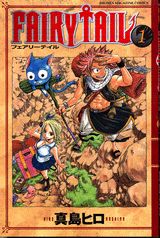
The Fairy Tail Manga Gallery
All 63 Japanese Fairy Tail tankōbon covers, pictured and documented with Kodansha release dates and ISBNs: Mashima's eleven-year run, cover by cover.
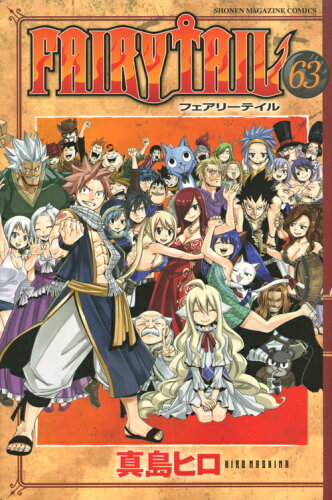
The History of Fairy Tail
Fairy Tail's history: the 2002 pilot one-shot, the August 2006 Weekly Shōnen Magazine launch, 545 chapters without a hiatus, 63 volumes, 72 million copies.
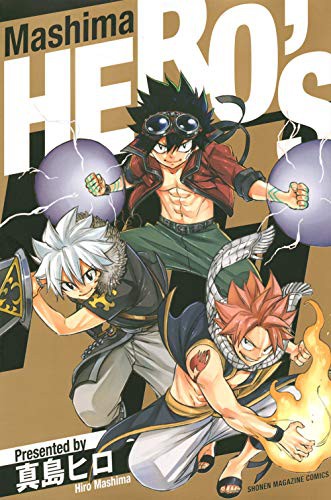
Who is Hiro Mashima?
Hiro Mashima: born 1977 in Nagano, rookie prize winner at 21, creator of Rave Master, Fairy Tail and Edens Zero, and the fastest famous hand in Weekly Shōnen…
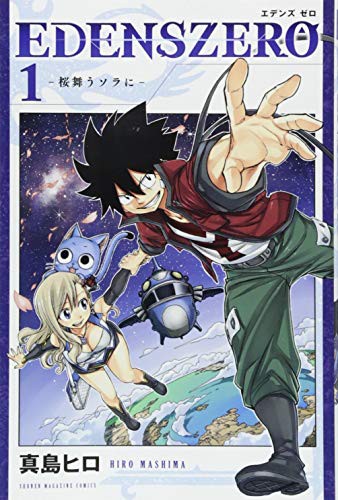
Rave Master, Fairy Tail, Edens Zero: One Universe
The Mashima universe: how Rave Master, Fairy Tail and Edens Zero share creatures, faces and seasonal heroes, and the crossovers where they meet on the page.
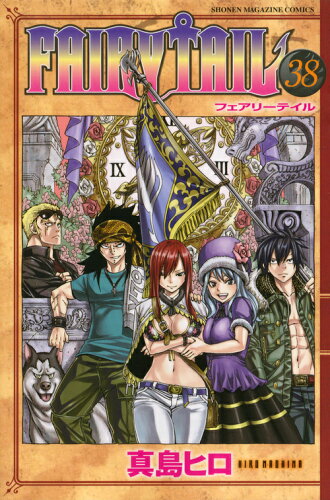
How Fast Does Hiro Mashima Draw?
Mashima's documented speed: three chapters in one issue two weeks running (128 pages), 17-hour days, eleven years of Fairy Tail without a hiatus, 26 years…
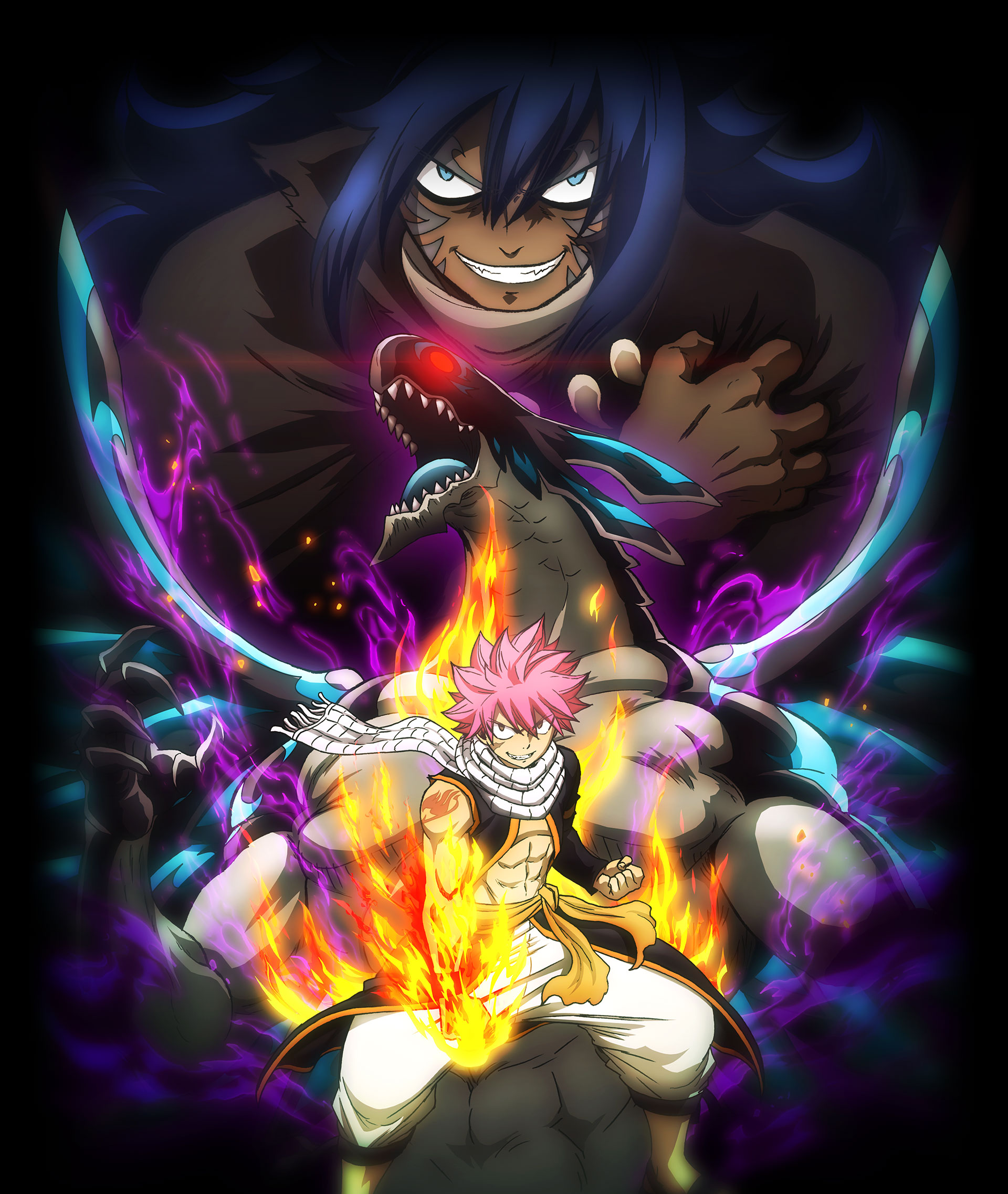
The Fairy Tail Anime, Era by Era
The Fairy Tail anime eras: Satelight and A-1 Pictures (175 episodes, 2009–13), Bridge joins (102, 2014–16), CloverWorks and the final series (51, 2018–19). 328…
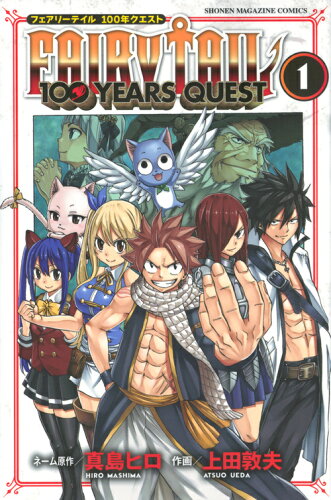
What Is Fairy Tail: 100 Years Quest?
Fairy Tail: 100 Years Quest: the official sequel, storyboarded by Mashima and drawn by Atsuo Ueda since July 2018; 24 volumes, a 25-episode J.C.Staff anime.
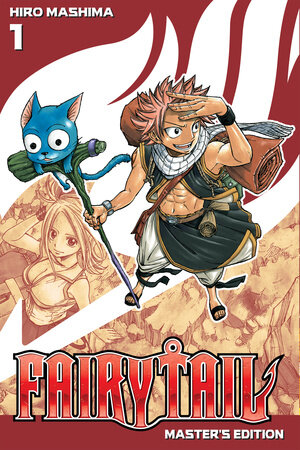
What Are the Fairy Tail English Editions?
Fairy Tail in English: Del Rey's twelve volumes, Kodansha USA's takeover and completion, the five Master's Editions that stopped early, and the 3-in-1 Omnibus line.
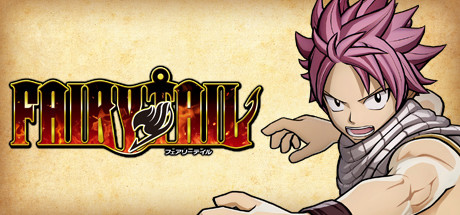
What Fairy Tail Video Games Are There?
Fairy Tail games: Konami's PSP Portable Guild trilogy and DS fighters, Gust's 2020 console RPG and its sequel, and Mashima's indie contest that produced a…
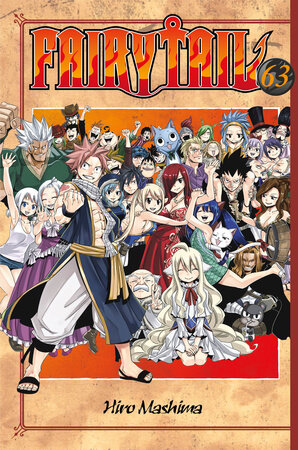
Are Fairy Tail Covers the Same in Japanese and English?
Fairy Tail's Japanese and English covers compared: the same Mashima paintings in both markets, re-dressed, with volume 1 and volume 63 shown side by side.
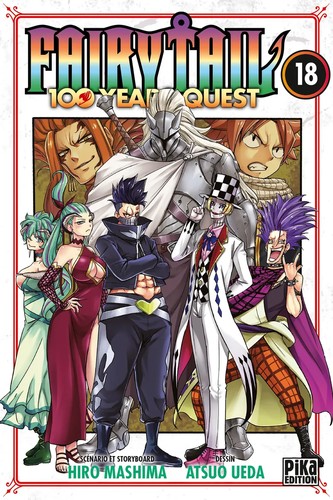
How Many Fairy Tail Books Are There?
The Fairy Tail census: 63 main volumes, 24 sequel volumes, Zero, Fairy Tail S, and eight spin-off series: 116 Japanese tankōbon in all, counted line by line.
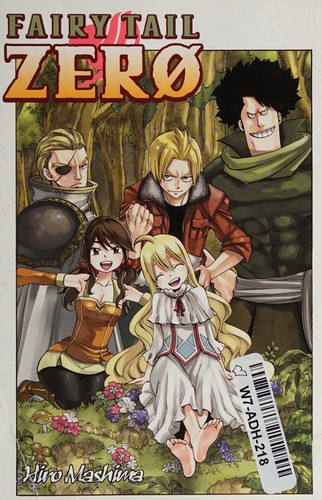
What Is Fairy Tail Zero?
Fairy Tail Zero: Mashima's one-volume prequel about Mavis Vermillion and the founding of the guild, serialized in Monthly Fairy Tail Magazine, 2014–15.
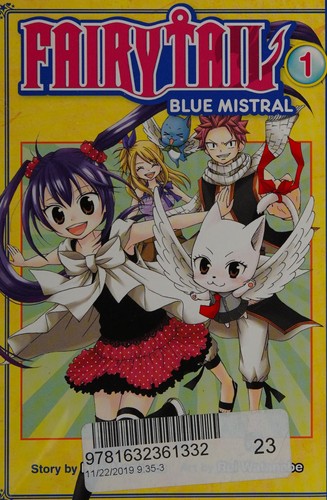
What Are the Fairy Tail Spin-Off Manga?
The eight Fairy Tail spin-off series: Zero, Ice Trail, Blue Mistral, Fairy Girls, the Side Stories trilogy, Happy's Heroic Adventure and City Hero, with authors…
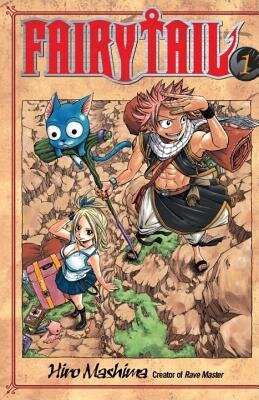
How Can You Tell a First Printing of Fairy Tail?
Identifying a first printing of Fairy Tail: the colophon page method for Kodansha tankōbon, why the ISBN cannot tell you, and volume 1 worked as the example.
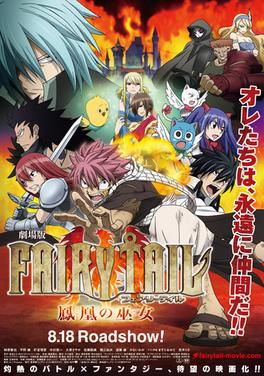
The Fairy Tail Movies
The two Fairy Tail films: Phoenix Priestess (August 18, 2012) and Dragon Cry (May 6, 2017), and the manga-bundled anime DVDs that fill out the screen catalogue.

Fairy Tail in Weekly Shonen Magazine
Fairy Tail's magazine life: the August 2006 debut in Weekly Shōnen Magazine, the crossovers, the simultaneous second series, and the 2017 finale after 545 chapters.
How Did Fairy Tail Get Its Name?
Why Fairy Tail is spelled Tail: the 2002 one-shot called Fairy Tale, Mashima's own explanation of the change, and the founding riddle the title asks.
Was Fairy Tail Inspired by One Piece?
The One Piece question answered from the record: Mashima was never Oda's assistant, critics noted the art resemblance from 2008, and both artists cite Dragon Ball.
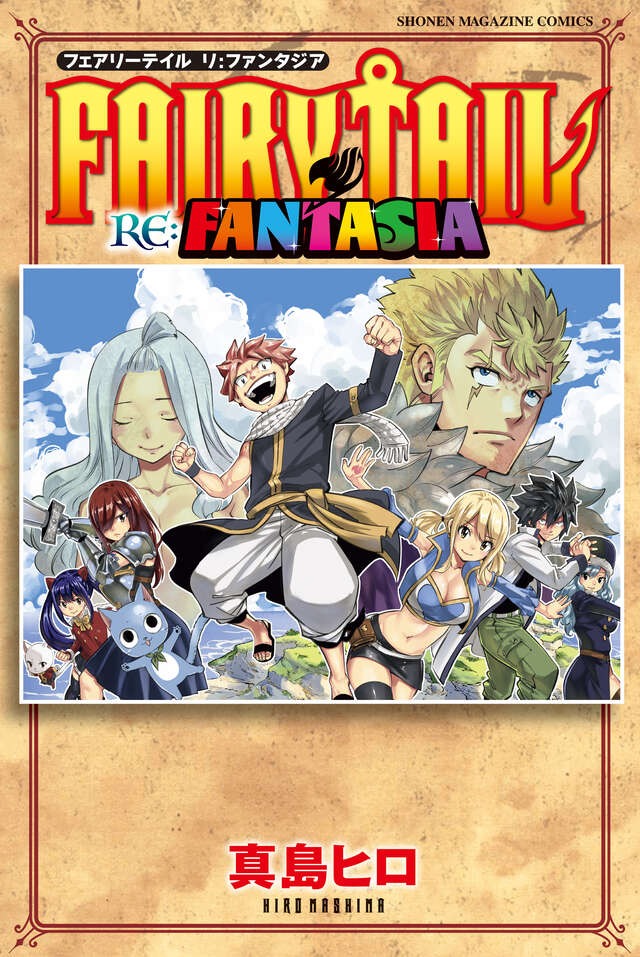
Fairy Tail at Twenty: Re:Fantasia
Fairy Tail Re:Fantasia: Mashima's 20th-anniversary miniseries in Weekly Shōnen Magazine, July to September 2026, moved a week early because he finished too fast.
FAMICOM
4 shelves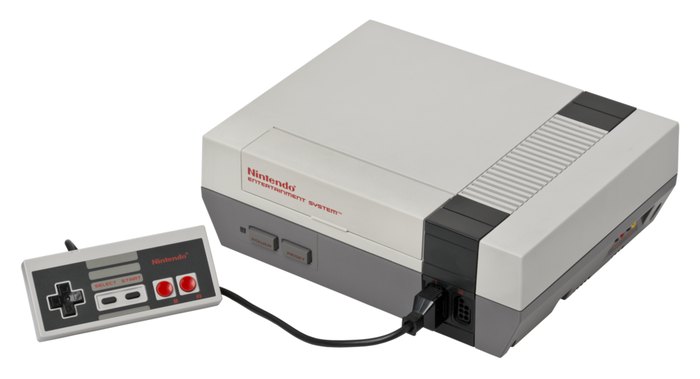
Why did the Japanese Famicom look different from the NES?
After the 1983 crash America would not stock a game console, so the NES arrived disguised as a VCR.
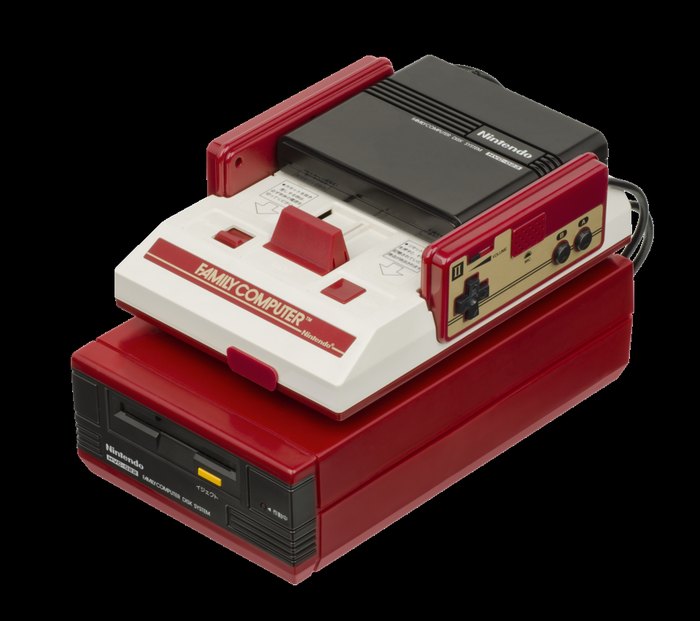
What was the Famicom Disk System?
The floppy drive under the Famicom: rewritable games, Disk Writer kiosks, and Disk Fax contests.
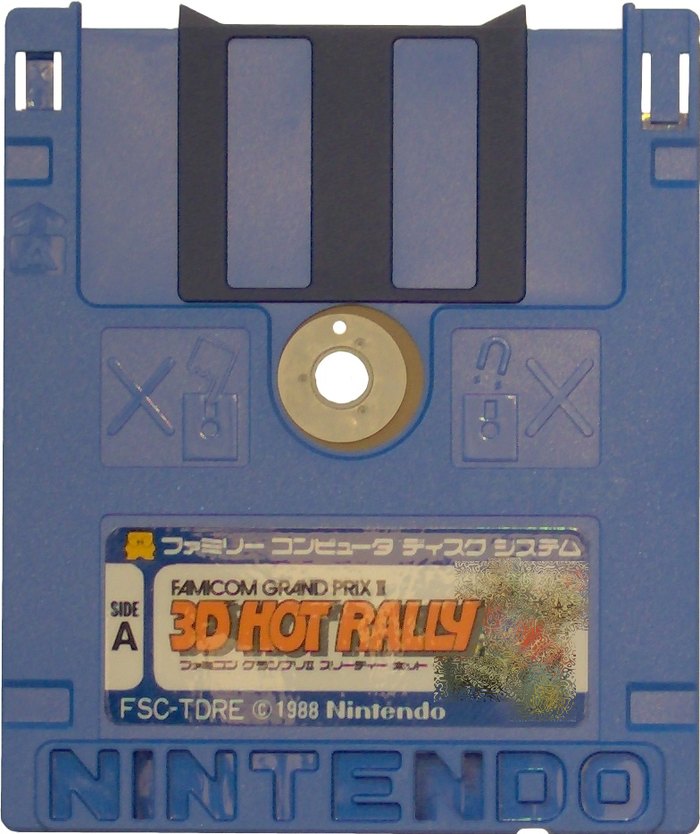
Why were some Famicom games on floppy disks?
Cheaper than chips, roomier than 1986 cartridges, and writable enough to hold a save file.
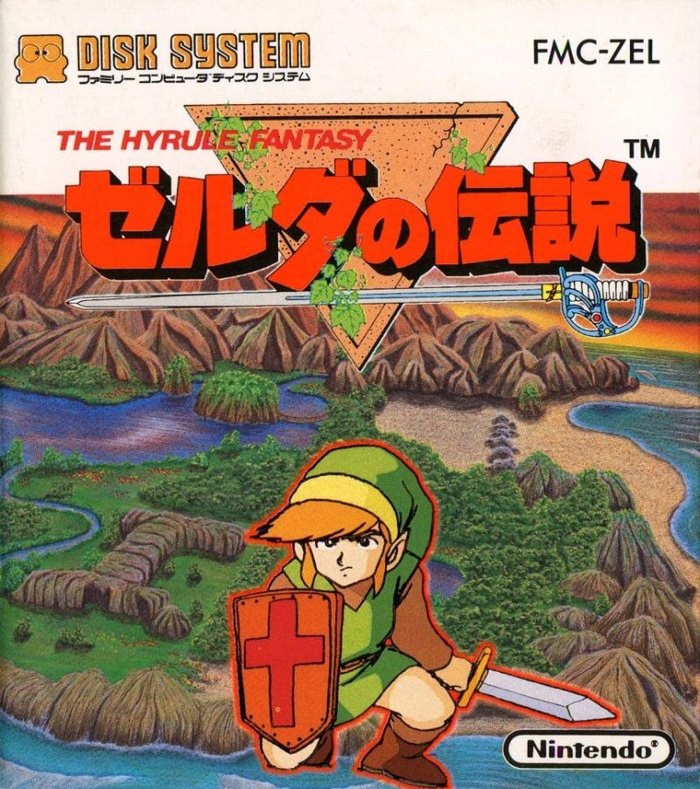
Did Zelda and Castlevania debut on floppy disks?
Yes, and both lost features, a microphone trick and a save system, on the way to American cartridges.
FATAL FRAME
9 shelfs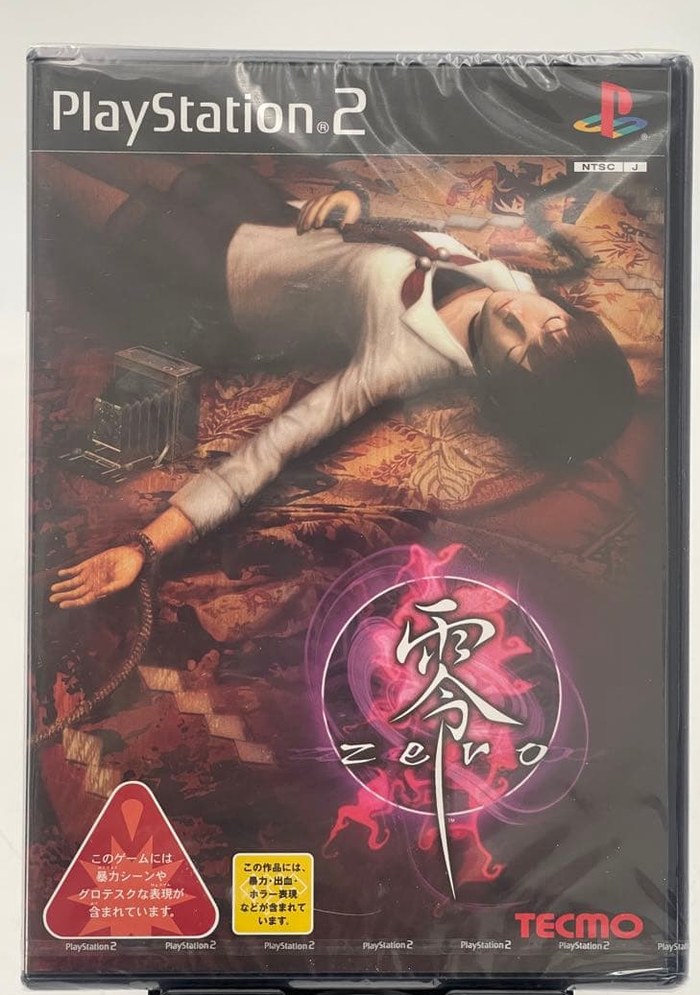
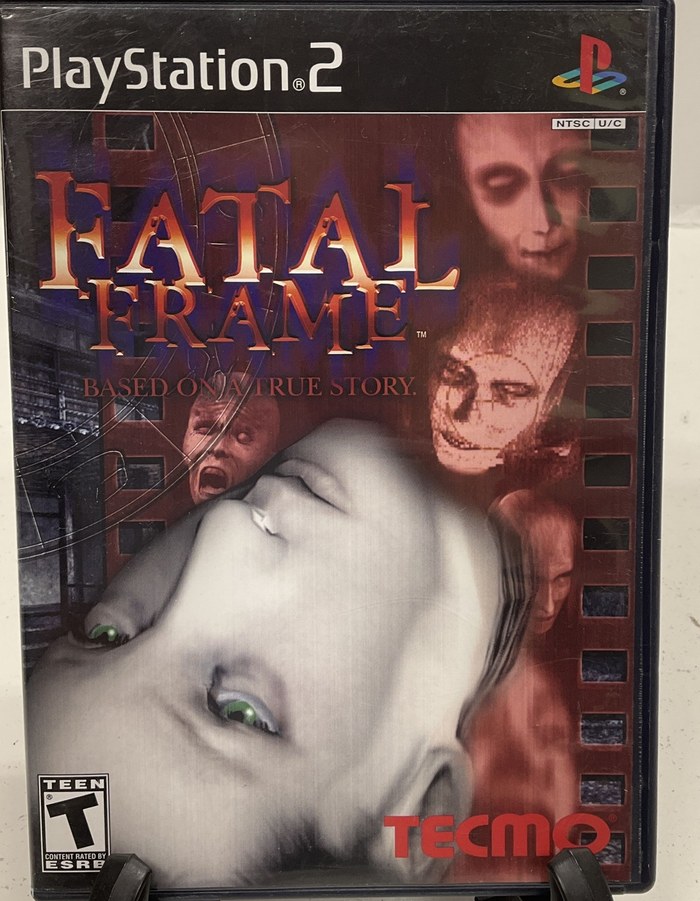
The Fatal Frame Gallery
The Japanese and American boxes side by side for four games: Zero in Japan, Project Zero in Europe, Fatal Frame in America, with their histories and questions behind them.
The History of Fatal Frame
Miku Hinasaki in Himuro Mansion, 1986: Shibata's dreams, the black and white design, the camera that arrived late, the editions, and the scores.
Is Fatal Frame based on a true story?
The box said Based on a true story. The record says the claim was marketing: what Tecmo added, what Shibata actually cited, and the quote that needs its label.
Why is the camera the weapon in Fatal Frame?
The Camera Obscura was not in the first design at all: ghosts repelled by light, a producer who objected, and a German military camera.
What inspired Fatal Frame?
Dreams and hauntings, Japanese horror and war films, and Daijiro Morohoshi's Yokai Hunter, with two labelled footnotes.
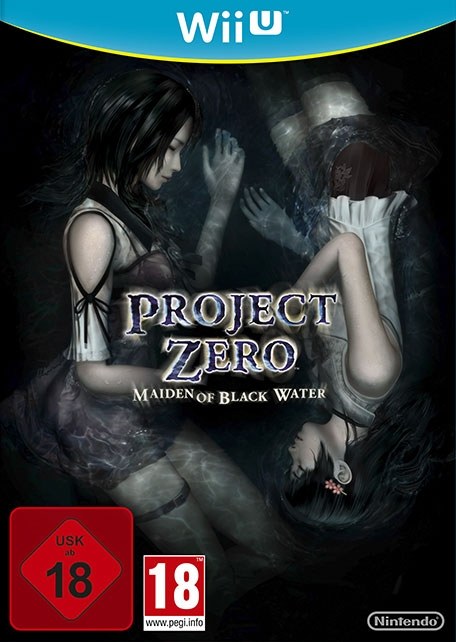
Why is Fatal Frame called Project Zero?
A codename, a title that means nothingness and can be read as ghost, and three names for one series across three markets.
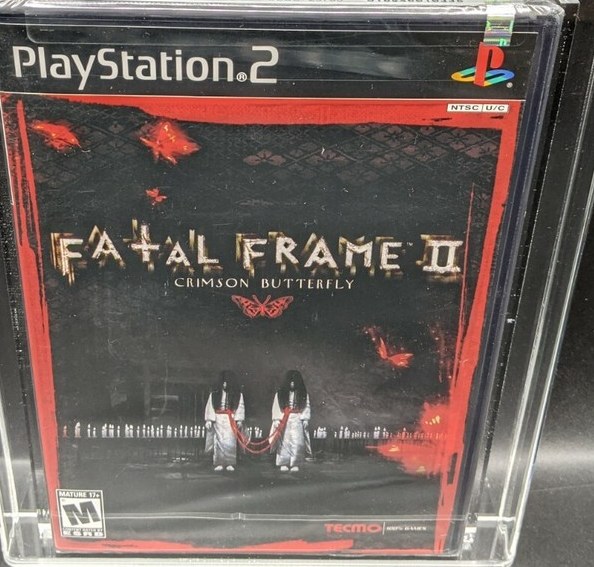
The History of Fatal Frame II: Crimson Butterfly
The Amakura twins in Minakami Village: the dream the plot came from, The Shining, Tsukiko Amano's Cho, and the scariest game lists.
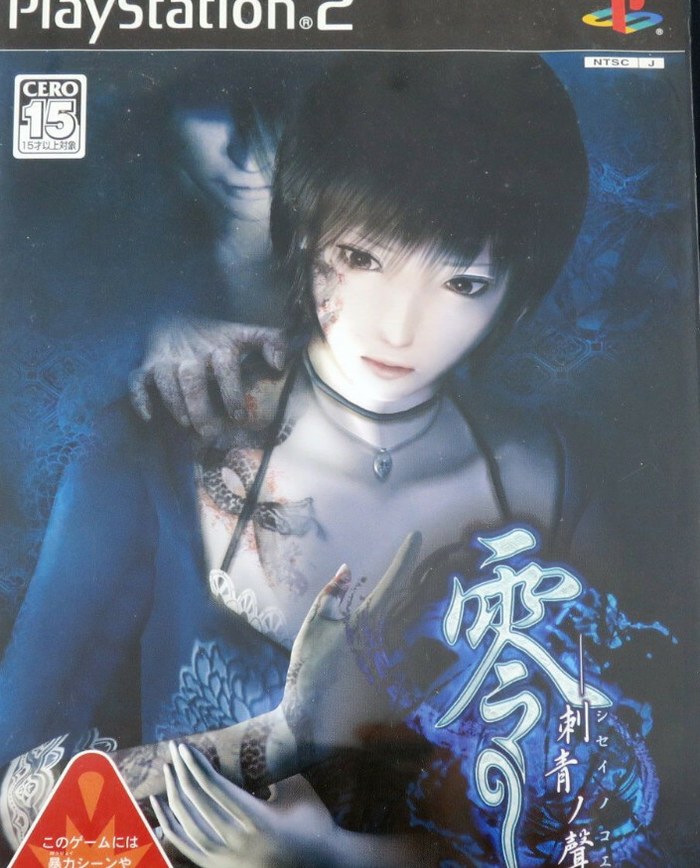
The History of Fatal Frame III: The Tormented
Rei Kurosawa in the Manor of Sleep: the nightmare the house came from, a manor with no music in it, and the trilogy's close.
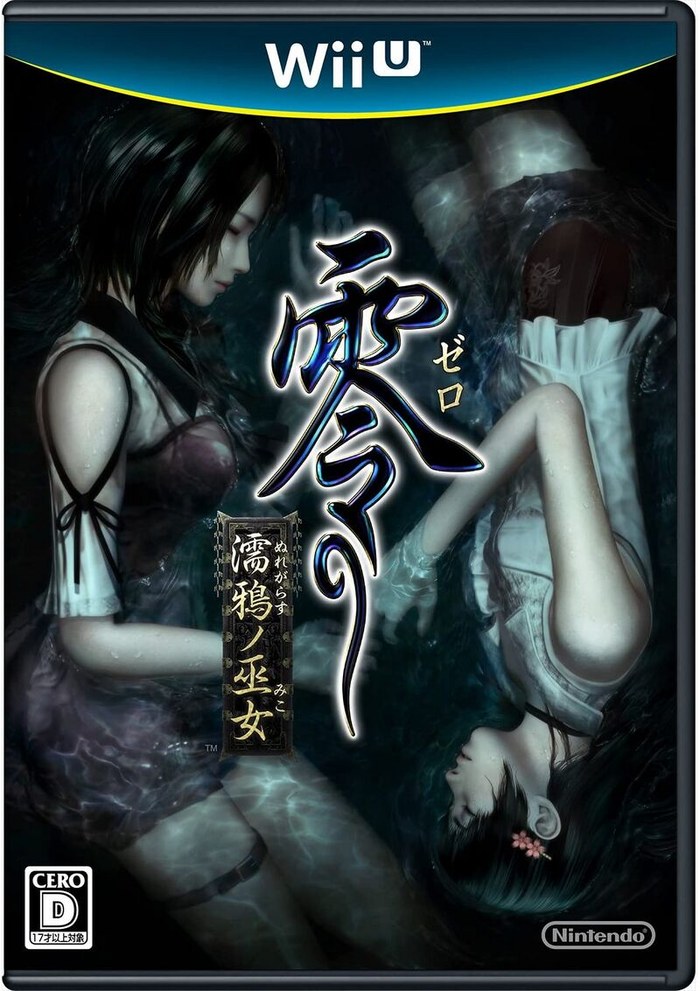
The History of Fatal Frame: Maiden of Black Water
Yuri Kozukata on Mount Hikami: the Wii U GamePad that became the Camera Obscura, the fear of being wet, and the 2021 return.
FIGHTING GAMES
104 shelves
The Fighting Games Gallery
Twelve games that turned the couch into the arcade.
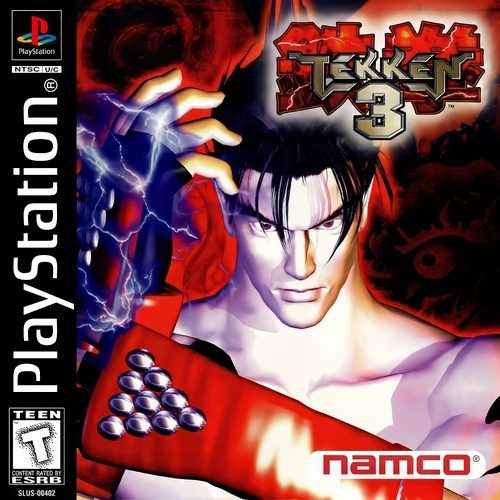
The History of Tekken 3
The game that rebuilt Tekken from scratch and became the PlayStation's defining 3D fighter.
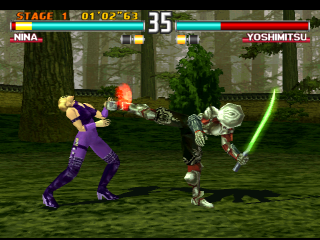
Why Is Tekken 3 Considered the Best Fighting Game on the PlayStation?
Because the reviews, the depth, and the living room all agreed at once.
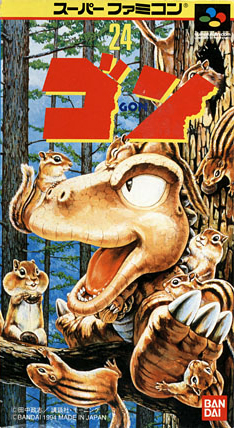
Who Is Gon, and Why Is a Tiny Dinosaur in Tekken 3?
He is a manga star on a one time license, not a Namco character.
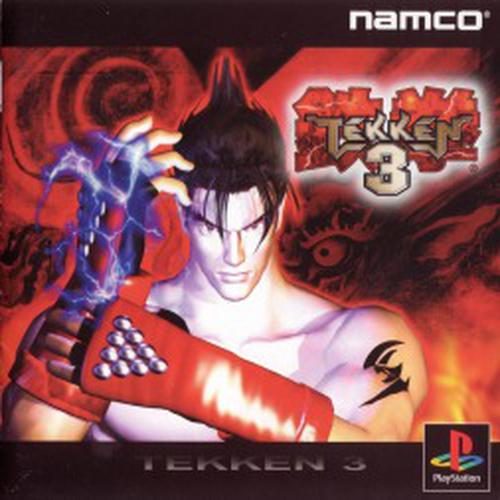
Who wrote Tekken 3's music?
Nobuyoshi Sano and Keiichi Okabe turned Tekken electronic, techno and breakbeat over the ring.
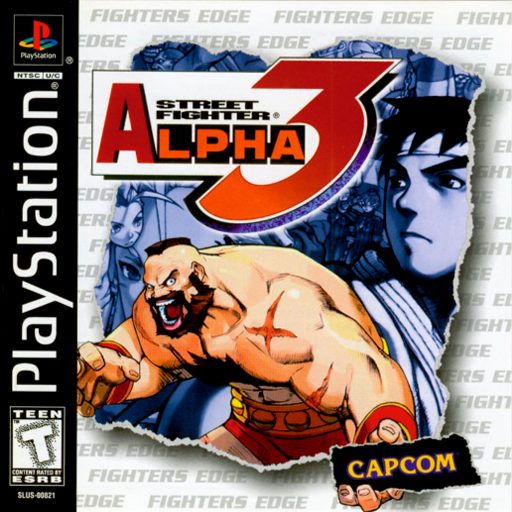
The History of Street Fighter Alpha 3
The Alpha series ended by trying to be three fighting games at once, and mostly succeeding.
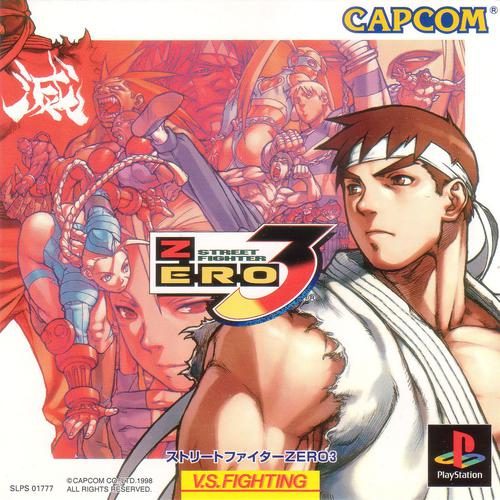
What Is the World Tour Mode in Street Fighter Alpha 3?
An RPG campaign wrapped around arcade fights, built only for the home versions.
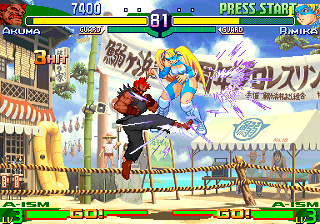
Why Does the PlayStation Street Fighter Alpha 3 Have More Characters Than the Arcade?
Because the home version was built to outdo the arcade, not just copy it.
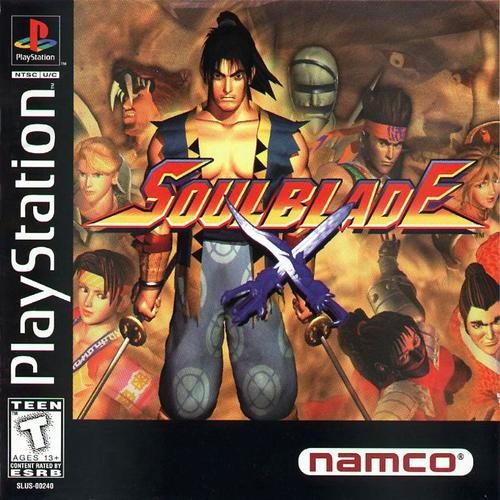
The History of Soul Blade
The weapon fighter that started the Soulcalibur line.
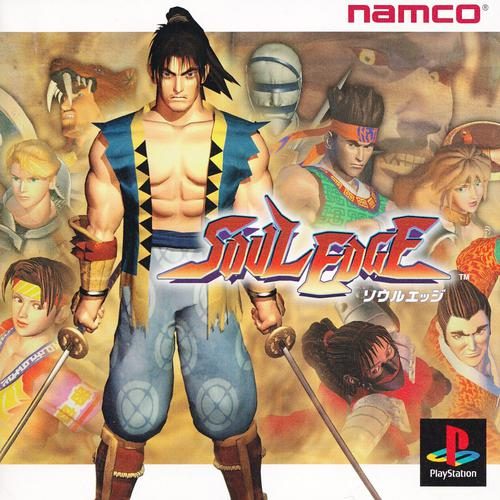
Why Is Soul Edge Called Soul Blade in America?
It was a trademark dodge, not a rebrand.
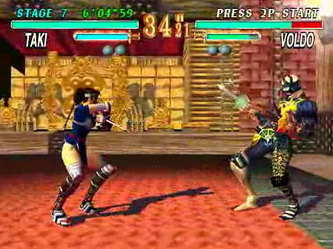
What Is Edge Master Mode in Soul Blade?
A story mode that paid you in swords.
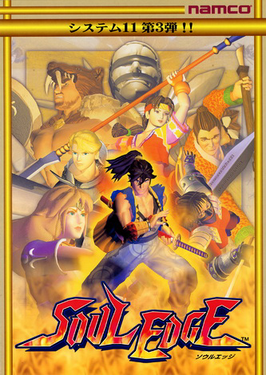
Why does Soul Blade have three soundtracks?
Arcade, arranged, and the Khan Super Session: three complete switchable scores in one PlayStation box.
The History of Mortal Kombat on Consoles
The port that split an industry in two.
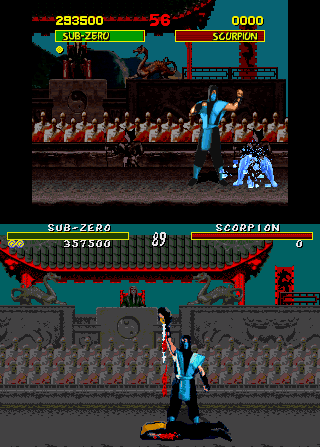
Why Did the SNES Mortal Kombat Have Sweat Instead of Blood?
Because Nintendo required the blood to go.
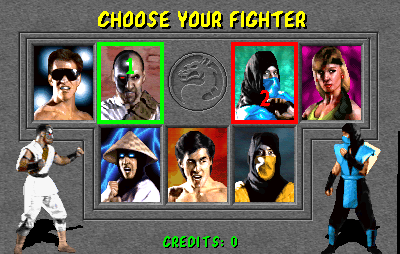
Why Did the Genesis Mortal Kombat Outsell the SNES Version?
Players bought the version that let them turn the arcade game back on.
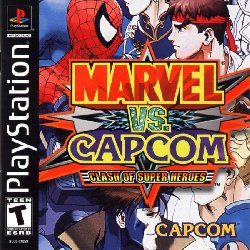
The History of Marvel vs. Capcom on PlayStation
The loudest arcade fighter of 1998, rebuilt around what the PlayStation could hold.
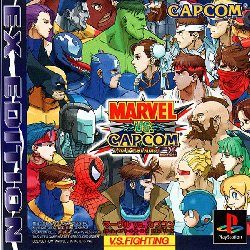
Why Couldn't the PlayStation Marvel vs. Capcom Do Tag Teams?
It could not hold four fighters at once. That is the whole answer.
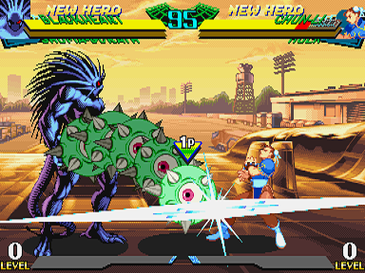
Why Does the PlayStation Marvel vs. Capcom Have a Cross Over Mode Instead?
Because identical teams were the one way to tag inside 2 MB of RAM.
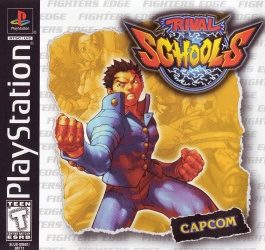
The History of Rival Schools: United by Fate
Capcom’s schoolyard fighter: a 3D tag team game built out of school life itself.
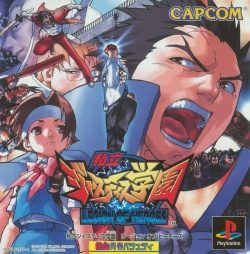
What Was Cut From Rival Schools Outside Japan?
The school year itself. The fighting all crossed the Pacific. The life sim did not.
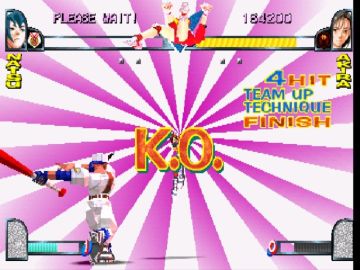
Why Is Rival Schools Set in High Schools?
Because a world tournament bored Capcom’s veterans. School did not.
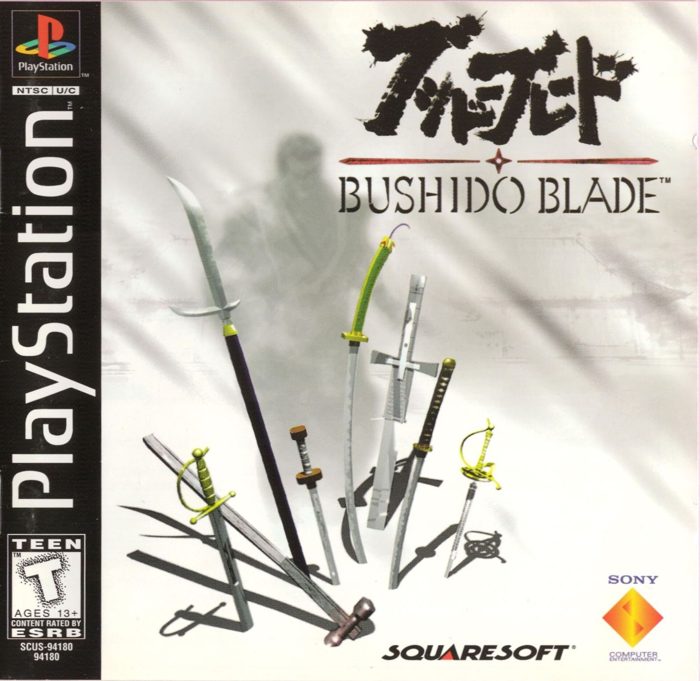
The History of Bushido Blade
The fighting game that threw away the health bar and trusted a single sword stroke to decide everything.
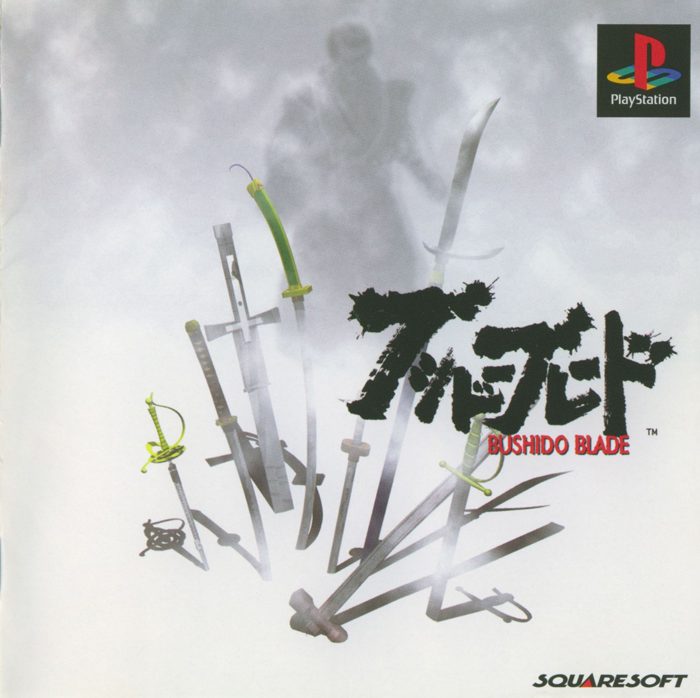
Why Does Bushido Blade Have No Health Bars?
Because the sword was the health bar. A clean hit to the head or torso ends a real sword fight, so Lightweight made it end this one too.
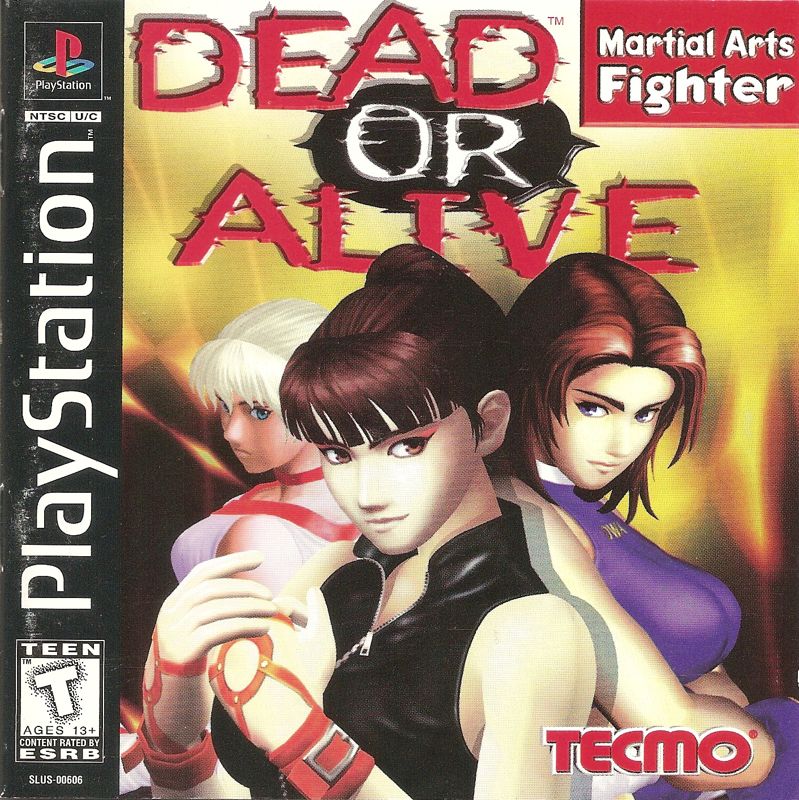
The History of Dead or Alive
Tecmo bet the company on a Virtua Fighter rival, and the bet paid. Dead or Alive turned a near bankrupt publisher into a fighting game franchise.
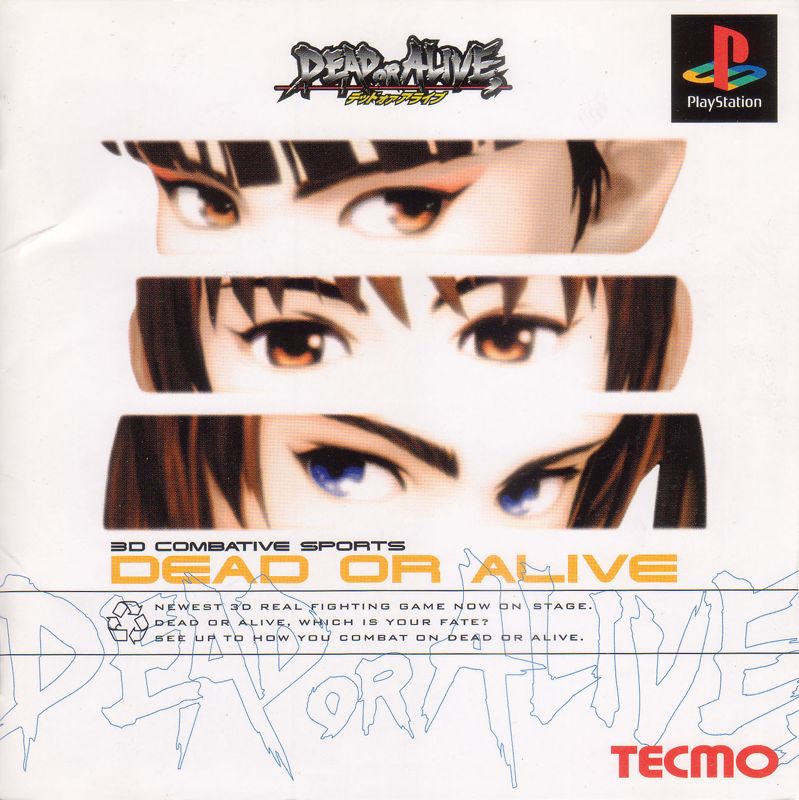
Why Was Dead or Alive Famous for Its Counter System?
Because Dead or Alive replaced the block button with a bet. Read the attack correctly, and you did not just stop it. You turned it into your own damage.
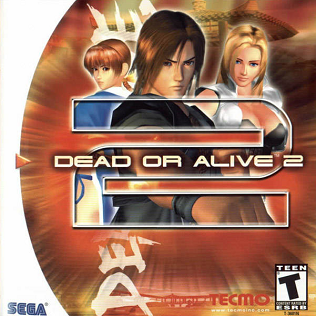
How Do the Saturn and PlayStation Versions of Dead or Alive Differ?
They are not the same port twice. The Saturn game is a close, Japan only conversion of the arcade original. The PlayStation game is a rebuild, with two new fighters, new stages and music, and no ring…
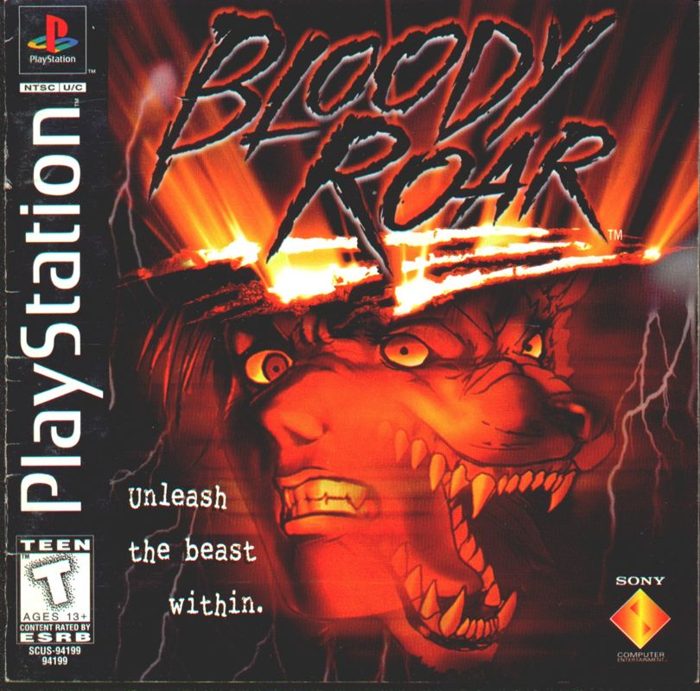
The History of Bloody Roar
The fighter that let you become the animal.
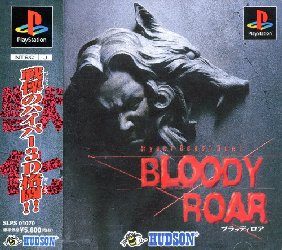
Why Do Bloody Roar's Fighters Turn Into Animals?
Two answers, and they are not the same answer.
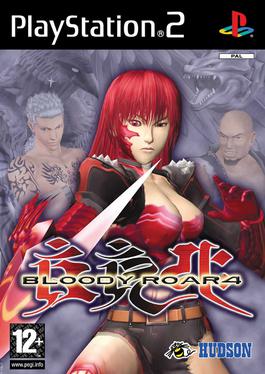
Why Has There Been No New Bloody Roar Since 2003?
No scandal killed it. The series stopped, and then its owner disappeared.
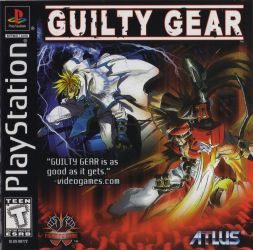
The History of Guilty Gear
A cult classic built by a team of twelve, and mostly by one of them.
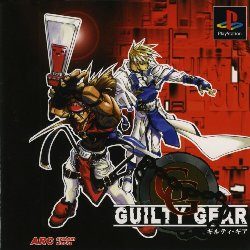
What Inspired Guilty Gear?
A manga, a fighting game, and a record collection.
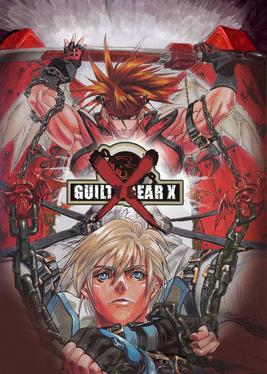
What Are Guilty Gear's Heavy Metal References?
Start with the hero. It only gets louder from there.
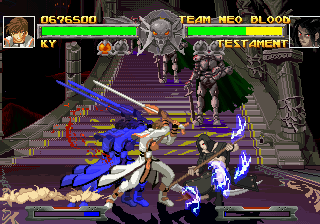
Who wrote Guilty Gear's music?
Daisuke Ishiwatari designed the cast, voiced Sol, and composed the heavy metal score himself.
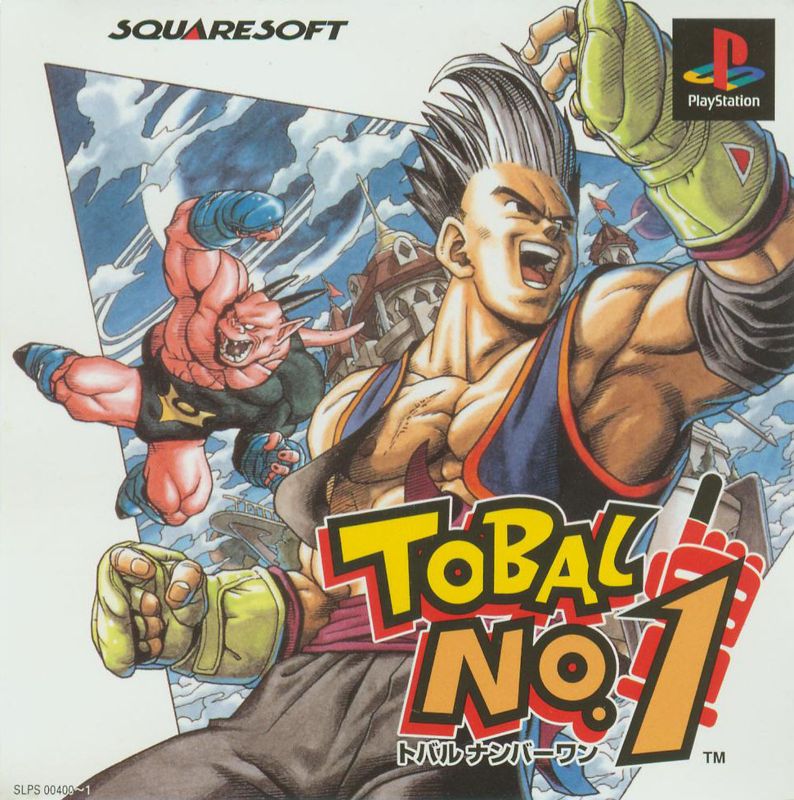
The History of Tobal No. 1
Square entered the PlayStation era with a fighting game, and it outran everything else on the system.
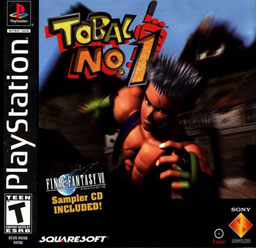
Why Did Tobal No. 1 Come With a Final Fantasy VII Demo?
Because Square owned the most wanted demo in the world, and a new fighting game that needed an audience.
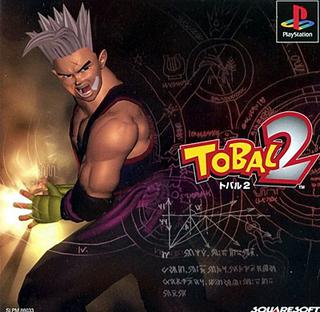
Who Designed Tobal's Characters?
Akira Toriyama. Every one of them.
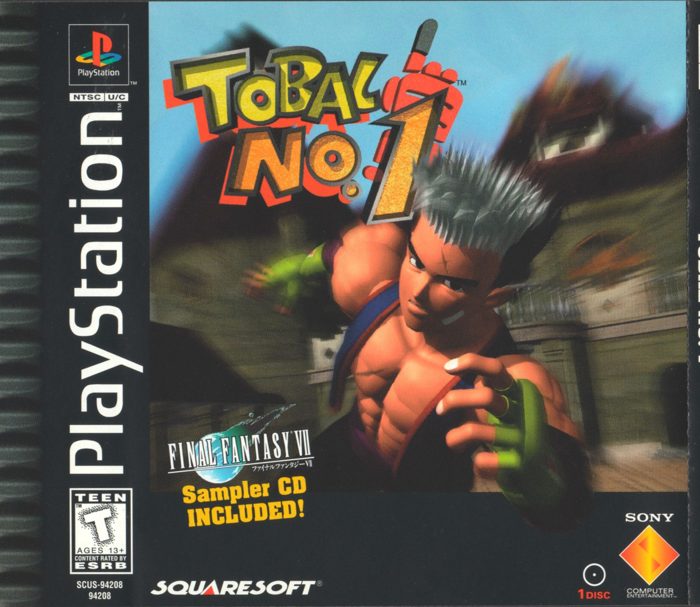
Who wrote Tobal No. 1's music?
Eight Square composers at once, produced by Yasunori Mitsuda, the most crowded soundtrack in Square history.
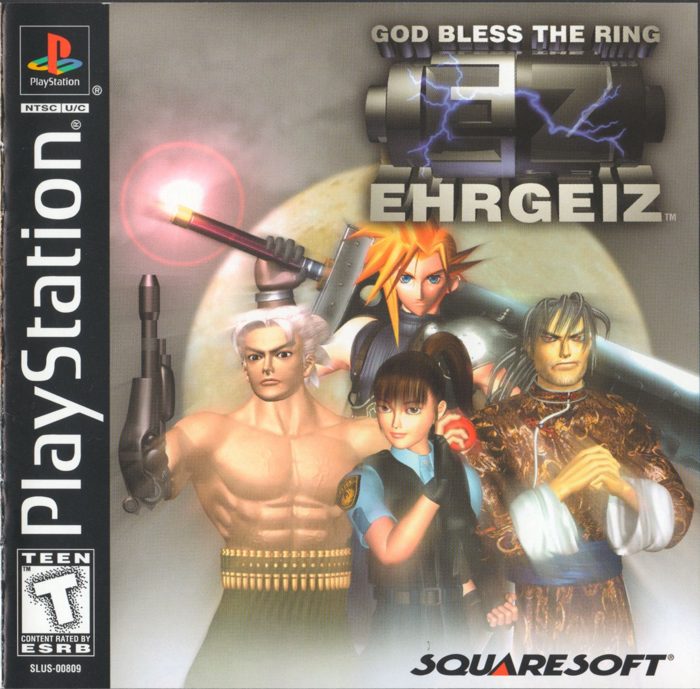
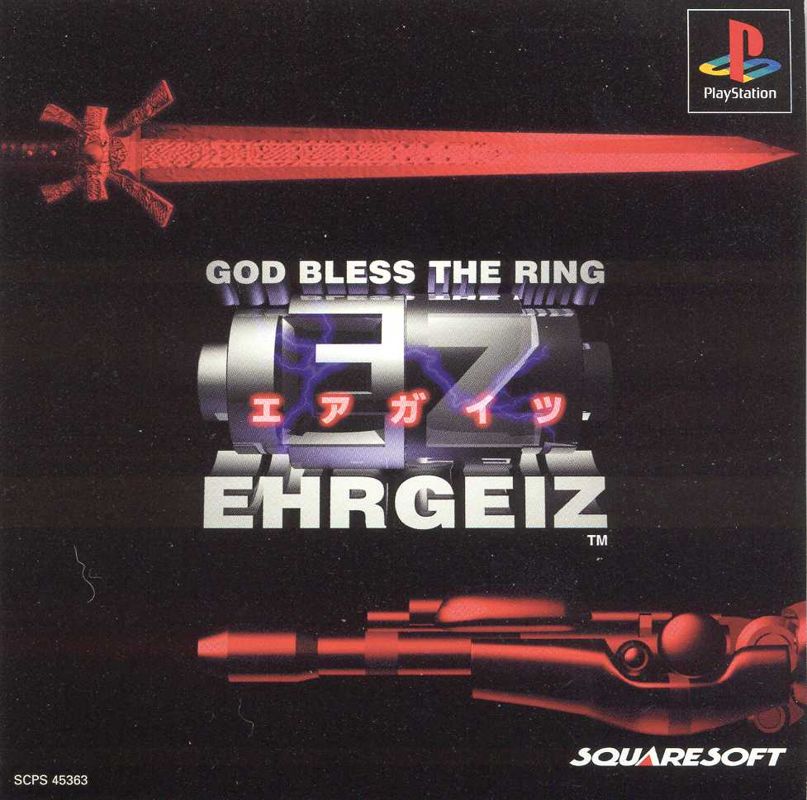
The History of Ehrgeiz
A Square fighting game that started in Namco's arcades and came home carrying Final Fantasy VII.
Why Are Final Fantasy VII Characters in Ehrgeiz?
Because it was Square's own fighter, and Final Fantasy VII was Square's biggest property on Earth.
Why Does Ehrgeiz Have an RPG Mode?
Because at DreamFactory, a fighting game was only half the product. The other half was a dungeon.
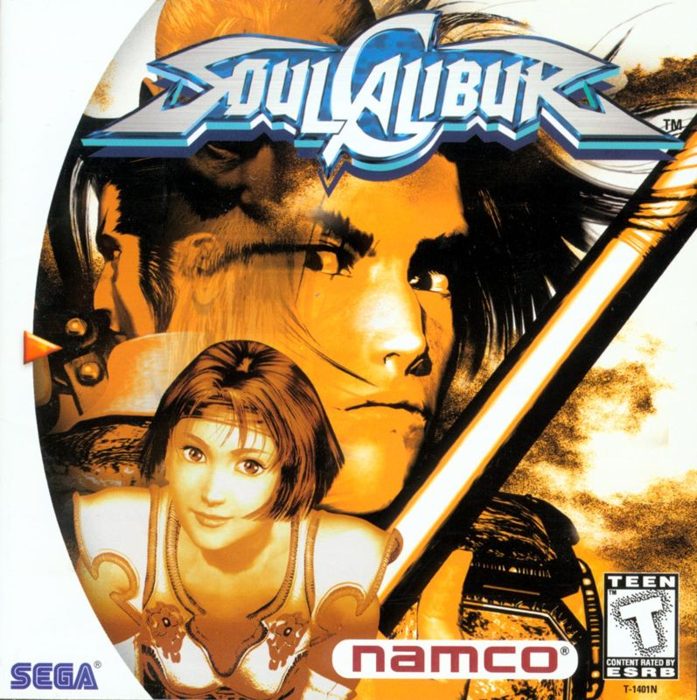
The History of SoulCalibur
The port that outscored the arcade: perfect 10s, 98 on Metacritic, and a million copies by Christmas 1999.
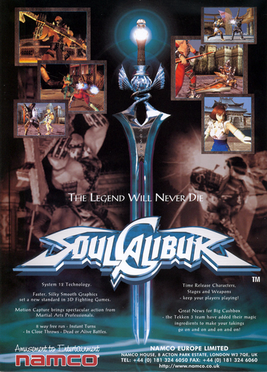
Why Is the Dreamcast SoulCalibur Better Than the Arcade Original?
Full 3D stages, redrawn textures, a campaign mode: the perfect scores were all given to the home version.
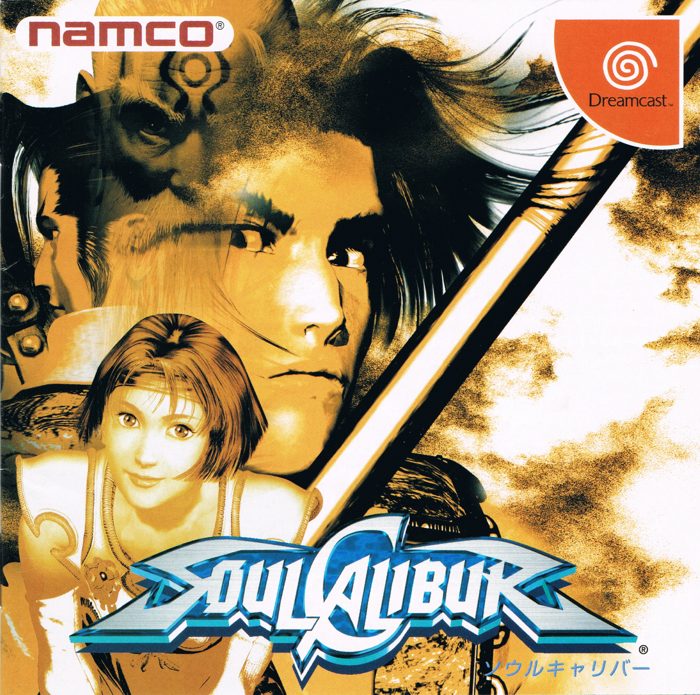
Why Did SoulCalibur Stay a Dreamcast Exclusive for So Long?
Nine years on one machine, and the complete version never left: the 2008 port cut Mission Battle to fit a download limit.
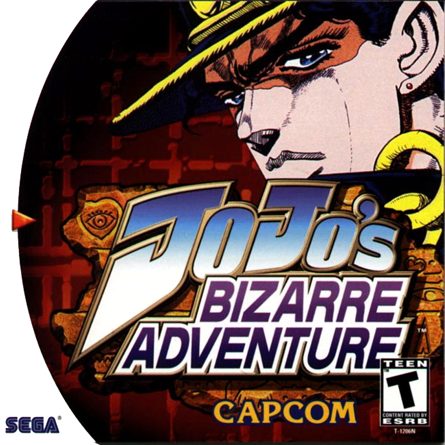
The History of JoJo's Bizarre Adventure
Capcom's manga fighter, supervised by Araki himself: the last CPS-3 game, and both arcade versions on one Dreamcast disc.
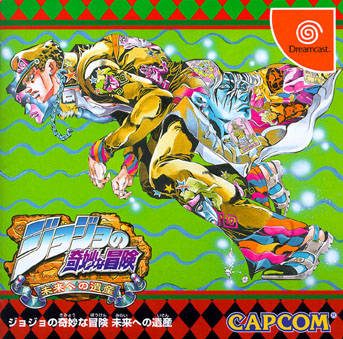
How Do Stands Work in JoJo's Bizarre Adventure?
A second fighter you switch on and off, and every hit it takes lands on you.
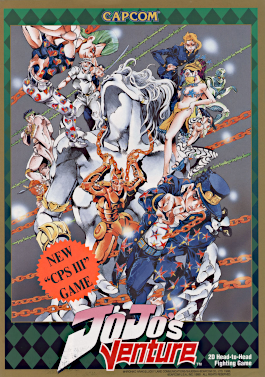
Why Does the Dreamcast JoJo's Bizarre Adventure Have Two Games on One Disc?
Because Capcom made it twice, in 1998 and 1999, and the Dreamcast version refuses to choose.
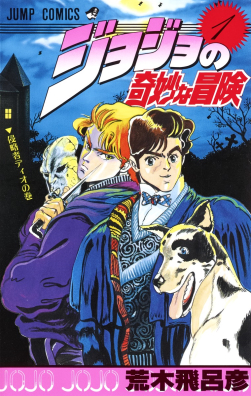
What Did Hirohiko Araki Do for the JoJo Fighting Game?
He consulted, he drew the packaging art, and he designed Midler, a character his manga never fully showed.
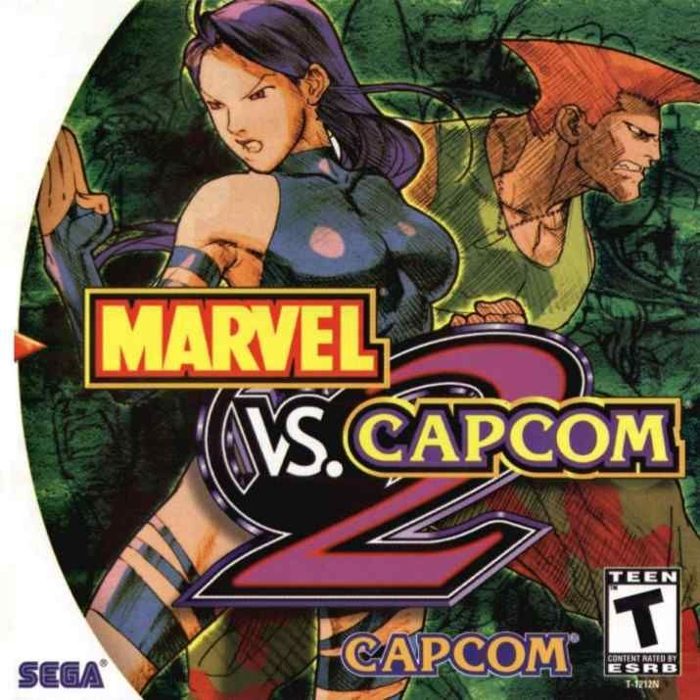
The History of Marvel vs. Capcom 2
Fifty six characters, teams of three, and a Dreamcast version that outlived every port that followed it.
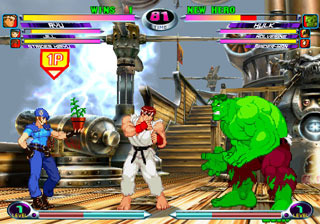
Why Does Marvel vs. Capcom 2 Have 56 Characters?
Two six year catalogues, Marvel's and Capcom's, finally allowed in the same room, plus three originals.
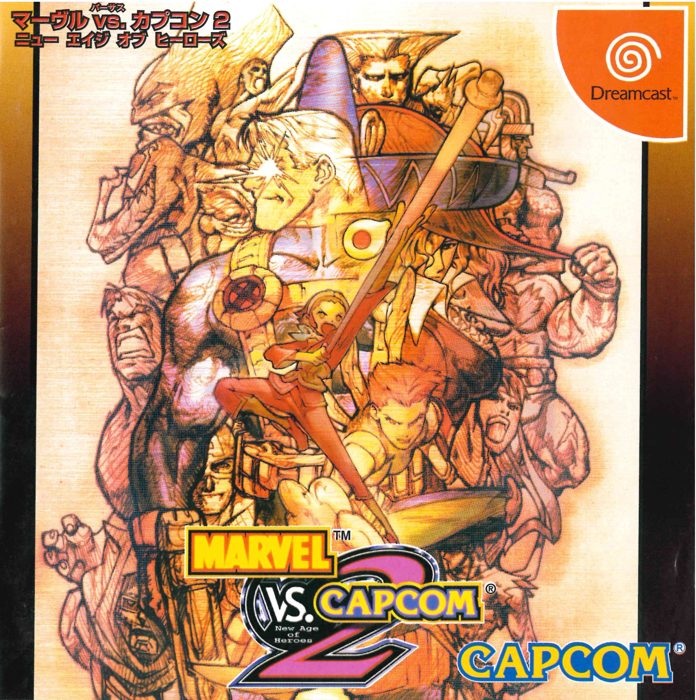
Why Did the Dreamcast Marvel vs. Capcom 2 Stay the Definitive Version for So Long?
NAOMI is Dreamcast hardware, the 2009 revival was built from its code, and the 2013 delisting left the disc as the game.
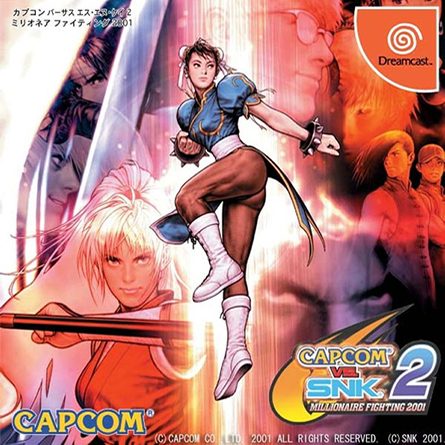
The History of Capcom vs. SNK 2
The merger game: 48 fighters, six grooves, and a Dreamcast edition that never left Japan.
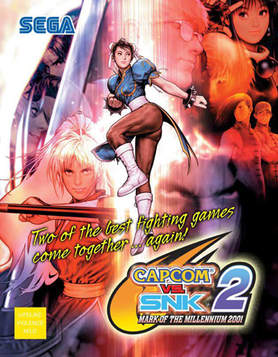
What Are the Six Grooves in Capcom vs. SNK 2?
Six rulebooks in one game, three from Capcom's history and three from SNK's, and any fighter may use any of them.
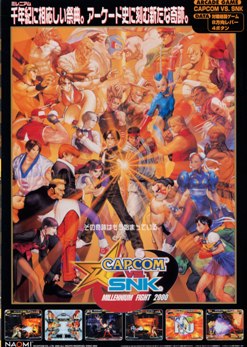
How Does the Ratio System Work in Capcom vs. SNK 2?
Four points across up to three fighters, priced by you: one giant, or a trio of lightweights.
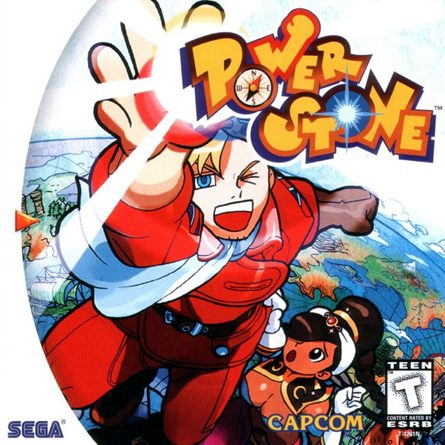
The History of Power Stone
The arena fighter that threw away the block button to win back the masses, and sold 200,000 copies doing it.
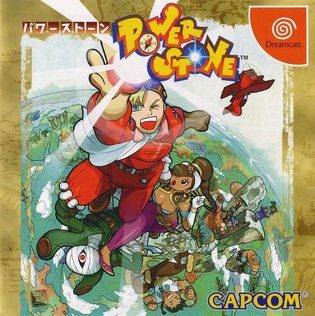
Why Did Power Stone's Arena Fighting Not Become the Genre Standard?
The design removed the skills the genre runs on, and the sales never forced anyone to copy it.
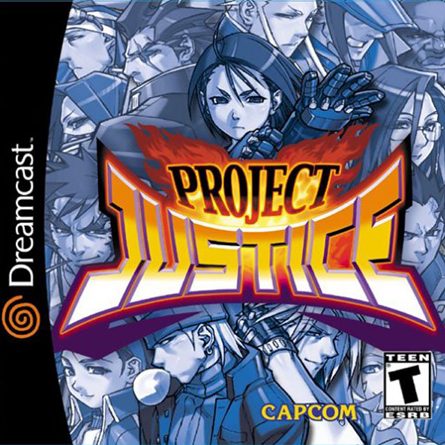
The History of Project Justice
Rival Schools one year on: teams of three, a Party-Up, and a creation mode the West never saw.
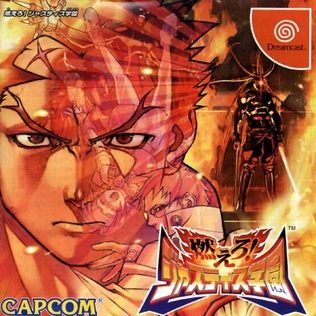
What Is New in Project Justice?
Teams of three, a school signed Party-Up, and a cancel for being teamed up on.
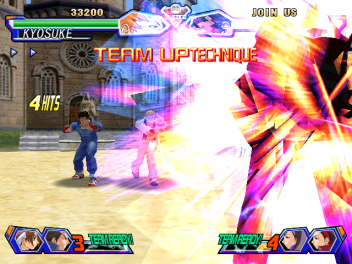
What Was Cut from Project Justice Outside Japan?
A whole board game that builds fighters, removed for translation time and replaced with pre built sub characters.
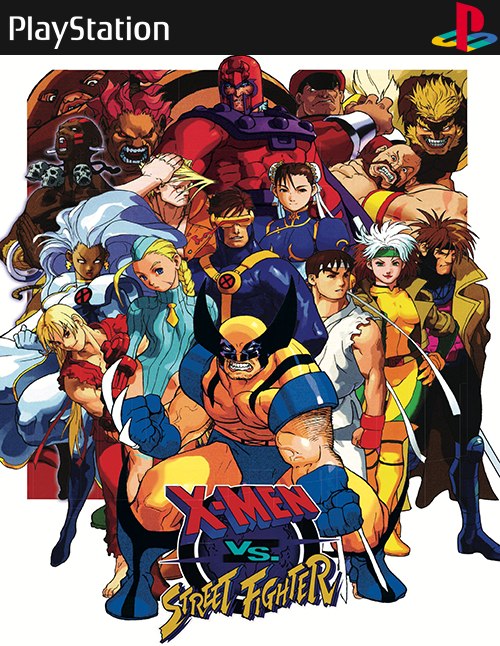
The History of X-Men vs. Street Fighter
The first Marvel vs. Capcom game, and the port that split in two: arcade perfect on Saturn in Japan, tagless on PlayStation in America.
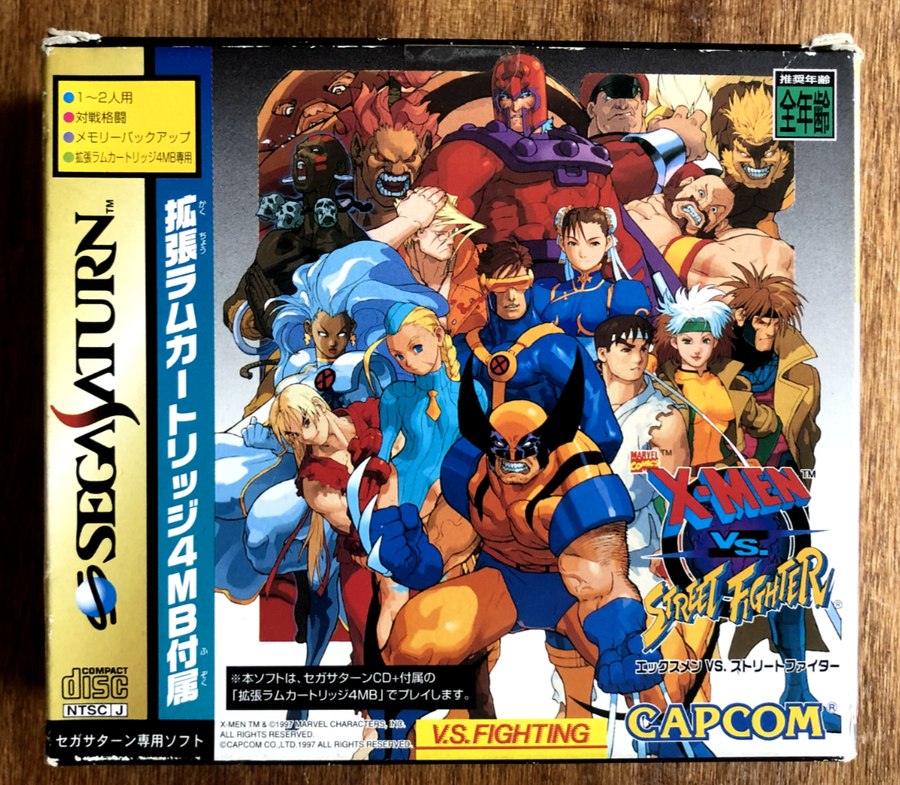
Why Did X-Men vs. Street Fighter on Saturn Need the 4MB RAM Cartridge?
Because a tag team is four fighters, not two. The cartridge held the animation the base console could not.
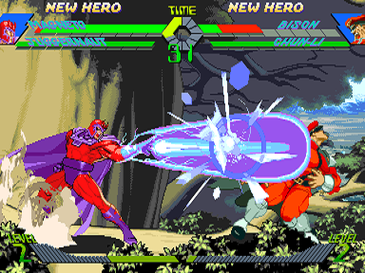
Why Couldn't the PlayStation X-Men vs. Street Fighter Do Real Tag Teams?
It could not hold four fighters at once. That is the whole answer.
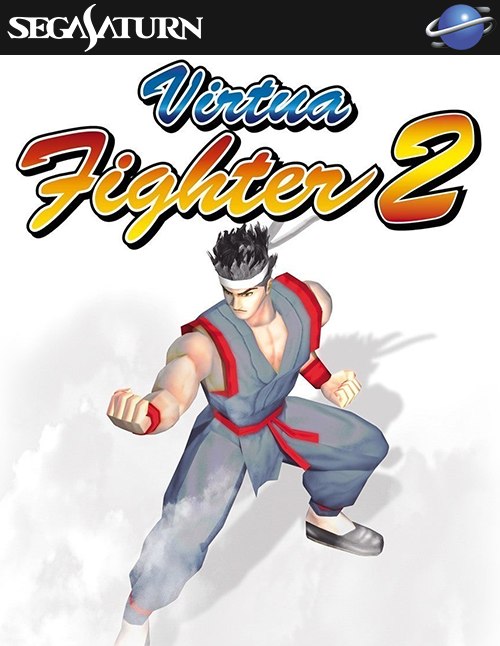
The History of Virtua Fighter 2 on Saturn
The game the Saturn was sold on: AM2's rebuild at 60 frames per second, and the best selling Saturn game in Japan.
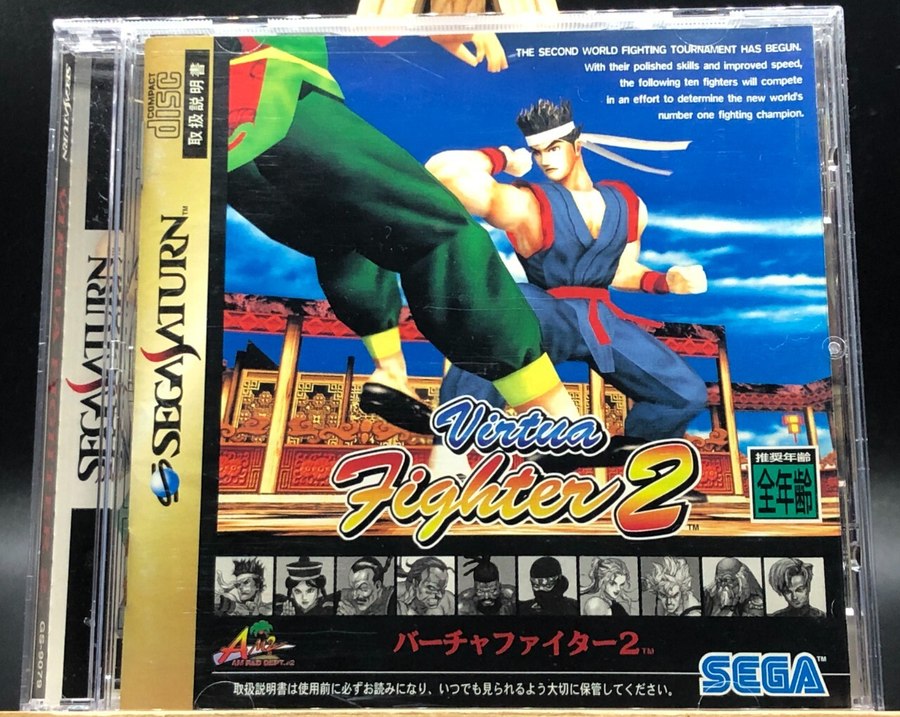
Why Did Virtua Fighter 2 Sell the Saturn in Japan?
1.5 million preorders against an installed base of about the same size, then 700,000 copies in two days.
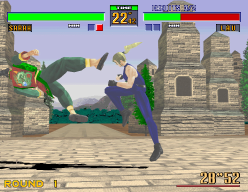
How Did Sega Fit Virtua Fighter 2 onto the Saturn at 60 Frames Per Second?
A new graphics library, months of compression, fewer polygons, richer textures, and flat backgrounds.
How did Virtua Fighter's music change on the Saturn?
Nakamura wrote the arcade score, Mitsuyoshi rearranged it for Saturn, and both versions are still issued as a pair.
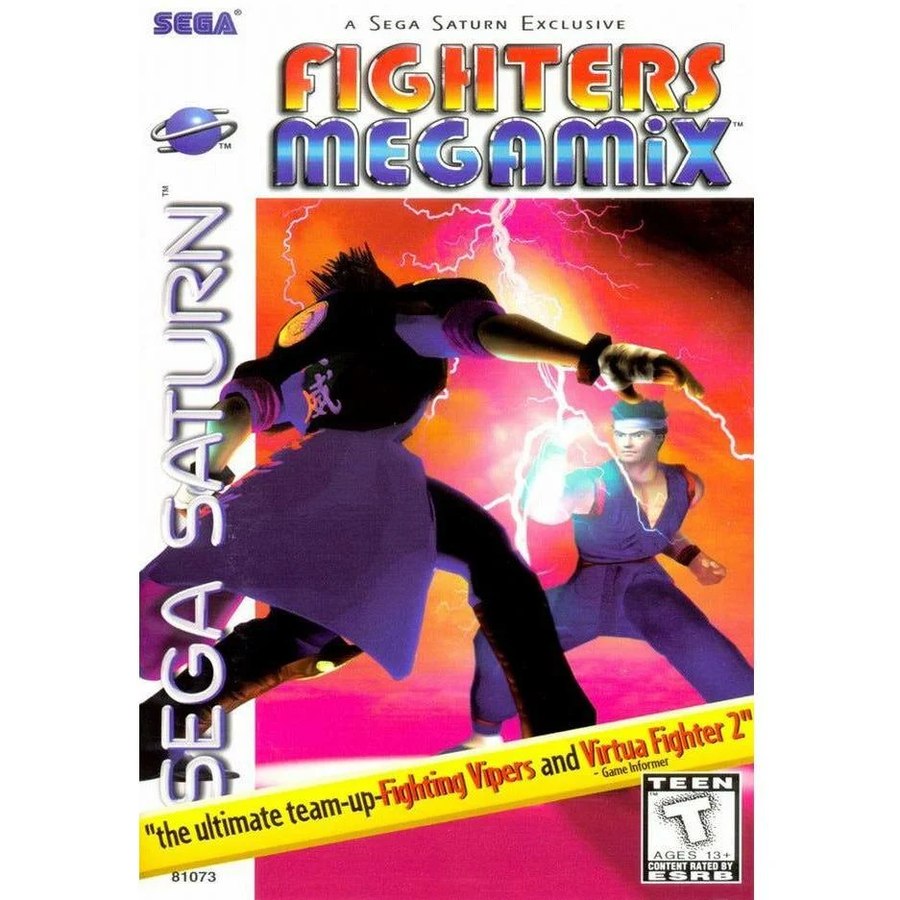
The History of Fighters Megamix
AM2's Saturn only crossover party: two full casts, twelve hidden guests, and a Daytona USA car.
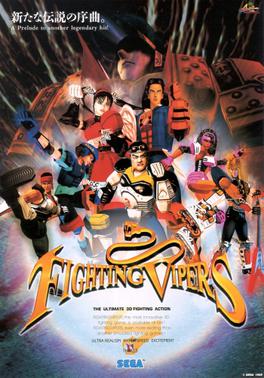
Why Does Fighters Megamix Mix Virtua Fighter and Fighting Vipers?
A festive year end game for Saturn owners, built on the King of Fighters mixing concept.
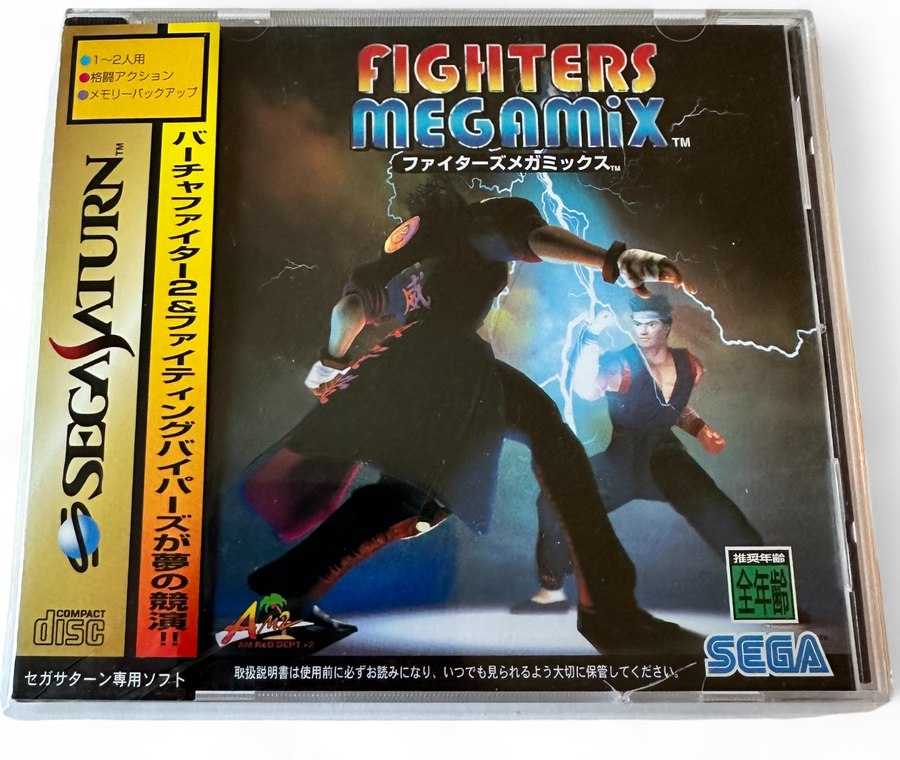
Who Are the Hidden Characters in Fighters Megamix?
Twelve of them, and the strangest two are a car and the developer's logo.
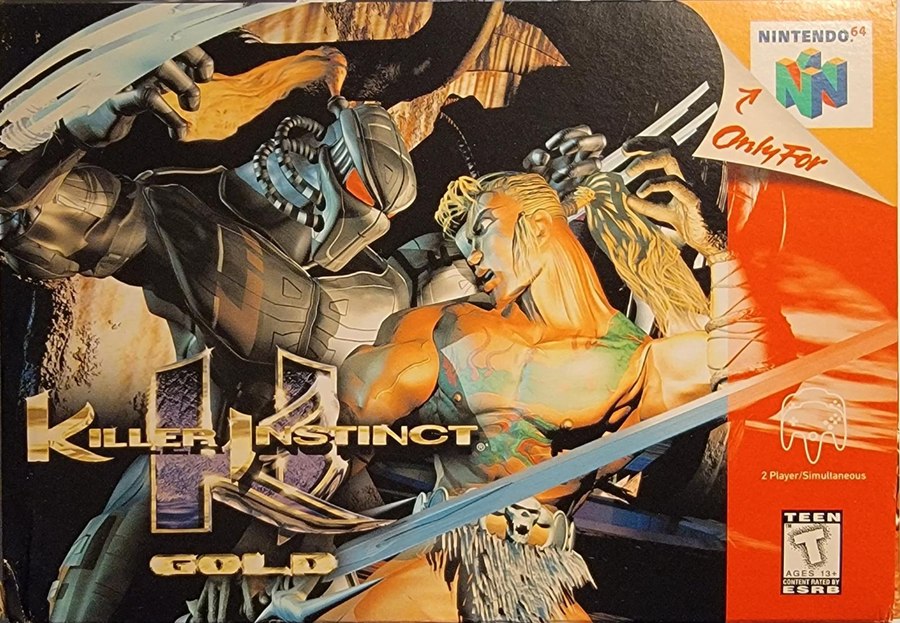
The History of Killer Instinct Gold
Rare's arcade sequel rebuilt for a Nintendo 64 cartridge: the fights stayed, the cinema did not.
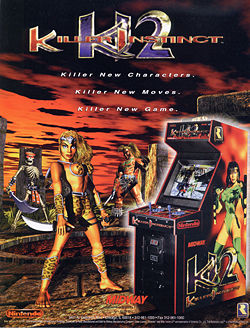
What Changed from Killer Instinct 2 to Killer Instinct Gold?
FMV, voices, frames and endings cut; stages rebuilt in 3D; training, team and tournament modes added.
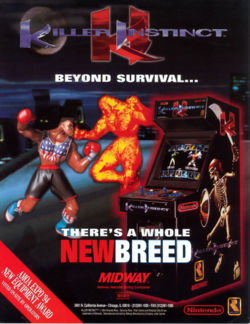
Why Was Killer Instinct Gold Almost a Super NES Game?
The sequel was promised to the console that sold three million copies of the first game, then moved to the Nintendo 64.
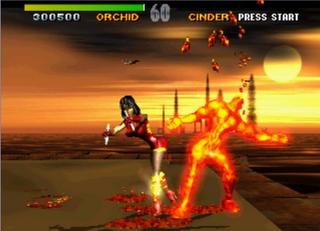
What is Killer Cuts, the Killer Instinct soundtrack album?
The arranged CD packed in with the Super NES game, fifteen remixes, fourteen silent tracks, one hidden song.
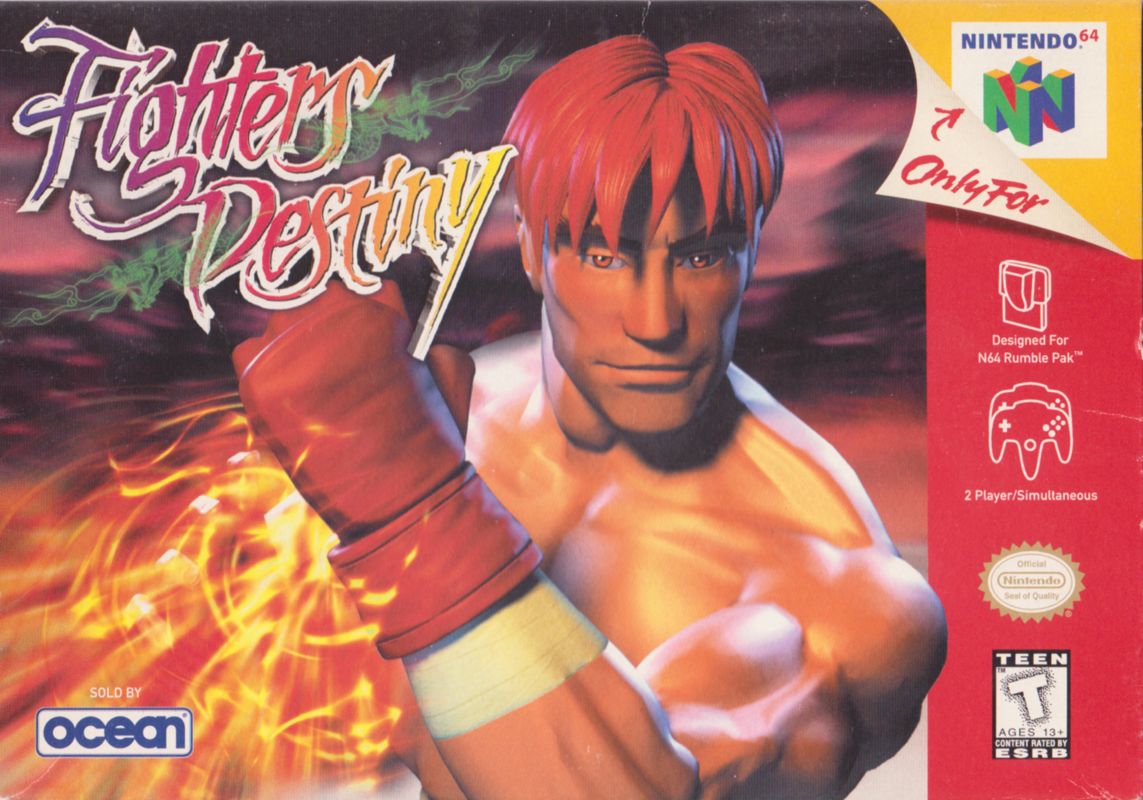
The History of Fighters Destiny
The N64 fighter that scored its fights like a sport, released in America first and in Japan last.
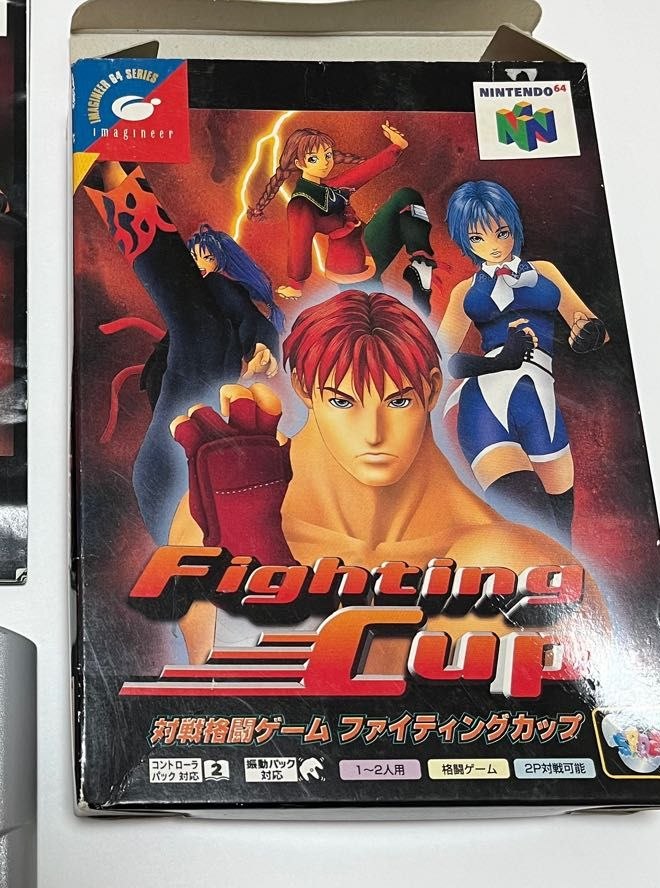
How Does the Points System in Fighters Destiny Work?
One for a ring out, two for a throw, three for a knockdown, four for a special. First to seven wins.
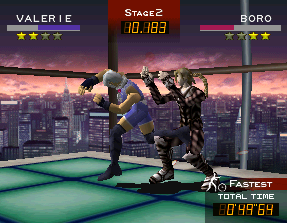
What Is the Master Challenge in Fighters Destiny?
Beat the Master, learn a move. Land on the Joker and lose, and every learned move goes with it.
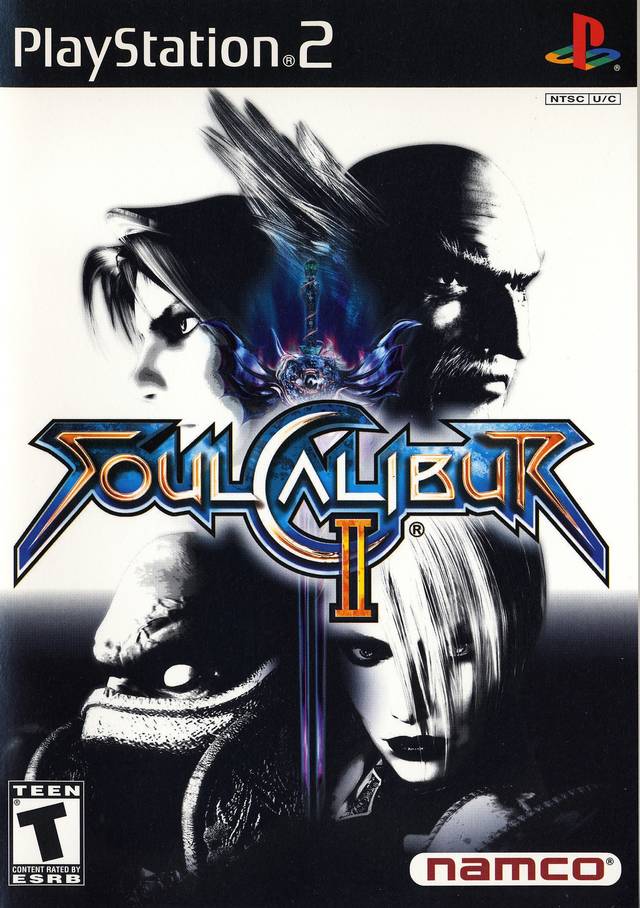
The History of SoulCalibur II
One arcade game, three home versions, and a guest fighter for each console.
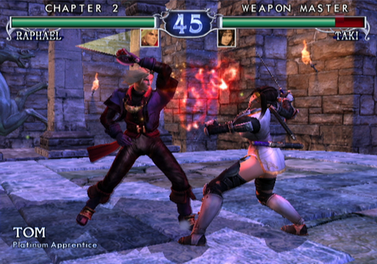
Why Did Each Version of SoulCalibur II Have a Different Guest Character?
Link, Spawn, and Heihachi arrived through three separate deals, and the PlayStation 2 slot was meant for Cloud Strife.
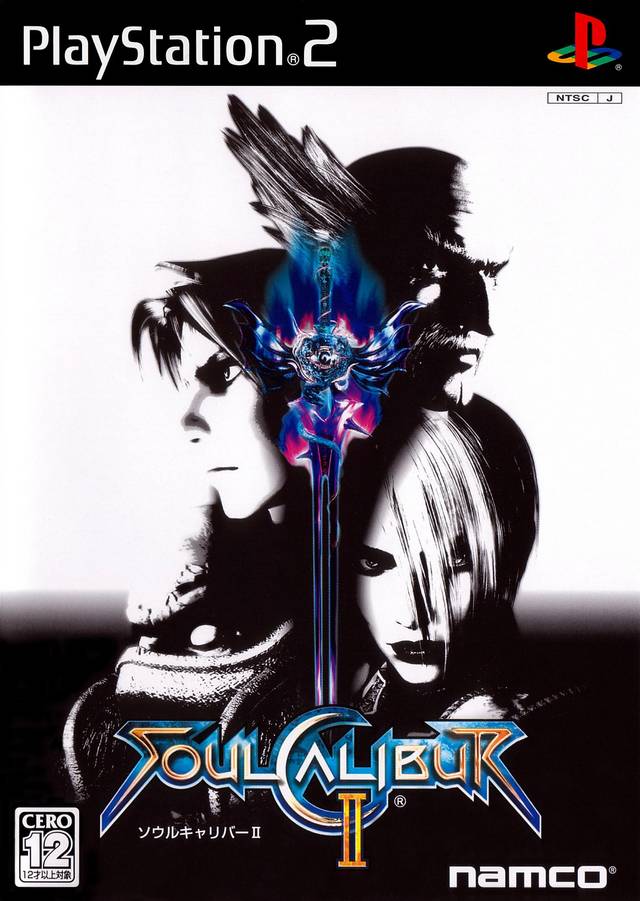
What Is Weapon Master Mode in SoulCalibur II?
A campaign map wrapped around a weapon shop: the mode that turned a fighting game into a collection.
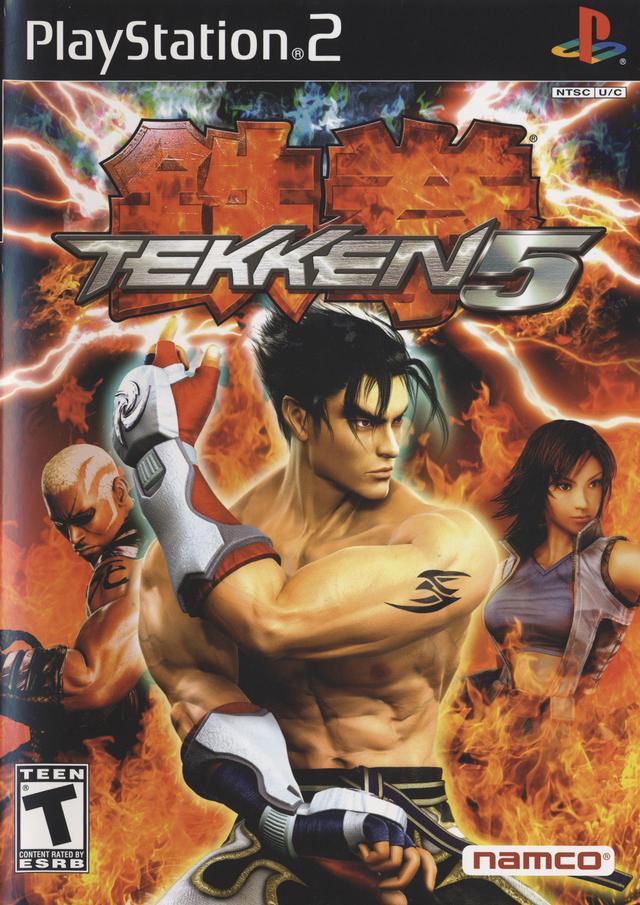
The History of Tekken 5
The tenth anniversary game that rebuilt what Tekken 3 proved and packed three arcade classics into the same box.
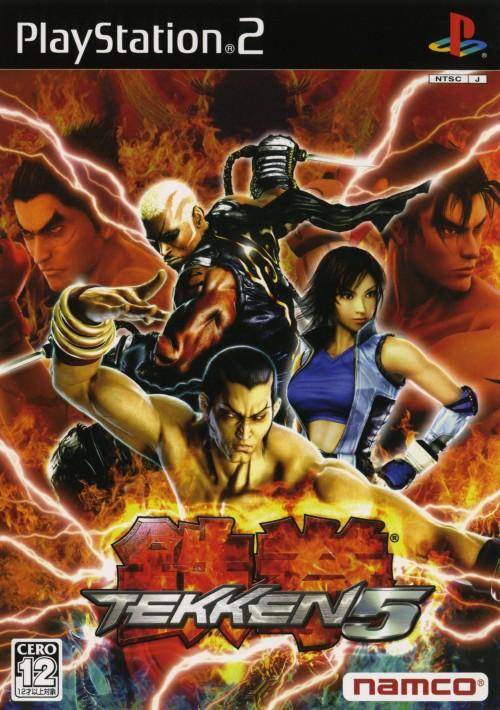
Why Is Tekken 5 Remembered as a Return to Form?
Because Namco reversed Tekken 4, item by item, and the reviews rewarded the retreat.
What Games Are Bundled Inside Tekken 5?
The arcade versions of Tekken, Tekken 2, and Tekken 3, plus StarBlade, ride inside the fifth game.
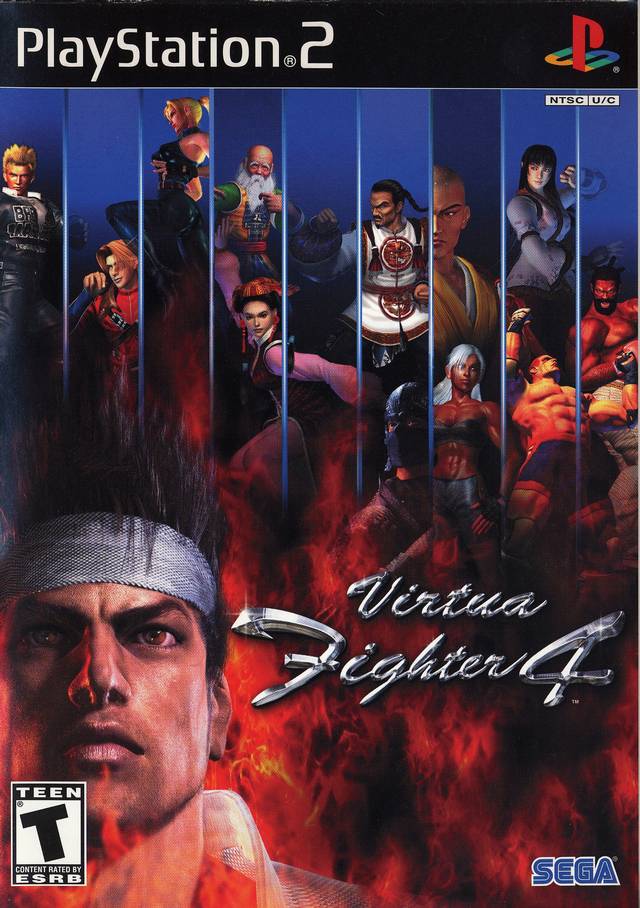
The History of Virtua Fighter 4
The deepest fighter of its generation, sold twice: once at full price, and once, improved, for twenty dollars.
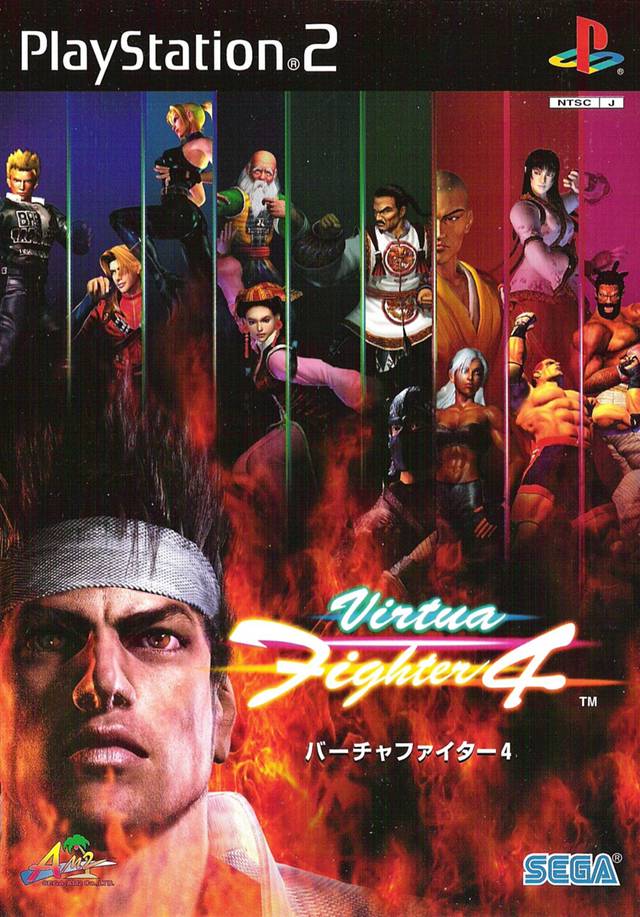
Why Did Virtua Fighter 4: Evolution Launch at a Budget Price?
In America it only ever existed as a Greatest Hits release, so the improved game debuted at $20.
Why Was Virtua Fighter 4's Training Mode So Influential?
It taught the game as a subject: glossary, drills, feedback, and frame data in one mode.
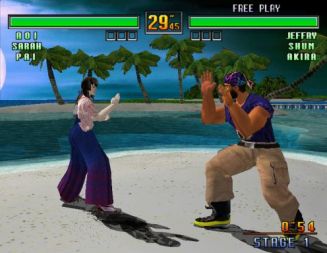
What Is Quest Mode in Virtua Fighter 4: Evolution?
A tour of imaginary arcades, against opponents whose styles were copied from real champions.
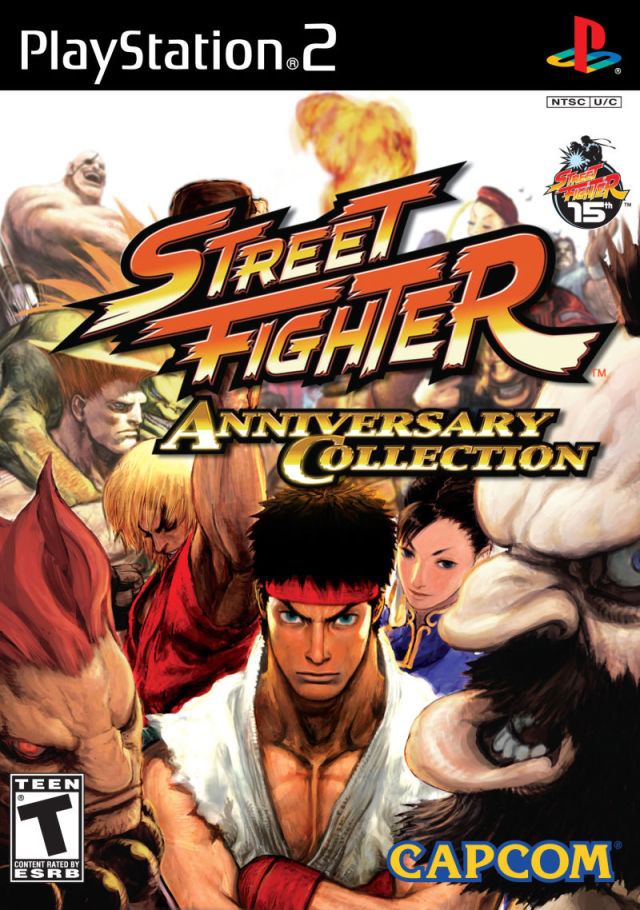
The History of Street Fighter III: 3rd Strike
The 1999 arcade final edition, and its 2004 PlayStation 2 homecoming, standalone in Japan and collected in America.
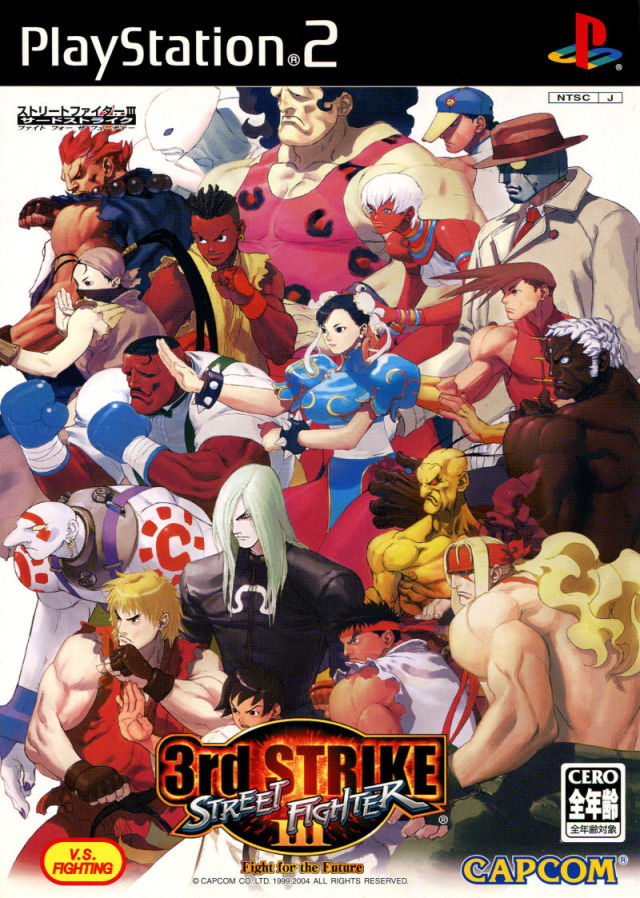
What Is the Parry in Street Fighter III: 3rd Strike?
Defense, played forward: a tap into the blow, timed to the frame, that erases the attack.
What Is the Daigo Parry at Evo 2004?
Fifteen attacks parried at one unit of health: Evo Moment 37, the most famous sequence in competitive gaming.
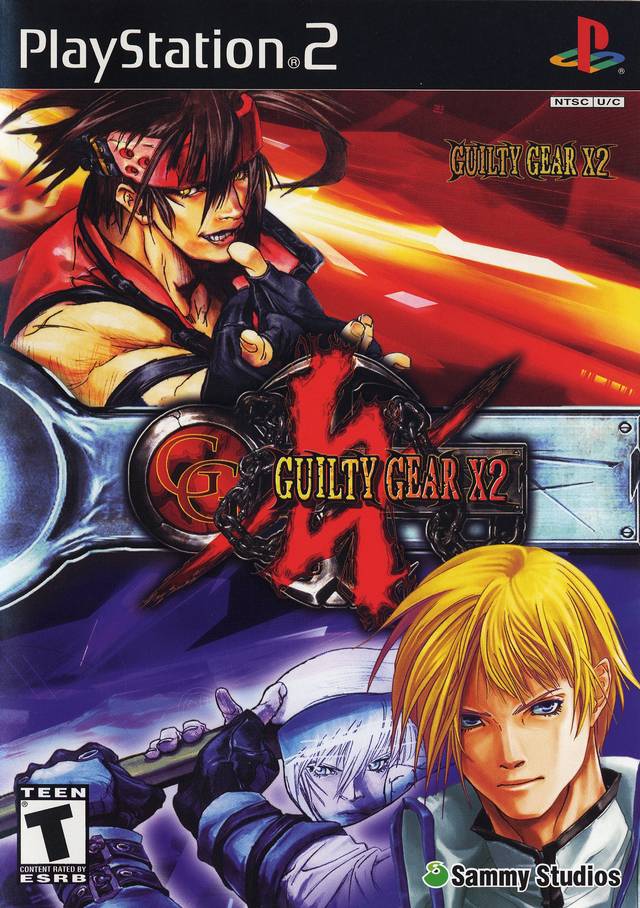
The History of Guilty Gear XX
The 2002 refinement of Arc System Works' anime fighter, and the decade of updates that followed it.
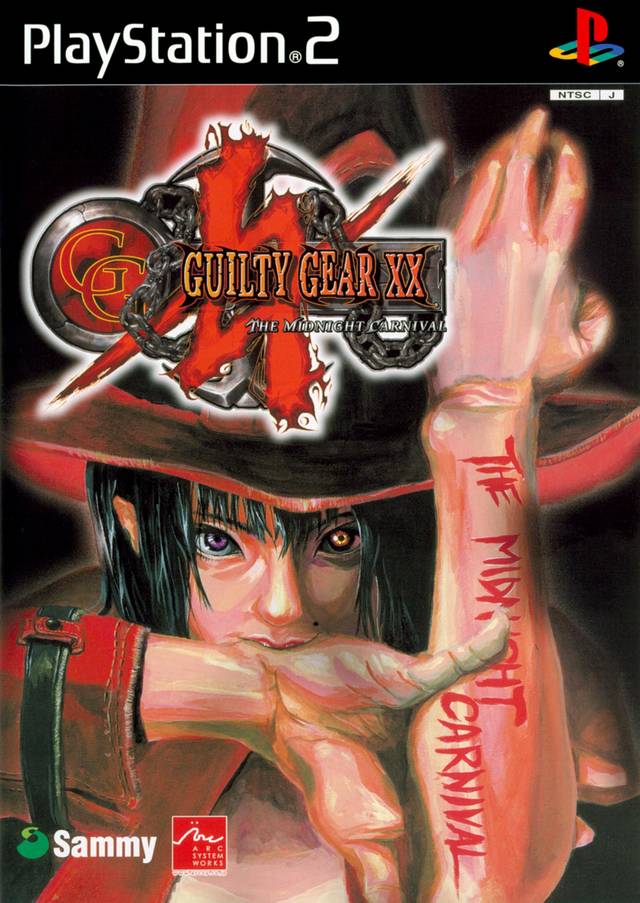
What Are the Versions of Guilty Gear XX?
Reload, Slash, Accent Core, Plus, and Plus R: one game in five documented states over ten years.
What Is a Roman Cancel in Guilty Gear XX?
Half a meter to erase a move's recovery: the system at the center of Guilty Gear's offense.
The History of Def Jam: Fight for NY
The AKI wrestling engine under a fighting game, wearing a record label.
How Did the Def Jam License Shape Def Jam: Fight for NY?
The license supplied the roster, the villain, the soundtrack, and the jewelry economy, and it is why the game cannot be rereleased.
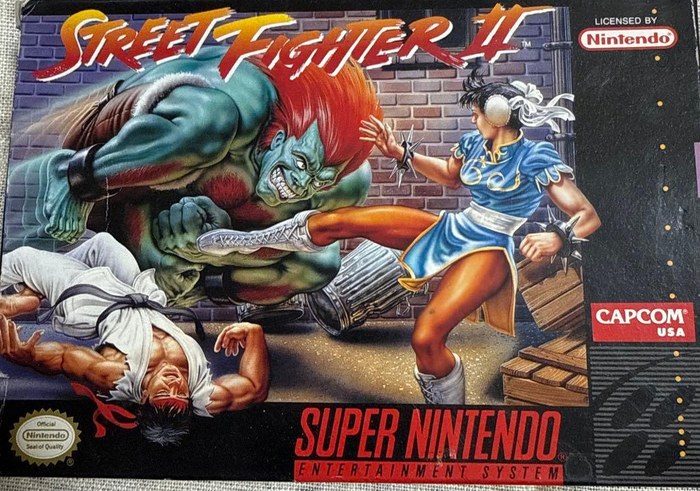
The History of Street Fighter II on Home Consoles
The arcade came home in 1992 and sold the console underneath it: the ports, the cadence, and 14 million cartridges.
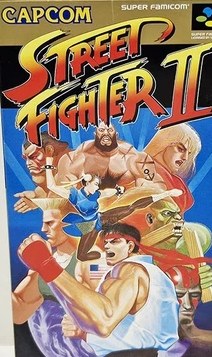
Why Did the SNES Street Fighter II Matter So Much in 1992?
Because for a year, the biggest game on Earth had exactly one home address.
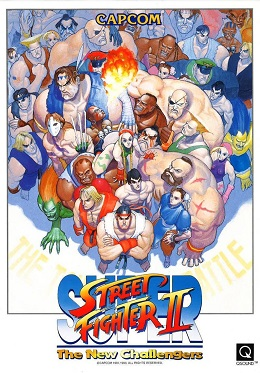
What Did the Genesis Street Fighter II Have to Solve With a Three-Button Pad?
Six attacks, three buttons, and a Start key asked to do a fighter's job.
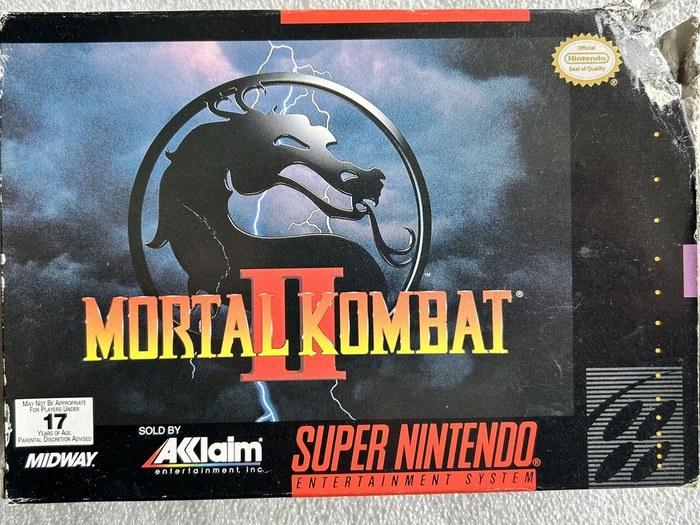
The History of Mortal Kombat II on Home Consoles
The sequel Nintendo let through the door it had barred a year before.
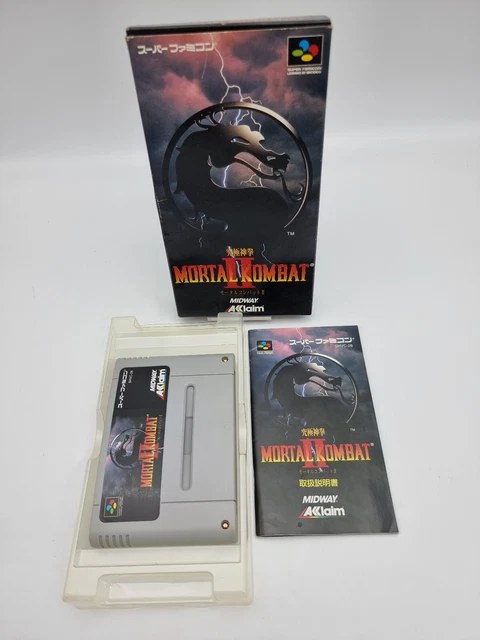
Why Did Nintendo Allow Blood in Mortal Kombat II?
Because the sweat had cost Nintendo a five to one defeat, and a ratings box had just been invented to take the blame instead.
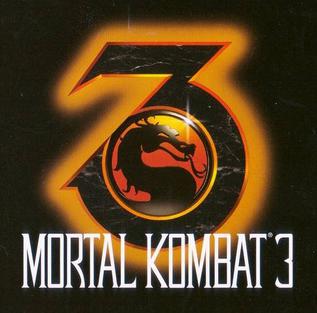
What Were Friendships and Babalities For?
They were the rebuttal: the bloodiest game in the arcade answering its critics with a gift and a baby bottle.
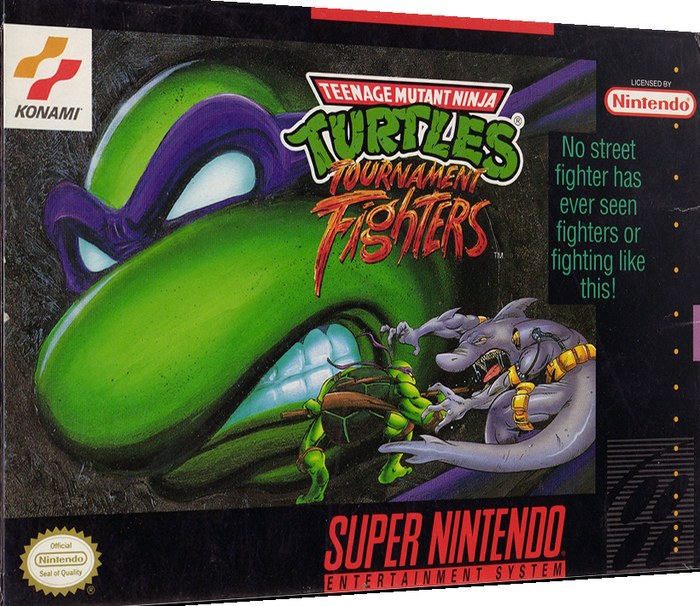
The History of TMNT: Tournament Fighters
One title, three consoles, three different games.
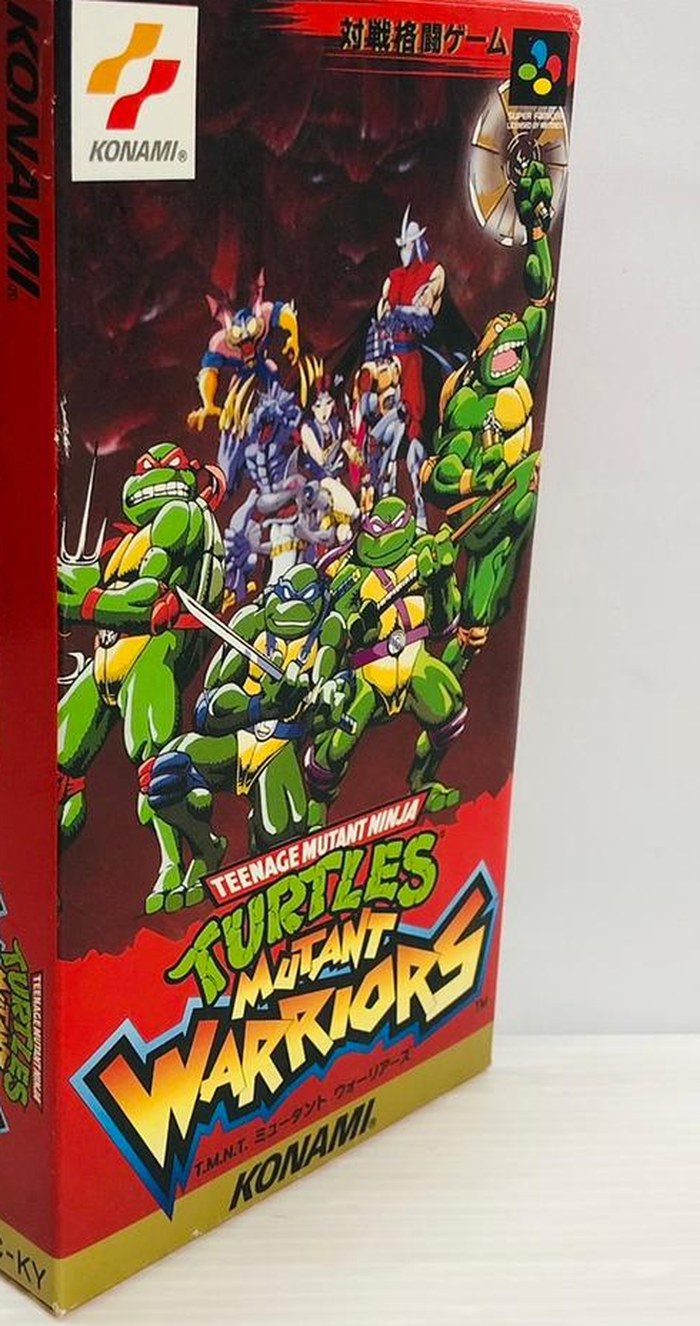
Why Are the Three Tournament Fighters Versions Different Games?
Because they were never one game. Konami built three, and put one name on all of them.
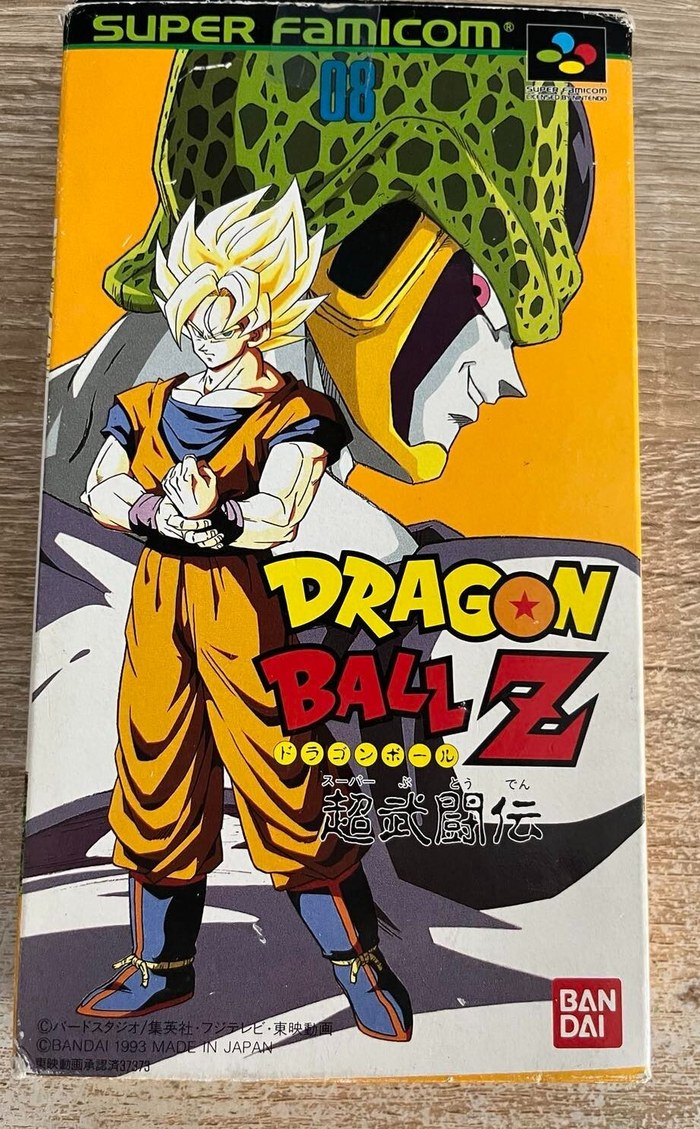
The History of Dragon Ball Z: Super Butoden
The Dragon Ball fighter America never got, years before America knew it wanted it.
Why Did Super Butoden Never Come to America?
Because in 1993, America had not met Goku yet.
How Does Super Butoden's Split-Screen Flight System Work?
It splits the screen, because a Dragon Ball fight refuses to fit in one.
FINAL FANTASY
19 shelves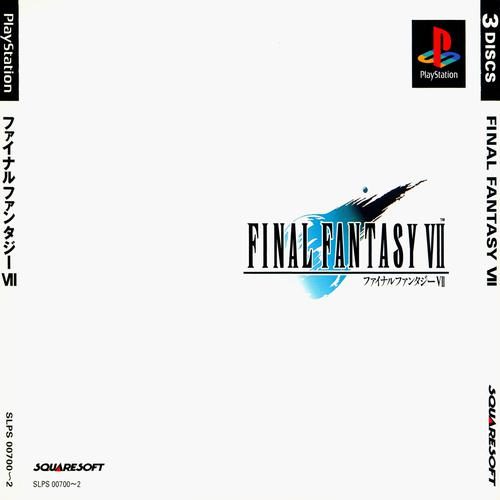
The Final Fantasy Gallery
Two beginnings, ten years apart: the 1987 Famicom original and Final Fantasy VII, each with its Japanese and American covers side by side.
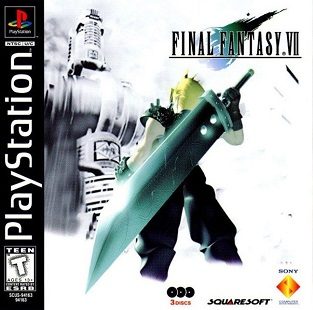
The History of Final Fantasy VII
The move from Nintendo 64 to PlayStation, the full motion video bet, and a 92 on Metacritic.
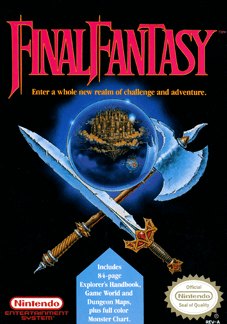
Why is it called Final Fantasy if it never ends?
Not the bankruptcy legend. Hironobu Sakaguchi has debunked it himself, twice.
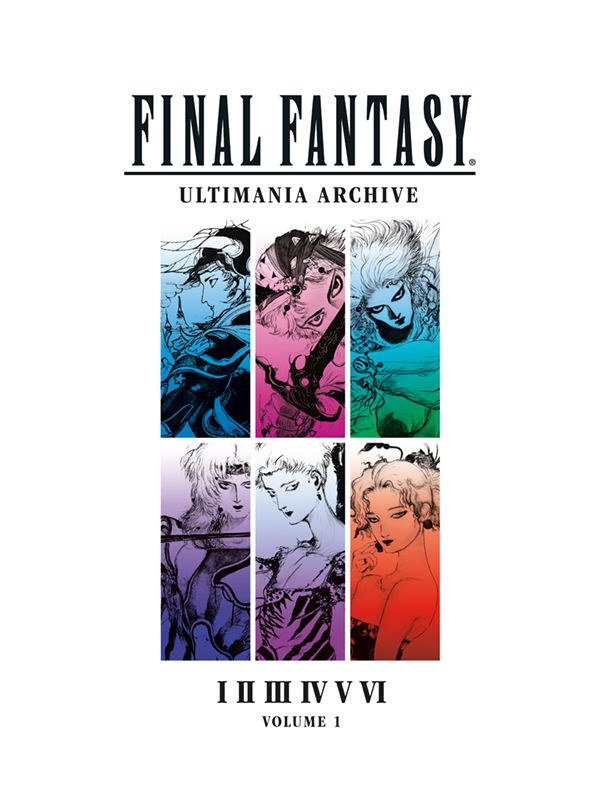
What is the difference between the Final Fantasy Ultimania books and the Ultimania Archive books?
A 75-plus volume Japanese per-game line against a three-volume English archive of one memorial trilogy.
The History of Final Fantasy
Square's seven person A-Team, the side view battle, the Chaos time loop, and two million copies: the 1987 original behind the name.
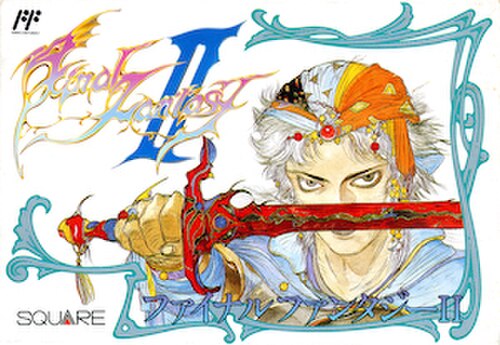
The History of Final Fantasy II
The Japan only sequel that threw out experience points, debuted the chocobo and Cid, and divided its players for good.
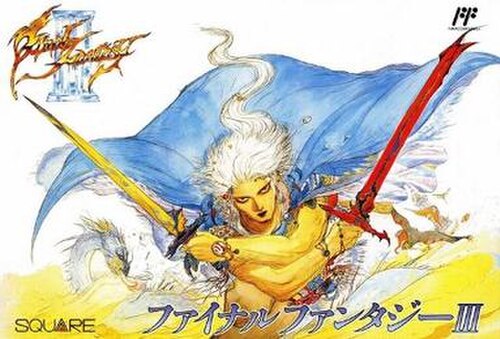
The History of Final Fantasy III
The job system, the largest cartridge on the Famicom, 1.4 million copies at home, and a sixteen year wait for the West.
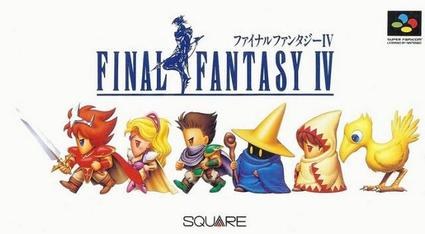
The History of Final Fantasy IV
The first 16-bit Final Fantasy: Active Time Battle debuts, Cecil earns the light, and America gets the game as Final Fantasy II.
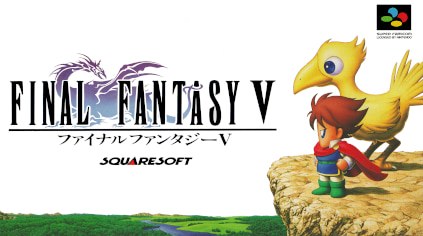
The History of Final Fantasy V
The job system's deepest cut, Sakaguchi's favorite, and the masterpiece Japan kept to itself for seven years.
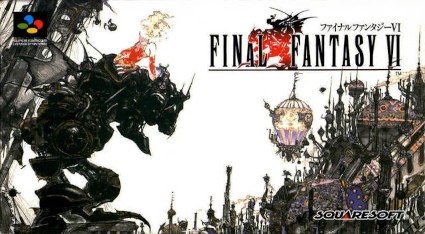
The History of Final Fantasy VI
Kitase and Ito's ensemble epic: fourteen heroes, a world that ends halfway, and the last 2D mainline game, sold in America as Final Fantasy III.
Why does Final Fantasy VI have an opera scene?
Kitase wrote it into the scenario, Uematsu composed the aria, and the sound chip could not sing it, so it almost did.
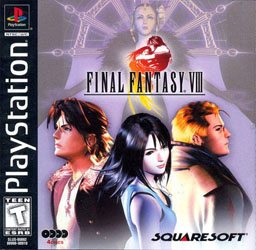
The History of Final Fantasy VIII
Kitase follows a phenomenon: the Draw and Junction system, Eyes on Me, 2.21 million copies in a day in Japan, and reviews that were all over the place.
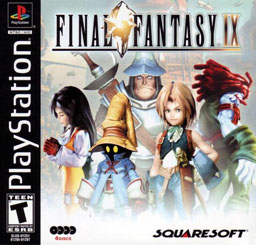
The History of Final Fantasy IX
Sakaguchi's reflection on the series, made in Hawaii: the highest Metacritic score in Final Fantasy, and sales that ran behind the reviews.
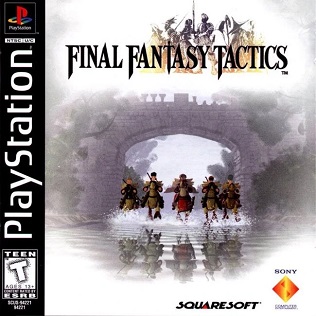
The History of Final Fantasy Tactics
Matsuno brings the Ogre Battle team to Square and invents Ivalice: a tactical RPG about class, buried history, and a million copies in Japan in year one.
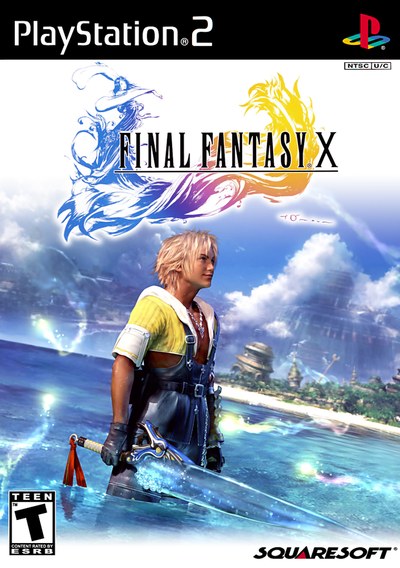
Final Fantasy X (2001)
The History: 100 people, 4 billion yen, the first voiced Final Fantasy, and a 92 on Metacritic.
Final Fantasy XII (2006)
The History: Gambits, a perfect Famitsu score, and the Zodiac Job System the West waited a decade for.
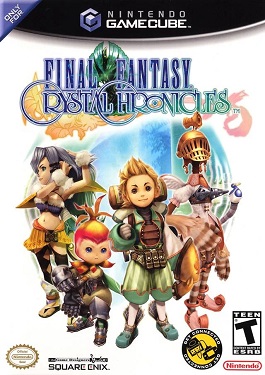
The History of Final Fantasy Crystal Chronicles
Square returns to Nintendo through a shell company: the caravan, the Miasma, and over 1.3 million copies shipped.
Why did Final Fantasy Crystal Chronicles need Game Boy Advances for multiplayer?
Producer Akitoshi Kawazu built the game around the link cable, for private screens and hidden information. His reasons, on the record.
How did Final Fantasy music get its own concert tours?
A limited audience orchestral suite in 1989, a sold out Tokyo concert in 2002, then Dear Friends in America and the Distant Worlds world tour.
FIRE EMBLEM
20 shelves
Why was Fire Emblem: Awakening almost the last Fire Emblem game?
Producer Hitoshi Yamagami on the record: the 250,000 copy threshold, the culmination the team built under it, and the 242,600 copy first week that cleared it.
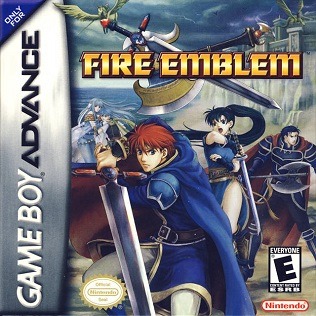
Why did Fire Emblem stay in Japan for thirteen years?
Six games stayed home on text, difficulty, and expected sales, until Advance Wars and Marth and Roy in Melee changed Nintendo's mind.
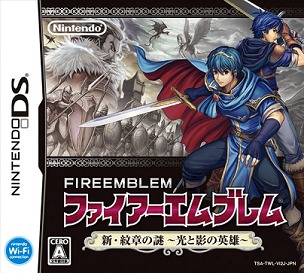
Why does Fire Emblem have permadeath, and why did Casual mode arrive?
Kaga in 1990, on gravity and seriousness, and the four month staff argument that added the off switch in 2010 and carried it worldwide in Awakening.
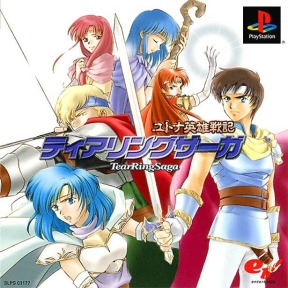
What did Shouzou Kaga do after Fire Emblem?
Tirnanog, Tear Ring Saga on PlayStation, a 76 million yen court fine with no copyright breach, Berwick Saga, and a free game in 2016.
Fire Emblem's Two Eras: The Kaga Years and What Came After
Fire Emblem's two eras: Shouzou Kaga headed the first five games (1990 to 1999) before leaving Intelligent Systems; Tohru Narihiro, Kouhei Maeda, supports, the…
The Archanea Games
The Archanea games documented: Shadow Dragon and the Blade of Light (1990), Mystery of the Emblem (1994), the Satellaview Archanea Saga (1997), the DS remakes,…
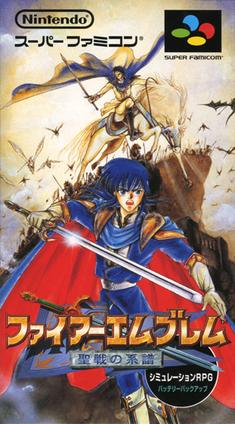
The Jugdral Games
The Jugdral games: Genealogy of the Holy War (Super Famicom, May 14, 1996) with its two generations, weapon triangle and love system, and Thracia 776 (1999),…
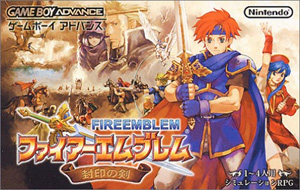
The Elibe Games
The Elibe games: The Binding Blade (GBA, March 29, 2002), Roy's Japan-only sequel-generation war, and its prequel The Blazing Blade (2003), the first Fire Emblem…
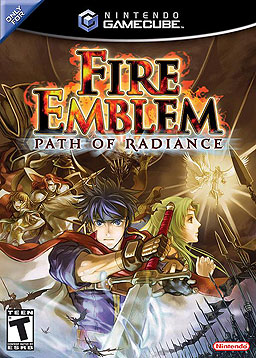
The Tellius Games
The Tellius games: Path of Radiance (GameCube, April 20, 2005), Ike and the laguz war, and Radiant Dawn (Wii, February 22, 2007), its multi-army sequel with a…
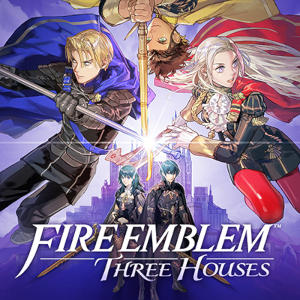
The Fódlan Games
The Fódlan games: Three Houses (Switch, July 26, 2019), the Koei Tecmo co-developed monastery epic and the series' best-selling single entry, and Warriors: Three…
How Melee Brought Fire Emblem West
Marth and Roy in Super Smash Bros. Melee (2001): the documented near-removal from the Western version, Nintendo of America's decision to keep them, Roy's debut…
What Did Awakening Change?
What Awakening changed, distinct from its sales rescue: Pair Up, roster-wide marriage and children revived from Genealogy, Robin the Avatar, Casual mode going…
The Weapon Triangle and Durability
The weapon triangle (swords, axes, lances) and trinity of magic, introduced together in Genealogy of the Holy War (1996), the Fates color reorganization,…
Who Designed Fire Emblem's Characters?
Fire Emblem's character designers era by era: Katsuyoshi Koya (Mystery, Genealogy), Mayumi Hirota (Thracia), Kaneda and Wada (GBA), Senri Kita (Tellius),…
How Much Money Has Fire Emblem Heroes Made?
Fire Emblem Heroes' economics from Sensor Tower estimates, carefully dated: almost $300M in year one, $656M by January 2020, $1B crossed in Q1 2022 (a Nintendo…
What Fire Emblem Manga Are There?
Fire Emblem manga documented: Hasha no Tsurugi (Hiroshi Izawa and Kotaro Yamada, Monthly Shonen Jump 2001 to 2005, 45 chapters, 11 volumes, JUMP REMIX reissue),…
Which Fire Emblem Games Never Came West?
The Fire Emblem games never released in the West: Gaiden (until its Echoes remake), Mystery of the Emblem, Genealogy of the Holy War, Thracia 776, The Binding…
How Many Fire Emblem Games Are There?
How many Fire Emblem games: eighteen core entries (fifteen originals, three remakes) from 1990 to Fortune's Weave (2026), counted by hardware era, plus the…
FIST OF THE NORTH STAR
21 shelves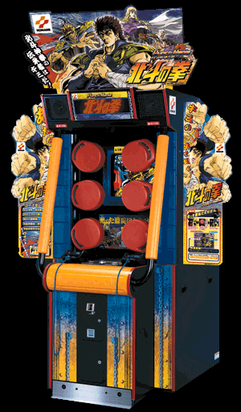
The Hokuto no Ken arcade games
Hokuto no Ken in the arcade: Konami's Punch Mania / Fighting Mania (2000), the punch-pad cabinet that made the player the successor, and Arc System Works' 2005…
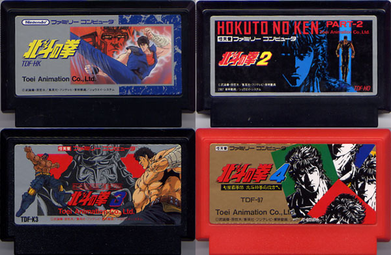
The Hokuto no Ken Famicom games
Toei Animation's eight Nintendo games of Hokuto no Ken: the four Famicom titles (1986 to 1991), the NES Fist of the North Star by Taxan, the Game Boy's 10 Big…
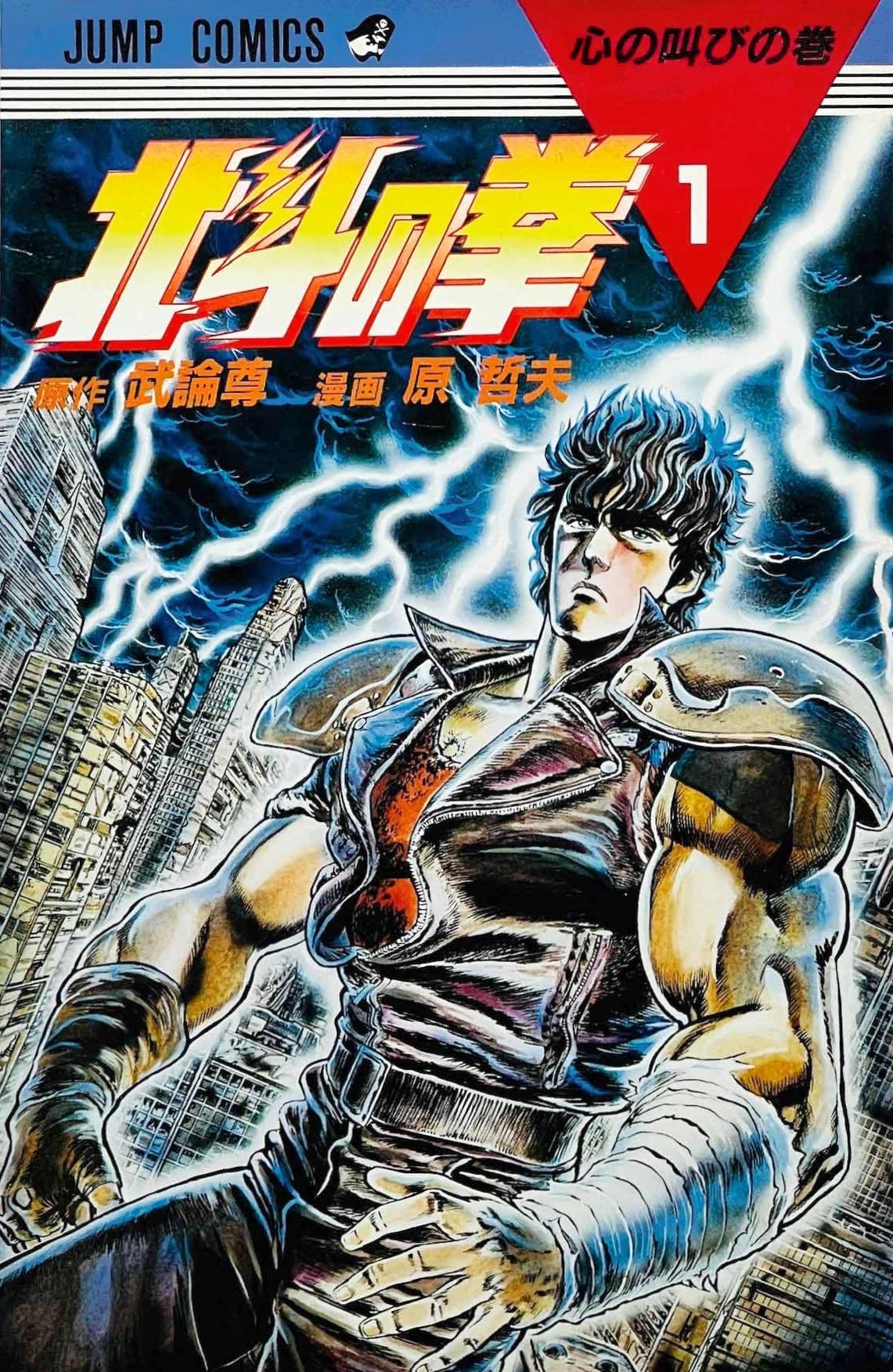
The Hokuto no Ken manga gallery: all 27 Jump Comics covers
All 27 original Jump Comics covers of Hokuto no Ken (Fist of the North Star), Shueisha 1984 to 1989, painted by Tetsuo Hara, verified volume by volume with…
How can you tell a first printing of Hokuto no Ken?
How to identify first printings of the Hokuto no Ken Jump Comics volumes: the Shueisha imprint and ISBN blocks, the colophon printing line, matching the release…
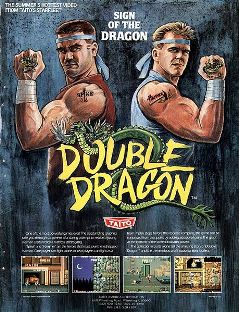
How did Hokuto no Ken influence video games?
Hokuto no Ken's influence on video games: Double Dragon's wasteland, the fatality finishing move Mortal Kombat inherited, the Famicom Shinken column and Yuji…

How does Tetsuo Hara draw Hokuto no Ken?
Tetsuo Hara's method on Hokuto no Ken: twenty pages a week, painted covers, death cries invented as comedy, an editor who never praised him, and the eye disease…
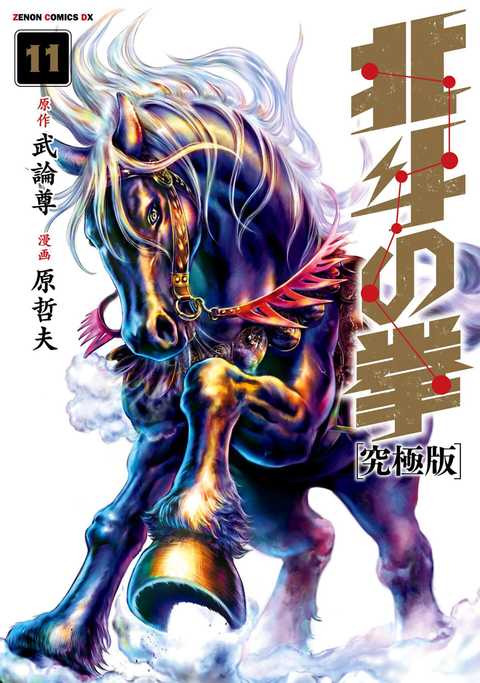
How many editions of Hokuto no Ken are there?
The Japanese editions of Hokuto no Ken counted and explained: 27 Jump Comics volumes, the 15-volume aizoban and bunkoban, the 31-volume Bunch World set, the…
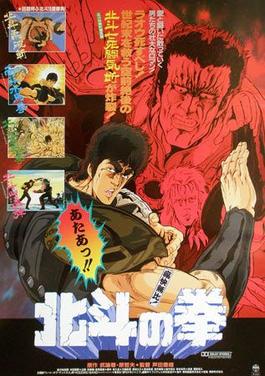
How was the Hokuto no Ken anime censored?
How the Hokuto no Ken anime was censored: the TV series' toned-down, discolored violence, the complaints in Japan and France, the 1986 film's ultra-violence and…
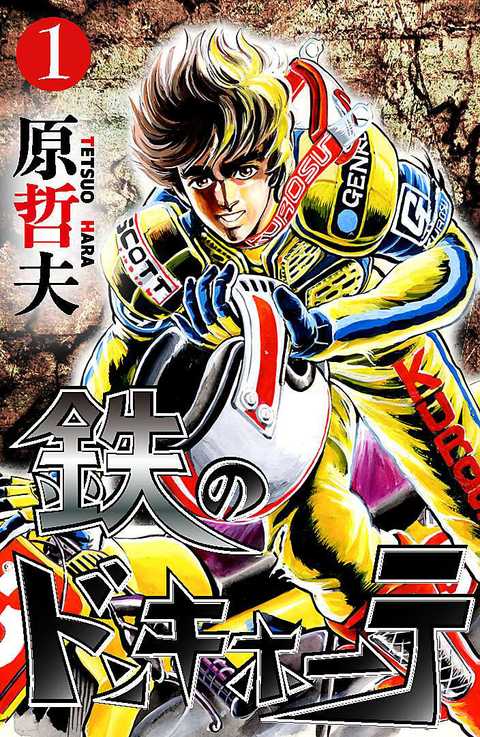
The history of Hokuto no Ken
From two Fresh Jump one-shots in 1983 to a five-year Weekly Shonen Jump run, 27 Jump Comics volumes, 152 anime episodes and over 100 million copies: the…
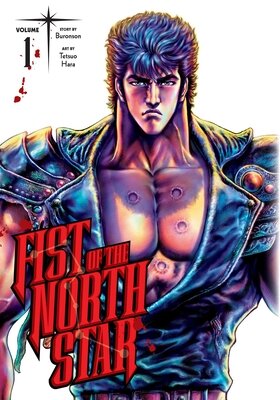
What are the English editions of Fist of the North Star?
The three English editions of Fist of the North Star: Viz Communications' unfinished monthly comics of 1989 to 1997, Gutsoon's colorized Master Edition (nine…
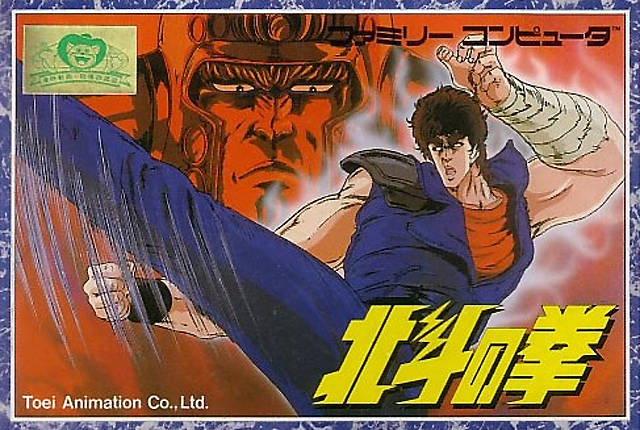
What Fist of the North Star video games are there?
The Fist of the North Star games counted: from Enix's 1986 PC adventure and the Sega and Famicom games of the 1980s, through the Arc System Works arcade fighter…
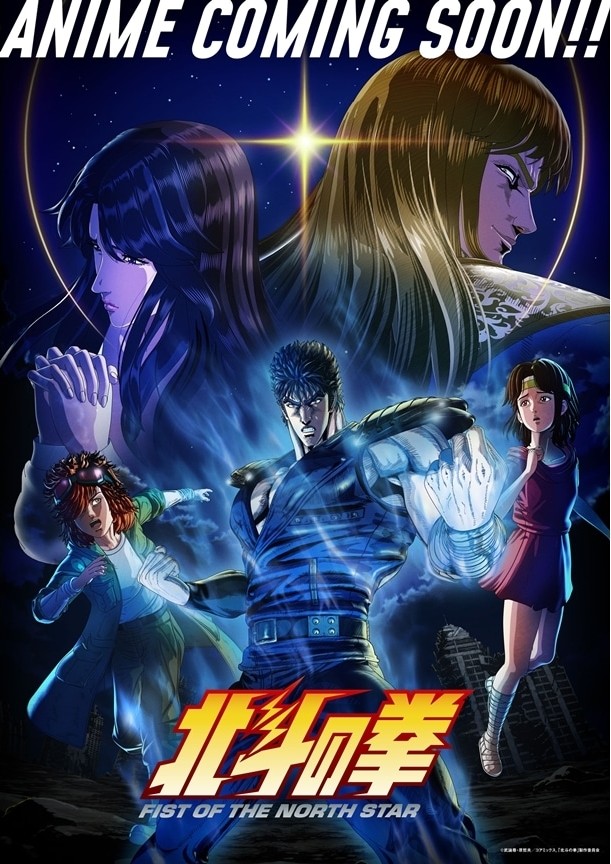
What Hokuto no Ken anime came after the TV series?
The Hokuto no Ken anime after the 1984 TV series: the 1986 film, New Fist of the North Star (2003), the Legends of the True Savior films and OVAs (2006 to 2008),…
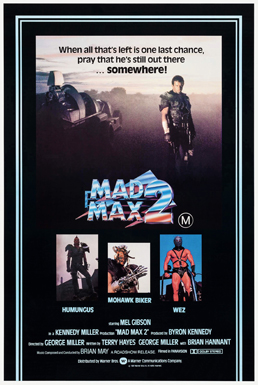
What inspired Hokuto no Ken?
The documented inspirations of Hokuto no Ken: Mad Max 2 and Blade Runner, Katsuhiro Otomo's Akira, Bruce Lee and Yusaku Matsuda, an acupressure anecdote found in…
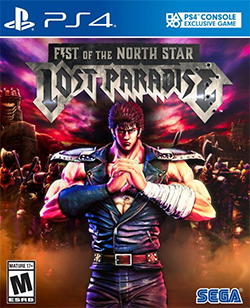
What is Fist of the North Star: Lost Paradise?
Fist of the North Star: Lost Paradise (Hokuto ga Gotoku, 2018): Ryu Ga Gotoku Studio's PS4 action adventure, an original story in the city of Eden, Yakuza's…
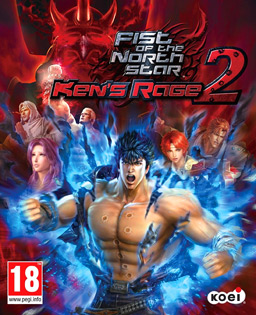
What is Hokuto no Ken: Ken's Rage?
Fist of the North Star: Ken's Rage (Hokuto Musou, 2010) and Ken's Rage 2 (Shin Hokuto Musou, 2012): Koei Tecmo's Dynasty Warriors treatment of the manga,…
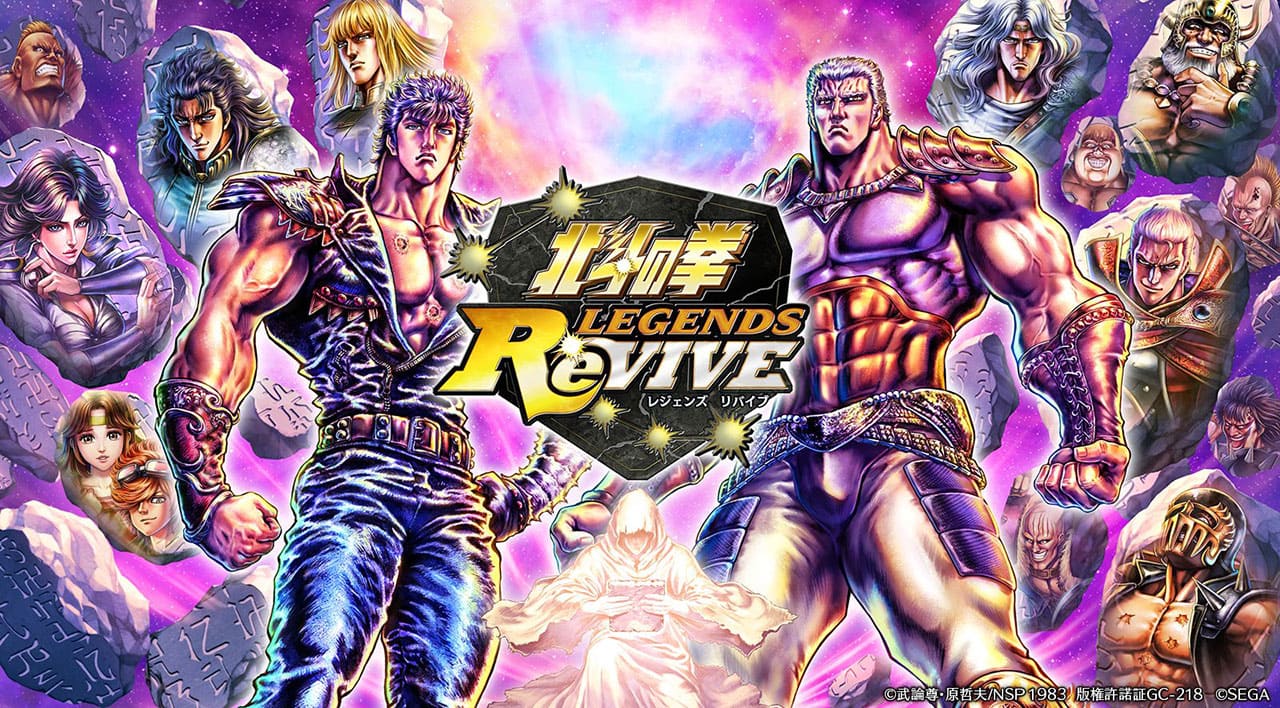
What is Hokuto no Ken LEGENDS ReVIVE?
Fist of the North Star LEGENDS ReVIVE: Sega's mobile action RPG, launched worldwide September 5, 2019 for iOS and Android, retelling the manga from chapter one…

What is Hokuto Shinken?
Hokuto Shinken explained: the 1,800-year-old assassination art of Hokuto no Ken, its 708 secret channeling points (keiraku hiko), the single-successor rule,…
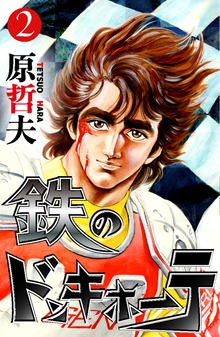
What is the Hokuto no Ken pilot?
The two Hokuto no Ken prototype one-shots Tetsuo Hara published in Fresh Jump in April and June 1983: a present-day Kenshiro Kasumi, the Taizanji Kenpo…
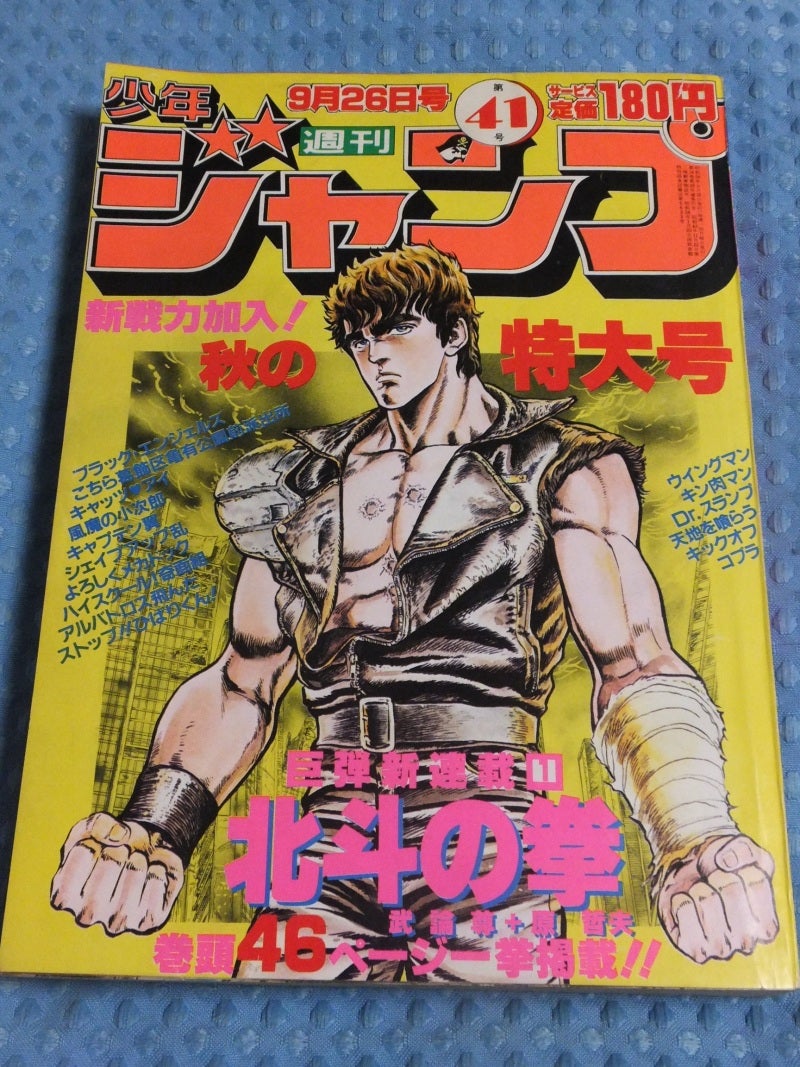
Which Weekly Shonen Jump issues have Hokuto no Ken on the cover?
The verified Weekly Shonen Jump cover appearances of Hokuto no Ken: the 1983 issue 41 debut, the 1985 New Year double issue, and the all-Hokuto special of 1986,…
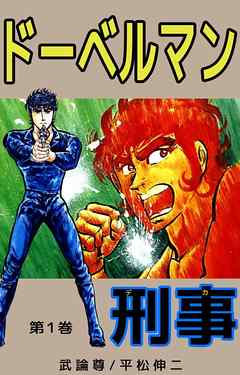
Who is Buronson, the writer of Hokuto no Ken?
Buronson is Yoshiyuki Okamura (born 1947): Air Self-Defense Force radar mechanic, Hiroshi Motomiya's assistant, the Charles Bronson nickname, Doberman Deka, Fist…
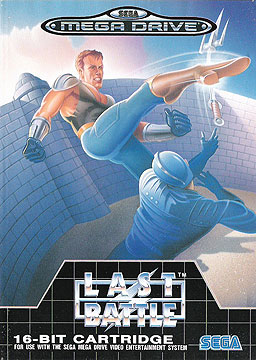
Why are Black Belt and Last Battle Hokuto no Ken games?
Black Belt (Master System) and Last Battle (Genesis) are Sega's Hokuto no Ken games with the license stripped: what Sega changed in 1986 and 1989, Kenshiro…
FRIEREN
17 shelves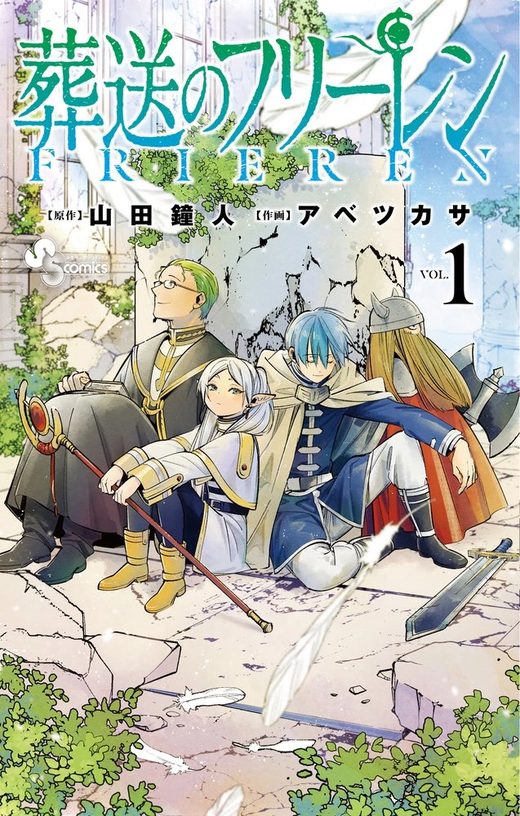
The Frieren Manga Gallery
Every Japanese tankobon cover of Frieren: Beyond Journey's End, volumes 1 to 15, Shogakukan Shonen Sunday Comics, with volume 1 shown beside its Viz Media…
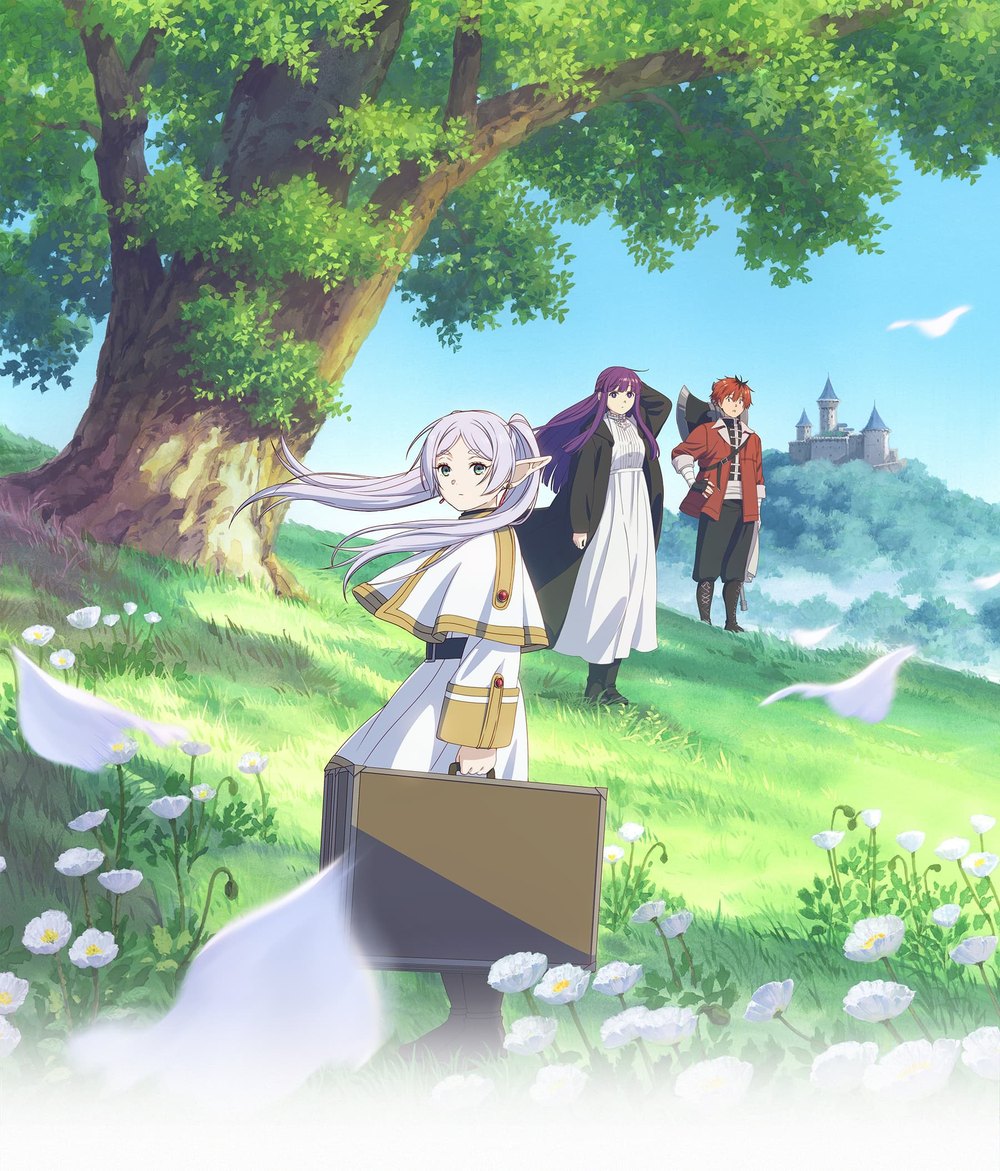
The History of Frieren: Beyond Journey's End
The history of Frieren: Beyond Journey's End, from the April 2020 Weekly Shonen Sunday debut to 35 million copies, a landmark Madhouse anime, and the 2026 second…
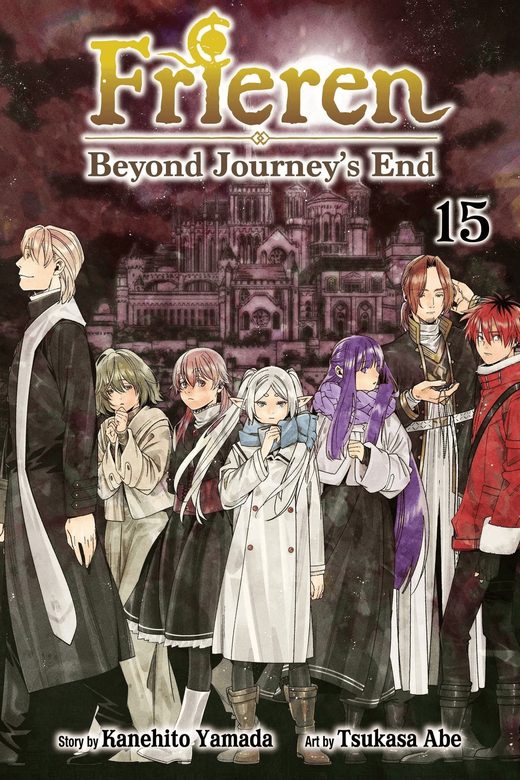
How many Frieren books are there?
How many Frieren books there are: 15 Japanese tankobon volumes and 147 chapters as of December 2025, with Viz Media English editions, the anthology, fanbook and…
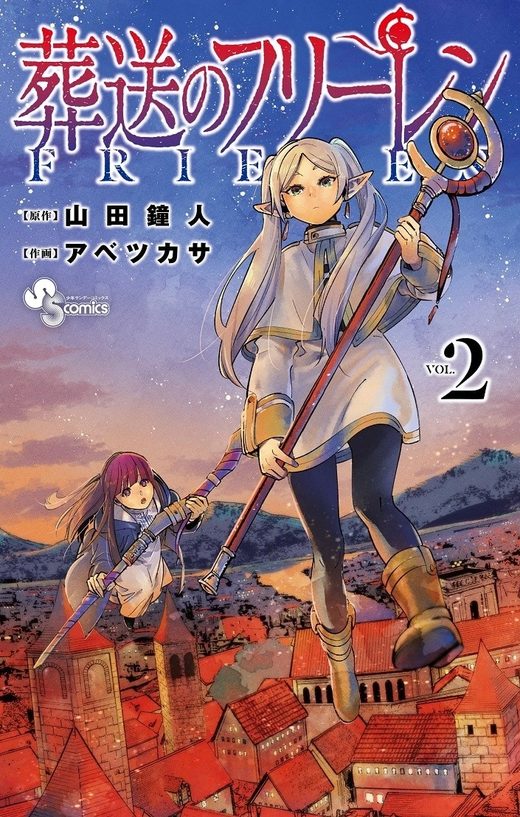
Who writes and draws Frieren?
Who writes and draws Frieren: Kanehito Yamada writes and Tsukasa Abe draws, a pairing arranged by the Weekly Shonen Sunday editors after Yamada's solo work…
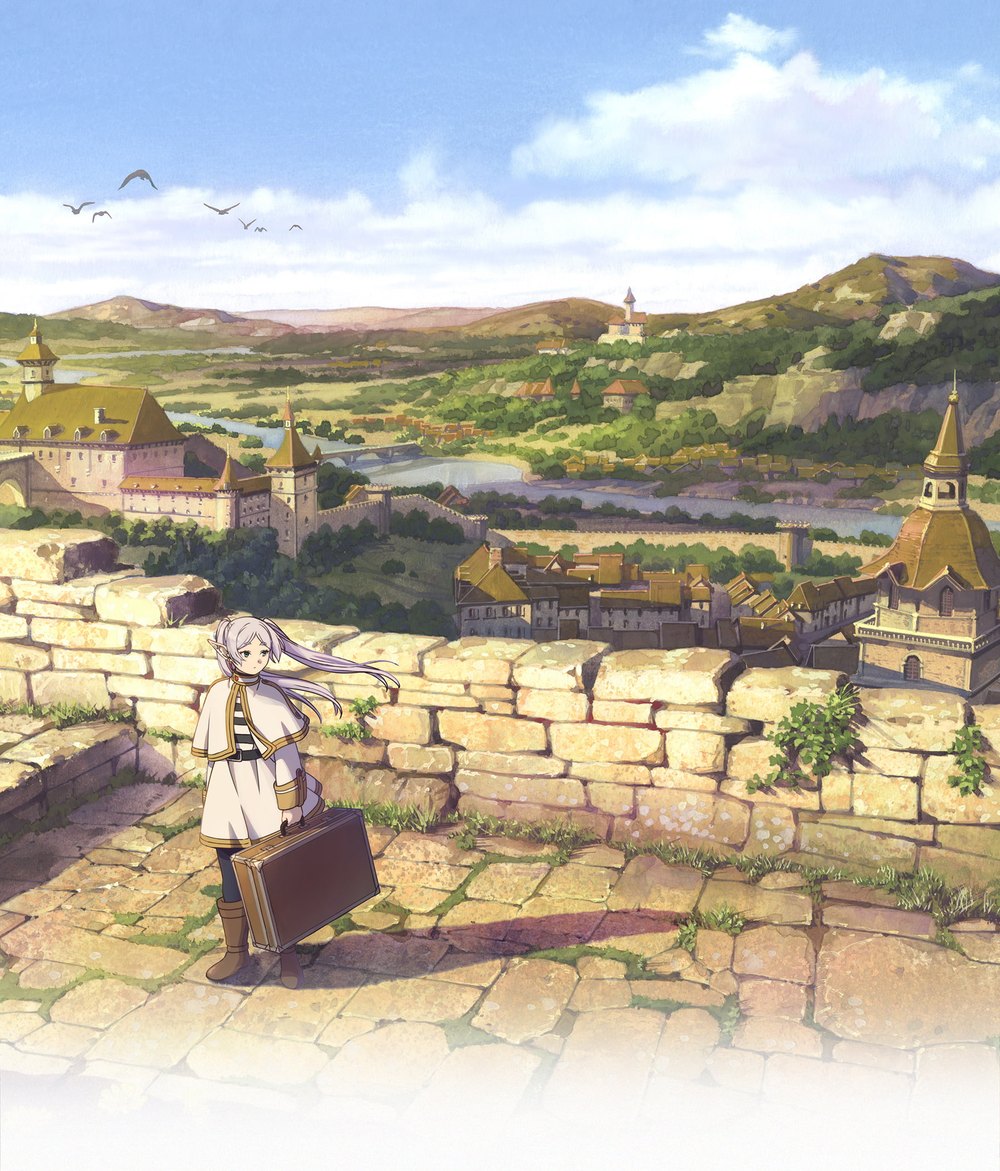
How did Frieren begin?
How Frieren began: as storyboards for a gag manga that turned out not to be a comedy at all, rescued by an editor who had believed in Kanehito Yamada's unsold…
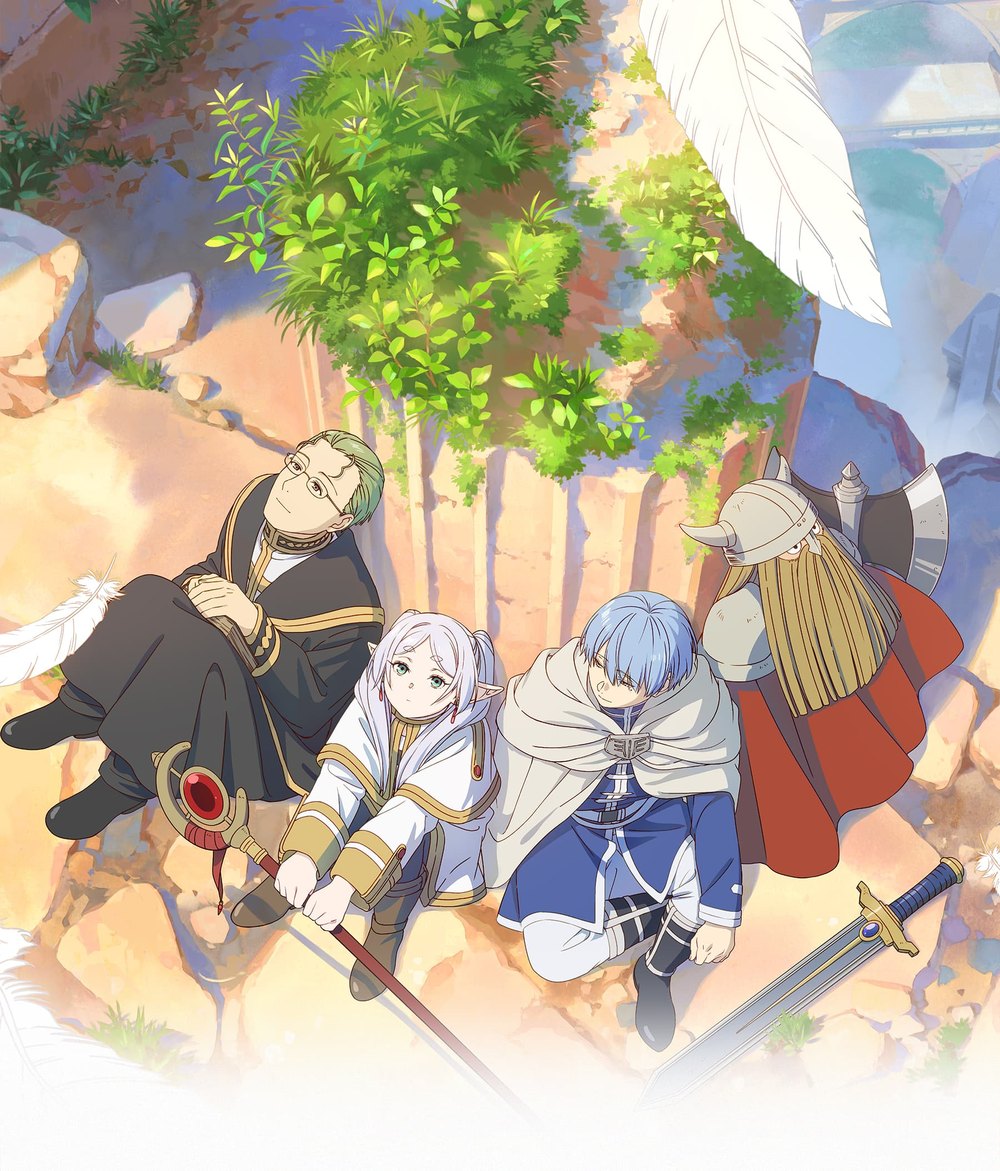
Frieren and the hero party
Frieren and the hero party: Himmel, Heiter and Eisen, the companions whose ten-year quest ended before the story began, and whose memories structure every arc of…
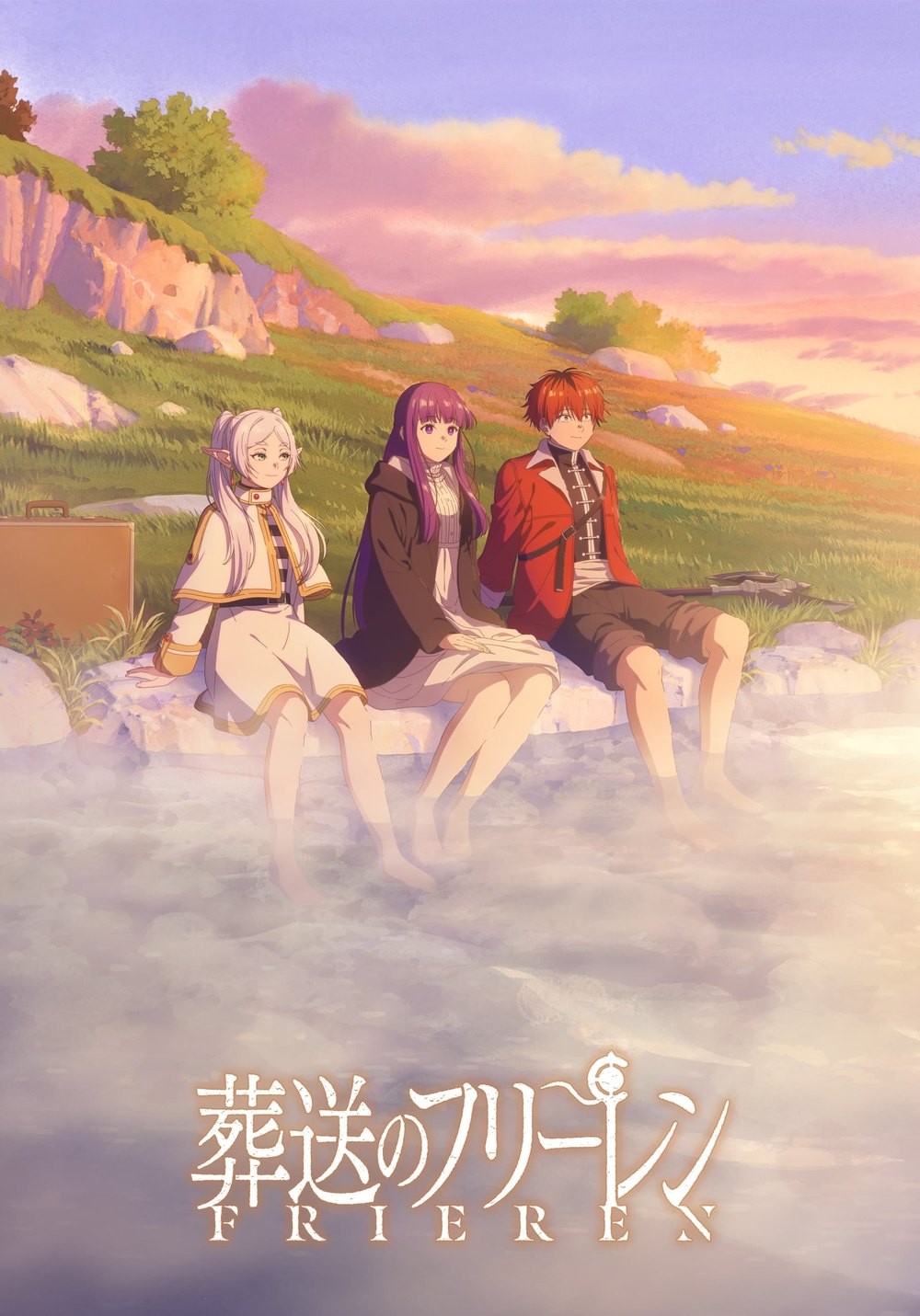
Fern, Stark and Sein: Frieren's new party
Fern, Stark and Sein in Frieren: how the new party was assembled one inheritance at a time, Heiter's apprentice, Eisen's apprentice, and a priest who joined late…
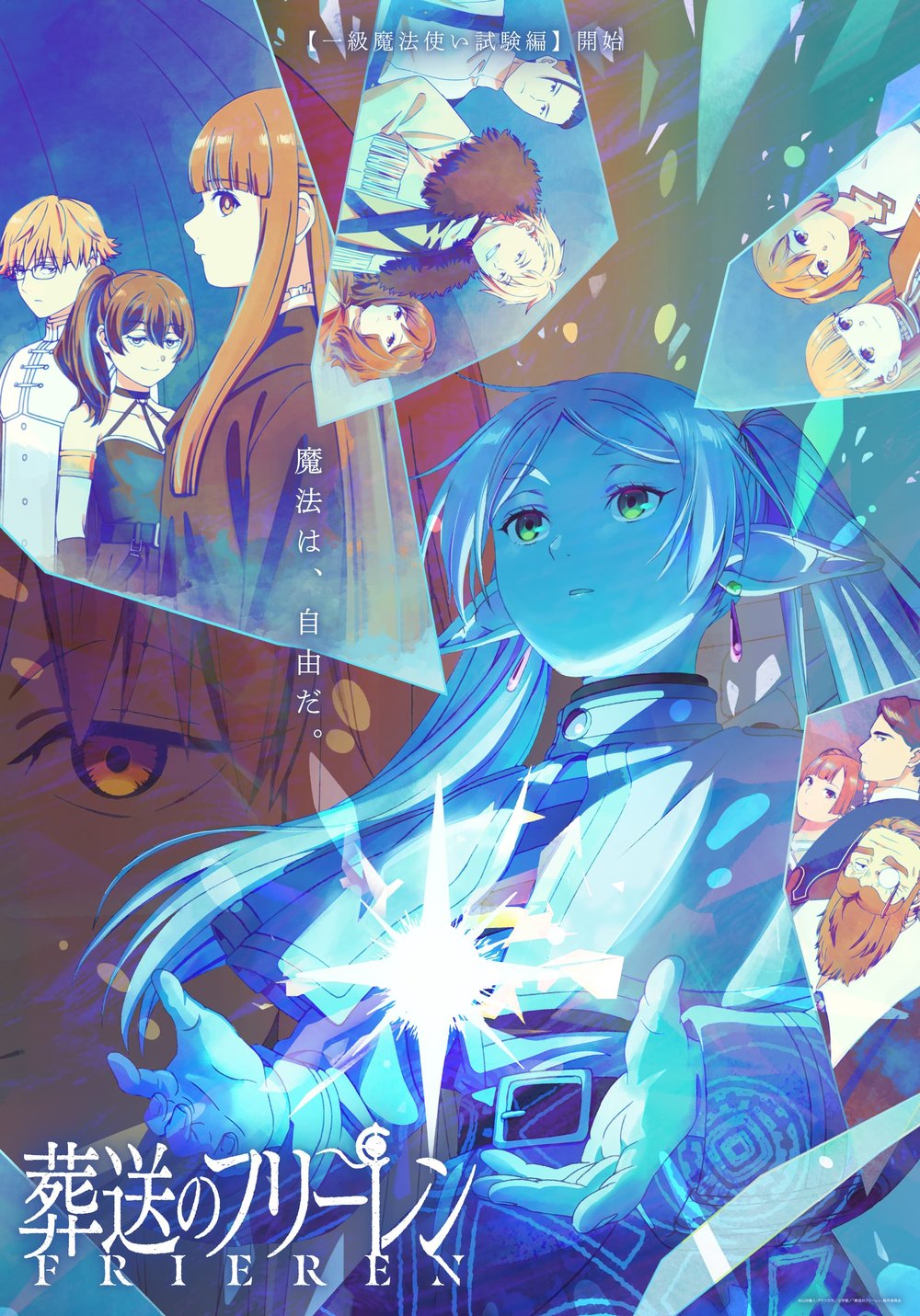
How was the Frieren anime made?
How the Frieren anime was made: Madhouse, director Keiichiro Saito, scripts by Tomohiro Suzuki, designs by Reiko Nagasawa, and a second season under Tomoya Kitagawa.
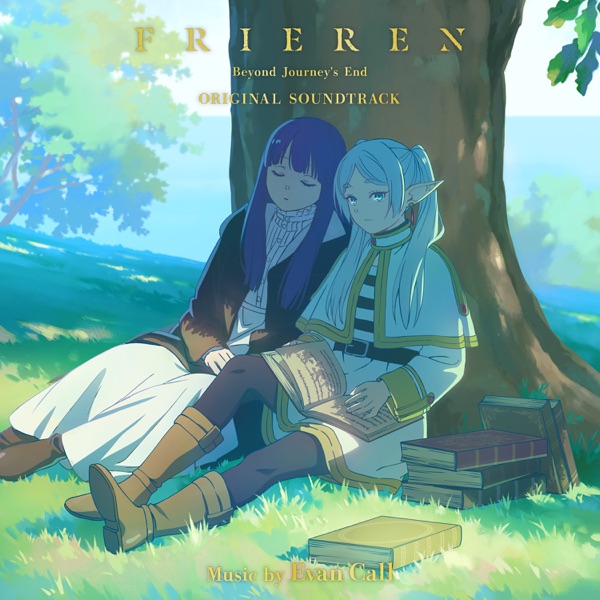
Evan Call and the music of Frieren
Evan Call and the music of Frieren: a two-disc, seventy-track soundtrack recorded with Hungarian musicians, plus YOASOBI's Yusha and milet's Anytime Anywhere.
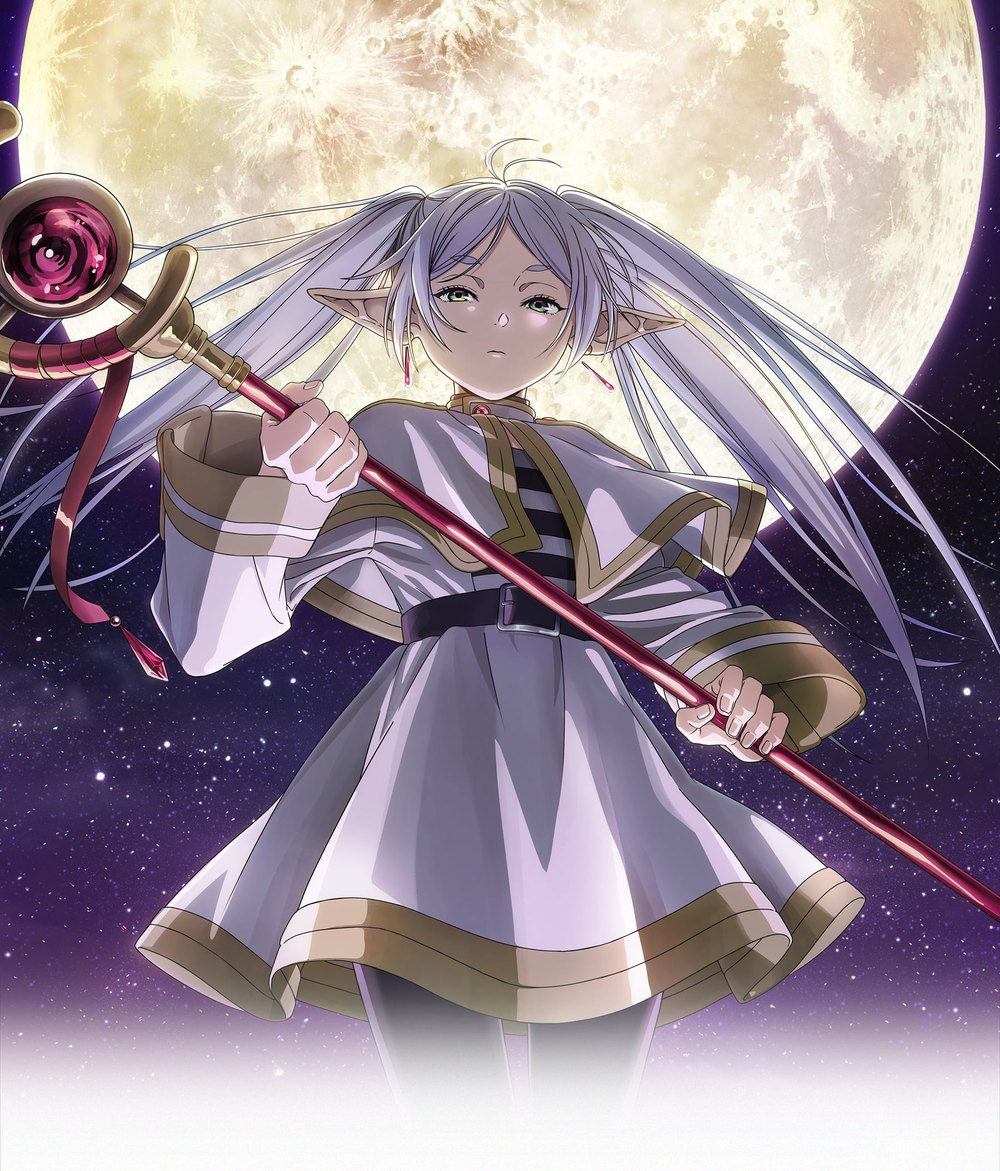
Why did Frieren premiere with four episodes?
Why Frieren premiered with four episodes: a two-hour special on September 29, 2023 in Nippon TV's Kin'yo Road Show, the first television anime ever to open in…
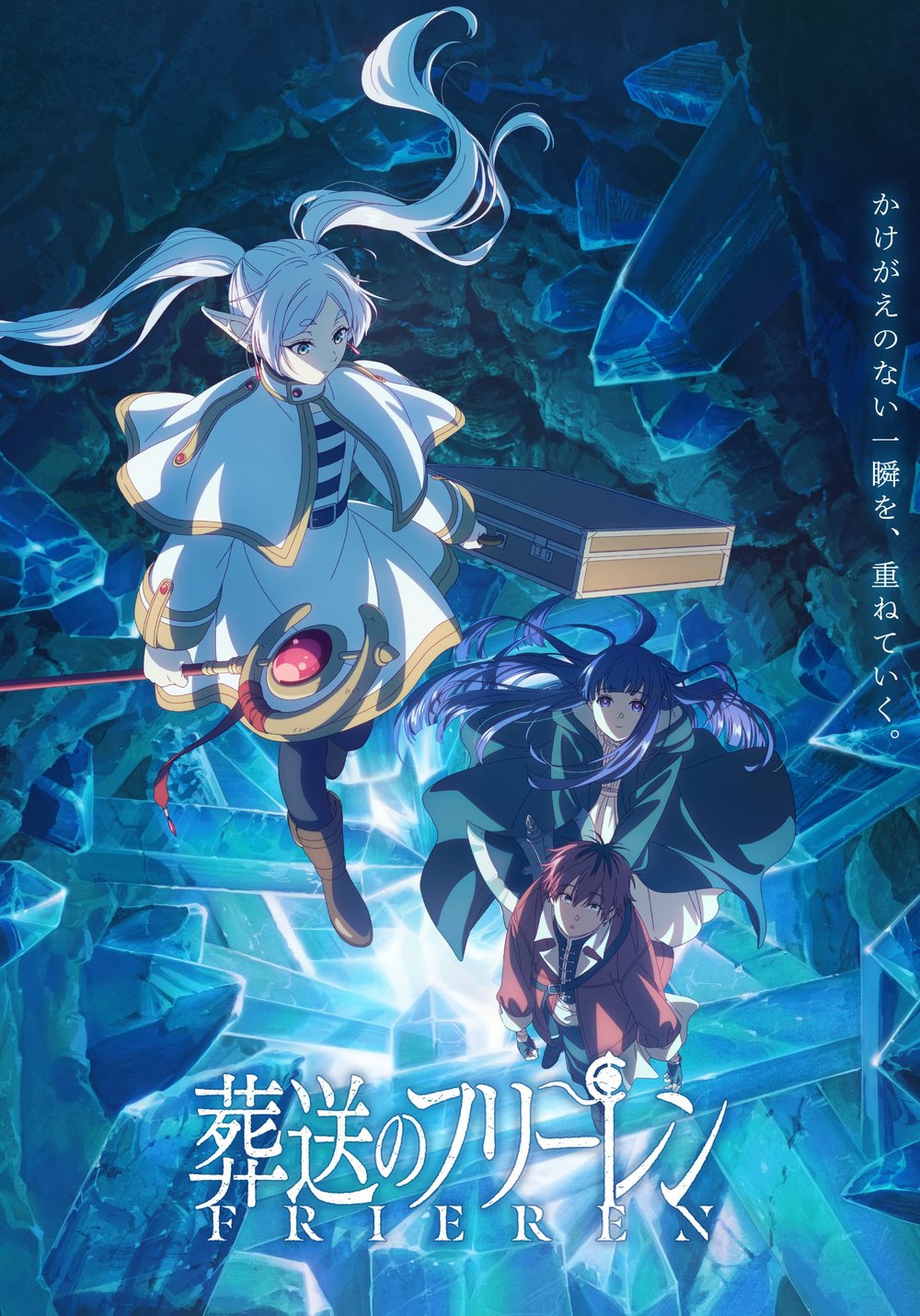
Why is Frieren ranked number one?
Why Frieren is ranked number one: the Madhouse anime dethroned Fullmetal Alchemist: Brotherhood on MyAnimeList and held the top for an extended run, scoring…
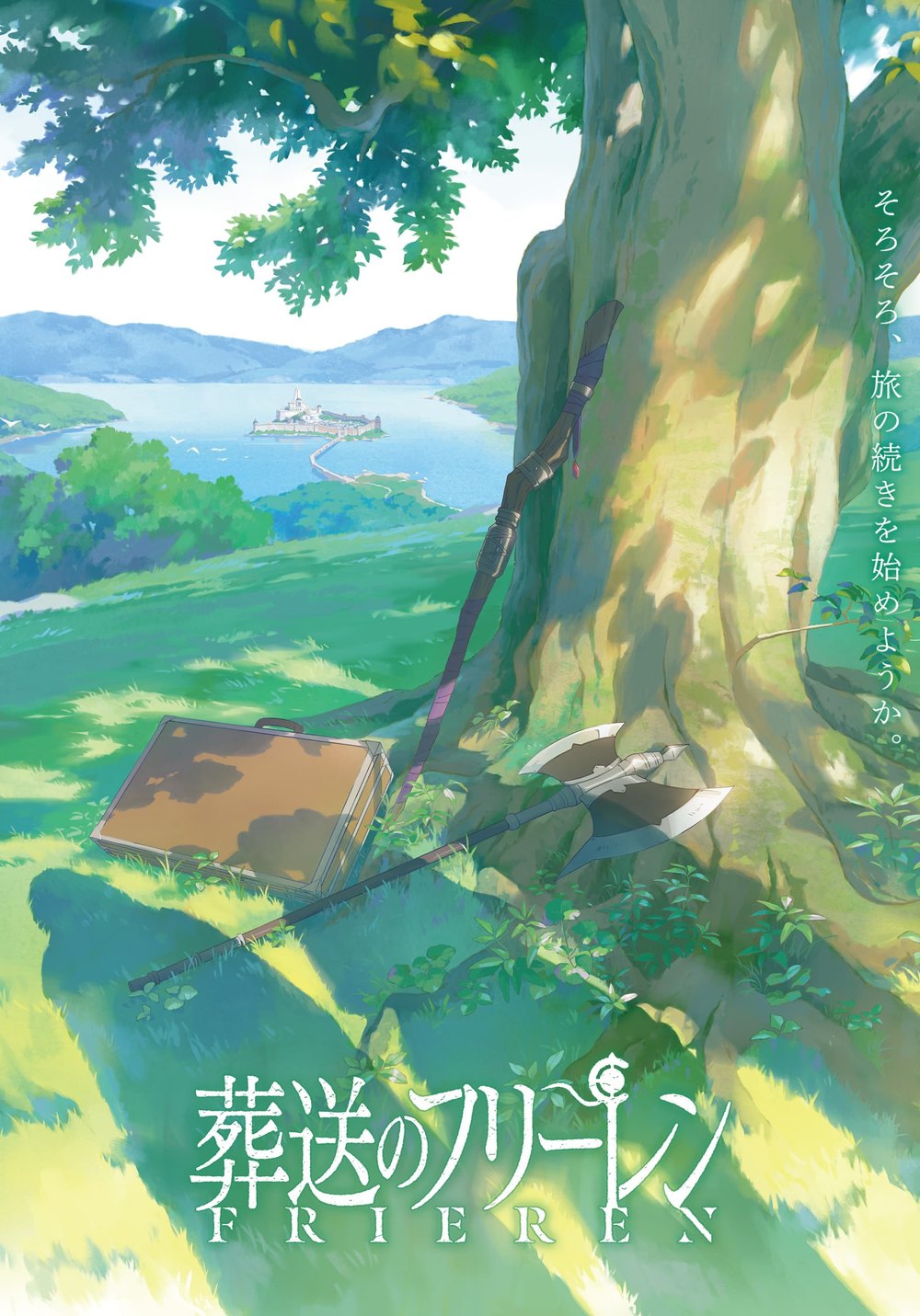
How many copies has Frieren sold?
How many copies Frieren has sold: over 35 million in circulation by January 2026, up from two million in March 2021, with volume 14 carrying Shogakukan's largest…
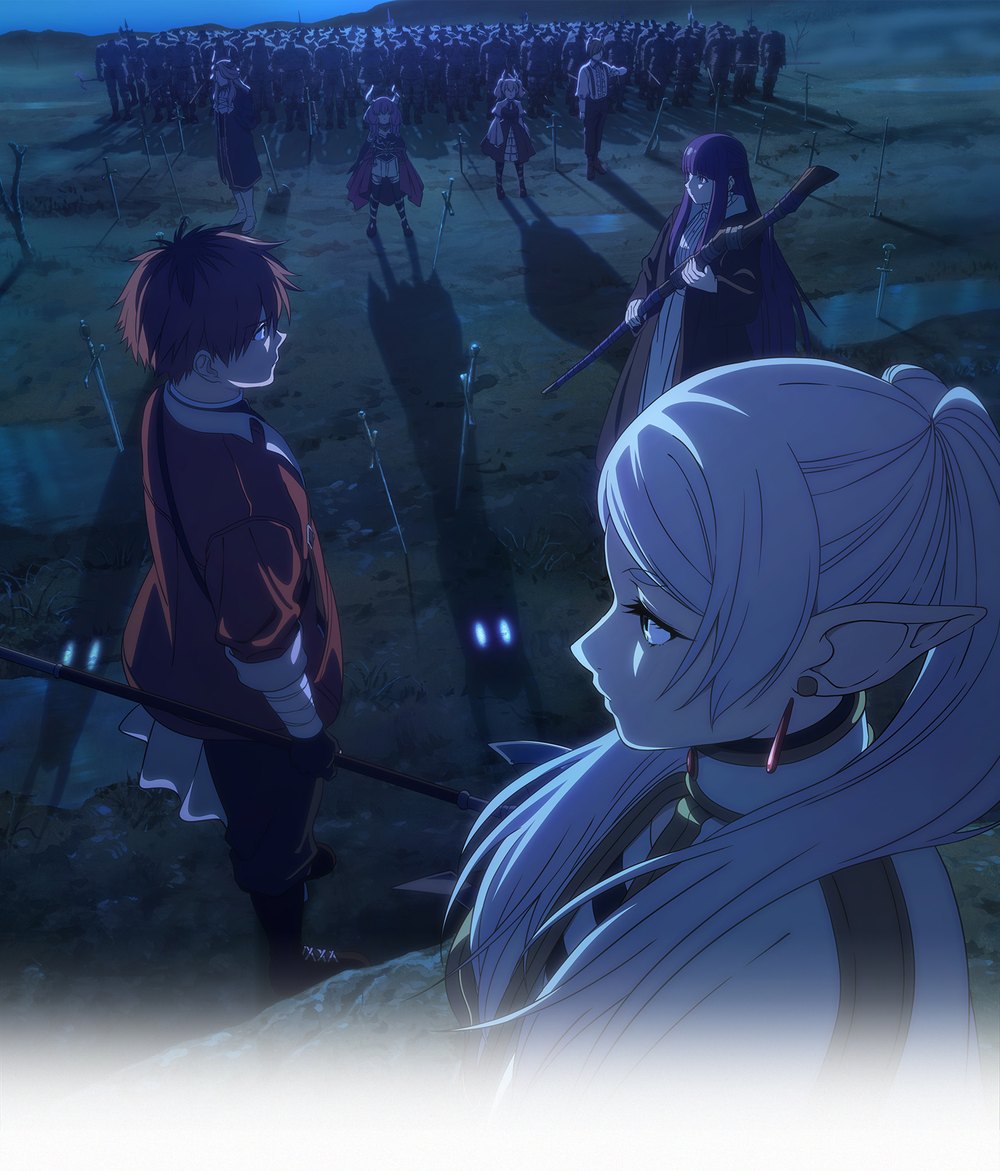
Frieren's hiatuses, explained
Frieren's manga hiatuses explained: the documented breaks of 2023, 2024 and 2025, the returns that followed, and the indefinite hiatus announced in October 2025…
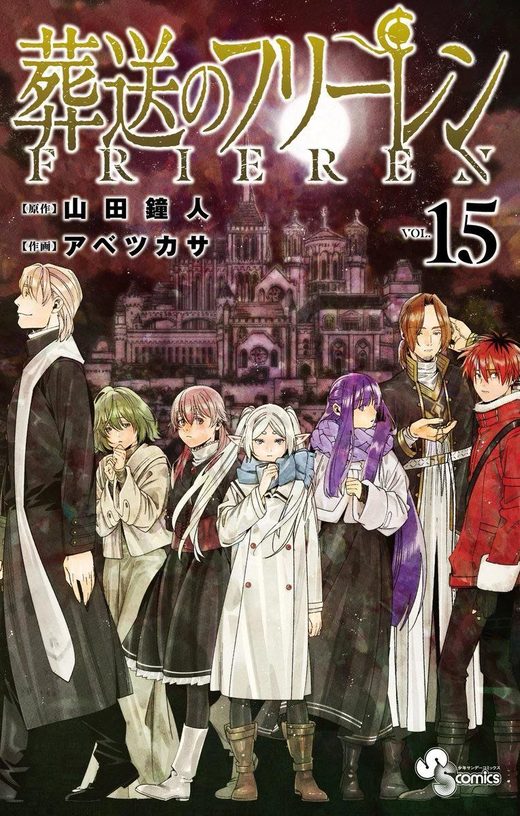
Frieren's English editions
Frieren's English editions: Viz Media's North American run from November 2021, the Viz Manga simulpub, and Shogakukan Asia's Frieren: Remnants of the Departed.
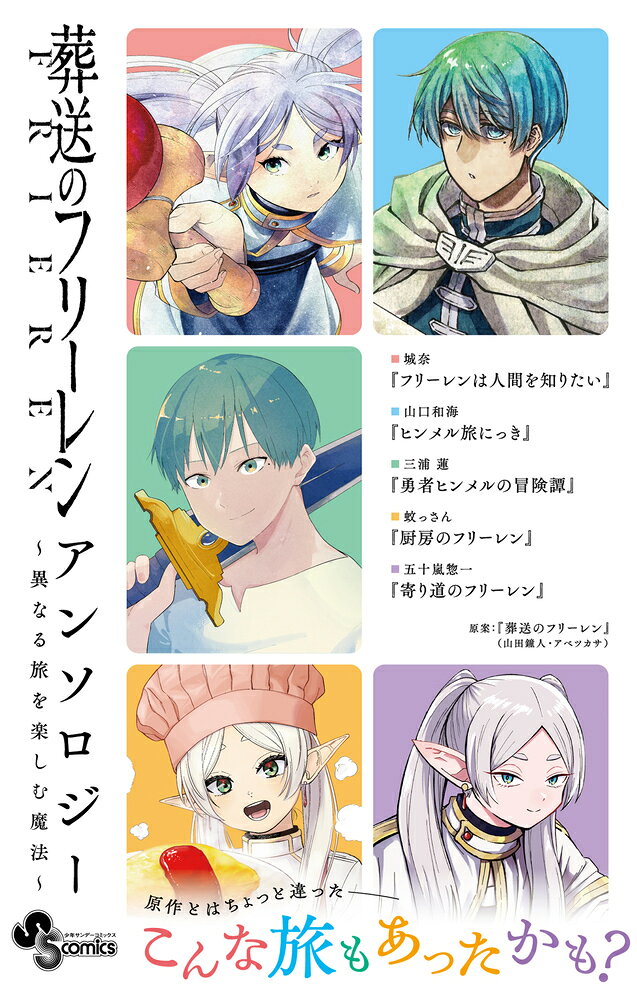
Frieren: the anthology and spinoff stories
Frieren's spinoff stories: the five Sunday Webry one-shots of May 2023 collected as The Anthology, and the Marumaru no Maho mini-anime shorts, with the yonkoma…
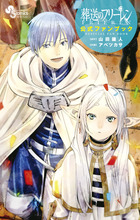
Frieren books beyond the manga
Frieren books beyond the manga: the official fanbook of January 2024, Mei Hachimoku's Prelude novel and bundled novellas, and the Frieren art book.
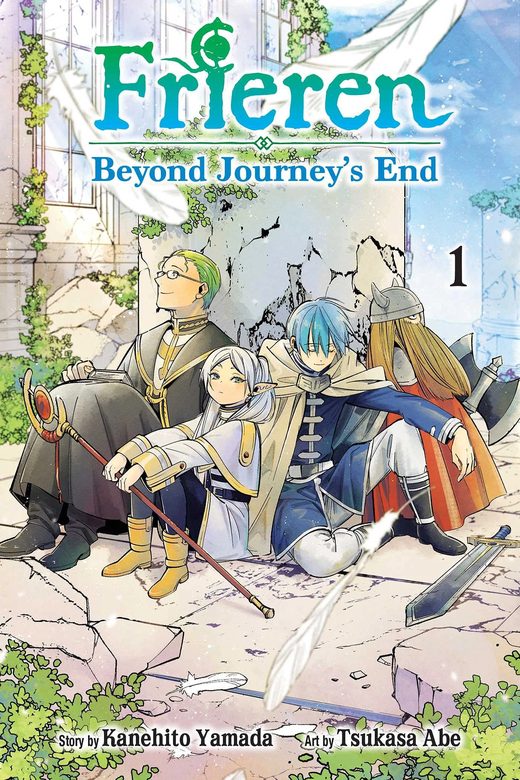
How to collect Frieren
How to collect Frieren: Japanese first volumes against later printings, the special editions of volumes 12, 14 and 15, Viz's working backlist, and the companion…
FROMSOFTWARE
45 shelves
What is FromSoftware?
FromSoftware, the Tokyo studio behind Dark Souls and Elden Ring: founded 1986 by Naotoshi Zin as a business software company, King’s Field in 1994, Kadokawa…
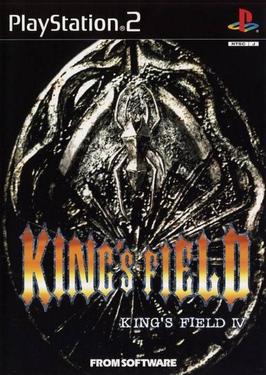
The FromSoftware Box Art Gallery
Verified cover art for Demon’s Souls, the Dark Souls trilogy, Bloodborne, Sekiro, Elden Ring, Nightreign, Armored Core and Otogi, with the Japan and West…
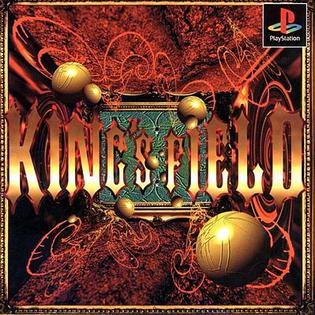
What was King’s Field?
King’s Field, FromSoftware’s first game (December 16, 1994): the Japan-only original, the Western renumbering of II and III, King’s Field IV, the Sword of…
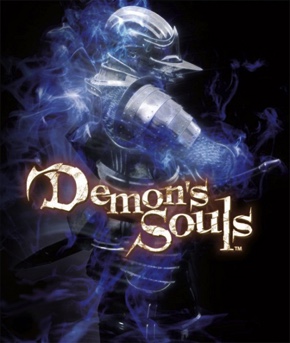
What is Demon’s Souls?
Demon’s Souls (PlayStation 3, February 5, 2009): the troubled FromSoftware and Japan Studio project Hidetaka Miyazaki took over, its Boletaria, World Tendency,…
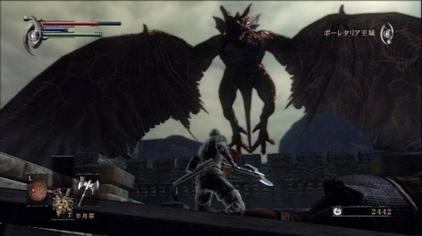
Why did Demon’s Souls become a cult hit in the West?
How Demon’s Souls conquered the West without a Western publisher: Sony’s pass, the import wave, Atlus in North America (October 2009), Namco Bandai in PAL (June…
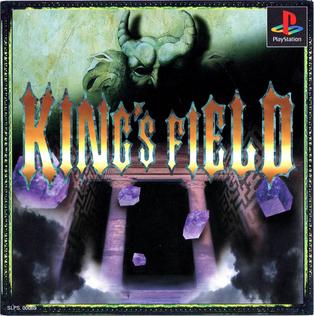
How are Dark Souls and King’s Field connected?
The documented line from King’s Field (1994) through Demon’s Souls (2009) to Dark Souls (2011): spiritual succession at each step, Miyazaki’s own cited…

Who is Hidetaka Miyazaki?
Hidetaka Miyazaki: born 1974 in Shizuoka, Keio graduate, Oracle account manager turned FromSoftware planner in 2004 after playing Ico, director of Demon’s Souls,…
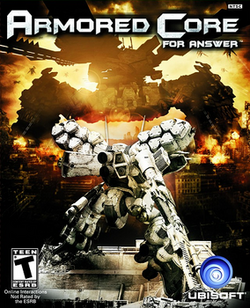
How did Miyazaki become president of FromSoftware?
Hidetaka Miyazaki’s promotion to FromSoftware president in May 2014, following Kadokawa’s purchase of the studio: the unprecedented ten-year rise, Zin’s move to…
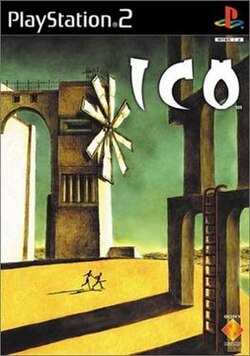
What inspired Dark Souls?
The documented inspirations of Dark Souls and Demon’s Souls: Miyazaki’s childhood library reading, Sorcery! gamebooks, Ico, Dragon Quest, Zelda, King’s Field,…
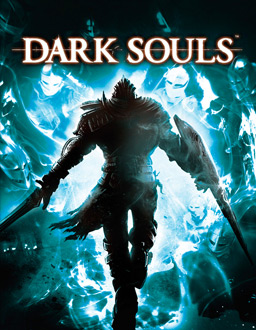
What is Dark Souls?
Dark Souls (2011): FromSoftware’s spiritual successor to Demon’s Souls for PS3 and Xbox 360, the Lordran setting, bonfires and bloodstains, the Prepare to Die…
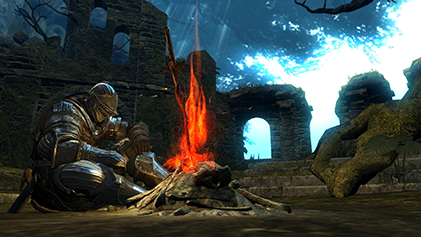
How was Dark Souls designed?
The design of Dark Souls: Lordran’s interconnected structure, bonfires that reset the world, bloodstains, asynchronous multiplayer, and the real architecture…
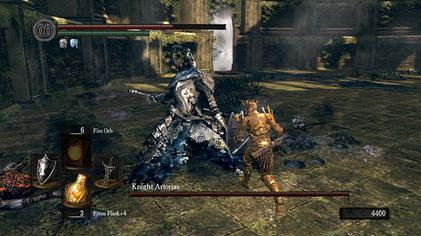
How does Dark Souls tell its story?
Dark Souls’ storytelling method: item flavour text, environmental detail and NPC dialogue in place of cutscenes, and Miyazaki’s stated preference for player…
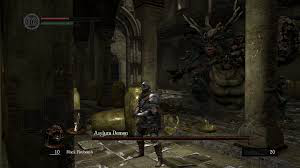
Why is Dark Souls so difficult?
Why Dark Souls is difficult, in Miyazaki’s documented words: accomplishment through tremendous odds, death as a learning tool, the scrapped permanent-death idea,…
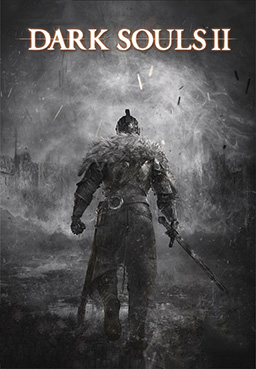
What is Dark Souls II?
Dark Souls II (March 2014): the trilogy’s only non-Miyazaki-directed entry, directed by Tomohiro Shibuya and Yui Tanimura, designed by founder Naotoshi Zin, set…
What is Dark Souls II: Scholar of the First Sin?
Dark Souls II: Scholar of the First Sin (April 2015): the compiled edition with The Lost Crowns DLC trilogy, remastered visuals on PS4 and Xbox One, revised…
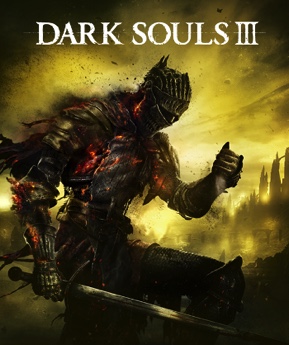
What is Dark Souls III?
Dark Souls III (2016): Miyazaki’s return as lead director, Lothric and the Lords of Cinder, the Bloodborne-quickened pace, Ashes of Ariandel and The Ringed City,…
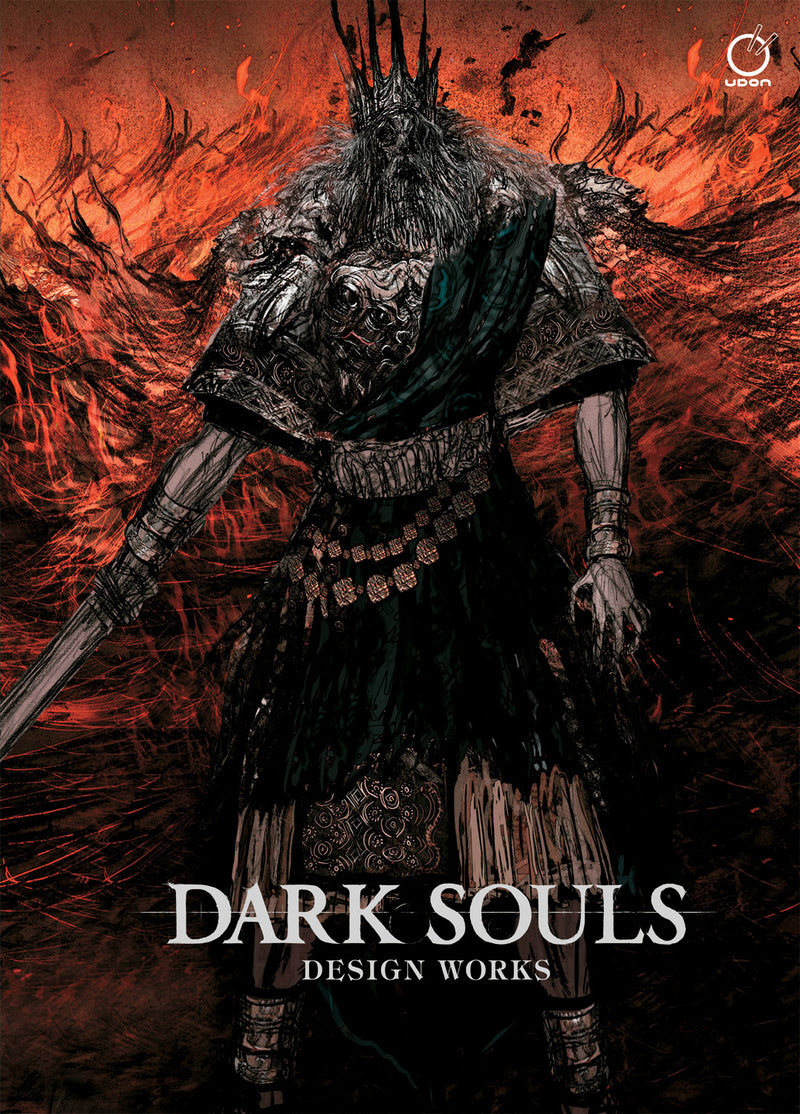
What are the Dark Souls Design Works art books?
The Dark Souls Design Works books (Kadokawa in Japan, UDON in English): three hardcover art volumes for the trilogy, the Design Works interview with Miyazaki in…
Who composes the music for Dark Souls?
The composers of the Souls sound: Shunsuke Kida (Demon’s Souls), Motoi Sakuraba and Yuka Kitamura (Dark Souls trilogy), Bloodborne’s six-composer score, Sekiro…
What was the Japanese Dark Souls Trilogy Box?
The Dark Souls Trilogy Box (Japan, May 24, 2018): the Japan-exclusive PlayStation 4 set with all three games, every expansion and soundtrack, bookends, art…
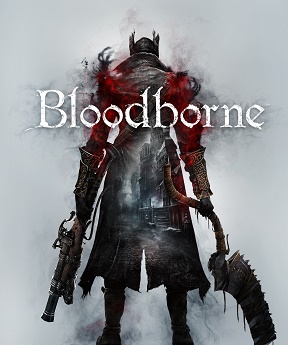
What is Bloodborne?
Bloodborne (PlayStation 4, March 2015): Miyazaki and Japan Studio’s gothic action RPG, Yharnam and the night of the hunt, trick weapons and guns in place of…
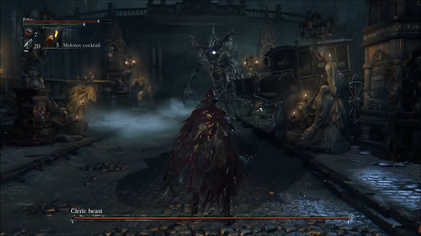
How was Bloodborne made?
The making of Bloodborne: the 2012 Japan Studio approach, the Project Beast codename, parallel development with Dark Souls II, the deliberate 30 fps target, the…
What is The Old Hunters?
The Old Hunters (November 24, 2015): Bloodborne’s single expansion, the Hunters’ Nightmare, Lady Maria of the Astral Clocktower, the Fishing Hamlet and the…
What is Bloodborne Official Artworks?
Bloodborne Official Artworks: the 256-page official art book (Kadokawa in Japan, UDON English paperback 2017), Future Press’s 744-page complete guide, the Titan…
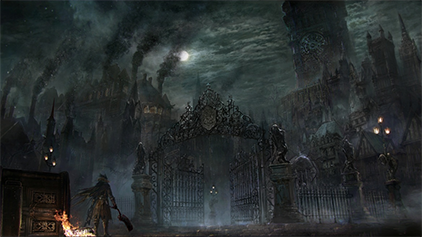
Why has Bloodborne never been remastered?
Why Bloodborne has never been remastered or ported: the documented record, the 2022 Sony legacy poll it won, Bluepoint’s rejected remake pitch, and Miyazaki’s…
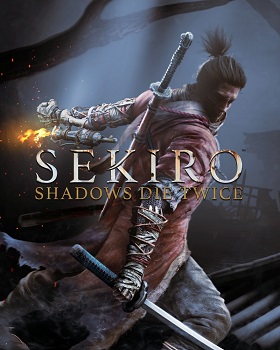
What is Sekiro: Shadows Die Twice?
Sekiro: Shadows Die Twice (March 22, 2019): FromSoftware’s Sengoku action game, Wolf and the Shinobi Prosthetic, resurrection and Dragonrot, its Tenchu origins,…
How is Sekiro different from Dark Souls?
Sekiro versus Dark Souls: one katana against hundreds of weapons, the posture system against stamina, no multiplayer or character creation, resurrection against…

What does Sekiro mean?
What Sekiro means: the contraction of sekiwan no okami, “the one-armed wolf,” Miyazaki’s reasoning for the wolf, and the origin of the Shadows Die Twice subtitle…

Why did Activision publish Sekiro?
Why Activision published Sekiro: FromSoftware’s first self-initiated publisher search, Activision’s worldwide role outside Japan and Asia, FromSoftware’s own…
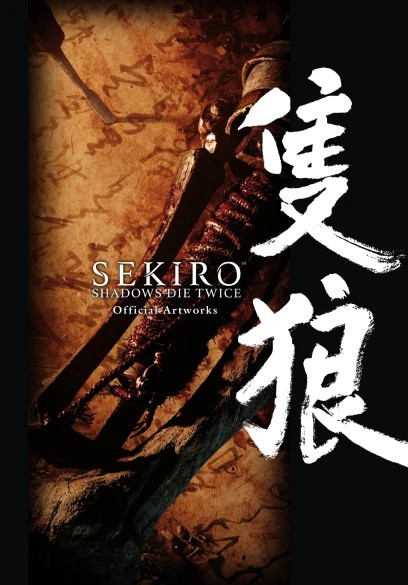
What is Sekiro: Official Artworks?
Sekiro: Official Artworks: the official art book for Sekiro, its Kadokawa Japanese edition, the Yen Press English edition (the exception to UDON’s run of…
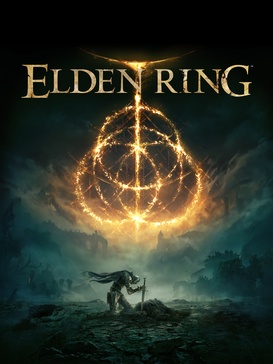
What is Elden Ring?
Elden Ring (February 25, 2022): FromSoftware and Bandai Namco’s open-world action RPG, the Lands Between, Miyazaki and Yui Tanimura directing, George R. R.…
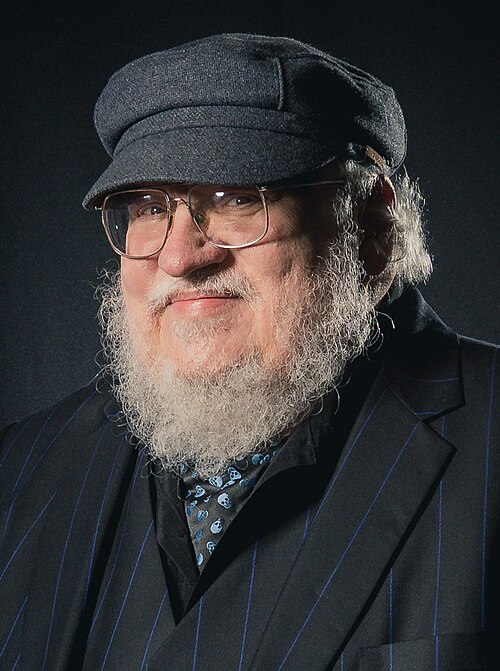
How did George R. R. Martin help make Elden Ring?
George R. R. Martin’s role in Elden Ring, as documented by both collaborators: Martin wrote the backstory and mythology, Miyazaki was lead writer for the game,…
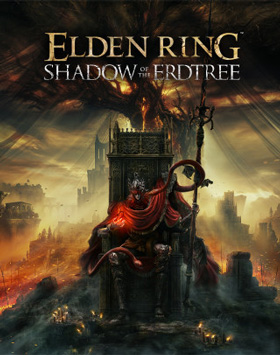
What is Shadow of the Erdtree?
Shadow of the Erdtree (June 2024): Elden Ring’s single expansion, the Land of Shadow and Miquella’s trail, its ten million copies, and its dedicated Official Art…
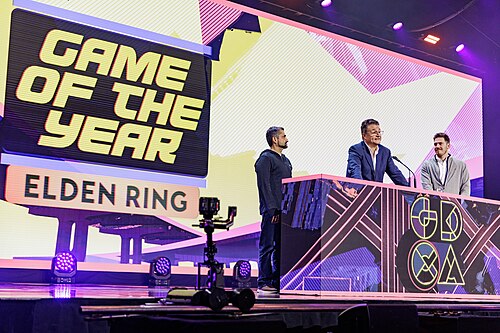
How many copies has Elden Ring sold?
Elden Ring’s documented sales: over 30 million copies, Shadow of the Erdtree over 10 million, Nightreign over 5 million, set against the Dark Souls series’ 39…
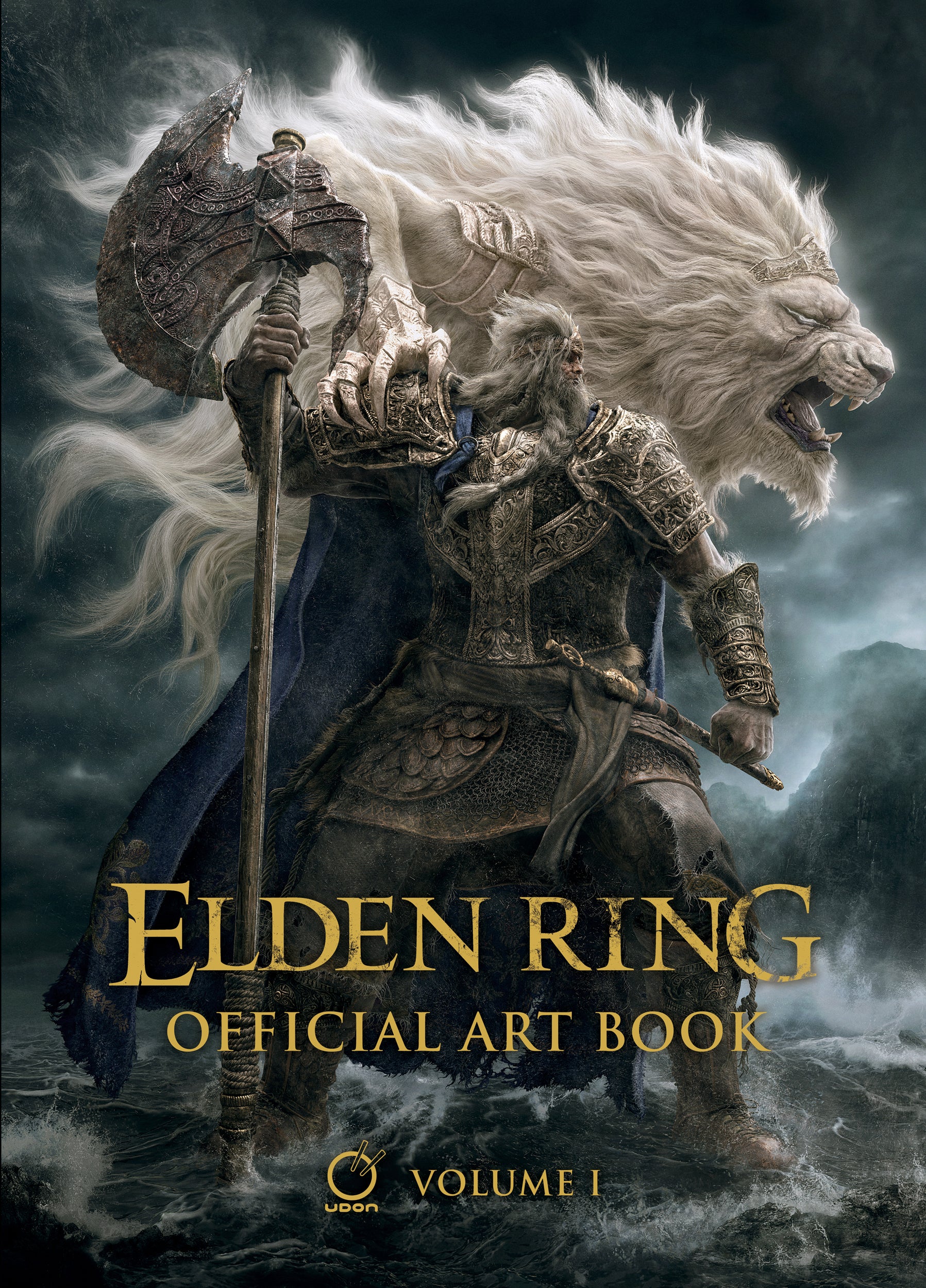
What are the Elden Ring Official Art Books?
The Elden Ring Official Art Books: Kadokawa Game Linkage in Japan and UDON hardcovers in English, volumes I and II for the base game, and volume III for Shadow…
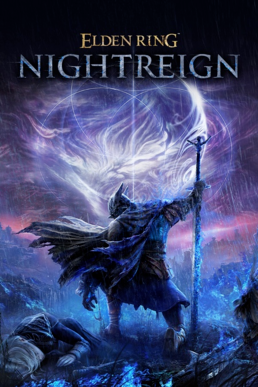
What is Elden Ring Nightreign?
Elden Ring Nightreign (May 30, 2025): the standalone three-player co-operative spin-off directed by Junya Ishizaki, Limveld’s three-day structure, two million…
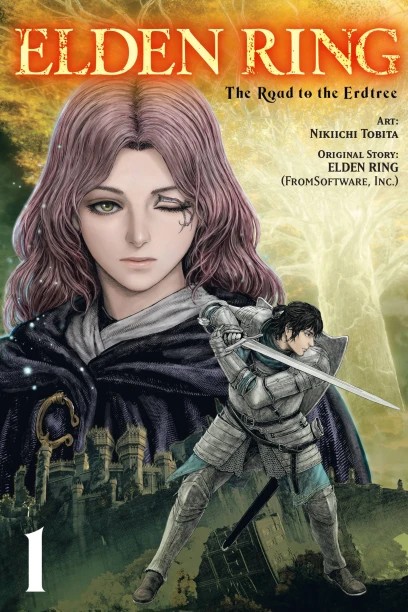
What is the Elden Ring manga?
The Elden Ring manga: The Road to the Erdtree by Nikiichi Tobita (Kadokawa, from September 2022), its comedy take on the Lands Between, the Yen Press English…
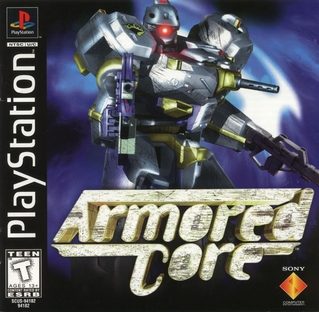
What is Armored Core?
Armored Core (from July 1997): FromSoftware’s mecha mercenary series, Ravens and corporations, hundreds of buildable parts, repair-and-ammo economics, Project…
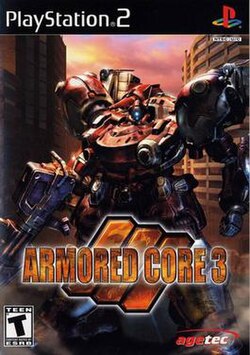
How many Armored Core games are there?
The Armored Core catalogue counted: fourteen main games, seven spin-offs and three remastered re-releases from 1997 to 2023, the generational reboots, and the…
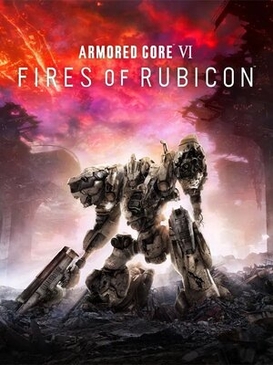
What is Armored Core VI: Fires of Rubicon?
Armored Core VI: Fires of Rubicon (August 25, 2023): the series’ return after a decade, Rubicon 3 and the Coral, C4-621, and the Miyazaki-to-Yamamura directorial…
Armored Core in manga and television
Armored Core beyond the games: the 2007 Fujimi Shobo manga Tower City Blade, and the 2024 Secret Level anthology episode “Armored Core: Asset Management”…
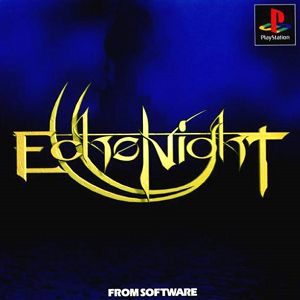
What did FromSoftware make before Dark Souls?
FromSoftware’s catalogue between King’s Field and Demon’s Souls: Echo Night, Shadow Tower, Eternal Ring, Evergrace, Lost Kingdoms, Chromehounds, Enchanted Arms,…
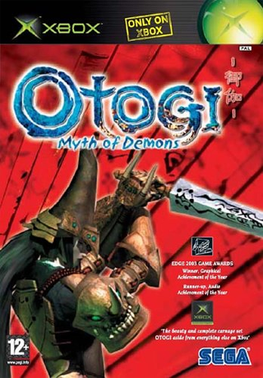
What is Otogi?
Otogi: Myth of Demons (Xbox, December 2002, Sega): Raikoh Minamoto, destructible environments, the Best Game No One Played nomination, and its documented place…
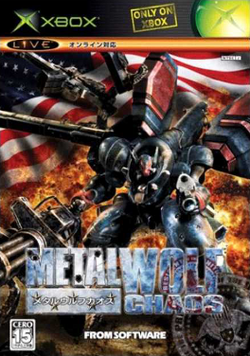
Which FromSoftware games never left Japan?
FromSoftware’s Japan-only games: King’s Field (1994), Spriggan: Lunar Verse, Frame Gride, Echo Night 2, Shadow Tower Abyss, Thousand Land, the King’s Field…
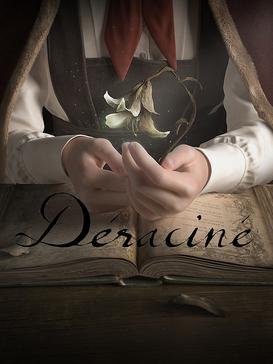
What is Déraciné?
Déraciné (2018): FromSoftware and Japan Studio’s PlayStation VR adventure, directed by Miyazaki, a faerie in a frozen boarding school, and the gentlest proof of…
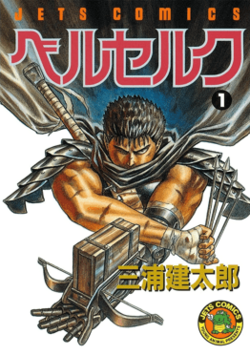
How did Berserk influence Dark Souls?
Berserk’s influence on Dark Souls, kept to the documented record: Miyazaki’s stated fandom, Demon’s Souls’ named manga inspirations, and the Dark Souls Design…
FULLMETAL ALCHEMIST
3 shelves
Why does the 2003 Fullmetal Alchemist anime end differently from the manga?
Because Arakawa asked for it: 28 chapters in, the weekly anime outran her monthly manga, so Bones built Dante and an original ending under her guardrails.
Why is there a second Fullmetal Alchemist anime, Brotherhood?
To adapt the manga faithfully and in full: announced in volume 20 in 2008, 64 episodes, ending weeks after the final chapter.
What inspired Fullmetal Alchemist?
Her parents' Hokkaido dairy farm, in her own words: Equivalent Exchange began as farm bookkeeping, before alchemy books and industrial Europe built the world.
GHIBLI
6 shelves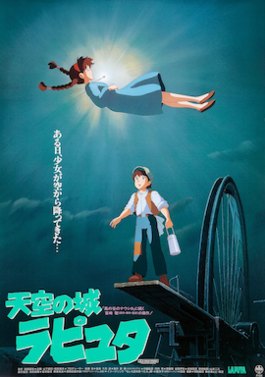
What inspired Laputa: Castle in the Sky?
Studio Ghibli's floating island comes from Swift, and the Welsh miners Miyazaki stood with in 1985.
Where did the name Ghibli come from?
Miyazaki took it from the Italian word for a hot desert wind, by way of the Caproni Ca.309 Ghibli scouting plane, for a studio meant to blow a new wind through anime.
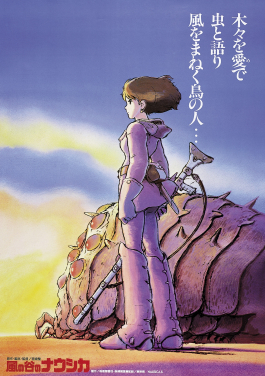
Why was Nausicaa of the Valley of the Wind not a Studio Ghibli film?
Topcraft released it on March 11, 1984, more than a year before the studio existed. Its success founded Ghibli in 1985.
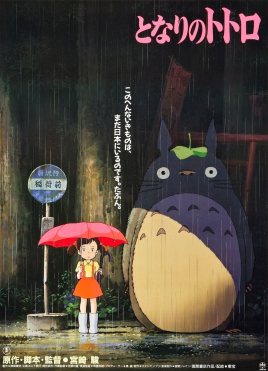
Why does the My Neighbor Totoro poster show a girl who is not in the film?
The poster kept the original single girl from Miyazaki's concept art. Production split her into Satsuki and Mei, and the poster was never redrawn.
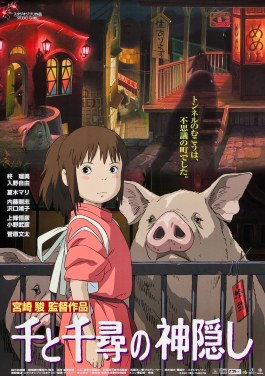
What are Kiki's Delivery Service and Spirited Away called in Japanese?
Majo no Takkyubin, built on a delivery company's trademark, and Sen to Chihiro no Kamikakushi, the spiriting away of both of the heroine's names.
Who composed the music for Studio Ghibli's films?
Joe Hisaishi, Miyazaki's composer since 1984, who scored Laputa twice: once for Japan, and again from scratch for America.
GHOST IN THE SHELL
17 shelves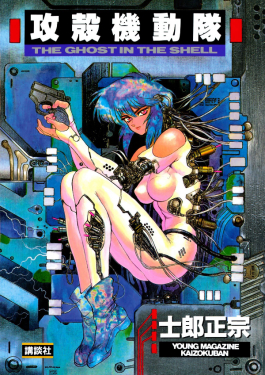
The Ghost in the Shell Manga Gallery
Every Ghost in the Shell manga volume and landmark edition by Masamune Shirow, documented: the 1991 Kodansha tankobon, the Solid Box, 1.5, Man-Machine Interface,…
The History of the Ghost in the Shell Manga
How Masamune Shirow’s Ghost in the Shell ran in Young Magazine Kaizokuban from May 1989, became a single Kodansha tankobon in October 1991, and grew two sequels…
What is Ghost in the Shell 1.5: Human-Error Processor?
Ghost in the Shell 1.5: Human-Error Processor collects four Shirow stories from 1991 to 1996 (Fat Cat, Drive Slave, Mines of Mind, Lost Past) that were left out…
What is Ghost in the Shell 2: Man-Machine Interface?
Ghost in the Shell 2: Man-Machine Interface is Masamune Shirow’s full-color sequel, serialized in Weekly Young Magazine in 1997, boxed in the Solid Box of 2000,…
Are the English Ghost in the Shell Editions the Same as the Japanese?
The English editions of Ghost in the Shell differ from the Japanese originals in reading direction, sound effects, and two famous pages Shirow himself redrew. A…
How Can You Tell a First Printing of the Ghost in the Shell Manga?
Identify a first printing of the 1991 Ghost in the Shell tankobon from its colophon: October 5, 1991 first-printing line, ISBN 4-06-313248-X, KC Deluxe imprint,…
Why Does Ghost in the Shell Have So Many Footnotes?
Masamune Shirow packed the margins of Ghost in the Shell with author’s notes on weapons, politics, and technology. Why the manga’s famous marginalia is a design…
Who is Masamune Shirow?
Masamune Shirow (born Masanori Ota, November 23, 1961) created Black Magic, Appleseed, and Dominion before Ghost in the Shell. His career before and around the…
What Are the Intron Depot Art Books?
Intron Depot 1 (Seishinsha, July 1992) collects 226 of Masamune Shirow’s illustrations from 1981 to 1991, including his Ghost in the Shell color work. The Shirow…
How Was the 1995 Ghost in the Shell Film Made?
Mamoru Oshii’s 1995 Ghost in the Shell at Production I.G: Kazunori Ito’s script, Kenji Kawai’s choral score, and the Digitally Generated Animation process that…
What is Ghost in the Shell 2: Innocence?
Ghost in the Shell 2: Innocence (2004) is Mamoru Oshii’s sequel, co-produced by Production I.G and Studio Ghibli, following Batou in 2032. It was the first anime…
How Does Stand Alone Complex Split Its Episodes?
Stand Alone Complex labels every episode Stand Alone or Complex: self-contained cases versus chapters of the Laughing Man arc, marked by green and blue title…
Who is the Laughing Man in Ghost in the Shell?
The Laughing Man is the hacker at the center of Stand Alone Complex’s first season: a corporate-blackmail case from six years before the series, whose logo and…
What Are the Tachikoma in Ghost in the Shell?
The Tachikoma are Stand Alone Complex’s spider-like think tanks: AI vehicles with childlike voices that learn, individualize, and question their own existence,…
What is the 1997 Ghost in the Shell PlayStation Game?
The 1997 PlayStation Ghost in the Shell by Exact and Production I.G puts the player inside a Fuchikoma that climbs walls and ceilings, with an original story and…
What Are the Stand Alone Complex Video Games?
Stand Alone Complex reached consoles twice: Cavia’s 2004 PlayStation 2 action game, set between the two TV seasons, and G-Artists’ 2005 PSP first-person sequel.…
What Happened to Ghost in the Shell: First Assault Online?
First Assault Online, Neople and Nexon’s Stand Alone Complex shooter, ran from Steam Early Access in December 2015 to shutdown in December 2017. Plus the…
HAJIME NO IPPO
6 shelves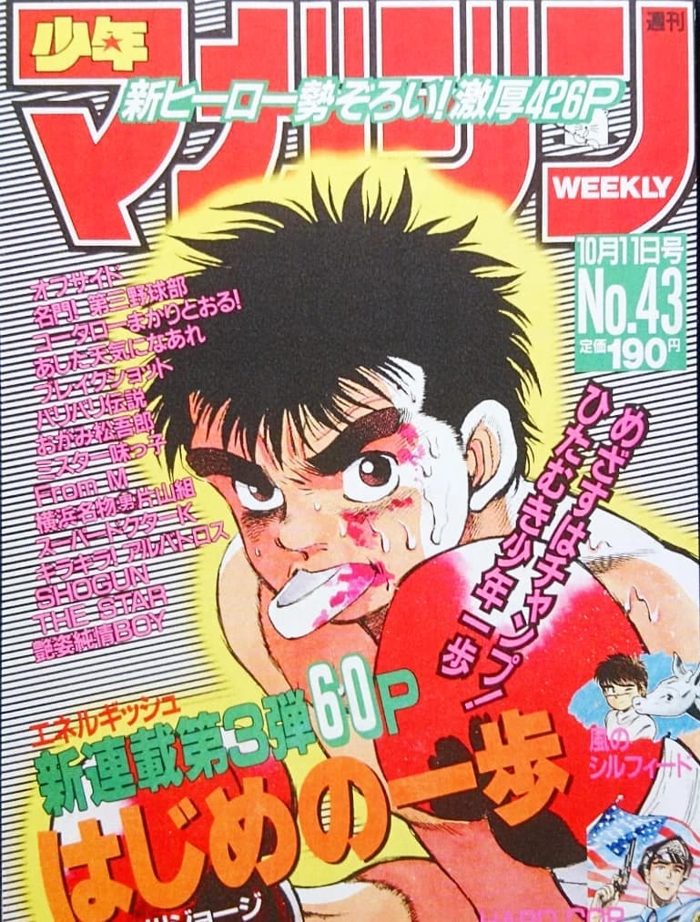
Is Hajime no Ippo available in English?
Digitally yes, in print not until 2027, and the 34-year wait has a specific reason.
What inspired Hajime no Ippo?
His real Tokyo gym, Tyson and Mancini, and the challenge to Ashita no Joe he first refused.
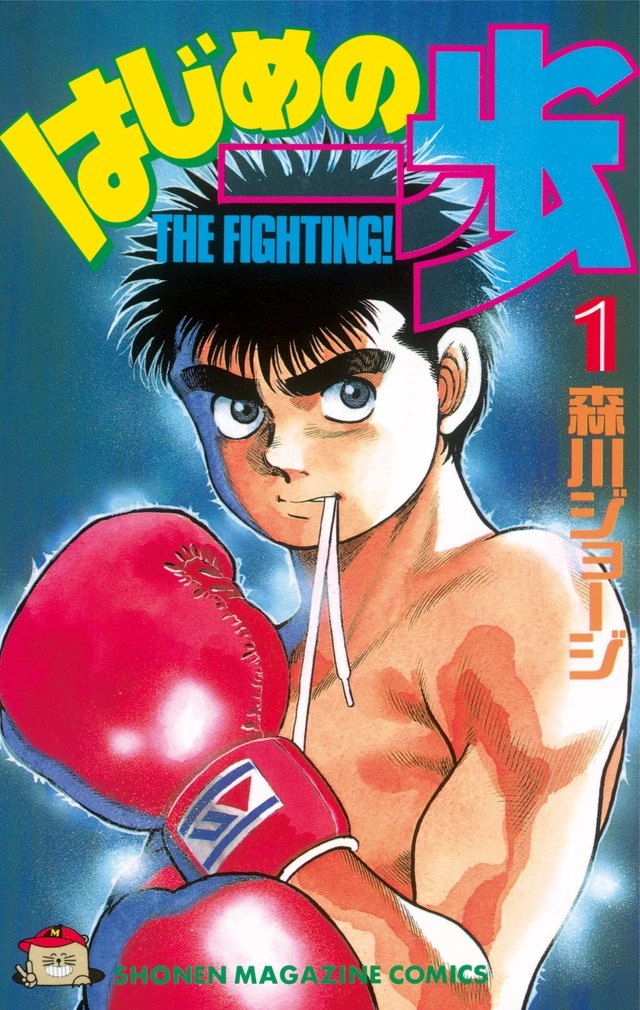
Is the Dempsey Roll real?
The falling step is real, documented in Dempsey's own manual. The named move is Morikawa's.
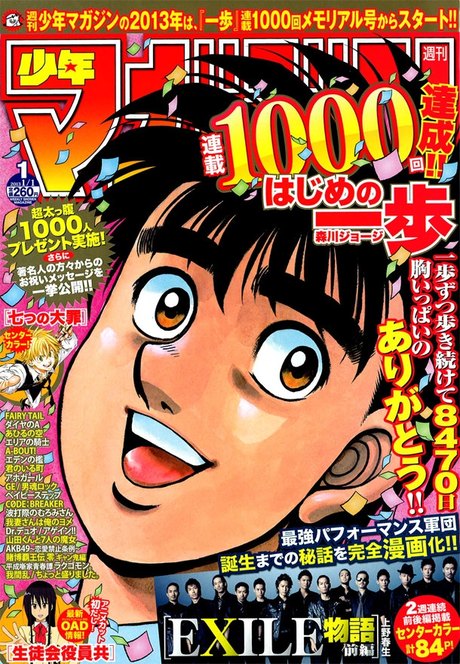
How long is Hajime no Ippo?
145 volumes and 1,515 chapters since 1989, ninth longest ever, currently on hiatus.
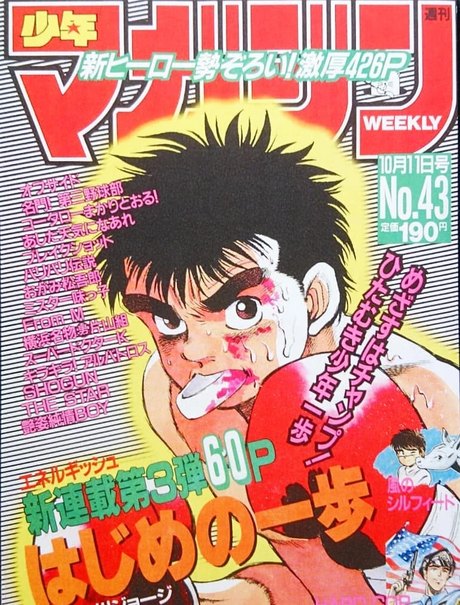
How can you tell the 1989 Hajime no Ippo debut issue?
The 190 yen price, the date line, and the banner that announces the new serialization.
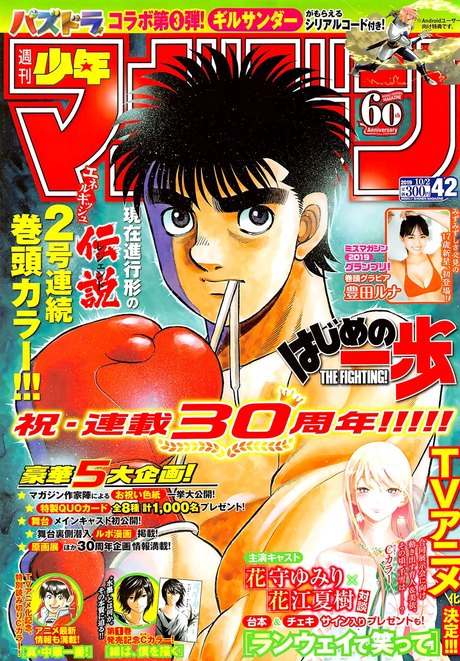
What WSM issues have Hajime no Ippo on the cover?
55 feature covers documented so far, 1989 to 2024, plus 4 ensemble covers.