
The Fighting Games Gallery
Thirty-three games that turned the couch into the arcade.
These are the fighting games with fan bases that never left: the console-era classics of the 1990s, shown the way this Library shows everything, cover first. Where Japan and America dressed the same game differently, both boxes stand side by side.
Every cover below is a door. Behind it sits the game's history, how it was made and how its own era received it, and behind that, the questions its fans still ask: why the tag teams vanished, why the blood became sweat, why a tiny dinosaur is in Tekken. Start anywhere. The doors all open.
TEKKEN 3
Namco · PlayStation · 1998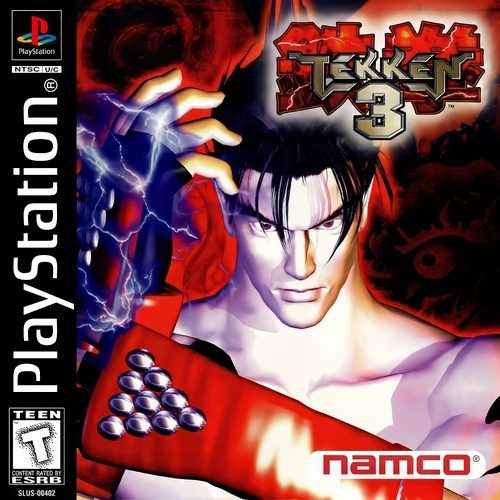
America · 1998
Jin Kazama fronts the American box, the face of the PlayStation's best selling fighter.
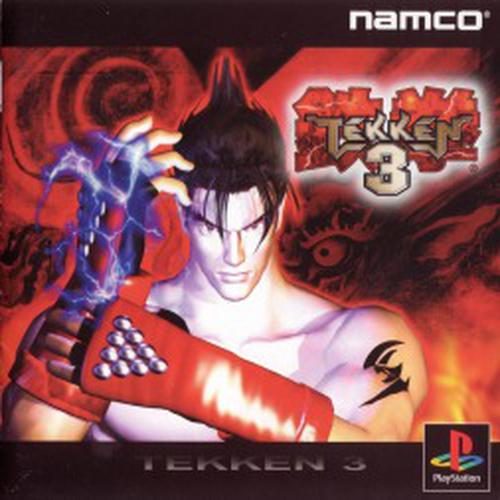
Japan · 1998
The Japanese box runs Jin full bleed, closer and moodier, no frame around him.
The History
Rebuilt from scratch after a staff exodus, ported home in eight months: how Tekken 3 was made, and how it was received.
The Crown
Why is Tekken 3 considered the best fighting game on the PlayStation?
The Guest
Who is Gon, and why is a tiny dinosaur in Tekken 3?
The Music
Who wrote Tekken 3's music? Sano and Okabe, and the turn to electronic.
STREET FIGHTER ALPHA 3
Capcom · PlayStation · 1998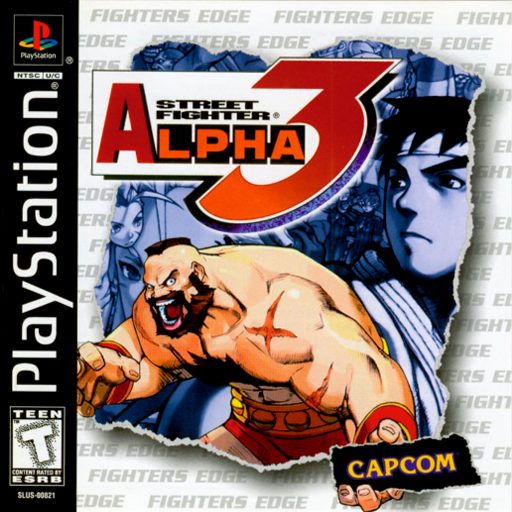
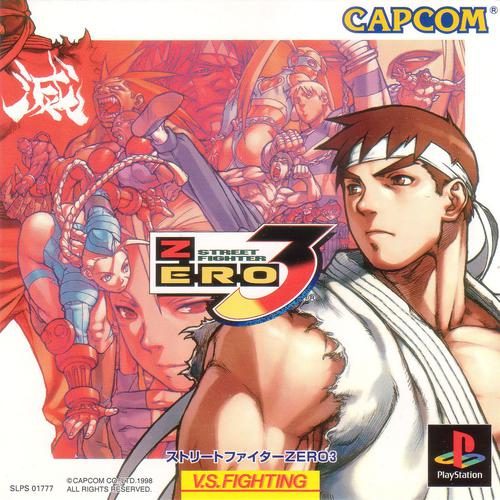
SOUL BLADE
Namco · PlayStation · 1996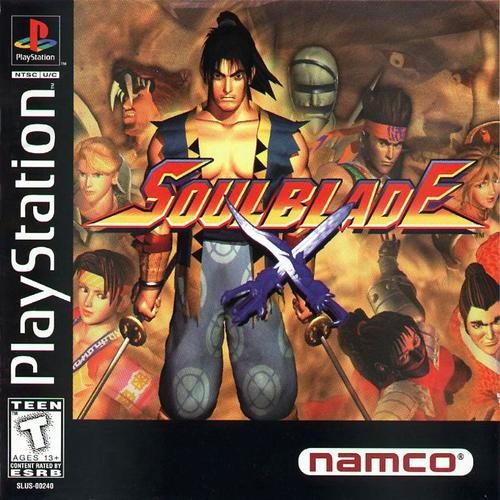
America · 1997
The American box, titled Soul Blade.
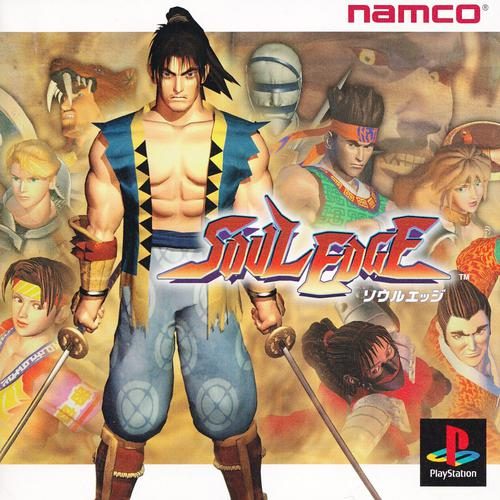
Japan · 1996
The same painting in Japan, titled Soul Edge. One image, two names, one strange story.
The History
Namco's weapon fighter before Soulcalibur: how it was made, and how it was received.
The Name
Why is Soul Edge called Soul Blade in America?
Edge Master Mode
What is Edge Master Mode in Soul Blade?
The Music
Why does Soul Blade have three soundtracks? Arcade, arranged, and Khan Super Session.
MORTAL KOMBAT
Midway · The Console Story · 1993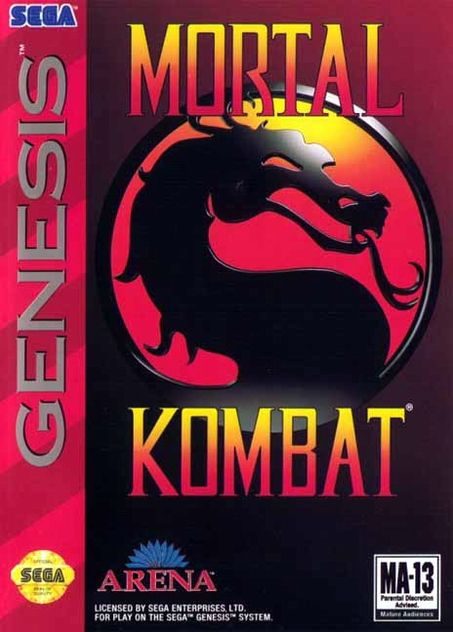
America · Genesis · 1993
The Genesis box wears its MA-13 rating like a badge of honor. It was one: the rating, and the code behind it, won the console war's loudest round.
The Console War
One game, two consoles, two policies. Mortal Monday, the Senate hearings, and the birth of the ESRB all start here.
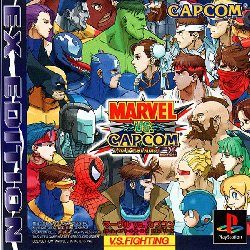
MARVEL VS. CAPCOM
Capcom · PlayStation · 1999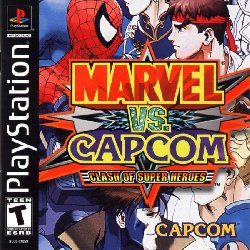
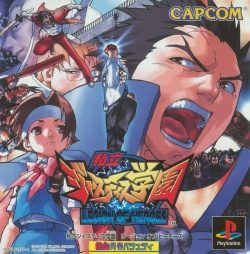
RIVAL SCHOOLS
Capcom · PlayStation · 1997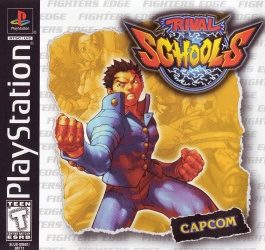
BUSHIDO BLADE
Squaresoft · Light Weight · PlayStation · 1997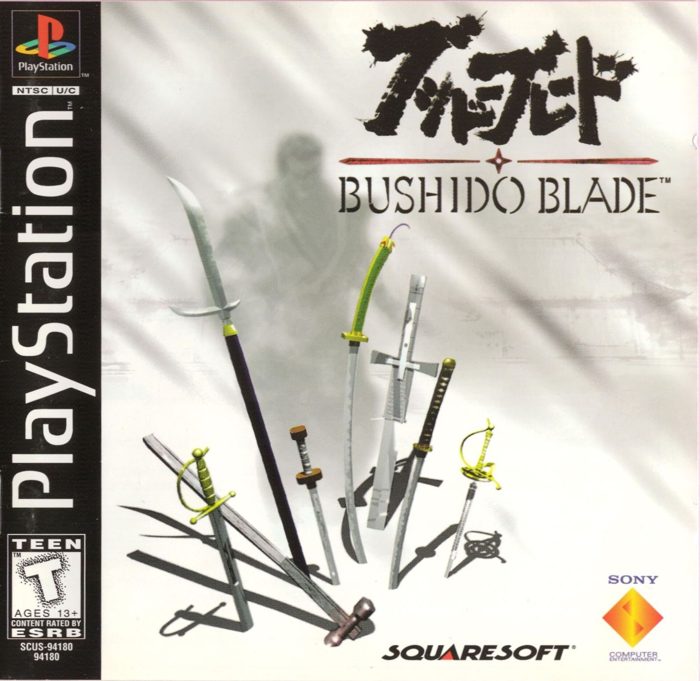
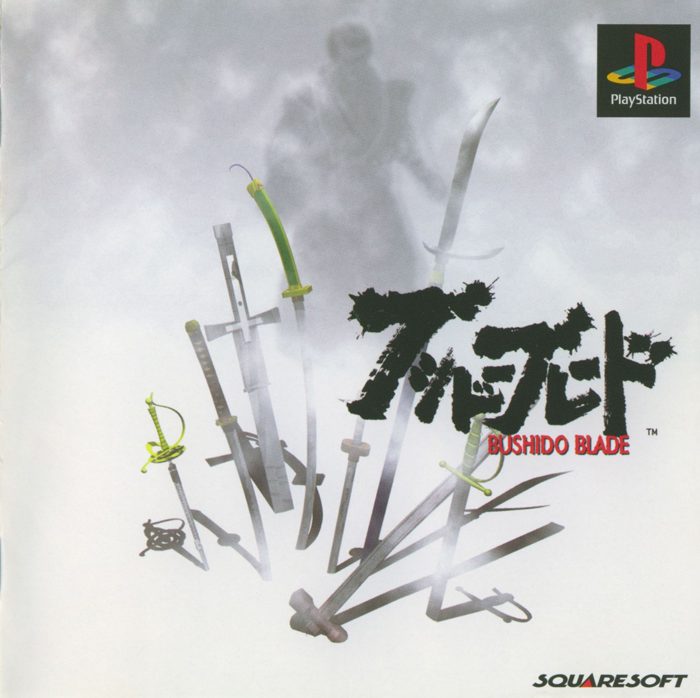
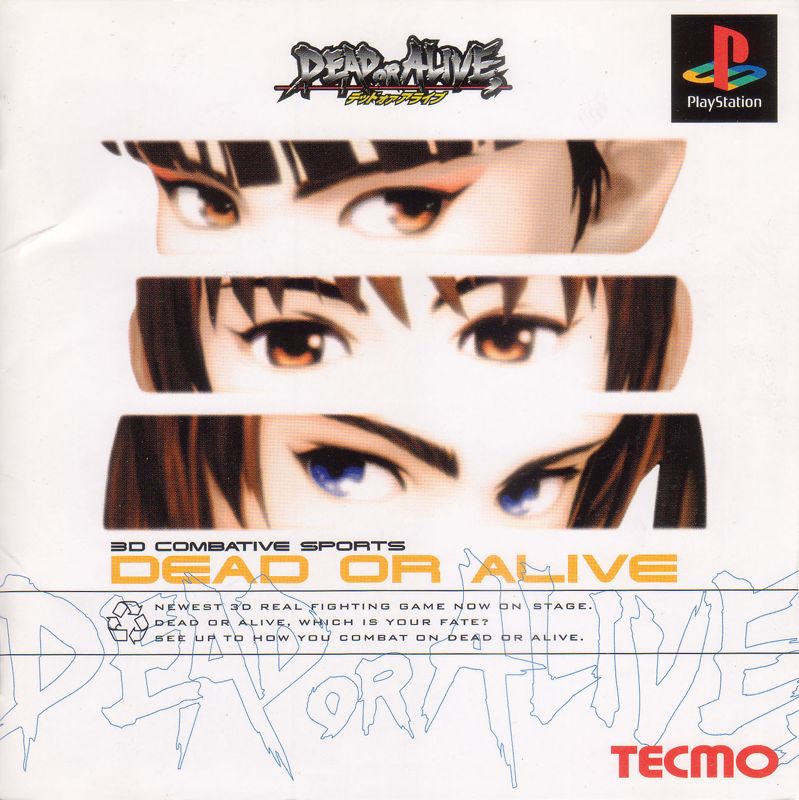
DEAD OR ALIVE
Tecmo · Team Ninja · 1997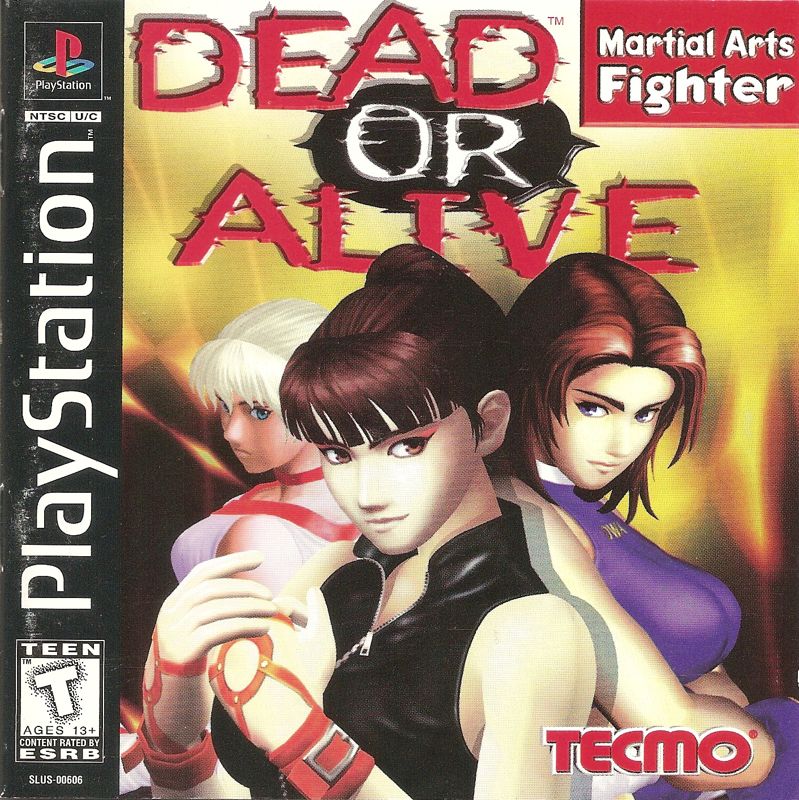
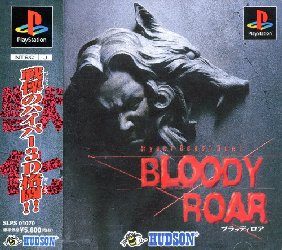
BLOODY ROAR
Hudson Soft · Eighting · PlayStation · 1997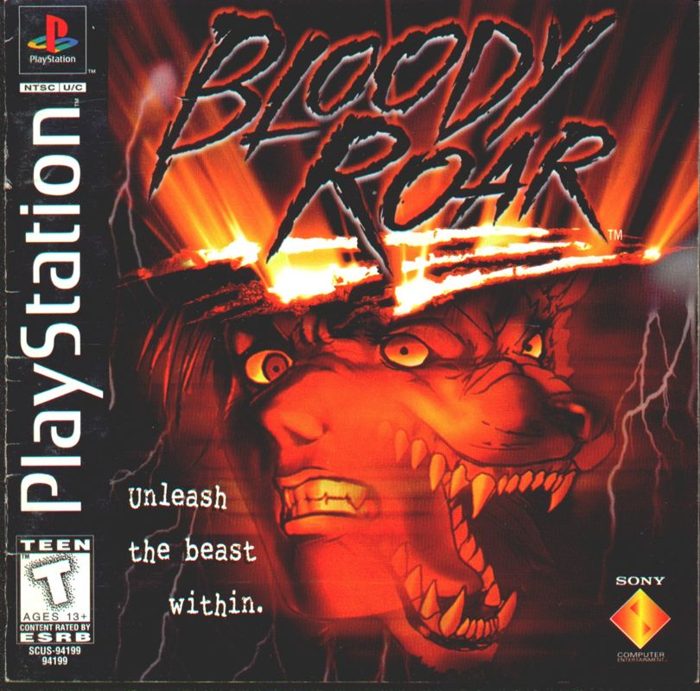
GUILTY GEAR
Arc System Works · PlayStation · 1998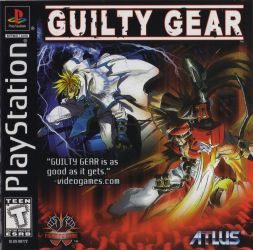
America · 1998
The American box, published by Atlus, its cover chosen by a fan vote.
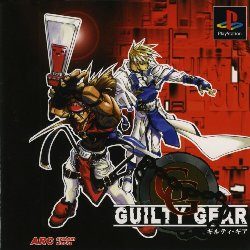
Japan · 1998
The Japanese original, Arc System Works' own presentation.
The History
Made by a team of about a dozen, four doing the main work: how Guilty Gear was made, and how it was received.
The Inspiration
What inspired Guilty Gear? Daisuke Ishiwatari answers in his own words.
The Metal
What are Guilty Gear's heavy metal references?
The Music
Who wrote Guilty Gear's music? The designer, director, and voice of Sol himself.
TOBAL NO. 1
Squaresoft · DreamFactory · PlayStation · 1996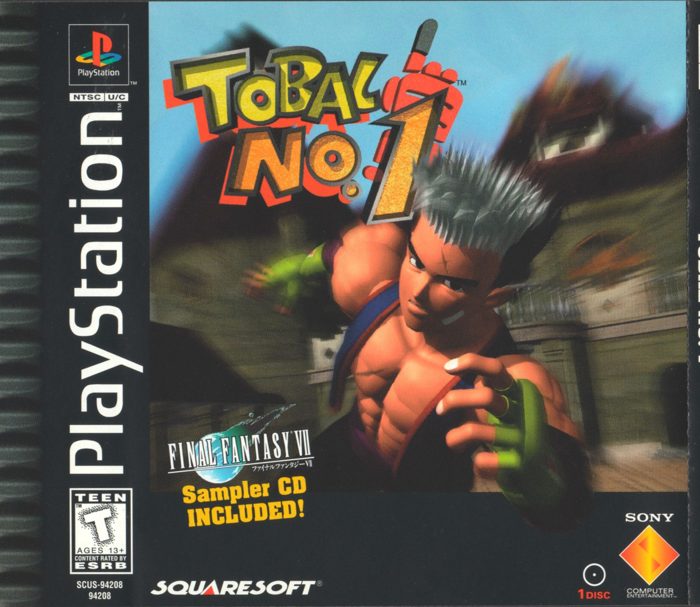
America · 1996
Read the badge on the American box: Sampler CD Included. That badge is a story of its own.
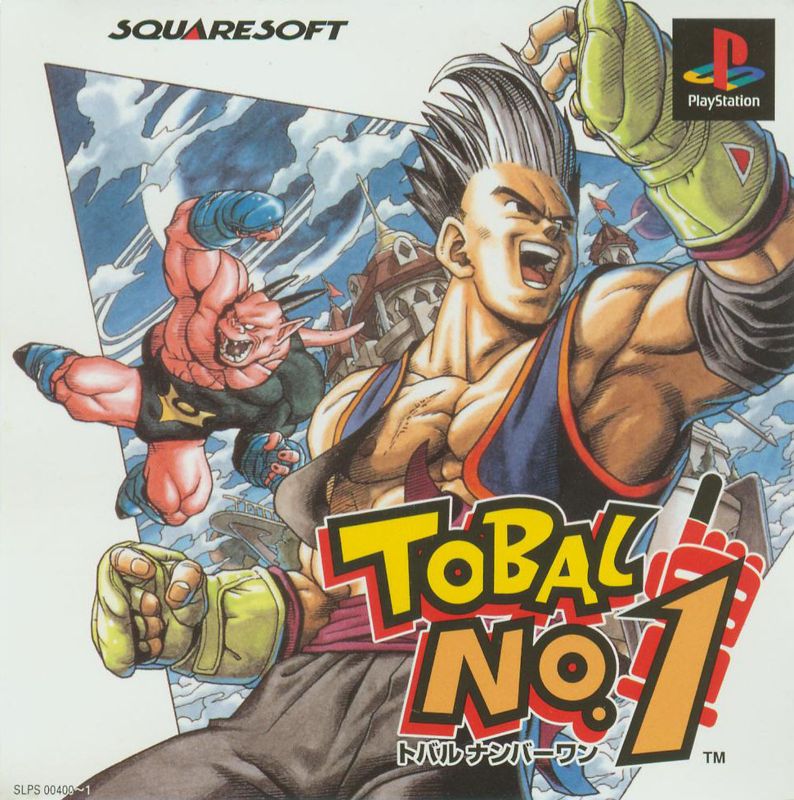
Japan · 1996
The Japanese box is an Akira Toriyama illustration, because the roster is his.
The History
DreamFactory's 60-frames-per-second experiment: how Tobal No. 1 was made, and how it was received.
The Demo Disc
Why did Tobal No. 1 come with a Final Fantasy VII demo?
The Artist
Who designed Tobal's characters?
The Music
Who wrote Tobal No. 1's music? Eight Square composers, produced by Yasunori Mitsuda.
EHRGEIZ
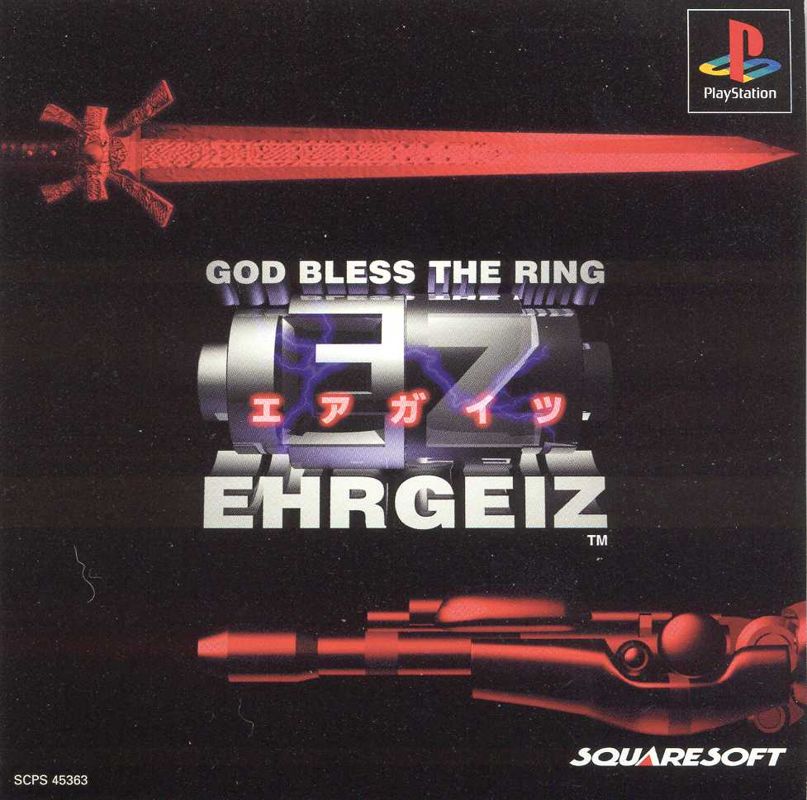
Squaresoft · DreamFactory · PlayStation · 1998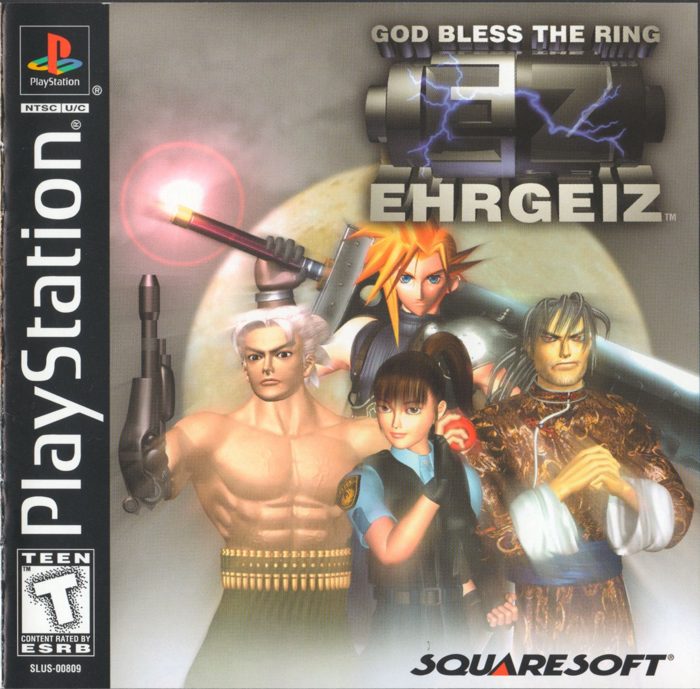
SOULCALIBUR
Namco · Dreamcast · 1999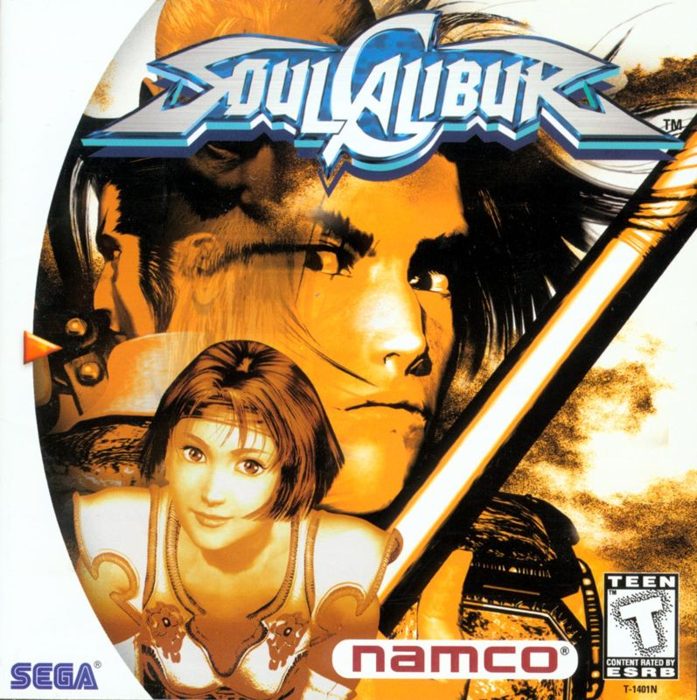
America · 1999
Mitsurugi and Xianghua in full colour, the Dreamcast launch shelf printing.
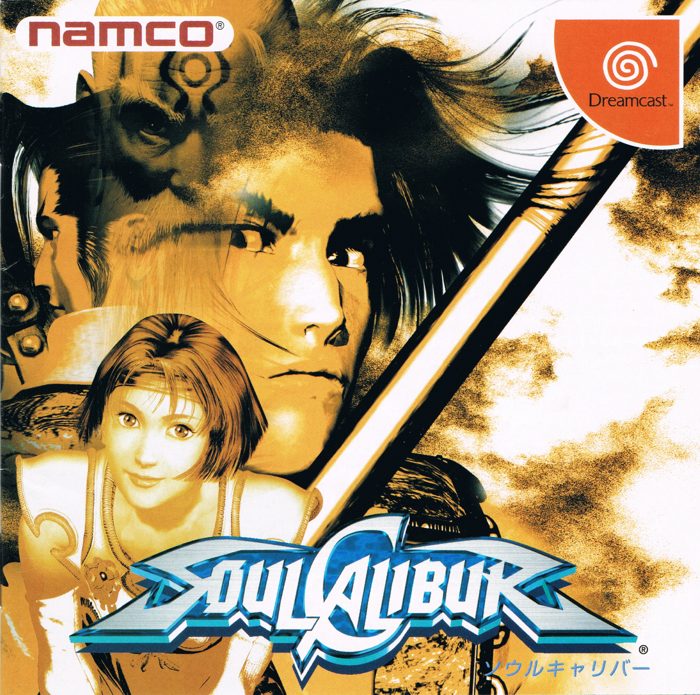
Japan · 1999
The same painting washed in gold under the Namco badge, a duotone instead of a colour print.
The History
A seven month conversion that outscored the arcade original and sold the Dreamcast: how SoulCalibur was made, and how it was received.
Beyond Arcade Perfect
Why is the Dreamcast SoulCalibur better than the arcade original?
The Nine Year Exclusive
Why did SoulCalibur stay a Dreamcast exclusive for so long?
JOJO'S BIZARRE ADVENTURE
Capcom · Dreamcast · 1999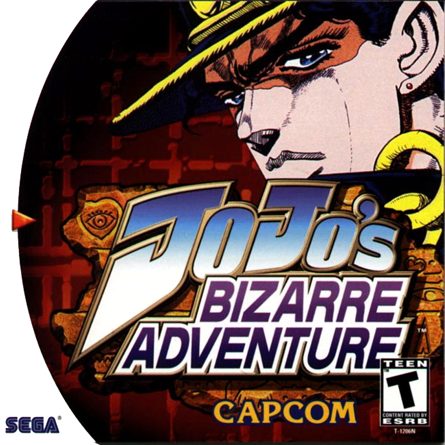
America · 2000
A painted close up of Jotaro's face, and the Heritage name dropped from the title.
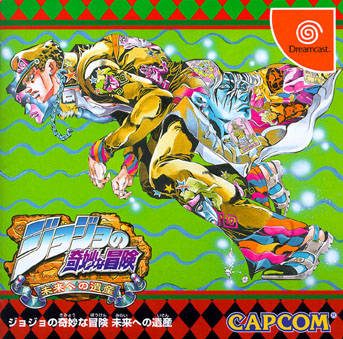
Japan · 1999
Araki's own art: Jotaro thrown into a full pose against green, Heritage for the Future on the logo.
The History
The Street Fighter III team draws a manga, with its author consulting: how JoJo's Bizarre Adventure was made, and how it was received.
The Stands
How do Stands work in JoJo's Bizarre Adventure?
Two Games, One Disc
Why does the Dreamcast JoJo's Bizarre Adventure have two games on one disc?
The Author's Hand
What did Hirohiko Araki do for the JoJo fighting game?
MARVEL VS. CAPCOM 2
Capcom · Dreamcast · 2000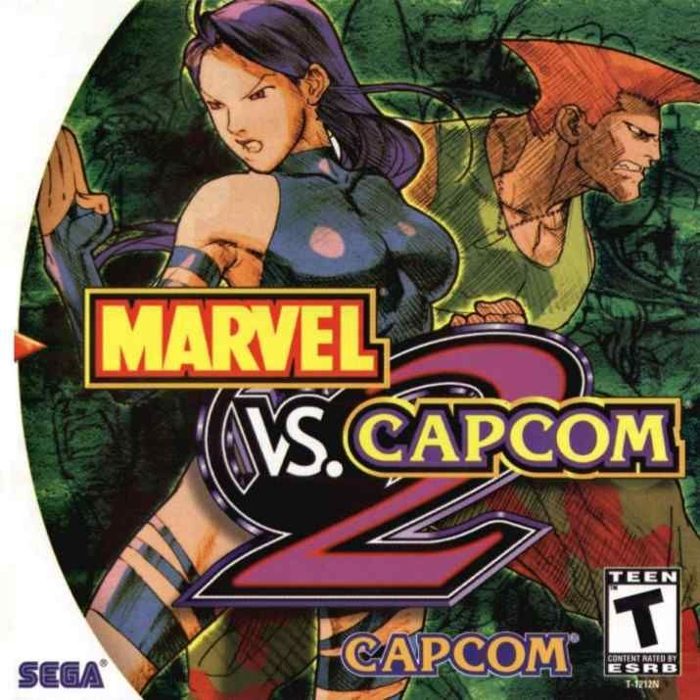
America · 2000
Psylocke and Guile lunging out of a full colour comic panel.
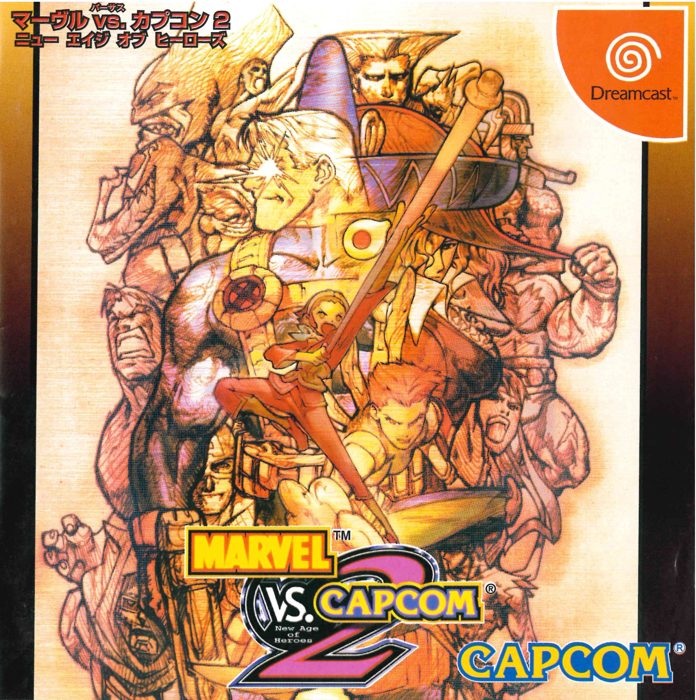
Japan · 2000
One inked, sepia crowd instead: Cable at the centre of the whole roster, drawn.
The History
Fifty six characters on NAOMI, home in a week, delisted in 2013, back in 2024: how Marvel vs. Capcom 2 was made, and how it was received.
The 56
Why does Marvel vs. Capcom 2 have 56 characters?
The Definitive Disc
Why did the Dreamcast Marvel vs. Capcom 2 stay the definitive version for so long?
CAPCOM VS. SNK 2
Capcom · Dreamcast · 2001
America · No Dreamcast edition
The Dreamcast version was released in Japan only, so no American cover exists and none is shown.
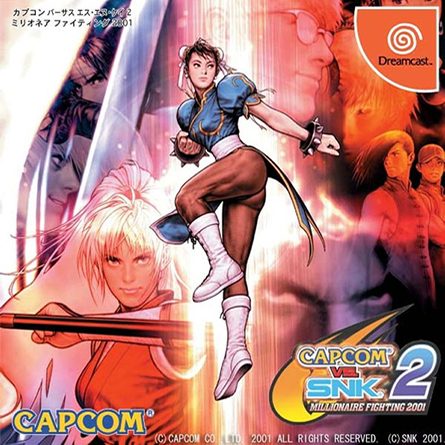
Japan · 2001
Chun-Li at the centre of the merger, Ken and Kyo flanking her, Millionaire Fighting 2001 on the logo.
POWER STONE
Capcom · Dreamcast · 1999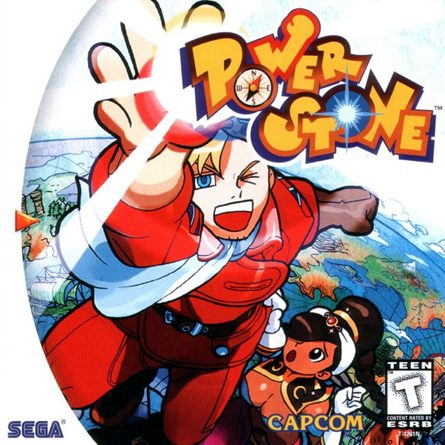
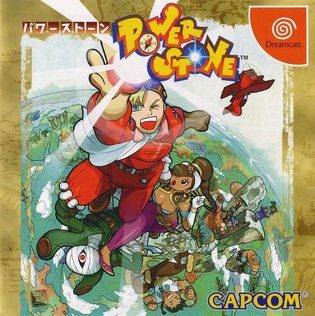
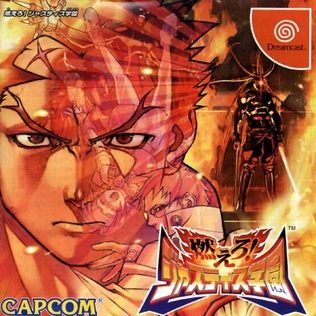
PROJECT JUSTICE
Capcom · Dreamcast · 2000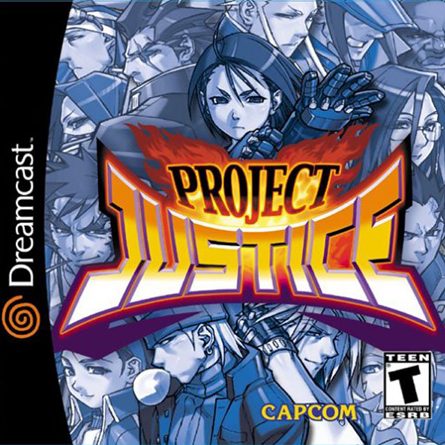
X-MEN VS. STREET FIGHTER
Capcom · Saturn · 1997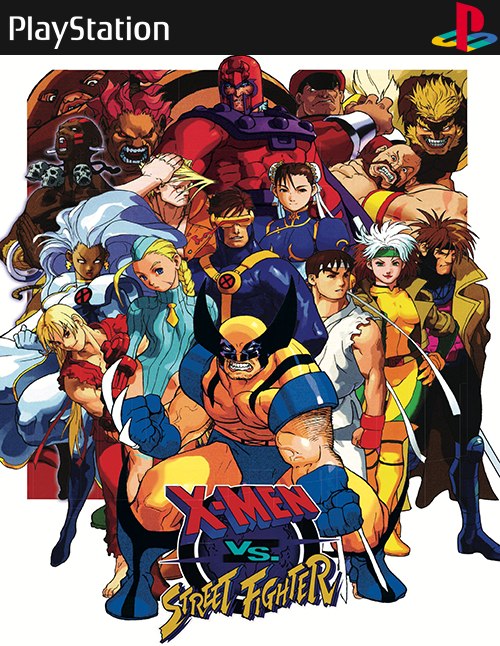
America · PlayStation · 1998
America never got the Saturn version. This PlayStation box, same cast painting, no tag teams inside, is the box American buyers actually took home.
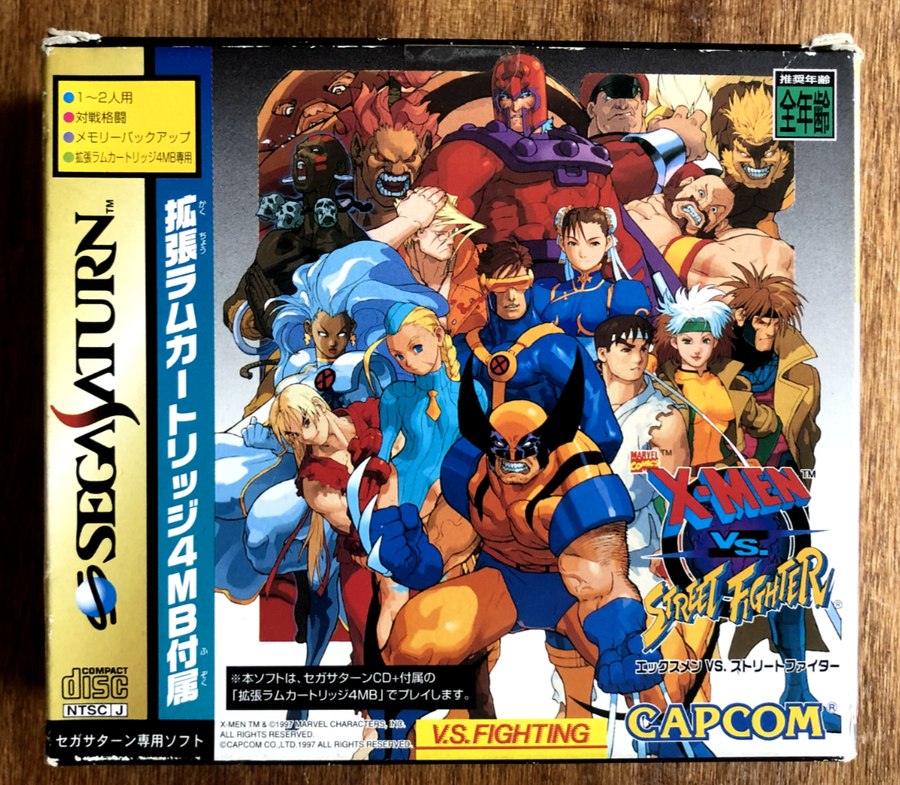
Japan · 1997
The Japanese Saturn box is a wide carton for a reason: the blue band down the side announces the bundled 4MB RAM cartridge the game cannot run without.
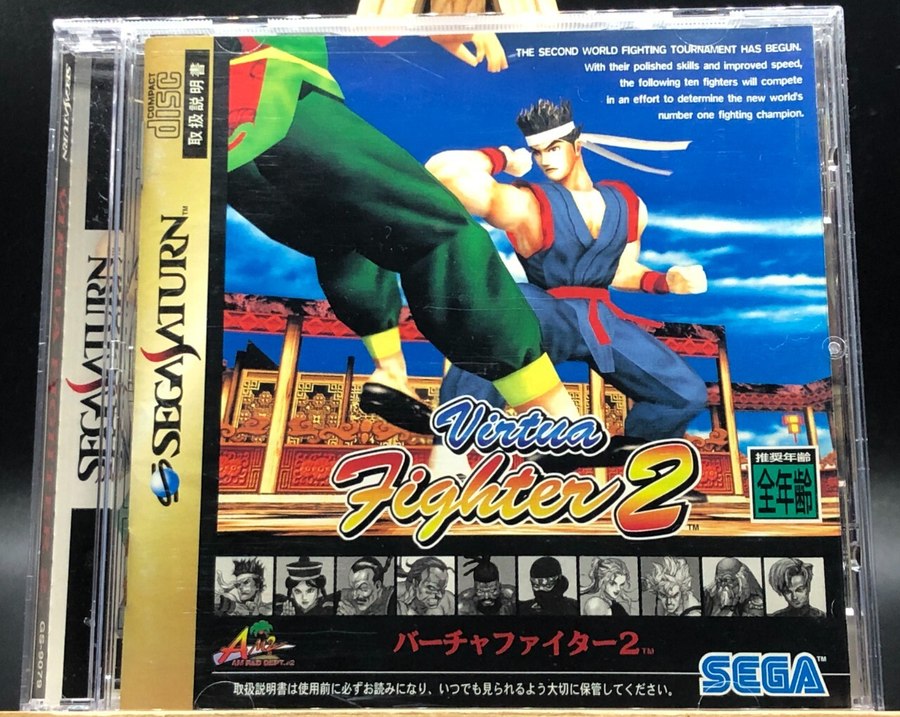
VIRTUA FIGHTER 2
Sega · Saturn · 1995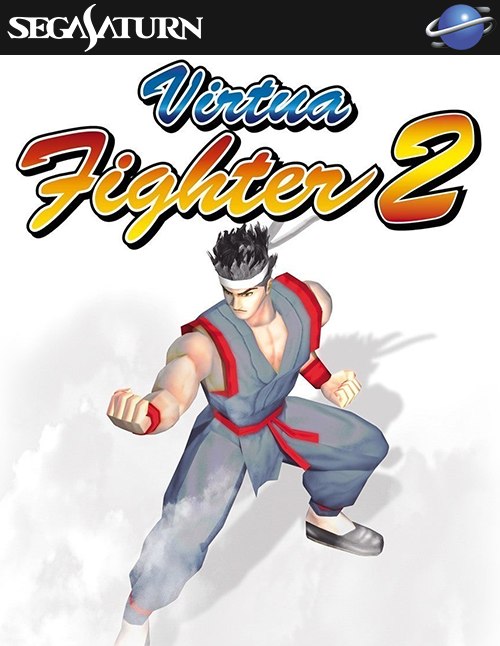
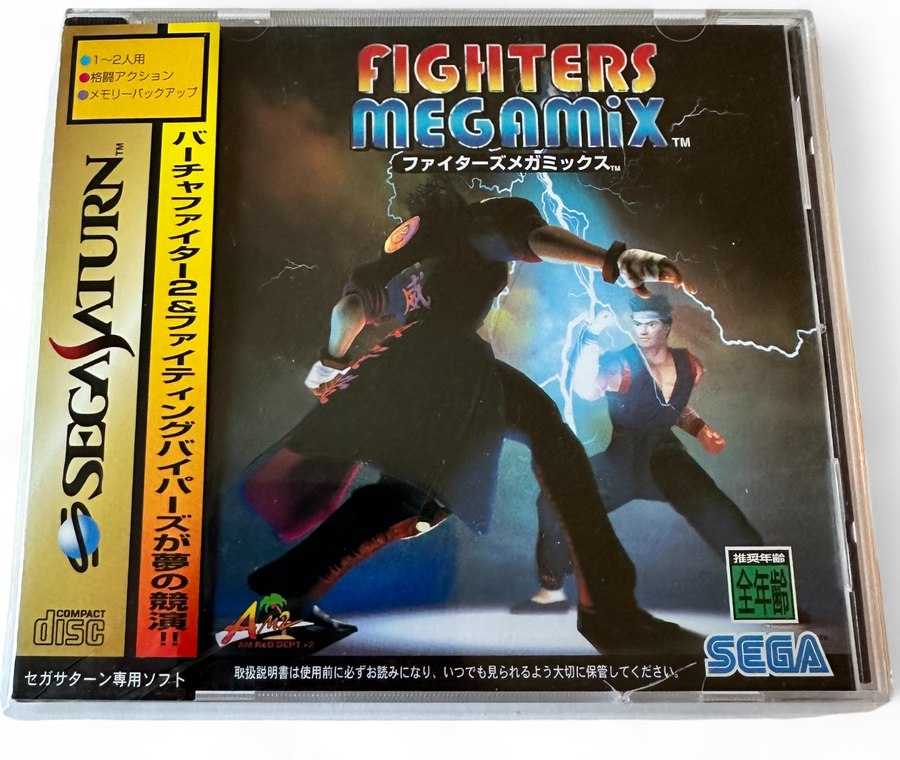
FIGHTERS MEGAMIX
Sega · Saturn · 1996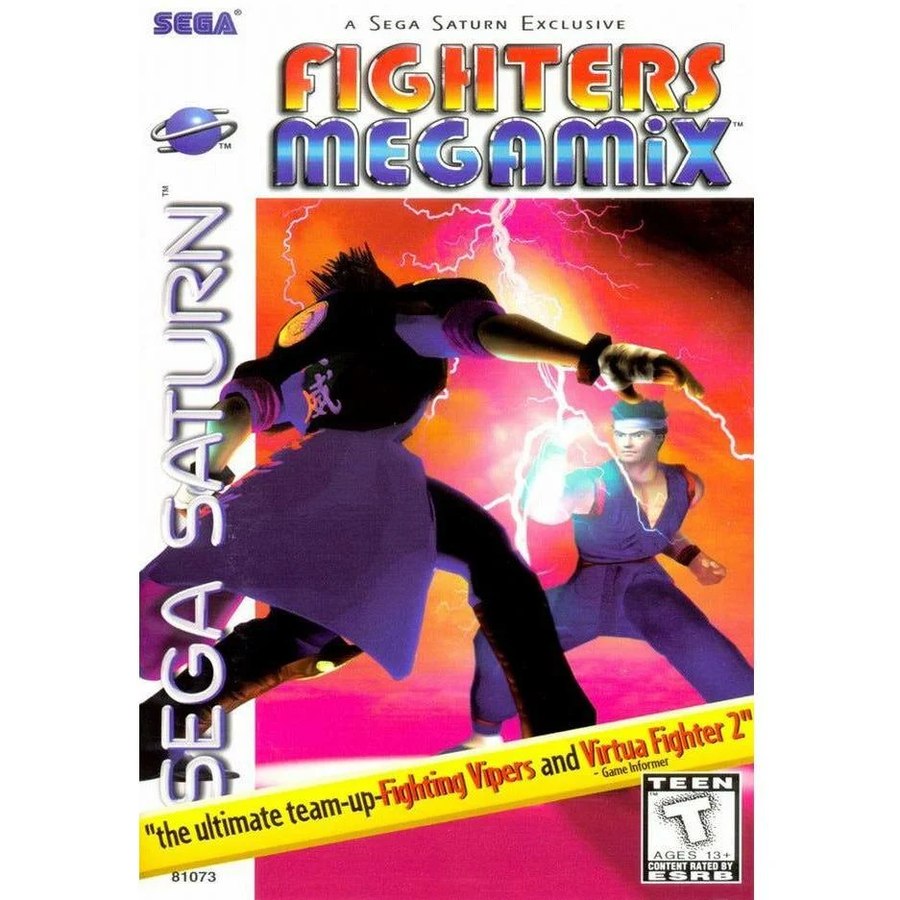
KILLER INSTINCT GOLD
Nintendo · Nintendo 64 · 1996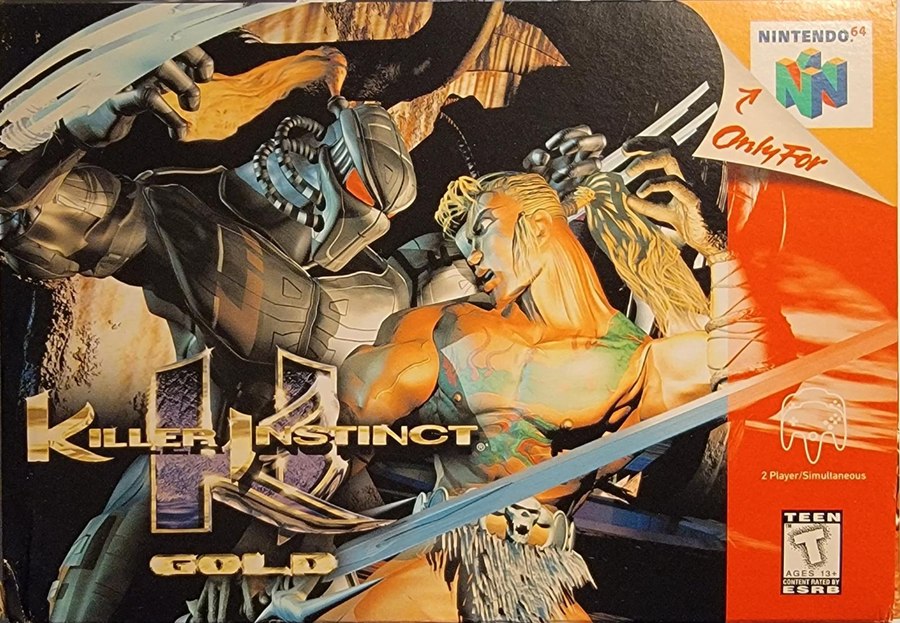
FIGHTERS DESTINY
Ocean · Nintendo 64 · 1998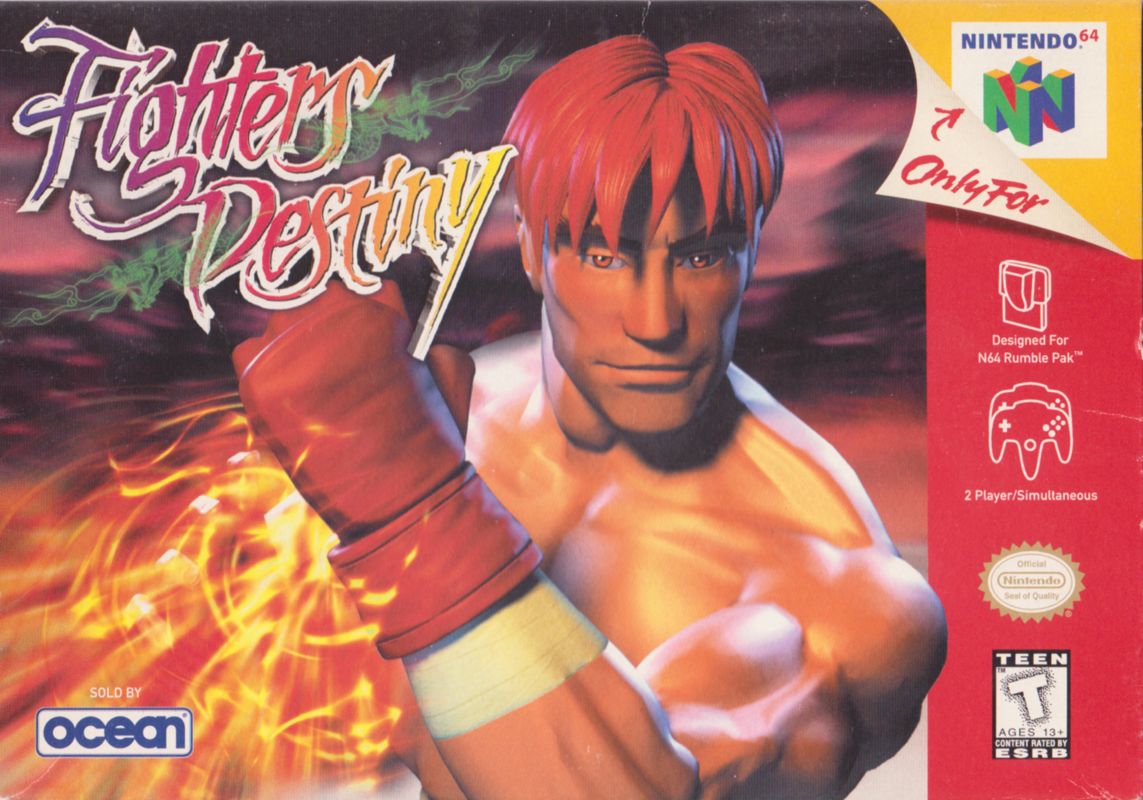
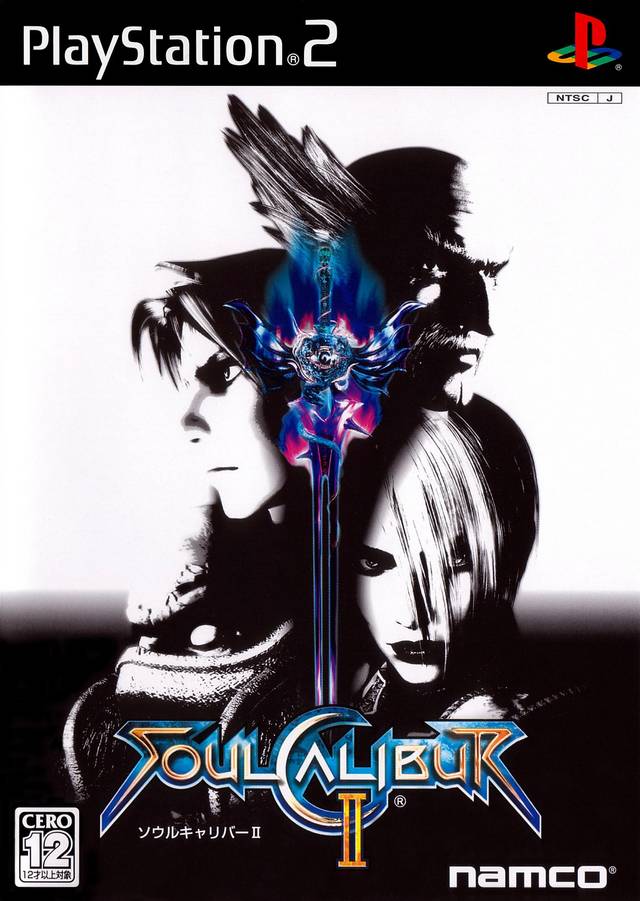
SOULCALIBUR II
Namco · PlayStation 2 · 2003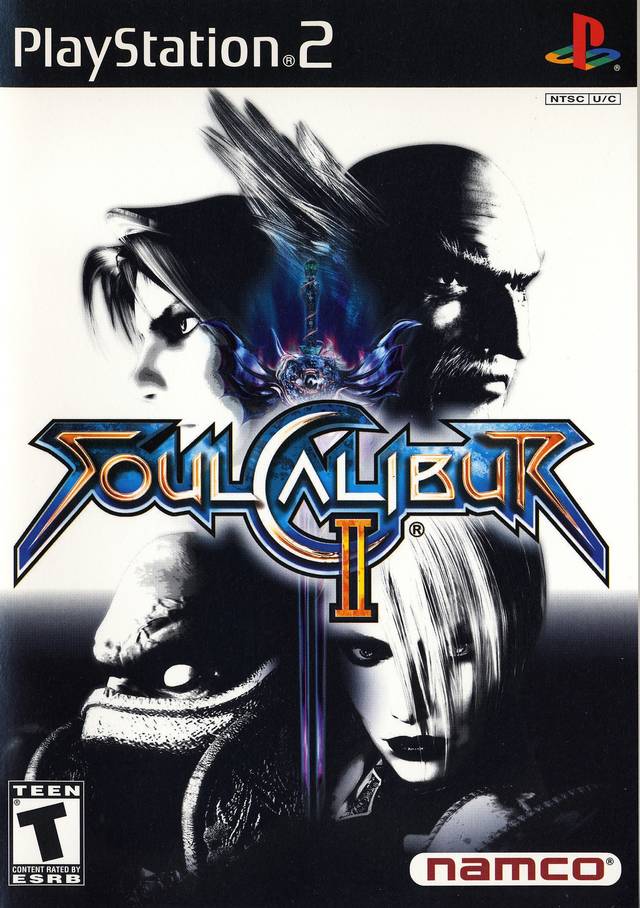
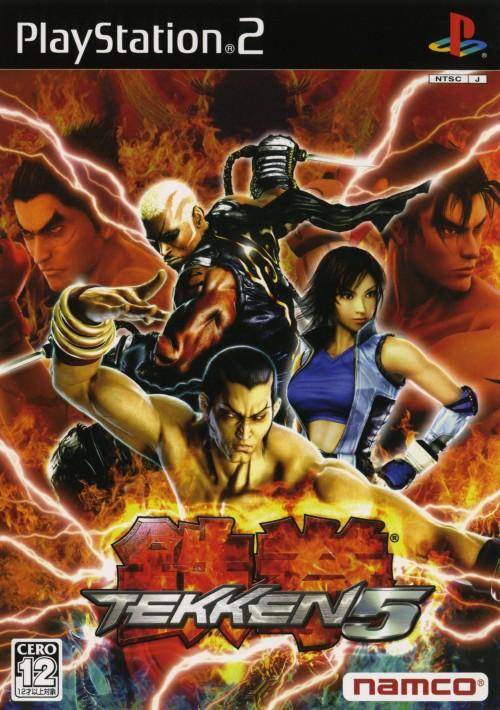
TEKKEN 5
Namco · PlayStation 2 · 2005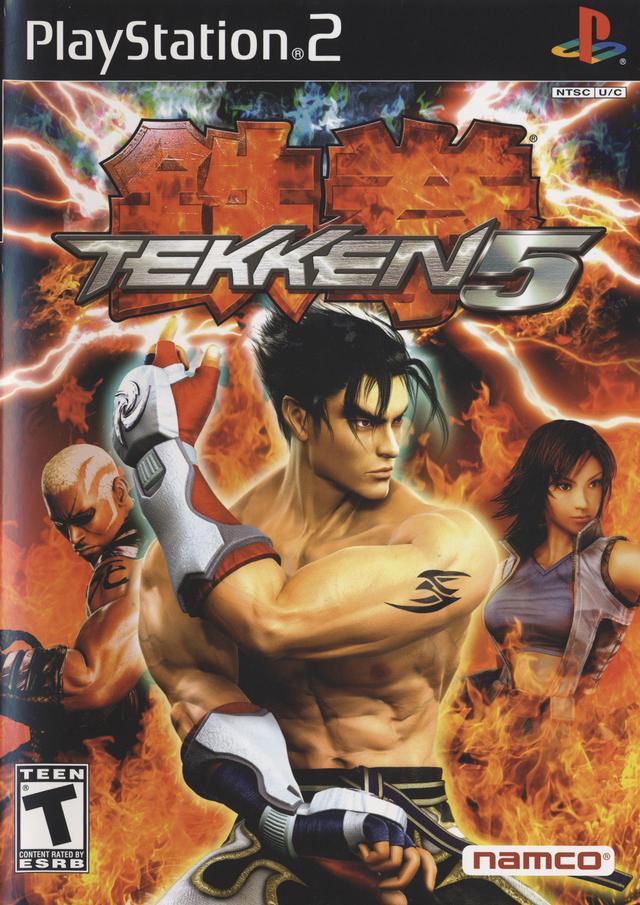
VIRTUA FIGHTER 4
Sega · PlayStation 2 · 2002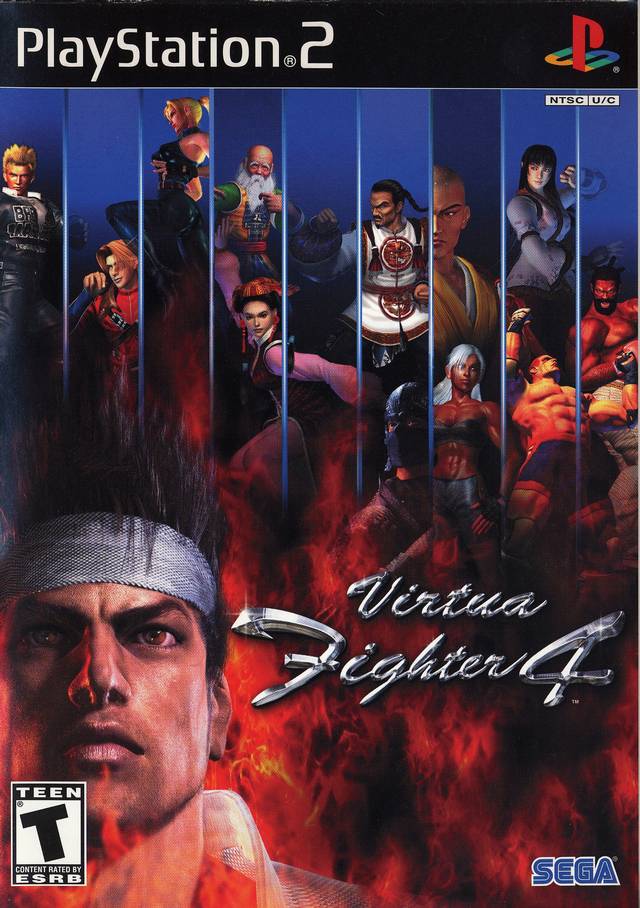
America · 2002
The American box cools the cast bands to blue and recuts the logo in chrome silver.
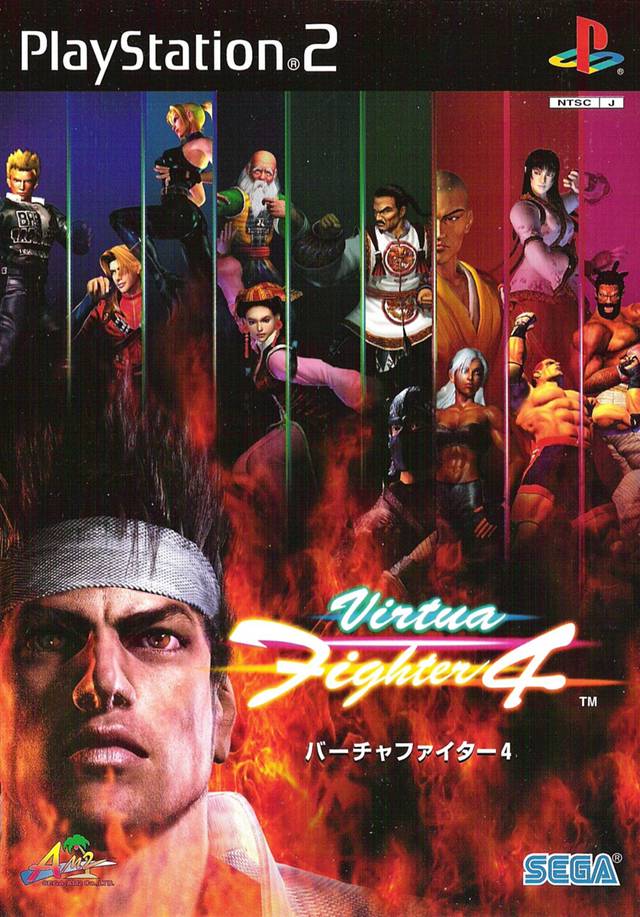
Japan · 2002
The Japanese box runs the same cast in colored bands, with the logo in neon script. One painting, two temperatures.
The History
The deepest fighter of its generation, sold twice: how Virtua Fighter 4 and Evolution were made, and how they were received.
The $20 Launch
Why did Virtua Fighter 4: Evolution launch at a budget price?
The School
Why was Virtua Fighter 4's training mode so influential?
The Quest
What is Quest mode in Virtua Fighter 4: Evolution?
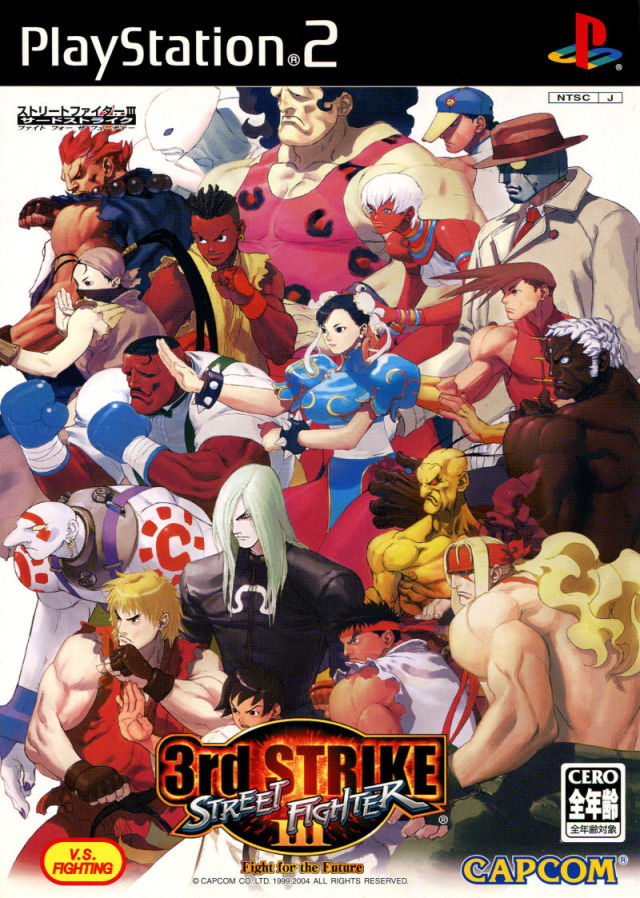
STREET FIGHTER III: 3RD STRIKE
Capcom · PlayStation 2 · 2004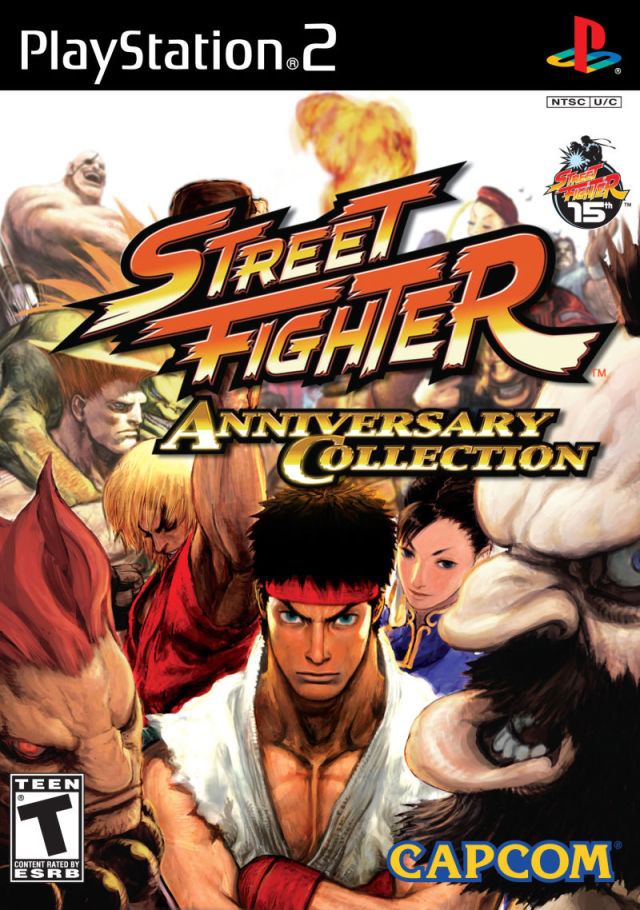
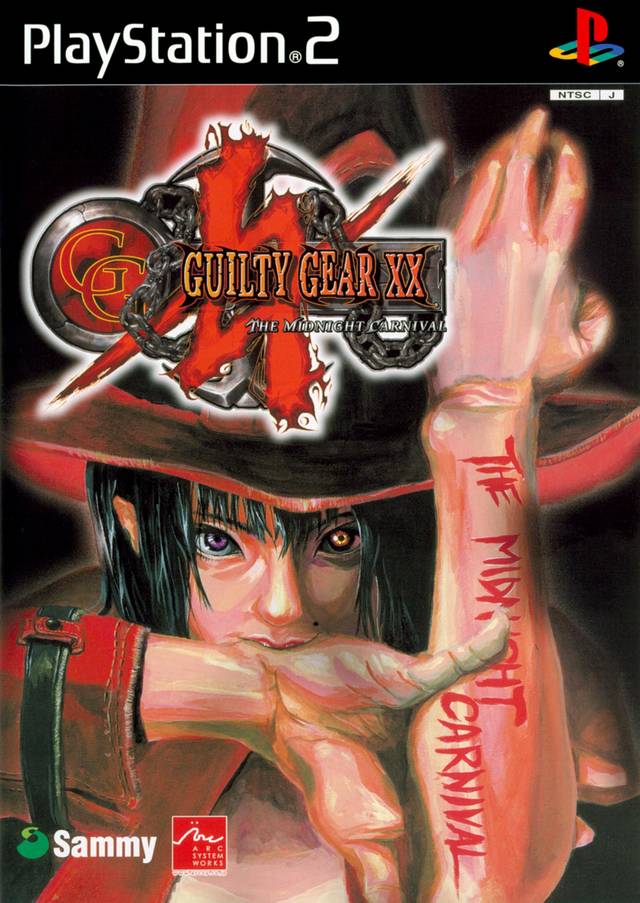
GUILTY GEAR XX
Arc System Works · Sammy · PlayStation 2 · 2002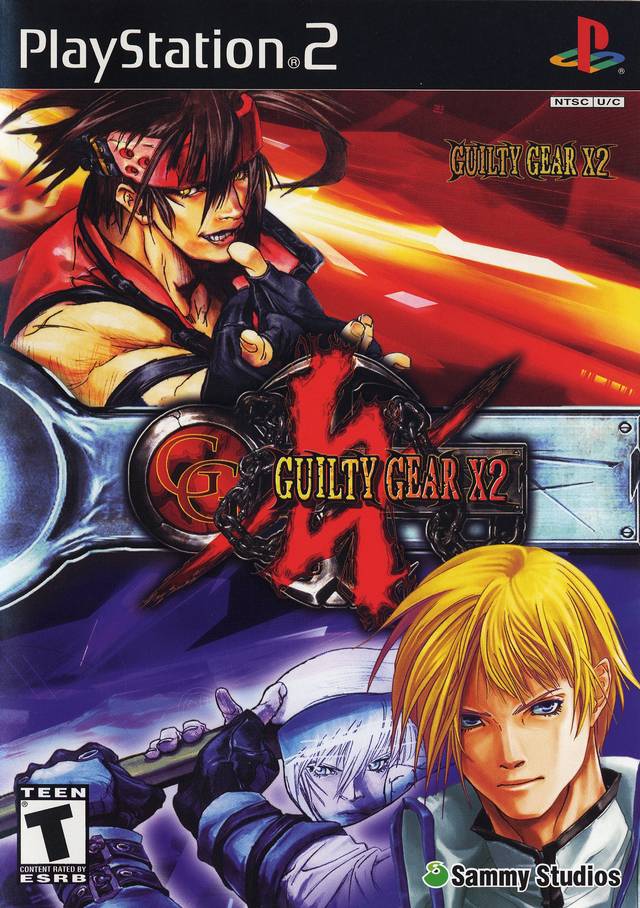
DEF JAM: FIGHT FOR NY
EA Games · AKI · PlayStation 2 · 2004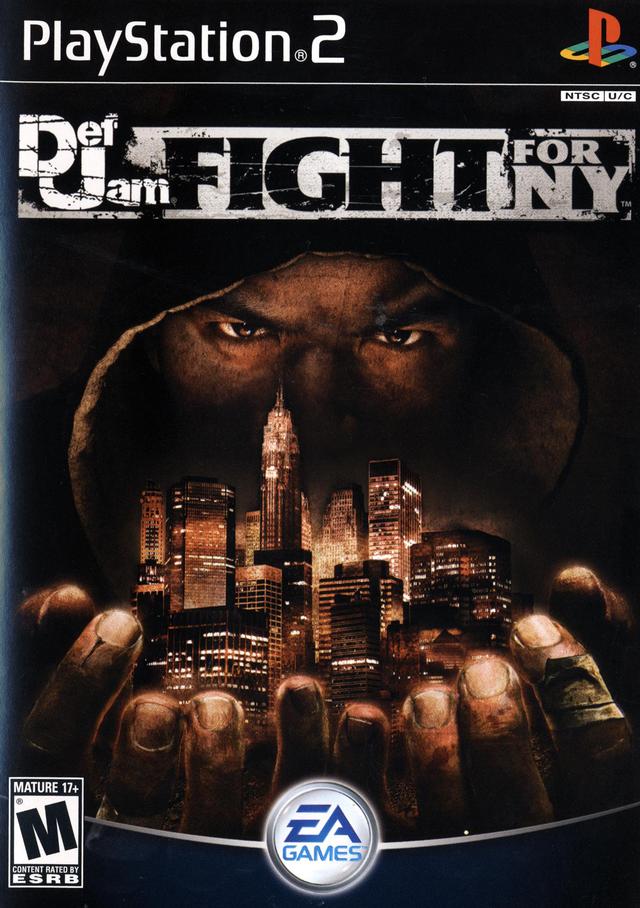
America · 2004
No fighter on the box at all: a hooded stare over a skyline cupped in two hands. The license itself is the cover star.
Japan · 2005
Japan kept the painting untouched and added only the katakana subtitle and a CERO 15 mark. This file is a smaller scan, flagged in SOURCES.md as a swap-in candidate.
STREET FIGHTER II
Capcom · Super NES · 1992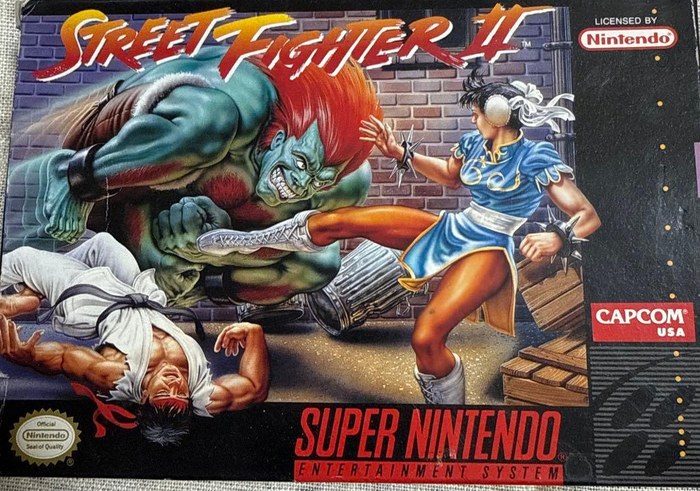
America · 1992
Blanka rears over a floored Ryu while Chun-Li strikes. The box that had to stand in for the arcade, and outsold every expectation of it.
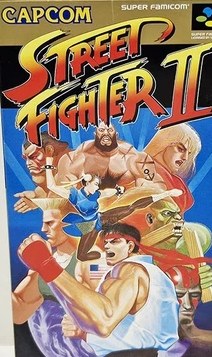
Japan · 1992
The Japanese box gathers the whole cast around Ryu, on the first 16 megabit cartridge the Super Famicom ever carried.
The History
The home ports as a phenomenon: the 1992 Super NES conversion, Turbo, Special Champion Edition, and 14 million cartridges.
The System Seller
Why did the SNES Street Fighter II matter so much in 1992?
The Three Button Problem
What did the Genesis Street Fighter II have to solve with a three-button pad?
The Music
Who wrote Street Fighter II's music? Yoko Shimomura, country first, then at danger tempo.
MORTAL KOMBAT II
Midway · Super NES · 1994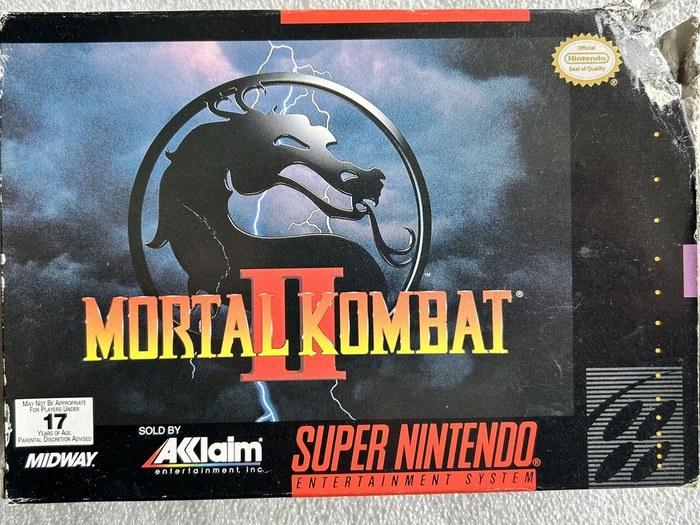
America · 1994
The American Super NES box. Read the white label at lower left: "May Not Be Appropriate For Players Under 17." That warning was the settlement, printed on the box.
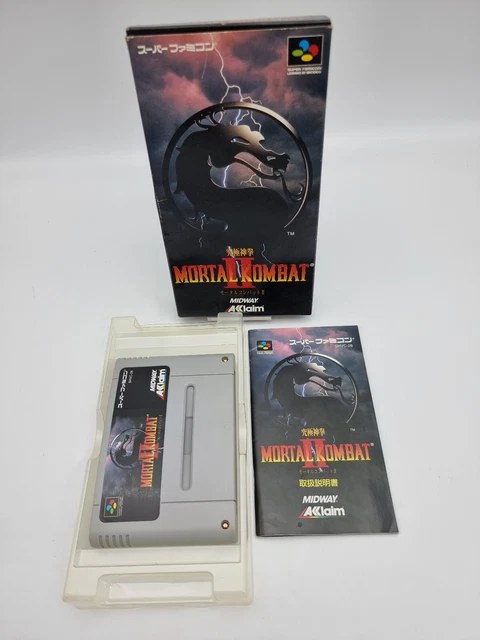
Japan · 1994
The Japanese edition, shown as the complete package. In Japan the same game shipped with its blood recoloured green.
TMNT: TOURNAMENT FIGHTERS
Konami · Super NES · 1993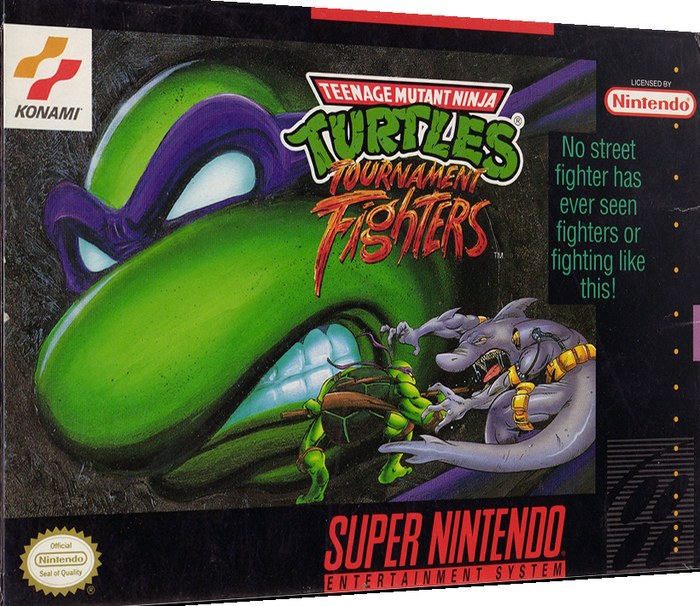
America · 1993
Donatello fronts the American Super NES box, with Armaggon lunging below. One of three different games that shared this title.
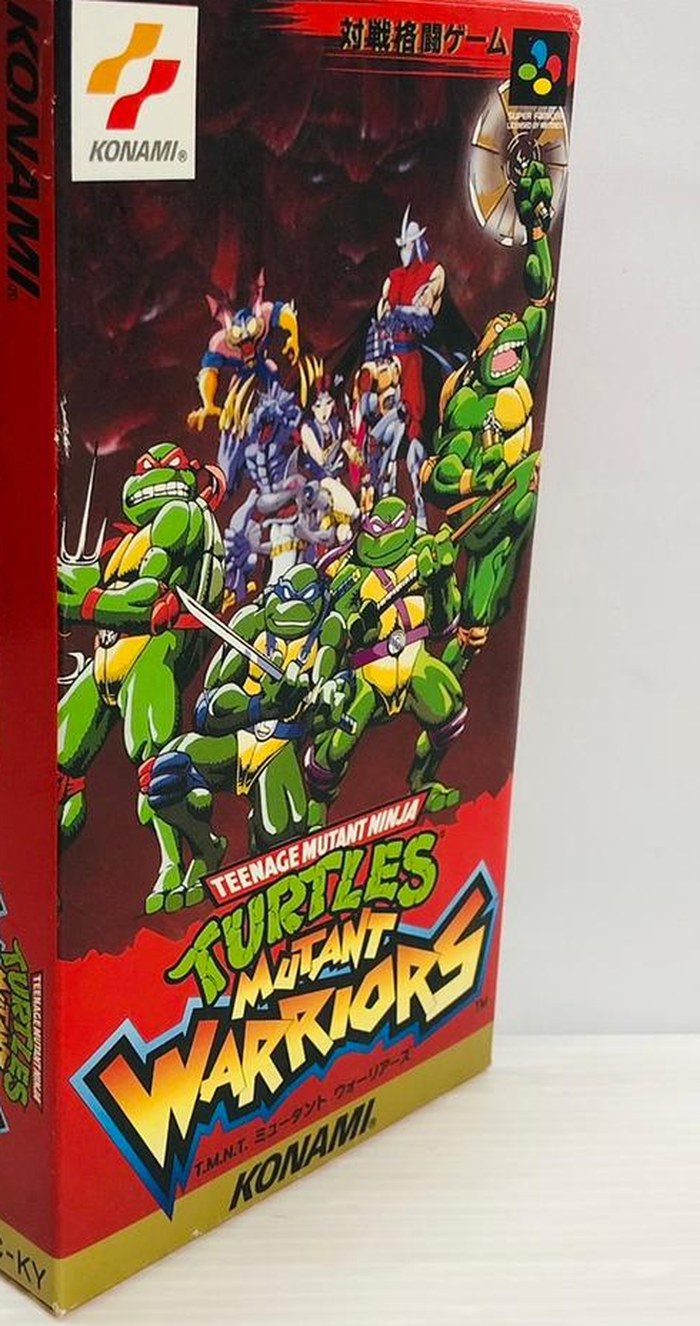
Japan · 1993
In Japan the Super NES game is Mutant Warriors, its box crowded with the whole roster. A different name for a game already different from its siblings.
DRAGON BALL Z: SUPER BUTODEN
Bandai · Super Famicom · 1993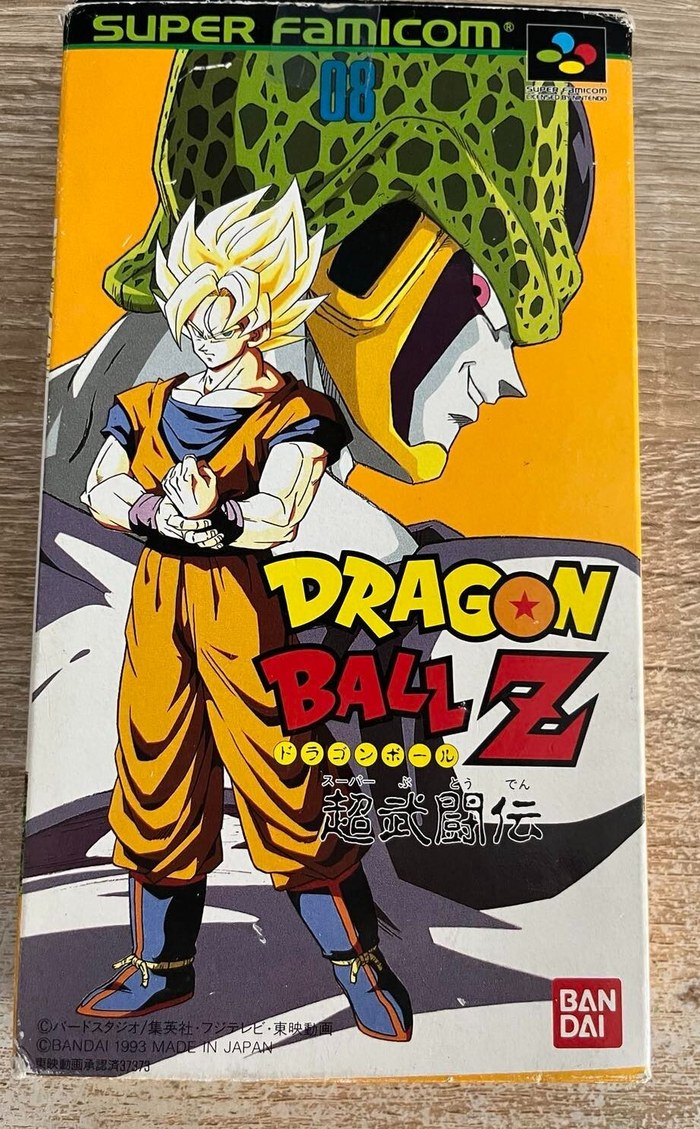
Japan · 1993
Super Saiyan Goku in front of Cell on the Japanese box: the first Dragon Ball fighting game, and a million seller at home.
America · No Box
No American box exists. Super Butoden was never released in North America in the 16-bit era, so this shelf shows the gap honestly instead of borrowing another game's art.