Why Did Power Stone's Arena Fighting Not Become the Genre Standard?
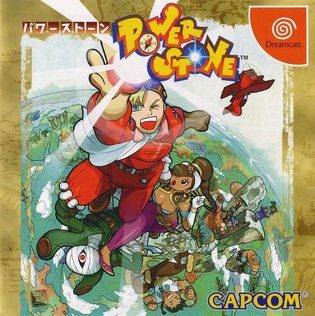
Power Stone (1999) proposed a different fighting game: full 3D arenas, usable furniture, three buttons, no blocking. Critics loved it and the genre, on the evidence, admired it and carried on without it. This page separates what the makers said on record from what the sales record shows, and labels its conclusion as a reading of that record, not a Capcom verdict.
THE DESIGN ANSWER
What made it welcoming is what the genre runs onStart with the makers' own record. Power Stone was deliberately built against the genre's core skills: Tezuka removed the guard button and called that removal the decisive break from the mould, and simplified the controls to three buttons after testing six and two. Blocking, high low mixups, and long command lists are not decoration on a standard fighting game; they are the curriculum the competitive scene organises itself around. A game that deletes them can be a wonderful game, and by the reviews it was, but it offers the tournament ladder little to climb. The arena standard Power Stone proposed asked the genre to give up its own foundations, and the genre declined.
THE COMMERCIAL ANSWER
200,000 copies, a sequel on a dying machine, then silenceThe market never forced the issue. Power Stone sold about 200,000 copies, well reviewed and thinly bought, and the series has never appeared on Capcom's Platinum Titles list of million sellers. Power Stone 2 (2000) answered the standing criticisms, four players, more chaos, and arrived as the Dreamcast itself was failing. After the PSP collection of 2006 the series slept until the 2025 Fighting Collection re-release. Genres standardise around hits that spawn imitators on healthy hardware; Power Stone spawned neither the sales nor the hardware window.
What survived instead were the ideas, travelling separately: free running arena combat resurfaced in later arena fighters and brawlers, and the era's other great reinvention of the fighting game, Nintendo's Smash Bros. line, grew from platform fighting rather than from Power Stone's arena. The standard stayed where it was: two fighters, a lane, a guard button.
THE HONEST FOOTNOTE
No post mortem exists, and this page does not fake oneCapcom has published no official post mortem explaining the series' path, and the creators' on record comments point the other way: Tezuka told The Guardian in 2019 that he still receives fan requests and would love to make a new Power Stone. The two answers above are this Library's reading of the documented record, the design intent in the makers' own words and the sales figures, not a verdict Capcom has issued. The full record is on the history page.
THE GAME ON THE SHELF
Power Stone