
What Inspired Guilty Gear?
Guilty Gear looks like it was adapted from something: an anime, a manga, a metal album. It was not adapted from anything, but its creator, Daisuke Ishiwatari, has been unusually specific over the years about what fed into it. This page collects only the influences he has actually stated in interviews, or that reference works document from his accounts.
That discipline matters here, because Guilty Gear attracts invented influence lists the way it attracts fan art. What follows is the shorter, verifiable version: one manga named outright, one game named outright, and the music he has named again and again.
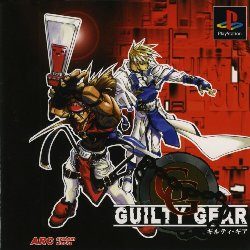
THE TWO COVERS
Same game, two sales pitches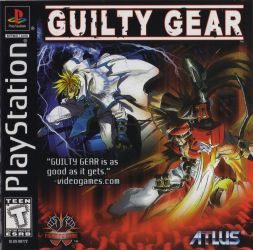
THE MANGA
Bastard!!, in his own wordsAsked at Anime Expo 2009 what favorite anime had figured into Guilty Gear, Ishiwatari corrected the question. In the translated interview published by UCLA's Asia Pacific Arts, he said: It wasn't anime that inspired me, but manga. The manga that inspired me was Bastard. The manga is Bastard!! by Kazushi Hagiwara, a heavy metal soaked dark fantasy, and Ishiwatari has cited it as an inspiration for Guilty Gear's character designs and fashion.
The borrowing goes deeper than artwork. Bastard!! is known for naming its characters, locations and key objects after rock and heavy metal musicians. Reference works on Ishiwatari document that he borrowed exactly that trait into Guilty Gear, which is why the series' naming works the way the companion page on this site catalogues. He also said he created the series hoping it would appeal not only to game fans but to anime fans too, and later admitted he had not expected the anime community's response to be as big as it was.
THE GAME
Street Fighter II, then a deliberate swerveTHE MUSIC
Queen first, metal alwaysIshiwatari's route into Western music is documented in unusual detail. He started listening to it young, after his elementary school used Queen's Don't Stop Me Now for an assembly. The first album he picked up was Whitesnake's self titled album. He has said Queen will always be his favorite band. In a 2009 interview with The-O Network, asked which bands inspired his music, he named two above the rest: Helloween and Judas Priest, pointing to the fast beat, heavy metal songs.
Around the release of BlazBlue he said he was listening to Queen and the heavy metal band SOiL, and his documented favorite artists in 2001 included The Beatles, Slayer and Ringo Sheena. The last two names matter beyond taste: reference works document that Slayer inspired his character Slayer, and Sheena inspired I-No. The influences on this page are only the ones Ishiwatari has actually stated or that reference works tie to his own accounts. The longer lists of supposed influences that circulate among fans go further than the evidence, and this page does not follow them there.