
The History of Virtua Fighter 4
Virtua Fighter 4 is a 2001 fighting game developed by Sega AM2 under Yu Suzuki and published by Sega, the fourth entry in the series that invented the 3D fighter. It streamlined Virtua Fighter 3's systems, removed the evade button, added the Sabaki, an attack that doubles as a reversal, and introduced Vanessa Lewis, with two switchable fighting styles, and the Shaolin monk Lei-Fei. Taka-Arashi, added in Virtua Fighter 3, was cut when the team could not make the sumo wrestler work inside the new mechanics.
Its PlayStation 2 life came in two acts, and the second act is the famous one. The 2002 port was a critical triumph; the 2003 Evolution revision then launched in North America only in the budget Greatest Hits line, at $20, with two more fighters and the Quest mode. Both acts are documented below.
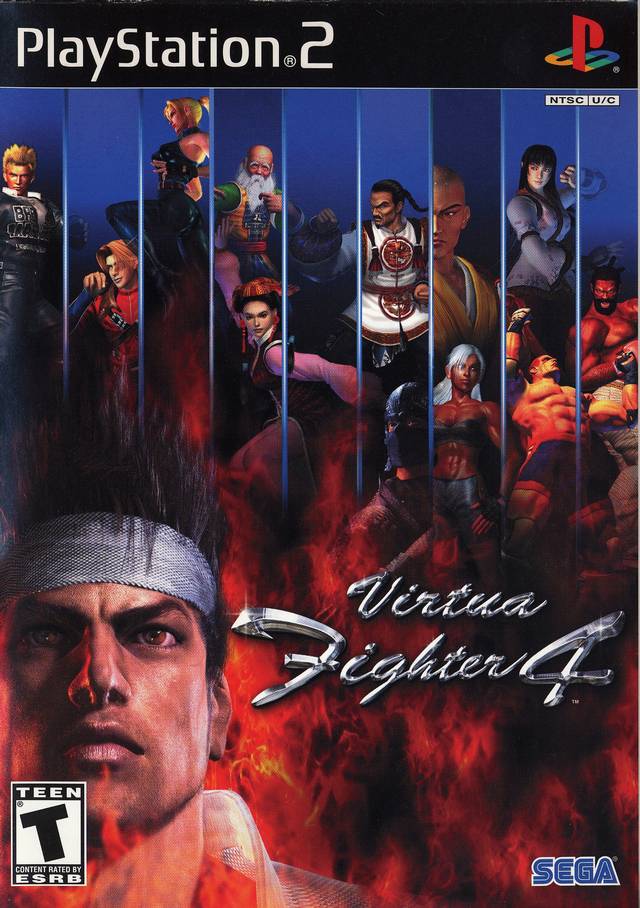
THE TWO COVERS
Japan and America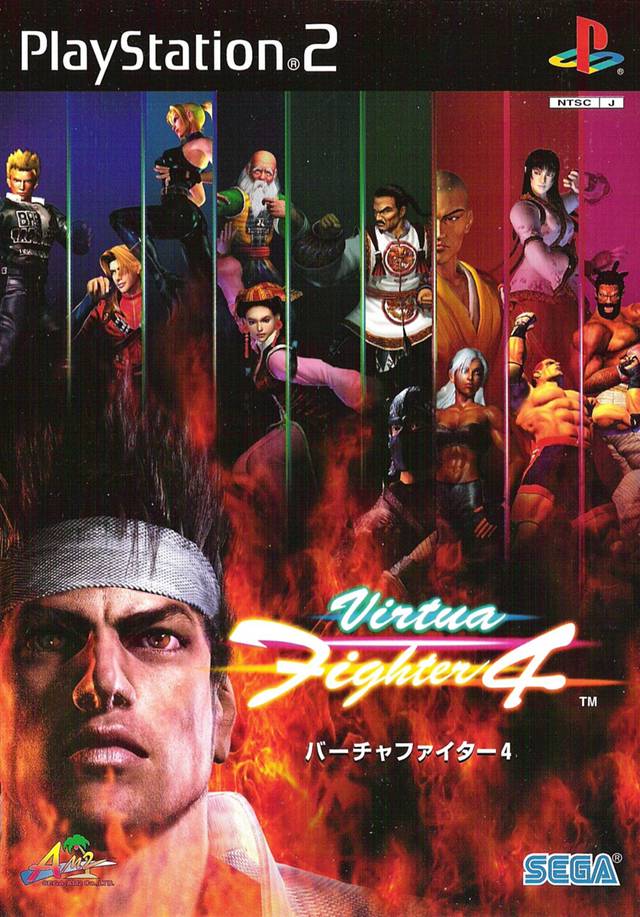
HOW IT WAS MADE
AM2 and the NAOMI 2The arcade game ran on Sega's NAOMI 2 board and launched in Japan on 2 August 2001. AM2's design work was subtraction as much as addition: flat, square arenas returned in place of Virtua Fighter 3's sculpted terrain, the dedicated evade button was removed and evasion rebuilt around timing, successful and unsuccessful evades, with throw escapes expandable during an evade. The result played faster and friendlier than its predecessors while keeping the series' frame level depth underneath.
The PlayStation 2 port, January 2002 in Japan and March 2002 in North America, was the series' first appearance on a non Sega console, and AM2 loaded it: a comprehensive training mode, a Kumite single player ladder against customized AI fighters, and an AI training feature. Evolution followed in arcades in August 2002 and on PlayStation 2 in 2003, adding judoka assassin Goh Hinogami and Muay Thai fighter Brad Burns, rebalancing every returning character, and replacing Kumite with the arcade hopping Quest mode. A final arcade revision, Final Tuned, closed the line in July 2004.
HOW IT WAS RECEIVED
The scoresWHAT IT LEFT BEHIND
The teaching gameVirtua Fighter 4's durable legacy is pedagogical. Its training mode treated the player as a student, with an encyclopedia, command drills, and frame level feedback, and Evolution's Quest mode turned the Japanese arcade scene itself into a single player campaign. Both ideas became genre standards, and both have their own pages in this wing. The series continued with Virtua Fighter 5 in 2006.