
From the Library: covers, censuses, and editions, documented. Browse the Library →
SOJ Mortal Kombat ยท Vintage Fighting Games
← Back to the Fighting Games Gallery

Why Did the SNES Mortal Kombat Have Sweat Instead of Blood?

Because Nintendo required the blood to go.

It was not a technical limit and it was not the developers' taste. The SNES was the more powerful machine, and its port was the more arcade accurate one for picture and sound. The grey liquid that flies off every fighter in the SNES version is there because Nintendo's family friendly policies were a condition of release on its system, and Acclaim, which held the home licence, complied.

Sculptured Software, which made the SNES port, worked inside rules it did not set. Its project director Jeff Peters later said the team's hands were tied on gore, and that everyone believed the sweat and the altered Fatalities hurt SNES sales.

THE OTHER SIDE OF THE SPLIT

What the SNES was not allowed to be
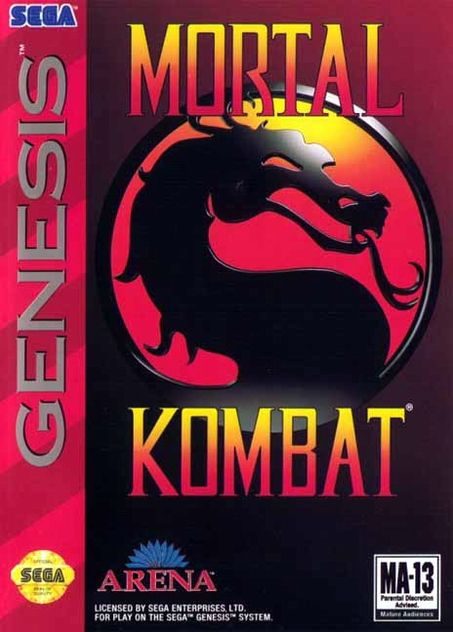
Mortal Kombat US Genesis cover
United States, Genesis
The Genesis box, published by Arena. Note the MA-13 rating from Sega's Videogame Rating Council in the corner: the rating the uncensored code sat behind.

THE POLICY

Nintendo controlled its cartridges
No ratings system of its own
Before 1994 the industry had no unified rating system. Sega built its Videogame Rating Council in June 1993. Nintendo refused to use its rival's system and instead relied on controlling the cartridge manufacturing process, publishing only games it considered appropriate for a family console.
The requirement
Nintendo required Acclaim to change the red blood to grey sweat, edit the Fatalities, and change other artwork, including removing elements such as severed heads on spikes.
A brand decision
Nintendo of America executive Howard Lincoln defended the standards at the December 1993 Senate hearing, and observers noted his testimony earned more respect from Senator Lieberman than Sega's defence of its code. The censorship was a positioning choice, and Nintendo said so in public.

WHAT WAS CHANGED

More than a colour
The sweat itself
The sweat effect was a palette colouration added after Nintendo's decision to censor the game. It is the blood animation, recoloured grey. A Game Genie code, BDB4-DD07, could revert the colour to the original red, which tells you how cosmetic the change was.
Sub-Zero
The arcade spine rip, the most notorious Fatality of all, became a freeze and shatter: the opponent is frozen solid and then broken. His ending text was also softened, with his reason for entering the tournament changed from assassination to destruction.
Cage and Raiden
Johnny Cage's head punching Fatality became a shadow kick through the chest, and Raiden's electrocution reduced opponents to dust instead of exploding a head. Across the roster, Fatalities were renamed in effect if not in fact: finishing moves, with the gore designed out.

WHAT IT COST

The sequel tells the story

The censored SNES version was outsold by the Genesis version by a factor of five, despite looking and sounding better. Co-creator Ed Boon later recounted that he had pleaded against the censorship on exactly those grounds: all it would do is ensure the Genesis version sold more.

Nintendo's own behaviour is the clearest verdict on the policy. After the Senate hearings and the creation of the ESRB, Mortal Kombat II was released on the SNES without censorship, and Nintendo did not take issue with its violence. The sweat era lasted exactly one game.

More fighting games →

THE FIRST WORD

First word on new listings, plus a subscriber promo code for the eBay store.