
The History of Dead or Alive
In the mid 1990s Tecmo was in serious trouble. After years of investing heavily in sports games against EA's rise, the company had posted three consecutive years of losses and was on the verge of bankruptcy by 1995, in desperate need of a new game to turn things around.
Management asked programmer Tomonobu Itagaki to build either a fighting game like Sega's Virtua Fighter or a racing game like Daytona USA. He chose fighting. The result, built by Tecmo Creative #3, the team that became Team Ninja, was released in arcades on November 26, 1996, and it did considerably more than turn things around.
HOW IT WAS MADE
A fan's answer to Virtua FighterTHE RELEASE
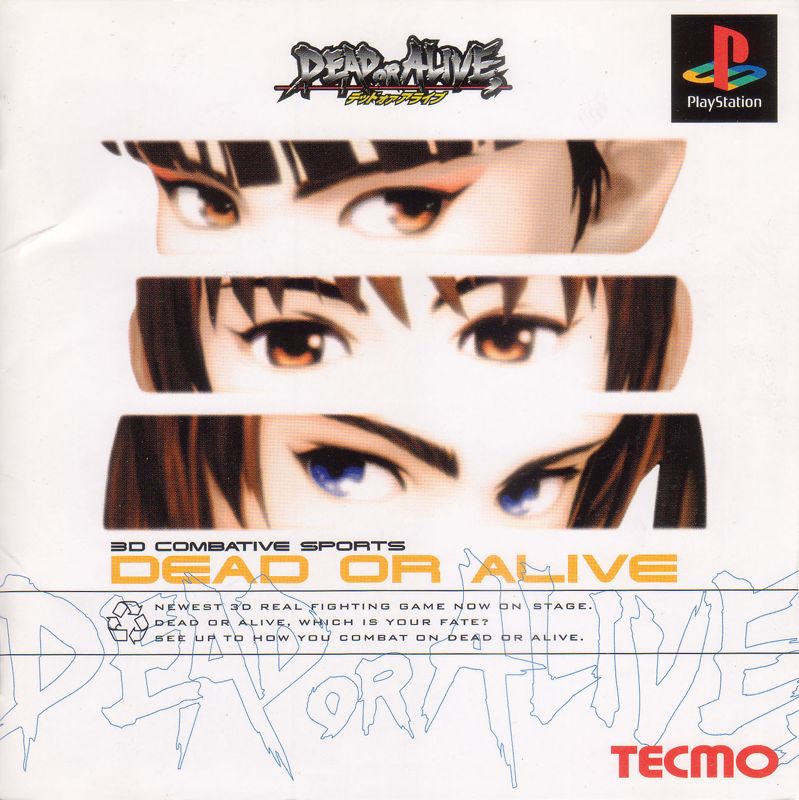
Arcade first, then two very different home versionsTHE TWO COVERS
Same game, two shelves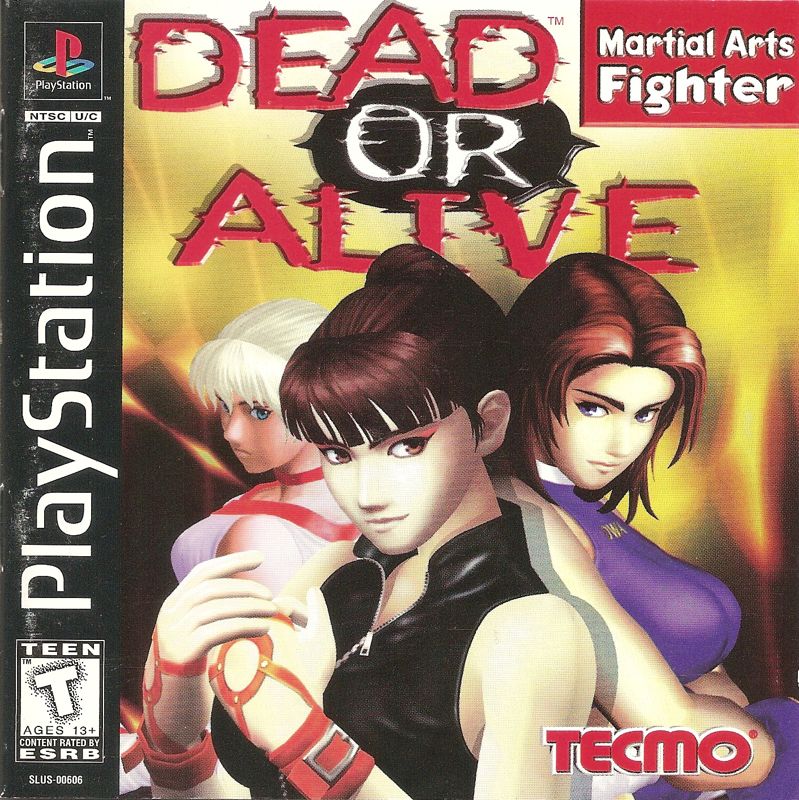
HOW IT WAS RECEIVED
The hold system won the reviewsWHAT IT LEFT BEHIND
A franchise, and a house styleDead or Alive 2 arrived in 1999, and the series became one of Tecmo's flagships: five main sequels, numerous updates and spin offs, and a film adaptation followed. Its identity never changed. Speed, simple commands, reaction time, the hold based counter system, and stages that hurt you remained the formula, and the countering system in particular became the series' signature contribution to the genre.
In 2004, Tecmo collected the early games as Dead or Alive Ultimate for Xbox. The enhanced version of the first game was based on the Saturn version, because it was Itagaki's preferred version, with smoother graphics, surround sound, and Xbox Live play, making the package one of the first fighting games with online play.
The critics kept it on the lists. GamesRadar placed the game at number 28 among the best Sega Saturn games, praising its high speed, rock, paper, scissors style of play, and in 2011 Complex ranked Dead or Alive as the seventh best fighting game of all time. For a game made by a company that was one failure from closing, seventh best of all time is a remarkable return on a wager.