
Why Did the Genesis Mortal Kombat Outsell the SNES Version?
On paper the SNES version should have won. Its picture and sound were closer to the arcade. What it did not have was the game people had queued for in arcades: Nintendo had the blood recoloured to sweat and the Fatalities rewritten, permanently, with no way back. The Genesis version shipped tame too, rated MA-13, but the arcade violence was sitting in the code, one well publicised cheat away.
That difference, not hardware loyalty, is the explanation every contemporary account points to. This page also separates the documented size of the win from the numbers that grew in retelling.
THE GENESIS COVER
The box that carried the rating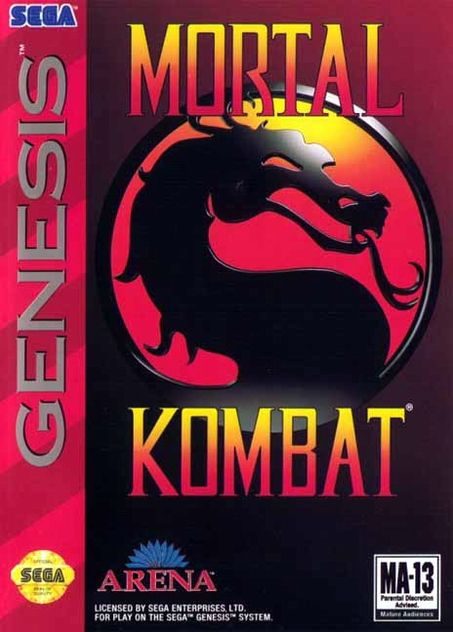
THE CODE
ABACABBTHE DOCUMENTED GAP
What the record supportsTHE NUMBERS THAT GREW
Lore, labelled as loreAsk around and you will hear other ratios. Three to one and four to one both circulate widely, and a GameFAQs trivia entry, for example, states a 4 to 1 ratio as part of an anecdote about Ed Boon predicting the result. That entry cites no source for its figure. No source opened for this page documents three to one or four to one with sales data behind it, while five to one is the ratio carried by both the hearings history and the SYFY account. The honest sentence is: Genesis outsold SNES by a wide, documented factor of five, and smaller round numbers in retellings should be treated as folklore.
The mechanism, at least, is not folklore. GamePro's contemporary verdict, quoted by SYFY Wire, was that although the graphics did not live up to the SNES, the great gameplay, the better control and the special blood enabling option made the Genesis cartridge the winner. Electronic Gaming Monthly scored the ports the same way, 8.25 out of 10 for Genesis against 7.25 for SNES.
And the control experiment already happened. A year later Mortal Kombat II arrived on the SNES uncensored, with the ESRB in place, and the SNES version outsold the Genesis version. Remove the censorship, and the Genesis advantage disappeared with it.