
Why Is Soul Edge Called Soul Blade in America?
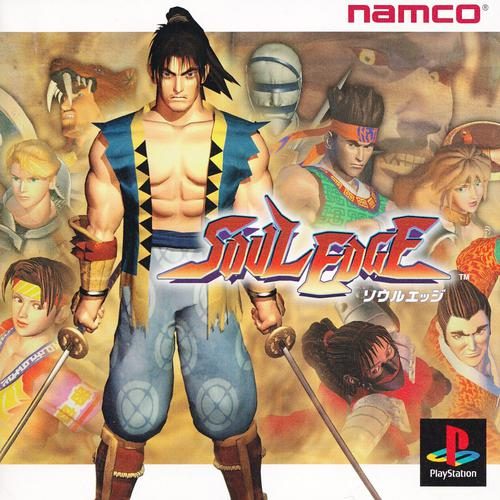
The game did not change. The name on the box did. In Japan the PlayStation version kept the arcade title, Soul Edge. In North America, Europe and Australia in 1997 it was released as Soul Blade, and only the overseas PlayStation version was renamed. The question is who Namco was avoiding, and how hard they were actually pushed.
This page separates the two carefully, because the story is usually told one step stronger than the evidence supports.
THE TWO COVERS
Same art, two names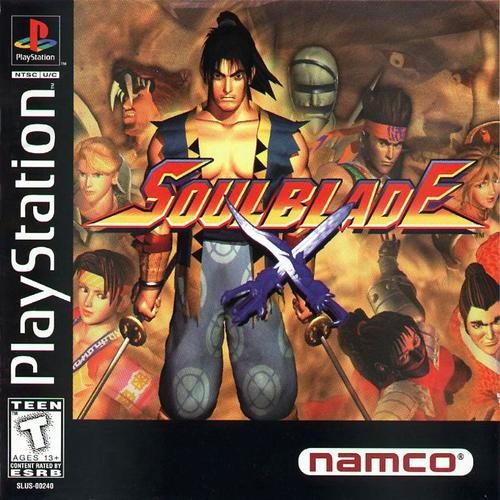
WHAT IS DOCUMENTED
The careful versionWHAT IS ONLY REPORTED
The stronger version, labelledThe lawsuit version is not documented the same way. Retellings often say Langdell sued Namco and forced the change. Time Extension, reporting in December 2024, puts it differently: Langdell's legal activity against Namco regarding Soul Edge was ultimately unsuccessful, but Namco decided to rename the game Soul Blade outside Japan to avoid any potential issues. A threat that a company chooses not to test is not the same as a case that company lost, and no source opened for this page shows a court ordering Namco to rename the game.
The magazine version is a garbled cousin of the same story. Edge magazine was not the trademark owner Namco was avoiding. Future Publishing licensed the trademark from Langdell for its EDGE magazine in 1993, then bought out the relevant part of the trademark from him in 2005. The magazine and the game were two separate collisions with the same man's mark, which is how the two stories became tangled together in retelling.
The later history supports the cautious reading. Langdell's 2010 action against Electronic Arts over Mirror's Edge ended in settlement, Edge Games was forced to surrender many of its registrations, and the United States Patent and Trademark Office cancelled all of its trademarks in 2013. The mark that renamed a Namco series did not survive its owner's biggest fight.