
Why Does Bushido Blade Have No Health Bars?
Most fighting games measure damage in points and let a character absorb dozens of hits. Bushido Blade (Lightweight, 1997) measures damage in body parts. There is no health gauge and no time limit, and most hits cause instant death. The design was deliberate, stated by the director before the game was even out, and it is the reason a fight here can end in a single hit.
This page answers both halves of the question together, because they are the same answer: why there is no health bar, and why one hit can be enough.
THE ANSWER IN FOUR PARTS
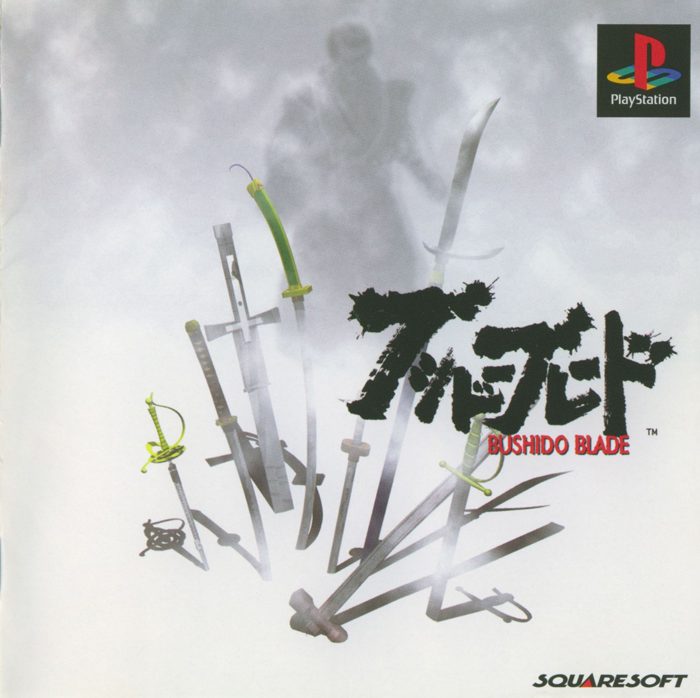
Design, not omissionTHE TWO COVERS
Same game, two shelves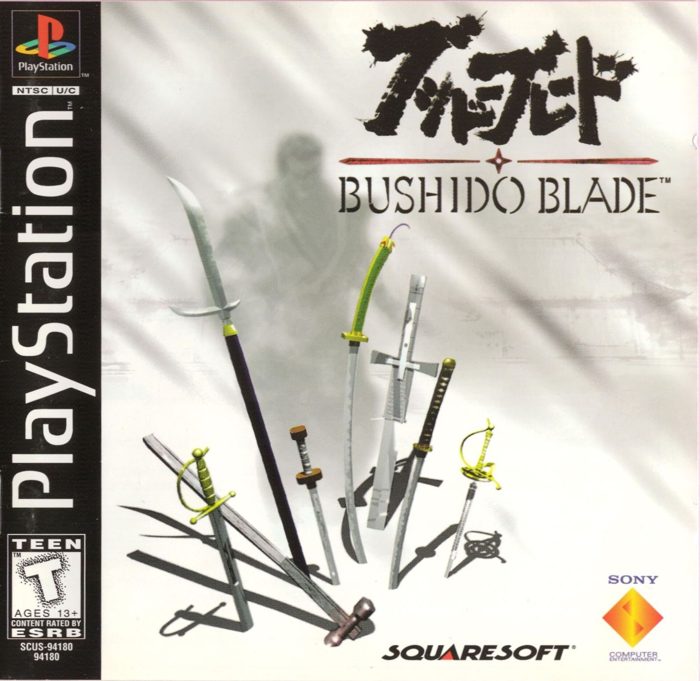
WHY A FIGHT CAN END IN ONE HIT
The same coin, other sideBecause the game tracks where a weapon lands, a strike to the head or clean across the torso is simply fatal, the way it would be with a real blade. There is no smaller unit of damage to round it down to. GameSpot, scoring the game 8.9 of 10, called the one hit kills Bushido Blade's most exciting and preposterous feature, destined to earn it just as many fans as detractors.
The split among players was real, and it was about exactly this. Three of Electronic Gaming Monthly's four reviewers scored the game 7 or lower, arguing that one hit kills can make victory or defeat feel arbitrary between unskilled players. The fourth, Crispin Boyer, gave it a 9 and made the opposite case: survival depends on your level of concentration rather than how well you have memorized long strings of button taps. You must watch your opponent, read their posture, and predict how they will strike.
The arenas underline the point. Fights roam a large, connected castle compound rather than a fenced ring, so a duel can become a chase through a bamboo thicket or across a bridge before a single decisive exchange ends it. Slash mode makes the arithmetic plainest of all: one fighter, a katana, and 100 opponents, one after another.
THE CODE THAT POLICED THE FIGHT
Honor was a mechanic, not a flavor textThe story mode adds the second half of the design: the Bushido code. Certain tactics are dishonorable, including striking a foe in the back, throwing dust in their eyes, and attacking while they bow at the start of a fight. Fight dishonorably and the game will, past a certain point, end your playthrough on the spot and display a message berating your behavior. How much honor you show in combat also affects the ending, a detail reviewers singled out for praise.
Nakata was specific about which bushido he meant. The code in the game is not the Edo period Hagakure teaching of the way of dying, but an older emphasis on the warrior's own survival. Read together, the two systems are one philosophy: the game removes the health bar so that every strike matters, and then it judges how you chose to strike. Crippling an opponent instead of killing them is legal, effective, and entirely within the rules. Hitting them in the back is how you get thrown out of the story.
The sequel proved how load bearing the code was by removing it. Reviewing Bushido Blade 2 in 1998, GameRevolution noted flatly that the code of Bushido has disappeared, and that you could now hit a downed or fleeing opponent whenever you could land the swipe. The health bar never came back. The honor did not either, and the first game remains the only one of the two that asks not just whether you won, but how.