
The History of Virtua Fighter 2 on Saturn
Virtua Fighter 2 was Sega AM2's 1994 arcade sequel, built by Yu Suzuki's team on the purpose made Model 2 hardware. It was a major arcade hit, selling more than 40,000 arcade units worldwide and becoming, with its predecessor, one of Sega's best selling arcade games of all time. The question hanging over it through 1995 was whether a home console could hold it.
The Saturn port, released in North America on November 30, 1995 and in Japan the next day, answered with a technical rebuild that reviewers called the ultimate arcade translation, and with sales that made it the best selling Saturn game in Japan, where it remains so. This page is the Saturn game's history: the port, the numbers, and the reception.
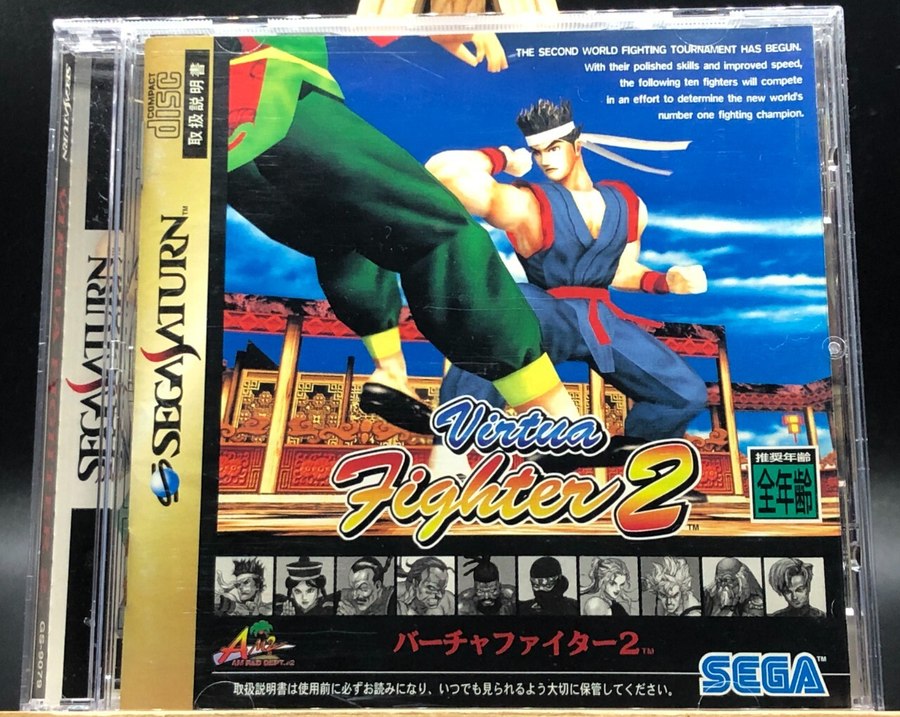
THE TWO COVERS
A portrait in America, a fight in Japan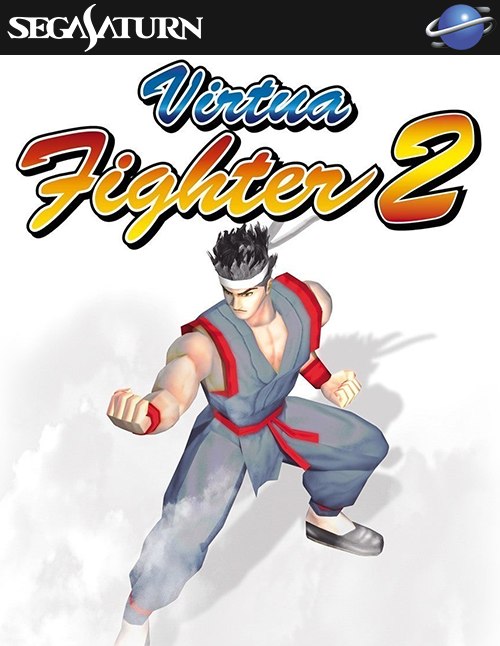
HOW IT WAS MADE
The arcade original, brieflyTHE SATURN PORT
A year of compression, a new graphics libraryHow the port held its frame rate is covered on its own page in this wing. The short version: nothing about it was a straight conversion, and the team said so at the time. Programmer Keiji Okayasu, mid development: with so much data, we can only move slowly, and we could not have made 2 if we had not made the first conversion.
HOW IT WAS RECEIVED
Named scores for the Saturn versionThe arcade game had already taken Gamest's awards for Game of the Year, Best Fighting Game, Best Graphics and Most Popular Game. The Saturn version added GamePro's Best Saturn Game of 1995, and has stayed on best of all time lists from Famitsu, IGN and Electronic Gaming Monthly since. GamesRadar ranked it the third best Saturn game; IGN ranked it second, saying it stands head and shoulders above all 32 bit fighters. All of them.
WHAT IT LEFT BEHIND
The Saturn's defining gameThe sales story is told in full on its own page in this wing. In outline: 1.5 million Japanese preorders, 700,000 copies in two days, 1.7 million copies in Japan, more than 2.2 million across Japan and the United States, and the top selling Saturn game worldwide. In markets where the Saturn struggled, this game was the counter argument; in Japan, it was close to the reason for the console.
The game itself kept traveling: a 2D Genesis remake in 1996, a Windows port in 1997, a PlayStation 2 conversion in 2004, and the arcade original on PlayStation 3 and Xbox 360 in 2012. But its historical weight sits on the Saturn disc: the port that proved a home console could carry the era's defining arcade fighter, and the best selling game its console ever had in Japan.