
Why Was Dead or Alive Famous for Its Counter System?
Every 3D fighter of 1996 had a way to defend. Dead or Alive had a way to attack back while defending, built into a single button. In place of a guard button, the game uses a hold button: press it as an opponent's strike arrives and your fighter grabs the attacking limb. That mechanic, more than the graphics and more than the provocation the series became notorious for, is what reviewers praised and what the series kept for decades.
It worked because it was a system, not a move. This page documents how it worked, and the explosive stage design that completed it.
HOW THE HOLD SYSTEM WORKED
One button, several correct answersTHE DANGER ZONE
The stage was the second weaponReviewers noticed the danger zones immediately. Next Generation's arcade review identified them, alongside the variety of characters, as the game's standout features, and noted that the tough AI forced players to learn the game's more complex moves and strategies rather than coast.
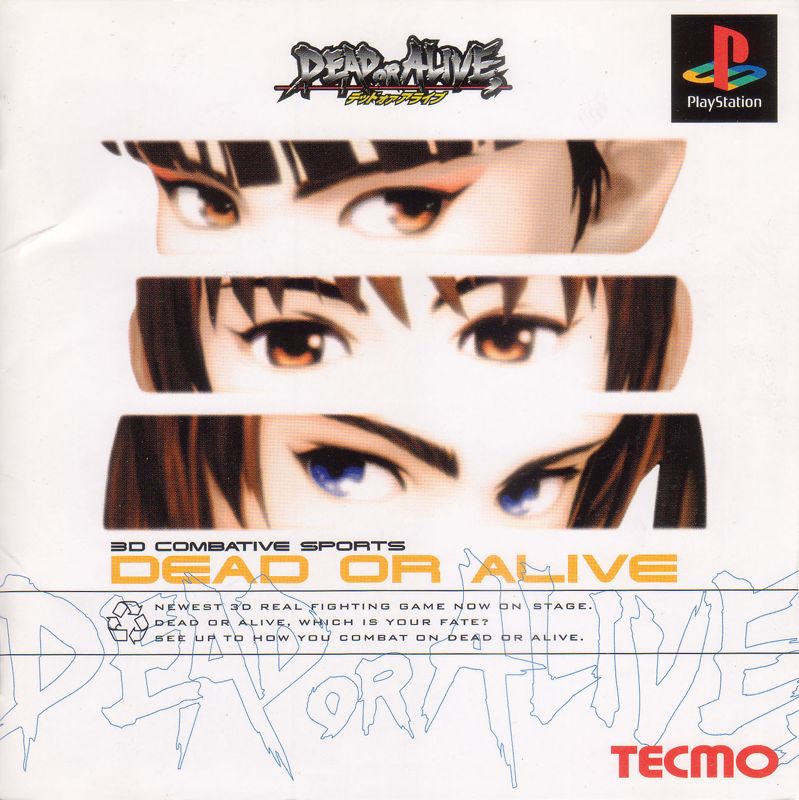
THE TWO COVERS
Same game, two shelves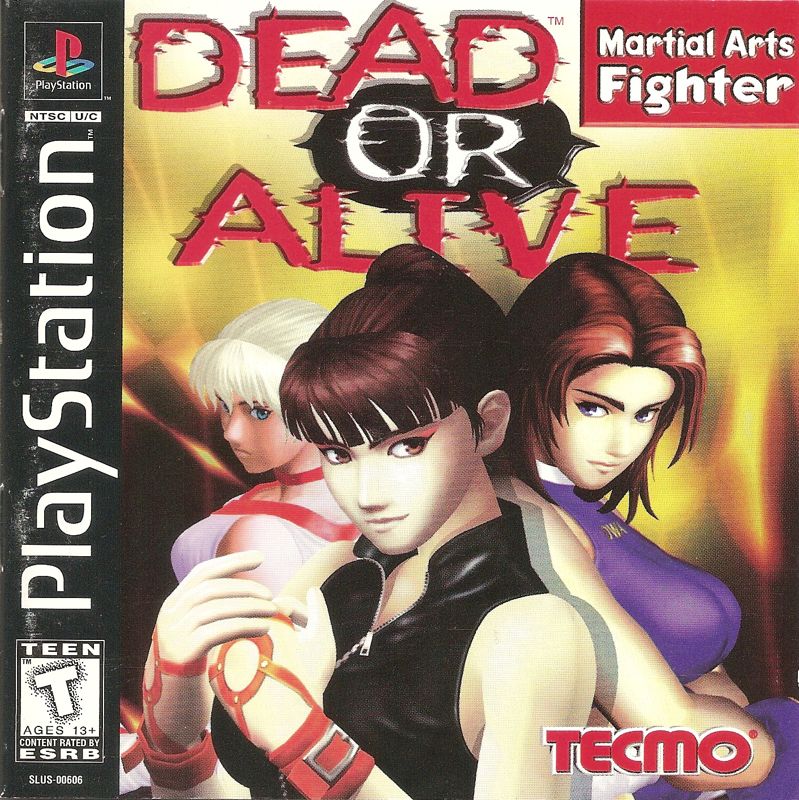
WHY IT CHANGED THE FIGHT
Push and pull, not attack and blockNext Generation put the effect best: the hold mechanic adds a unique tone to the game and blurs the line between offense and defense, replacing the usual fighting game scenario of one character attacking and the other defending with more of a push and pull struggle for dominance. Electronic Gaming Monthly's reviewers agreed in their own terms. Editor in chief John Davison commented that the use of a character's weight and inertia blazes a trail for other games to follow, and Dan Hsu said the system of holds and reversals is the best part of the game.
The system also suited the game's larger bet on speed. Dead or Alive relies on simplistic commands and reaction time rather than long combo strings, and holds reward exactly the skill that leaves: reading an opponent. Skilled players can identify combo patterns on defense and counter accordingly, which in turn forces the attacker to adjust on the fly and become less predictable. Every layer of the game is that negotiation.
Not everyone was sold. GamePro, reviewing the PlayStation version, was one of the few outlets to challenge the mechanic's value, arguing that adding an element of aggression to a defensive tactic reduces the gameplay's depth, and makes Dead or Alive a game for beginners who cannot handle the complexity of other fighting games. History mostly ruled the other way: the hold system became the series' trademark, its inputs refined from game to game, and the original remains the game that first made defense a way to win.