
The History of Fighters Destiny
Fighters Destiny, developed by Genki with Opus Corp and Anchor Inc for the Nintendo 64, looks at first glance like a follower: polygonal fighters in a ring, modeled on the 3D standard of its day. Its one big idea set it apart. Instead of winning rounds, fighters win points, awarded for how an opponent is beaten, and the first fighter to seven points takes the match.
Critics panned its generic characters and praised almost everything else, calling it the best fighting game on the Nintendo 64 and, in IGN's phrase, the most original fighting game in years. It sold poorly anyway. This page is its history: the system, the modes, the odd release order, and the reception that deserved a bigger audience.
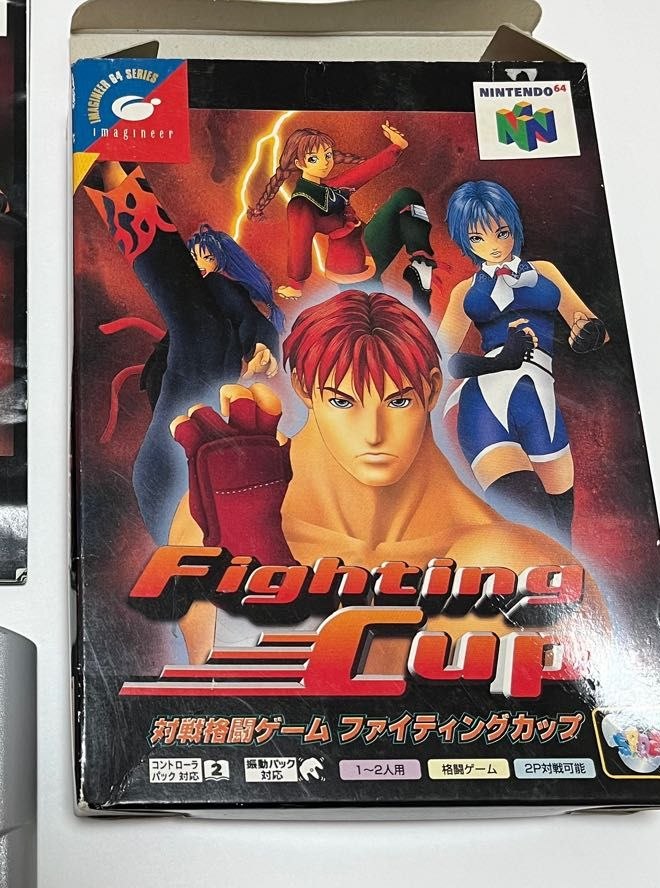
THE TWO COVERS
A portrait in America, a poster in Japan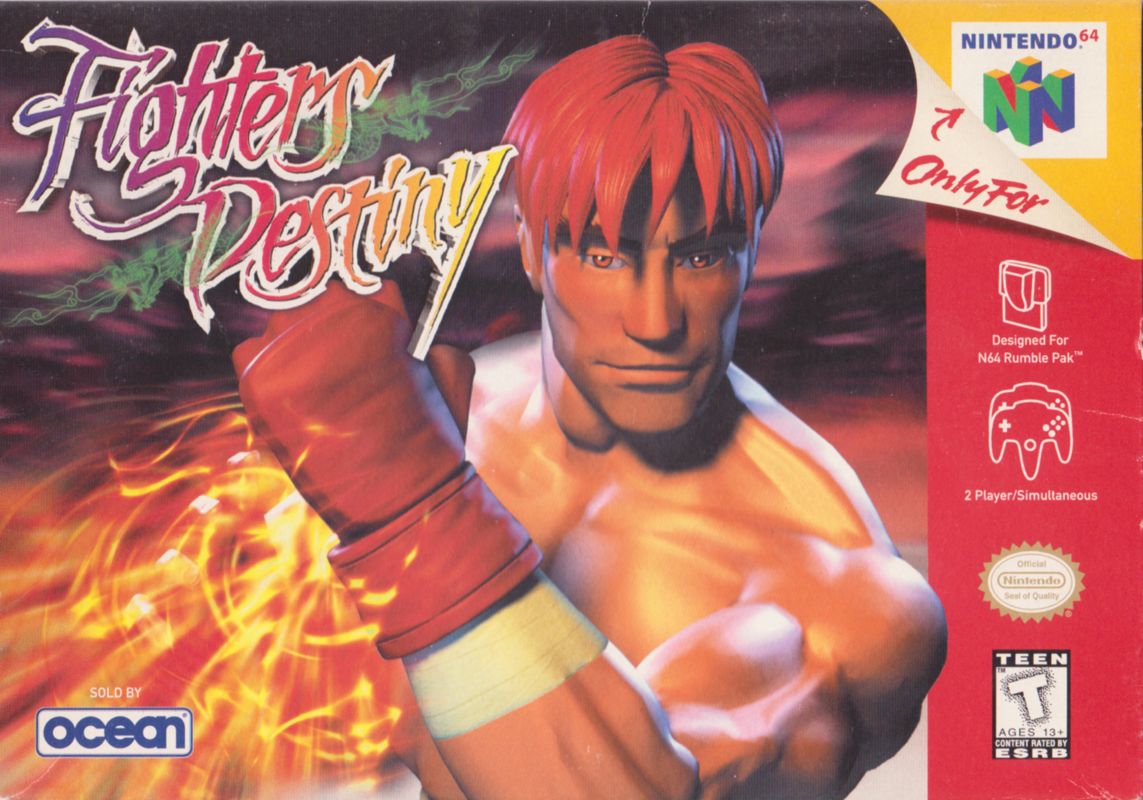
HOW IT WAS MADE
Announced as Struggle HardTHE RELEASE
America first, Japan lastThe roster holds nine regular characters, from the karate exponent Ryuji to the French clown Pierre, and five secret characters unlocked through the challenge modes: Boro, the Joker, the training robot Robert, the Master, and Ushi, a fighting cow from Hokkaido. The modes around them, versus computer, versus battle, Record Attack, Master Challenge and training, are where the game's reputation lives, and two of them have their own pages in this wing.
HOW IT WAS RECEIVED
Named scores, praise and dissent togetherThe consistent criticisms were presentation: character designs called uninspired, low polygon counts, visible texture seams, flat non interactive backgrounds, and some slowdown. The consistent praise was the scoring system, cited as the game's best feature and the one that most sets it apart, and the ability to learn new moves in the Master Challenge and save them to a Controller Pak.
WHAT IT LEFT BEHIND
Acclaimed, discounted, and followed onceThe commercial record is the sad half of the story. The game missed its initial Christmas release date and sold only 18,000 copies in its first two months in North America. Infogrames, parent of the game's international distributor Ocean, cut 20 dollars from the price, dropping it to 49.99 dollars, in an effort to lift sales.
A sequel, Fighter Destiny 2, followed in 2000, keeping the mechanics and adding a board game style Fighter's Arena mode, to a much cooler reception, 54 out of 100 on Metacritic. The original's afterlife has been kinder than its launch: it is still the answer most often given to the question of the Nintendo 64's best fighting game, a title it earned with a scoring system no major rival adopted and a cow nobody who played it has forgotten.