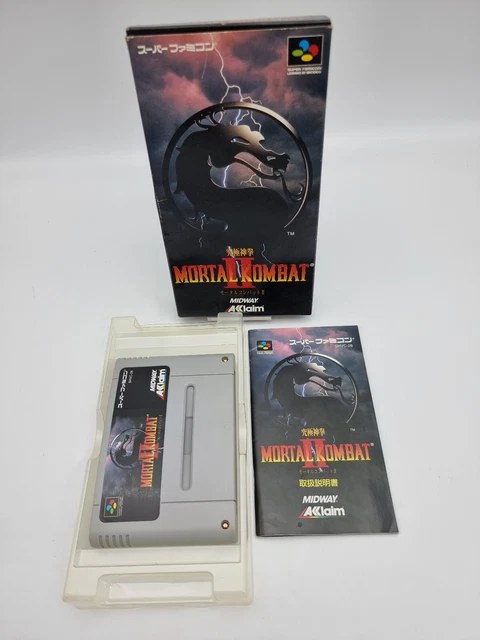
Why Did Nintendo Allow Blood in Mortal Kombat II?
A year after the Super NES Mortal Kombat shipped with grey sweat where its blood should be, the sequel shipped on the same system with its blood red and its Fatalities intact. Nintendo had not softened. It had done arithmetic, and the industry around it had changed the rules it was playing under.
THE LESSON
What the first game taught NintendoTHE COVER
A warning label instead of a censorTHE SETTLEMENT
Why the door stayed openThe timing made the decision safe as well as profitable. The hearings of December 1993 and March 1994 had already produced their outcome: an industry ratings board, the ESRB, formally introduced that July and active from September 1994. Once every box carried an age rating, a platform holder no longer had to be the censor; it could point at the label. Boon's retrospective verdict was that as an M rated game, with everybody knowing the content, the controversy "became almost a non issue."
So the honest answer has three parts: the censored game lost five to one, Nintendo said so itself in its production record, and the ratings system arrived just in time to let a warning label do the work censorship used to do. The blood in the Super NES sequel is what those three facts look like on a cartridge.
THE GAME ON THE SHELF
Mortal Kombat II