
THE LIBRARY
Collector guides, cover censuses, and edition answers, documented issue by issue. Every page answers one specific question, completely.
METAL GEAR
5 shelves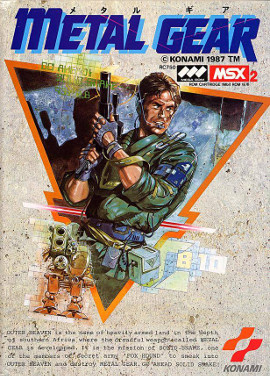
Why is the original Metal Gear a stealth game?
The MSX2 could not show the firefight Konami ordered, in Kojima's own GDC account. Hiding became the combat.
What inspired Metal Gear?
The Great Escape first, then the films Kojima named himself in his 1999 interview and his 2004 essays.
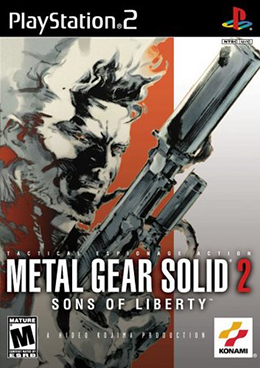
Why did Metal Gear Solid 2 replace Snake with Raiden?
A Watson to watch the legend through, per Kojima and the design document, and the secrecy campaign that hid him.
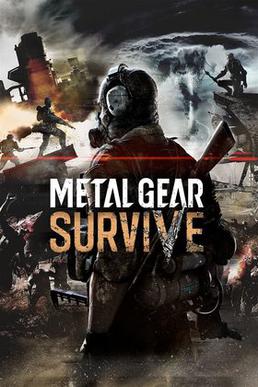
What happened to Metal Gear after Kojima left Konami?
Survive, five quiet years, the Master Collection, and Delta, the remake its producer called too faithful.
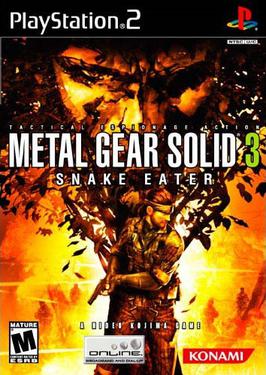
Why does Snake Eater sound like a James Bond theme?
Hideo Kojima asked for a Bond style theme, the budget was gone, and Norihiko Hibino wrote one himself for Cynthia Harrell to sing.
METROID
30 shelves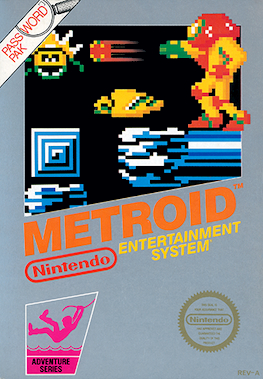
The Metroid Gallery
Every main Metroid box, documented: North American covers from the 1987 NES grey box to Metroid Dread and Prime 4 Beyond key art, with the editions in between.
The History of Metroid
Metroid from the 1986 Famicom Disk original to Prime 4 Beyond: the peaks, the two long silences, the 2002 double launch and the MercurySteam revival.
What Metroid games are there?
The complete Metroid census: all seventeen releases from the 1986 Famicom Disk original to Prime 4 Beyond, with platforms, developers and documented sales.
How was the first Metroid made?
Metroid (1986) behind the scenes: R&D1 and Intelligent Systems, Yokoi producing, Kiyotake designing Samus, Hip Tanaka composing, and the mid-development twist.
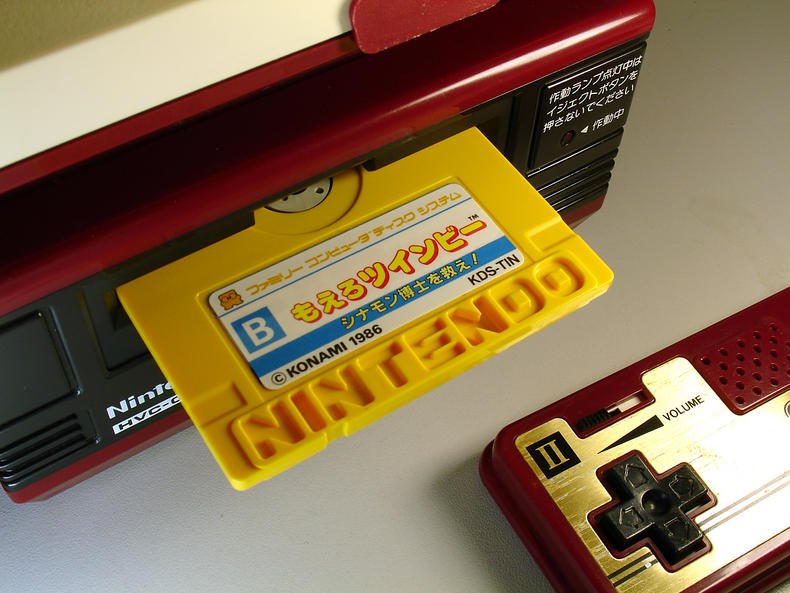
How did the Famicom Disk Metroid differ from the NES version?
Metroid Famicom Disk System vs NES: three save files against 24-character passwords, the extra sound channel, the siren countdown, and the missing suitless Samus.
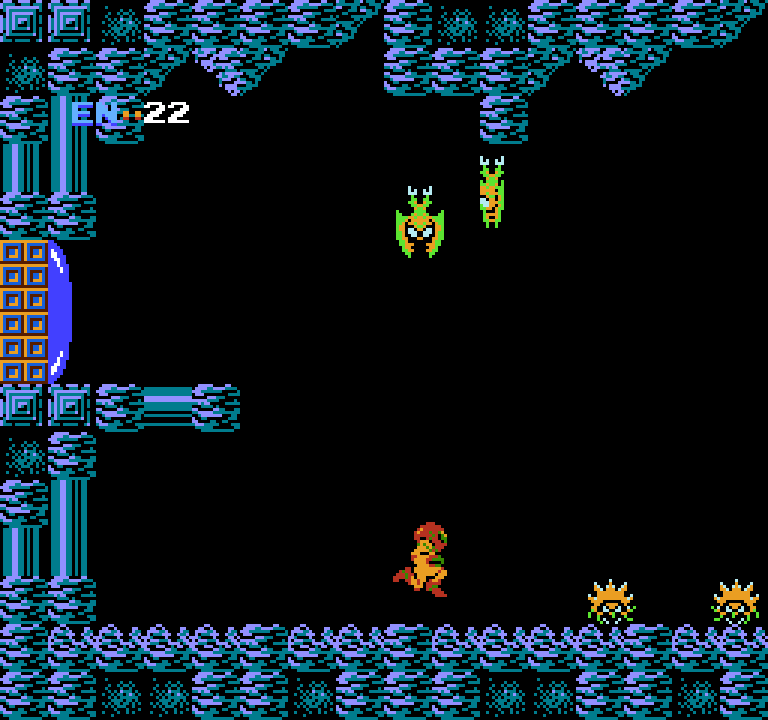
Why did America’s Metroid use passwords?
Why the NES Metroid uses 24-character passwords: the battery budget went to Zelda, and the workaround produced JUSTIN BAILEY and NARPAS SWORD.
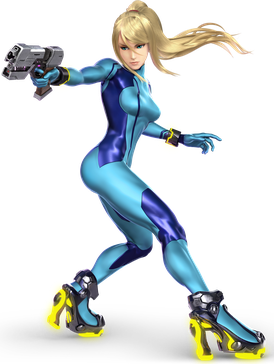
What is Samus Aran’s backstory?
Samus Aran’s backstory documented: K-2L and its destruction, Old Bird and the Chozo adoption, the DNA infusion, and how the 2002 manga codified it.
Who designed Samus Aran?
Who designed Samus Aran: Makoto Kano created the character, Hiroji Kiyotake designed the suit, and the famous reveal was a mid-development suggestion.
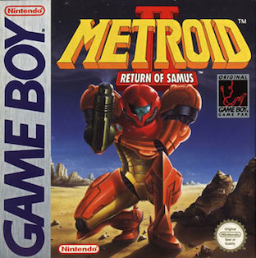
How has Samus’s suit changed?
Samus’s suit design evolution: Kiyotake’s 1986 original, the Varia silhouette fixed by Metroid II, Prime’s sculpture, the Fusion organism, the Zero Suit and…
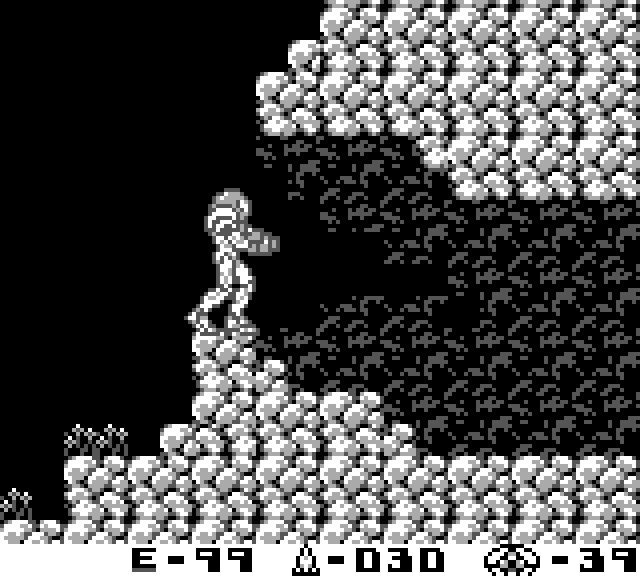
What did Metroid II add to the series?
What Metroid II (1991) added: the final Varia silhouette, battery saves, the Spider Ball, the Metroid life cycle and Queen, and the baby Metroid ending.
Why is Super Metroid a design landmark?
Why Super Metroid is a design landmark: teaching without text, the animal tutorials, environmental storytelling, and the EGM best-game-ever verdict.

How was Super Metroid made?
How Super Metroid was made: R&D1 with Intelligent Systems, Sakamoto directing, Kano producing, Yamamoto humming themes on a motorcycle, and the 24-megabit cartridge.
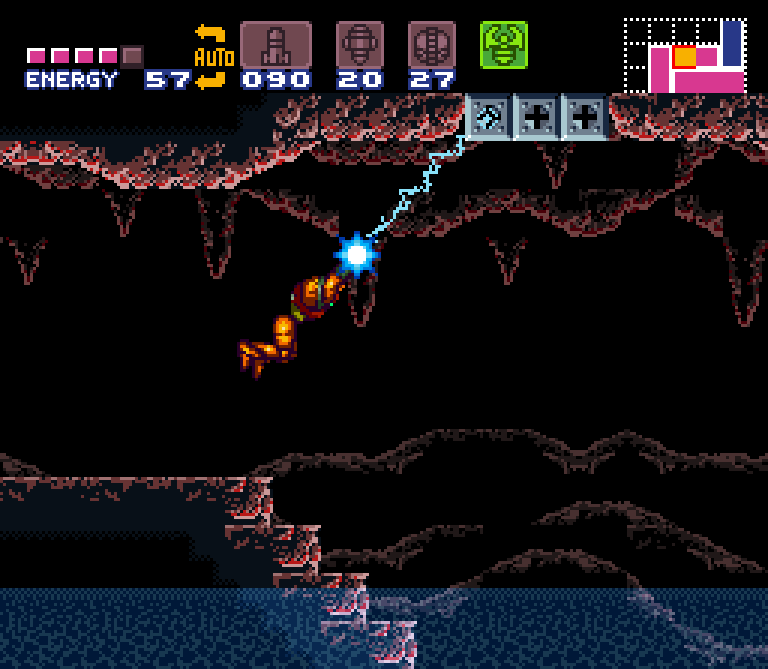
What is sequence breaking in Super Metroid?
Sequence breaking in Super Metroid explained: the wall jump and Shinespark the animals teach, early items, skipped bosses, and why the design tolerates it.
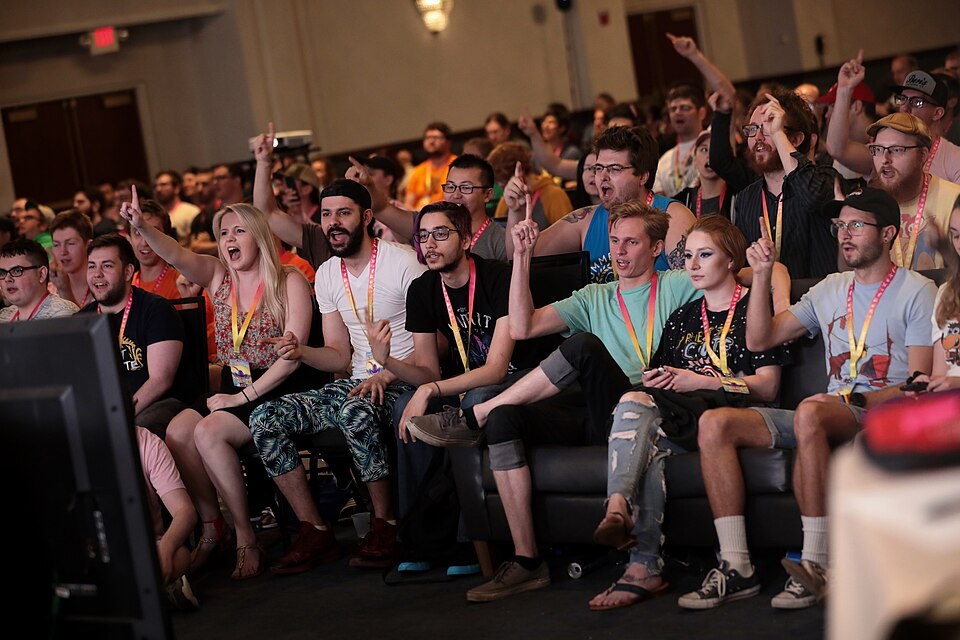
Why do speedrunners race Super Metroid?
Why speedrunners race Super Metroid: the series’ timed endings since 1986, the categories, and GDQ’s Save the Animals donation war.
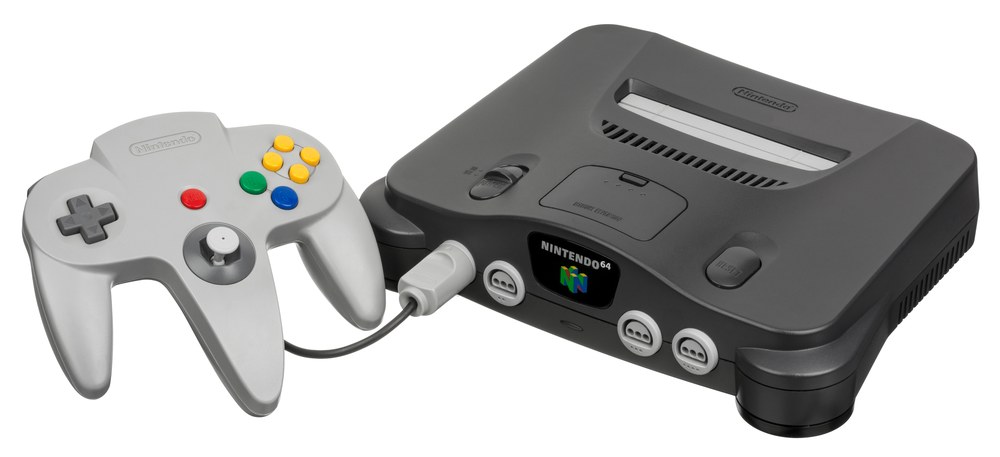
Why is there no Metroid on Nintendo 64?
Why there is no N64 Metroid: Sakamoto’s controller objection, the outside studio that declined, and the eight-year gap Super Metroid left behind.
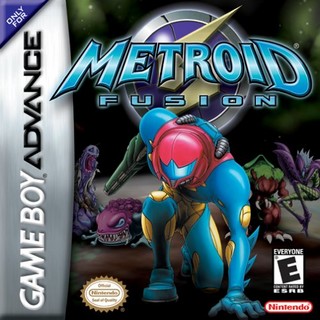
What is Metroid Fusion?
Metroid Fusion (2002) documented: the X parasites, the SA-X, Adam, the same-day launch with Prime, and R&D1’s final Metroid.
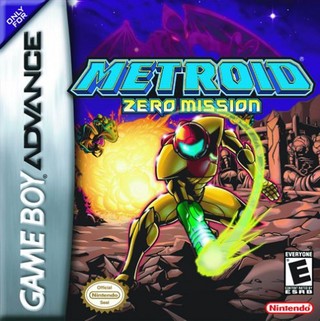
What is Metroid: Zero Mission?
Metroid Zero Mission (2004): the first game rebuilt, the Chozo statue guidance, the Zero Suit stealth epilogue, and the unlockable 1986 original.
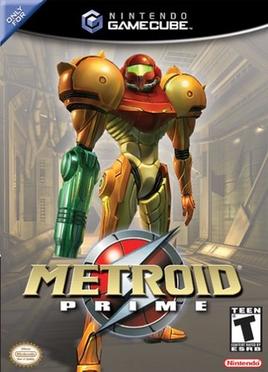
How did Metroid Prime happen?
How Metroid Prime happened: Retro Studios’ cancelled projects, Miyamoto’s 2000 visit, the female-led prototype, and the
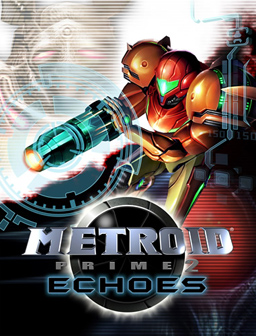
What Metroid Prime games are there?
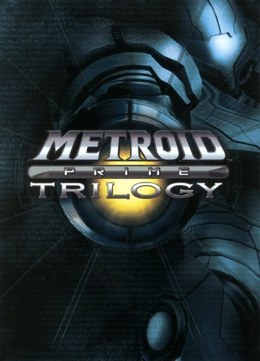
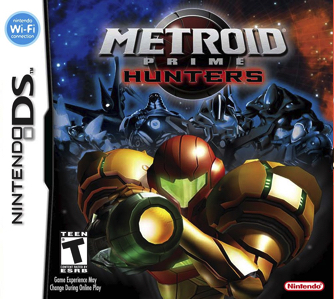
The Metroid Prime line complete: the Retro trilogy, Hunters, Pinball, Federation Force, the Trilogy steelbook, Remastered, and Beyond.

Why was Metroid Prime 4 restarted?
Why Metroid Prime 4 was restarted: the 2017 logo announcement, Bandai Namco’s shelved version, Shinya Takahashi’s 2019 admission, and the return to Retro.
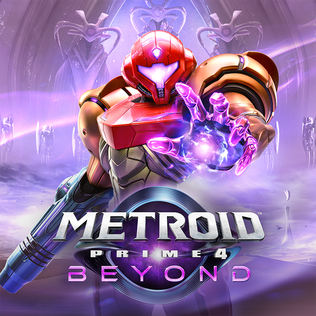
What is Metroid Prime 4: Beyond?
Metroid Prime 4 Beyond (2025) documented: Viewros, Sylux, psychic abilities, the Vi-O-La, the Switch 2 edition, its timeline slot and first-month sales.
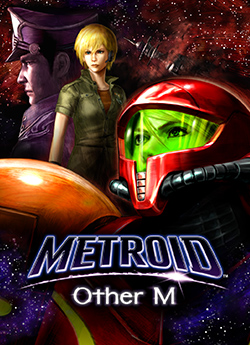
What is Metroid: Other M?
Metroid Other M (2010) documented: Sakamoto and Team Ninja, the NES-simple controls, the characterisation controversy, and the seven-year silence after it.
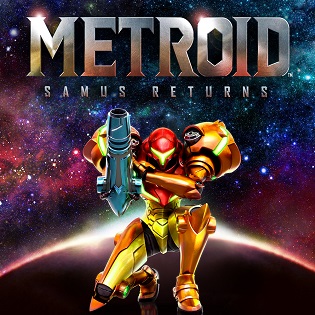
What is Metroid: Samus Returns?
Metroid Samus Returns (2017): MercurySteam’s redirected pitch, the melee counter, Aeion abilities, and how the remake revived the 2D series.
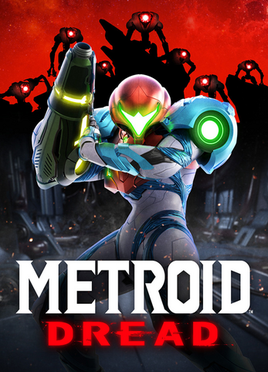
What is Metroid Dread?
Metroid Dread (2021): the twice-cancelled DS project, the E3 2009 prototype, the E.M.M.I., the saga’s finale, and the best-selling Metroid ever made.
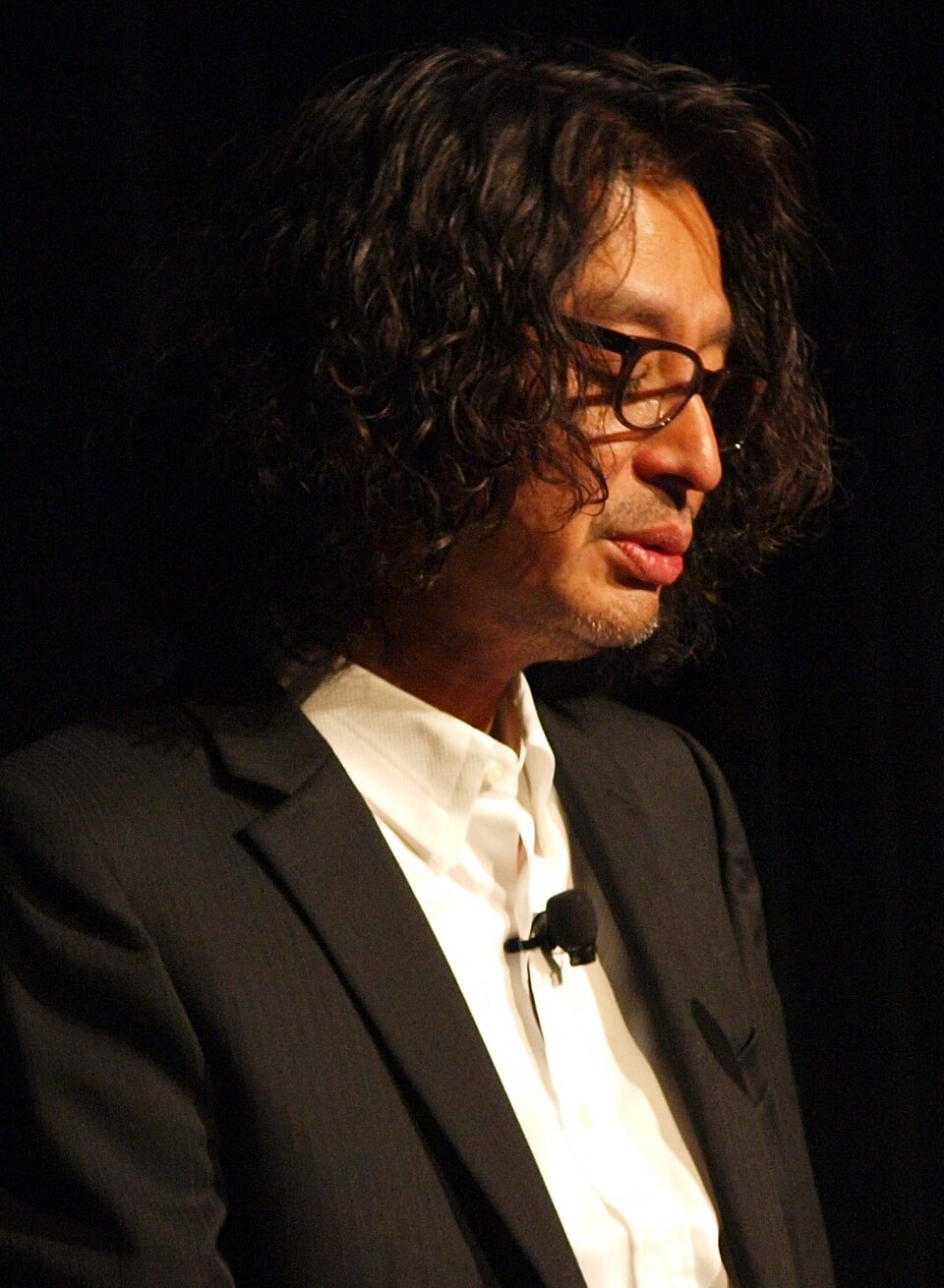
Who is Yoshio Sakamoto to Metroid?
Yoshio Sakamoto’s role in Metroid: 1986 character designer, director of Super Metroid and Fusion, producer of the MercurySteam era, and Dread’s stubborn father.
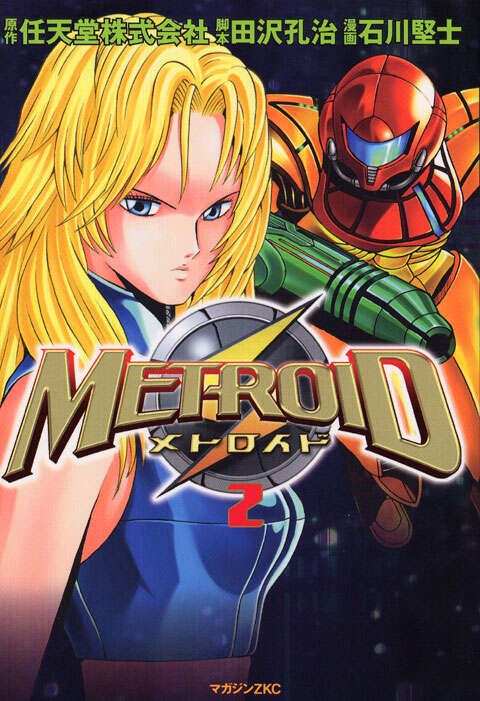
What is the Metroid manga?
The Metroid manga documented: Tazawa and Ishikawa’s Magazine Z serial (2002-04), the two Kodansha volumes, the e-manga, Samus & Joey, and the missing English…
Who composed Metroid’s music?
Metroid’s composers: Hip Tanaka’s living-organism score, Kenji Yamamoto’s motorcycle humming, Minako Hamano, and the Prime sound budget.
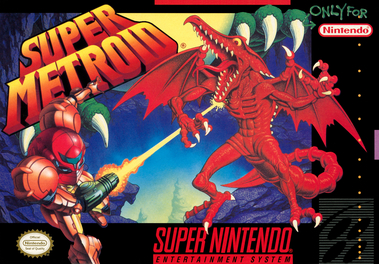
How do Metroid releases differ between Japan and the West?
Japanese vs Western Metroid releases: Disk Card against cartridge, the Adventure Series box and its revisions, box art instincts, and the shared manual art.
How can you tell a first release of Metroid?
Identifying first Metroid releases: the Famicom Disk original, five-screw vs three-screw NES cartridges, the 1992 yellow-label Classic Series, Player’s Choice…
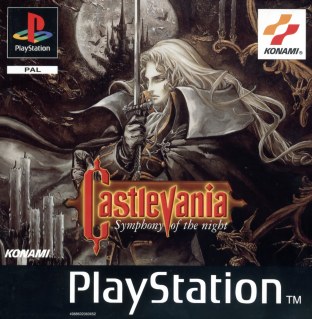
What is a Metroidvania?
What a Metroidvania is: the Metroid plus Symphony of the Night formula, Tom Happ’s definition, the naming, and the genre that outgrew its absent parent.
MONSTER HUNTER
35 shelves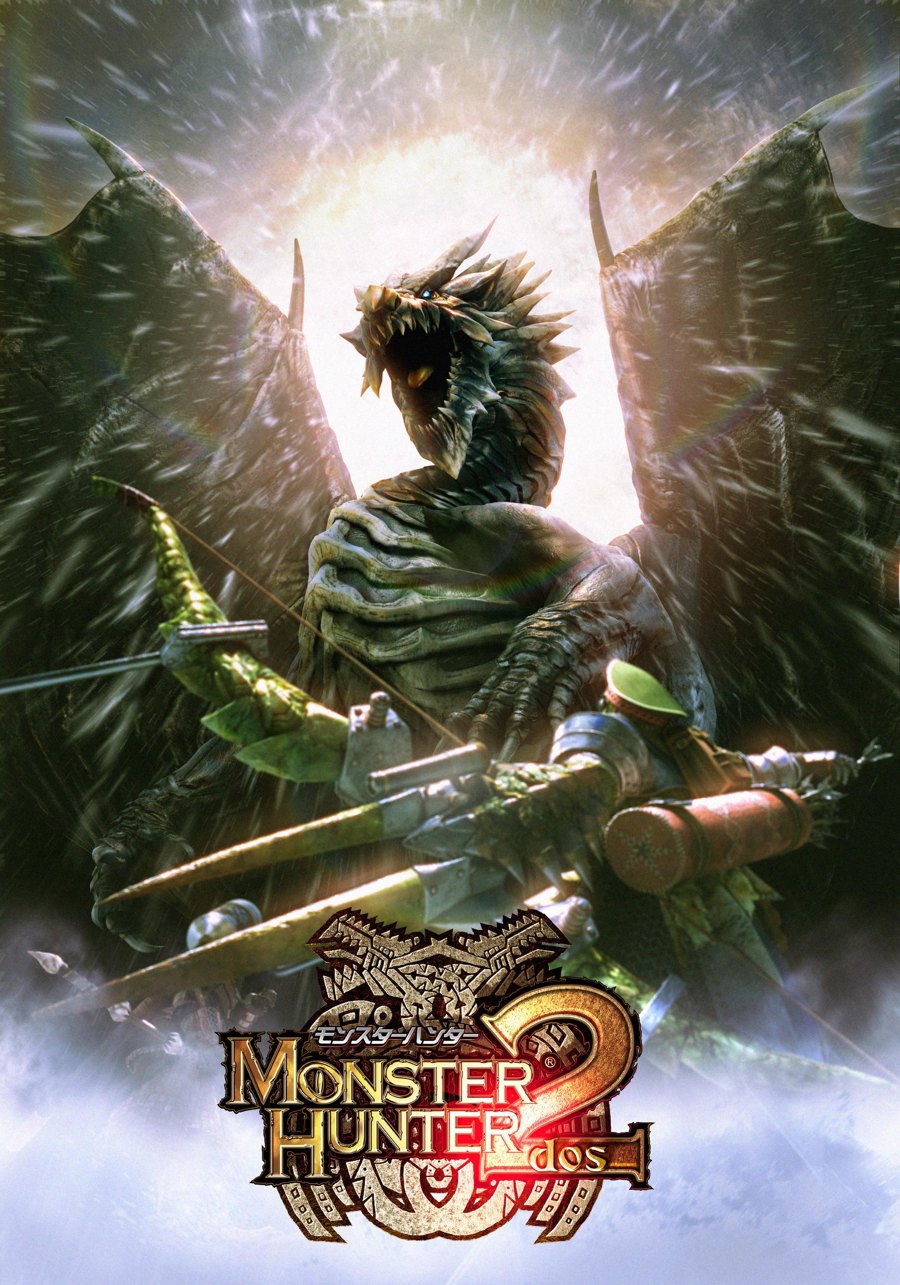
What is the history of Monster Hunter?
The history of Monster Hunter from the 2004 PlayStation 2 original to Wilds: the PSP phenomenon in Japan, the Nintendo years, World's global breakthrough, and…
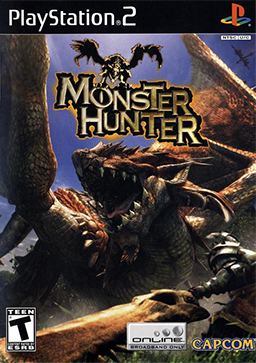
What was the first Monster Hunter game?
The first Monster Hunter, released for PlayStation 2 in Japan on March 11, 2004: right-stick sword swings, online hunts, Rathalos on the cover, and the two…
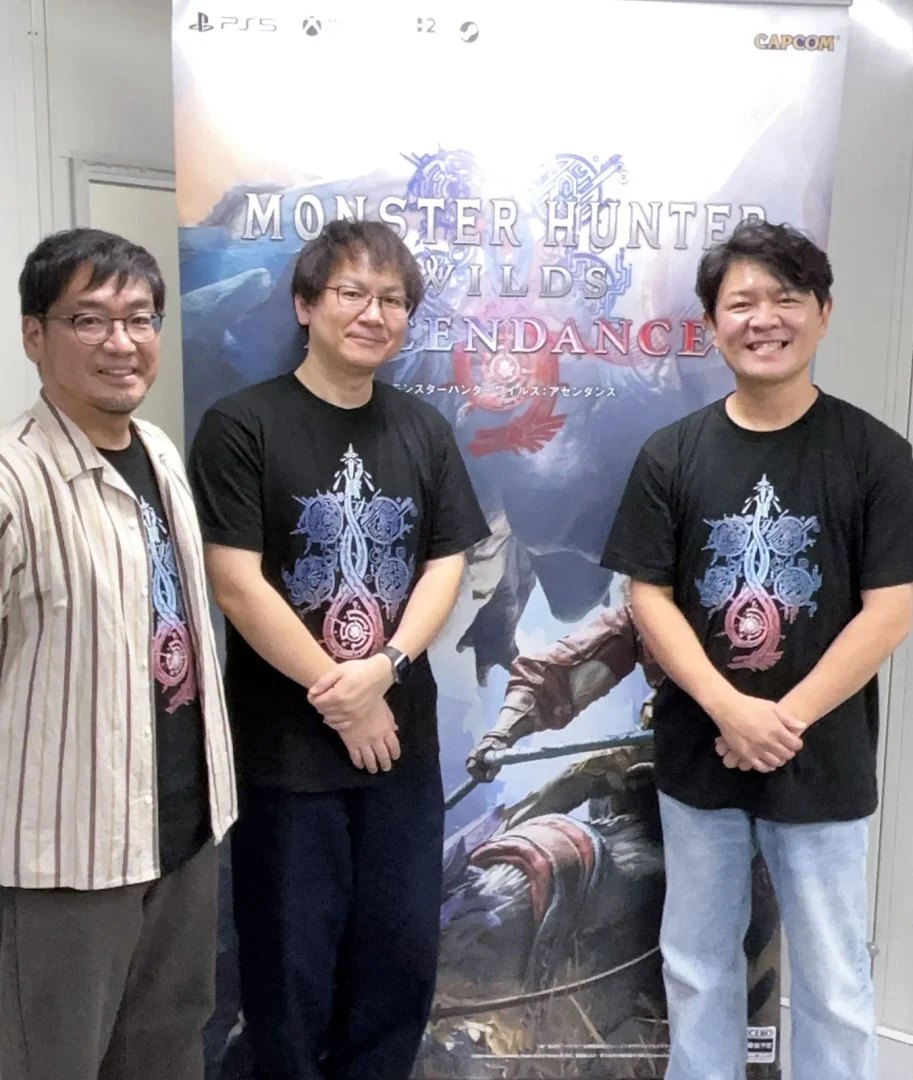
Who created Monster Hunter?
Who created Monster Hunter: director Kaname Fujioka, series producer Ryozo Tsujimoto, World and Wilds director Yuya Tokuda, and the Capcom studio culture that…
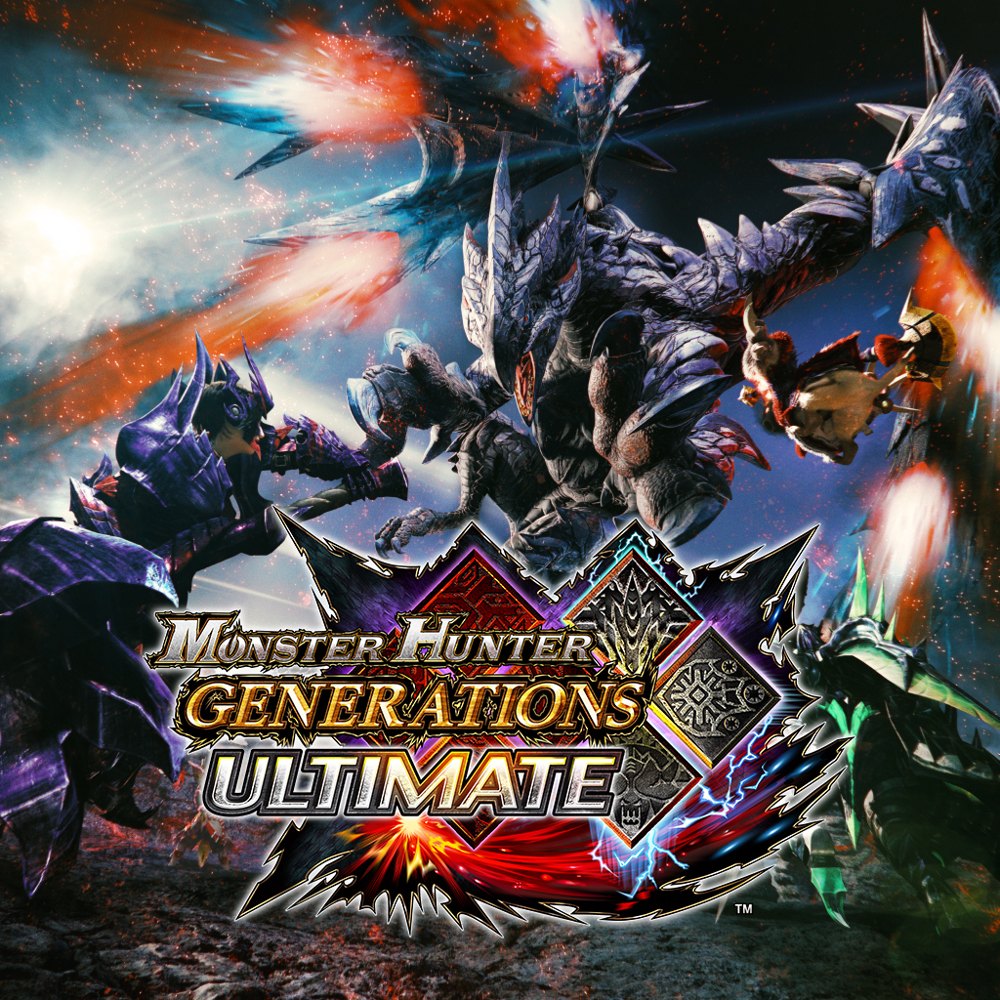
How many Monster Hunter games are there?
How many Monster Hunter games there are: six generations of mainline releases, the expansions, the Frontier MMO, the Stories RPGs, and the mobile line, counted…
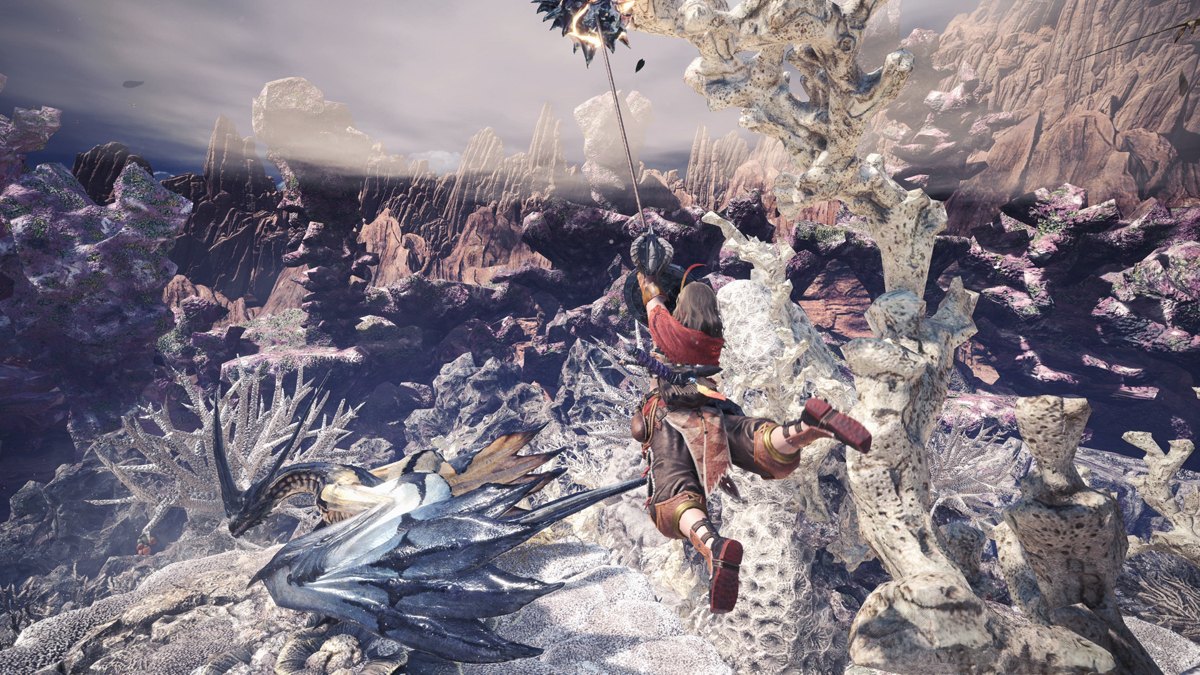
How many copies has Monster Hunter sold?
Monster Hunter sales, verified from Capcom's published figures: the series past 130 million, World as Capcom's best-selling title ever, and the strange empty gap…
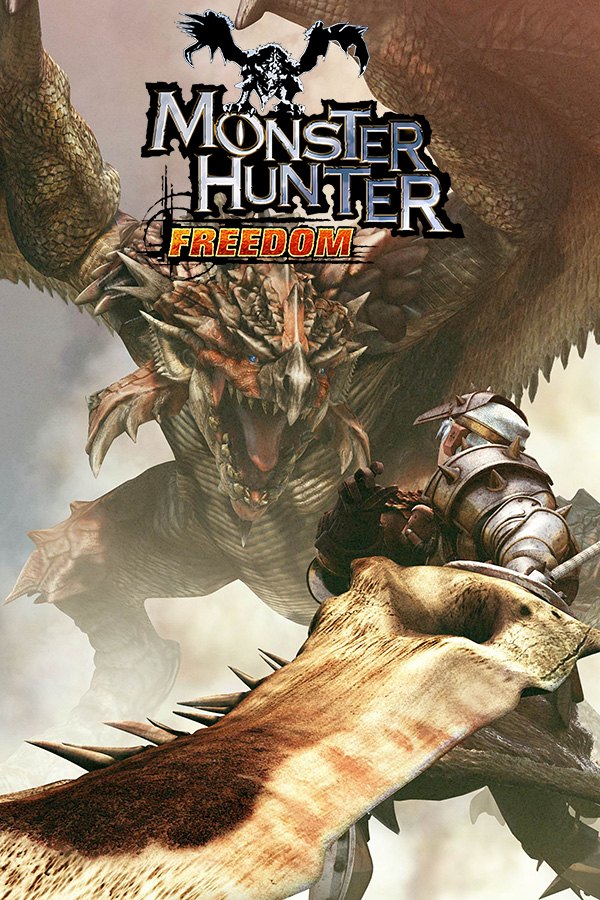
Why did Monster Hunter explode on the PSP in Japan?
Why Monster Hunter became a social phenomenon on the PSP in Japan between 2005 and 2010: local wireless hunting, trains and cafés, Freedom Unite as 2008's…
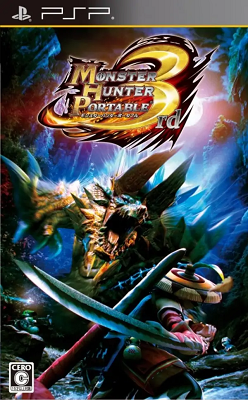
What was Monster Hunter Portable 3rd?
Monster Hunter Portable 3rd, the December 2010 PSP game that sold 2.58 million copies in two weeks in Japan, introduced Zinogre, and was never released in the West.
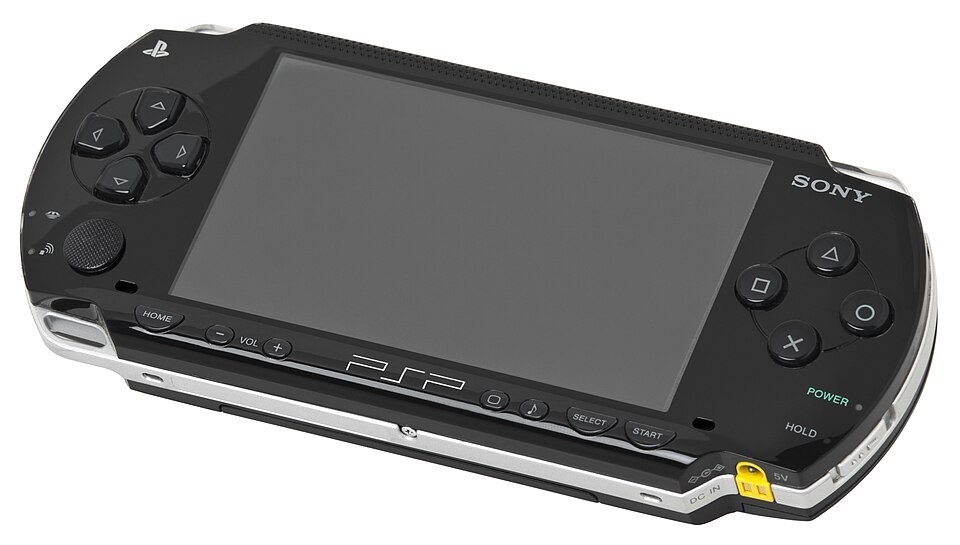
How did Japanese hunters play together before online Monster Hunter?
Japan's ad-hoc Monster Hunter culture: local PSP wireless, hunting parties in public, and Sony's adhoc Party service of October 2008, which used a PlayStation 3…
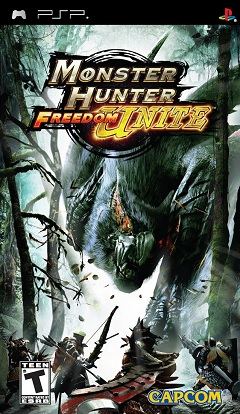
Why is Monster Hunter Freedom Unite still the PSP era's high-water mark?
Monster Hunter Freedom Unite (Portable 2nd G, March 2008): Nargacuga's debut, G-rank, 3.8 million copies, and the longest tail of any handheld entry, kept alive…
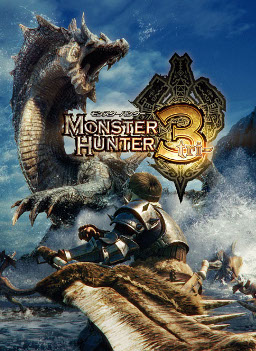
What did Monster Hunter Tri change?
Monster Hunter Tri (Wii, August 2009): the move from PlayStation, underwater combat, the Switch Axe, a near-total bestiary reboot, Famitsu's 40/40, and the…
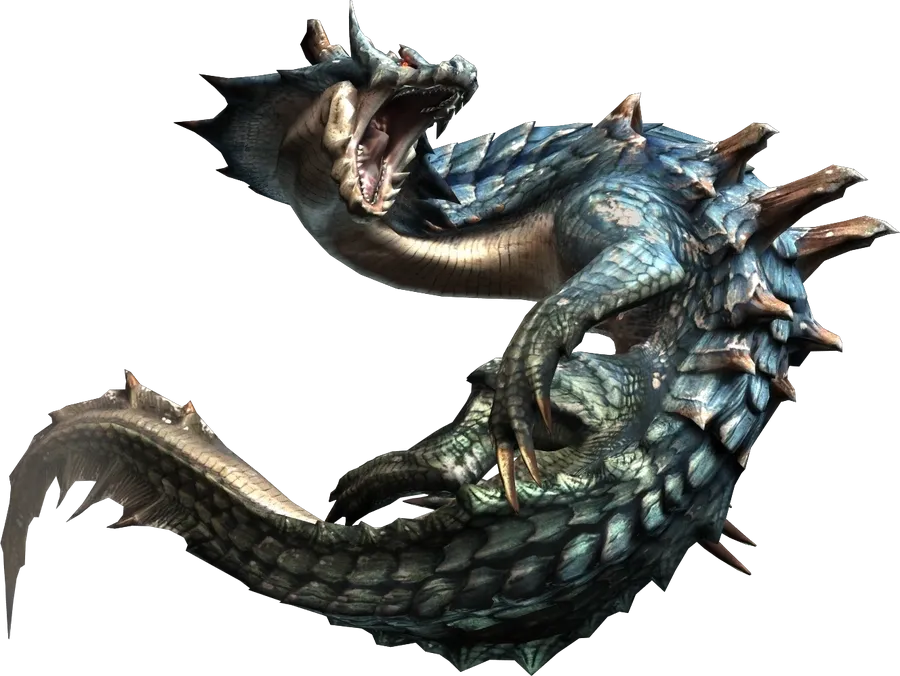
Whatever happened to underwater combat?
The story of Monster Hunter's underwater combat: introduced in Tri, kept in 3 Ultimate, and abandoned after director Kaname Fujioka judged its development cost…
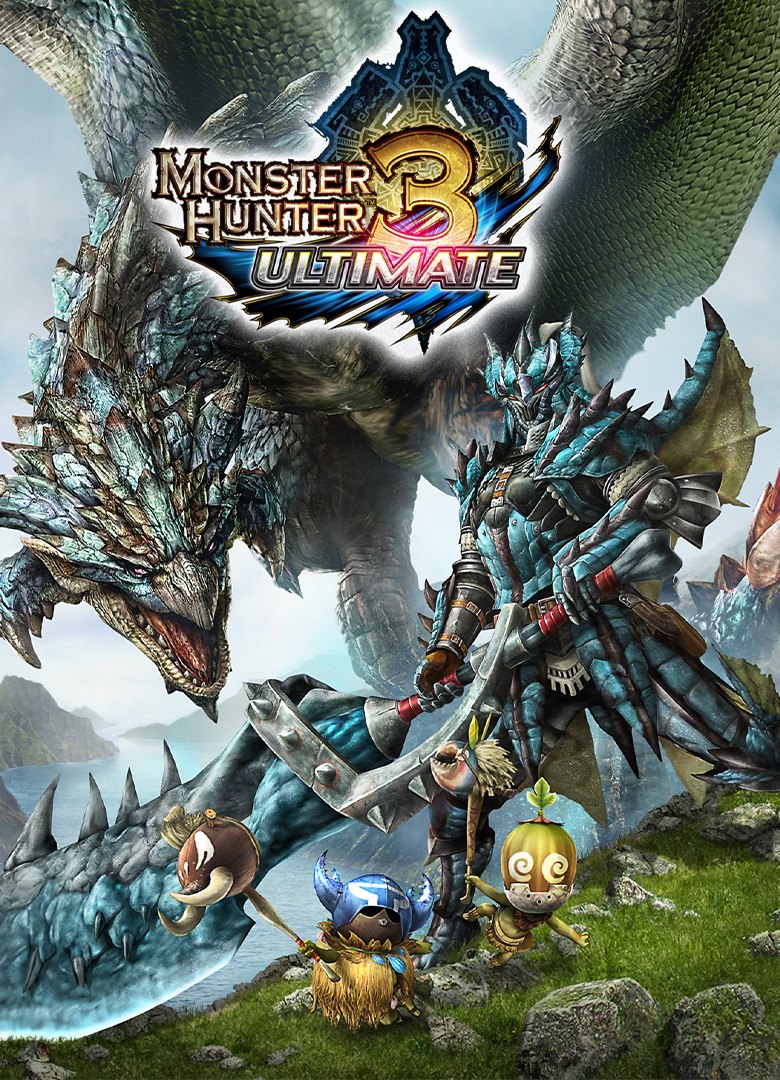
What was Monster Hunter 3 Ultimate?
Monster Hunter 3 Ultimate: the 3DS expansion of Tri (Japan, December 2011), its Wii U HD edition, Brachydios, and the March 2013 Western release that brought HD…
What did Monster Hunter 4 add?
Monster Hunter 4 (3DS, September 2013): vertical terrain, mounting, the Insect Glaive and Charge Blade, the Frenzy Virus, Gore Magala, and why the West had to…
What were Hunting Styles and Hunter Arts?
Monster Hunter Generations (Monster Hunter X, November 2015): the four Hunting Styles, Hunter Arts, Prowler mode, the Fated Four flagships, and Generations…
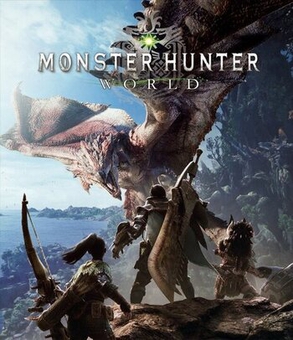
Why did Monster Hunter: World break through in the West?
Why Monster Hunter: World (January 2018) finally broke the series through in the West: the simultaneous global launch, seamless maps, turf wars, and the path to…
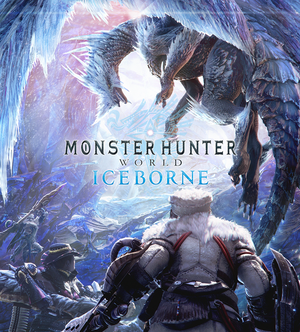
What is Monster Hunter World: Iceborne?
Monster Hunter World: Iceborne (September 2019): Master Rank, the Hoarfrost Reach, Velkhana, the Clutch Claw, and an expansion that sold 16.7 million copies on…
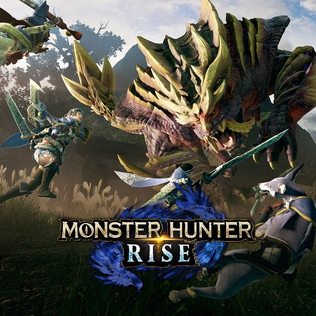
What did Monster Hunter Rise change?
Monster Hunter Rise (March 2021): Wirebugs, the Palamute, Wyvern Riding, the Rampage, Kamura Village's Japanese aesthetic, and the road from Switch exclusive to…
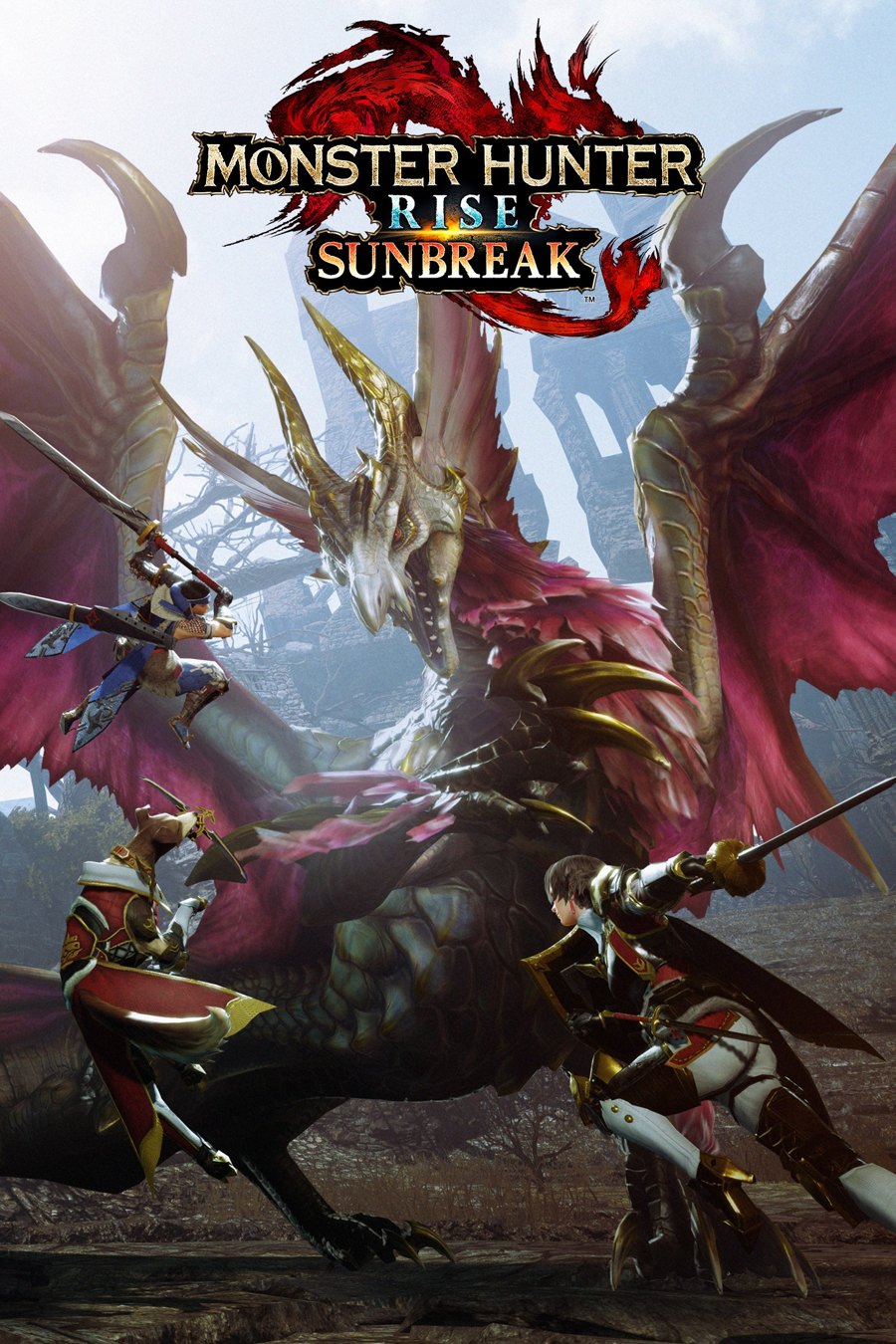
What is Monster Hunter Rise: Sunbreak?
Monster Hunter Rise: Sunbreak (June 2022): the Elgado outpost, the vampire elder dragon Malzeno, Follower quests, Switch Skill Swap, and 11.9 million copies of…
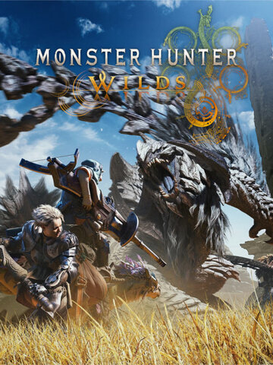
What is Monster Hunter Wilds?
Monster Hunter Wilds (February 28, 2025): the fastest-selling game in Capcom's history, Arkveld, the Seikret, cross-play, its cooling second year, the Switch 2…
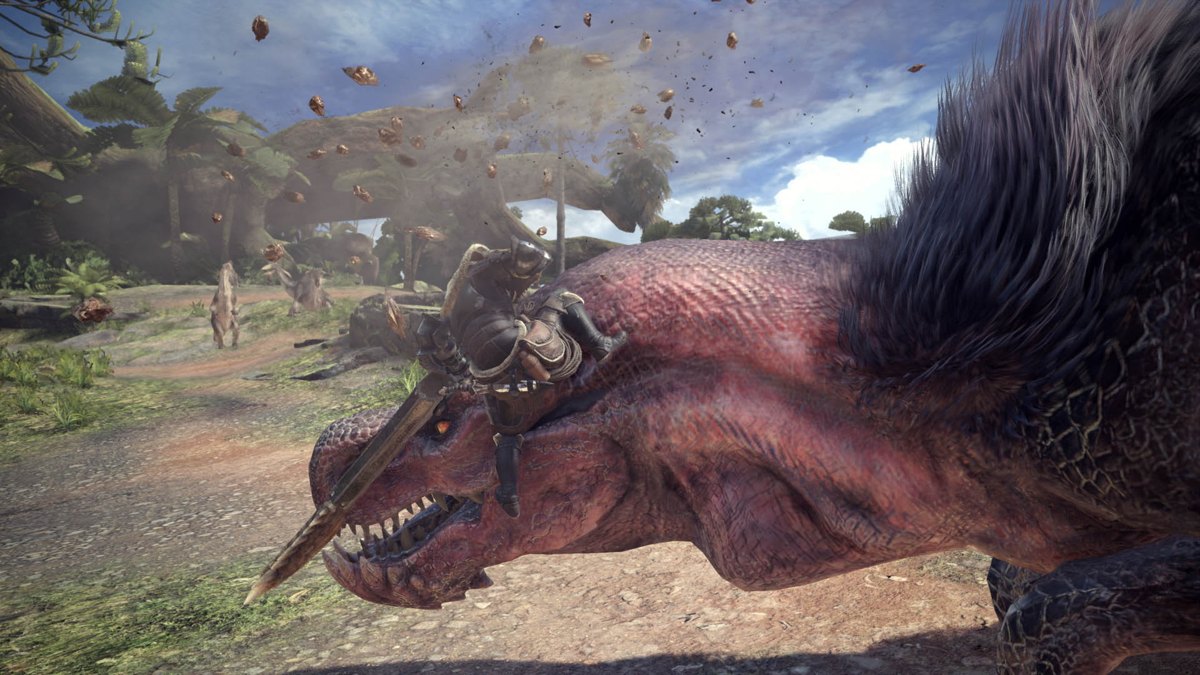
How are Monster Hunter's monsters designed?
How Monster Hunter's monsters are designed: Kaname Fujioka's ecology-first philosophy, food chains, designs rejected for going too far, and World's aim of a…
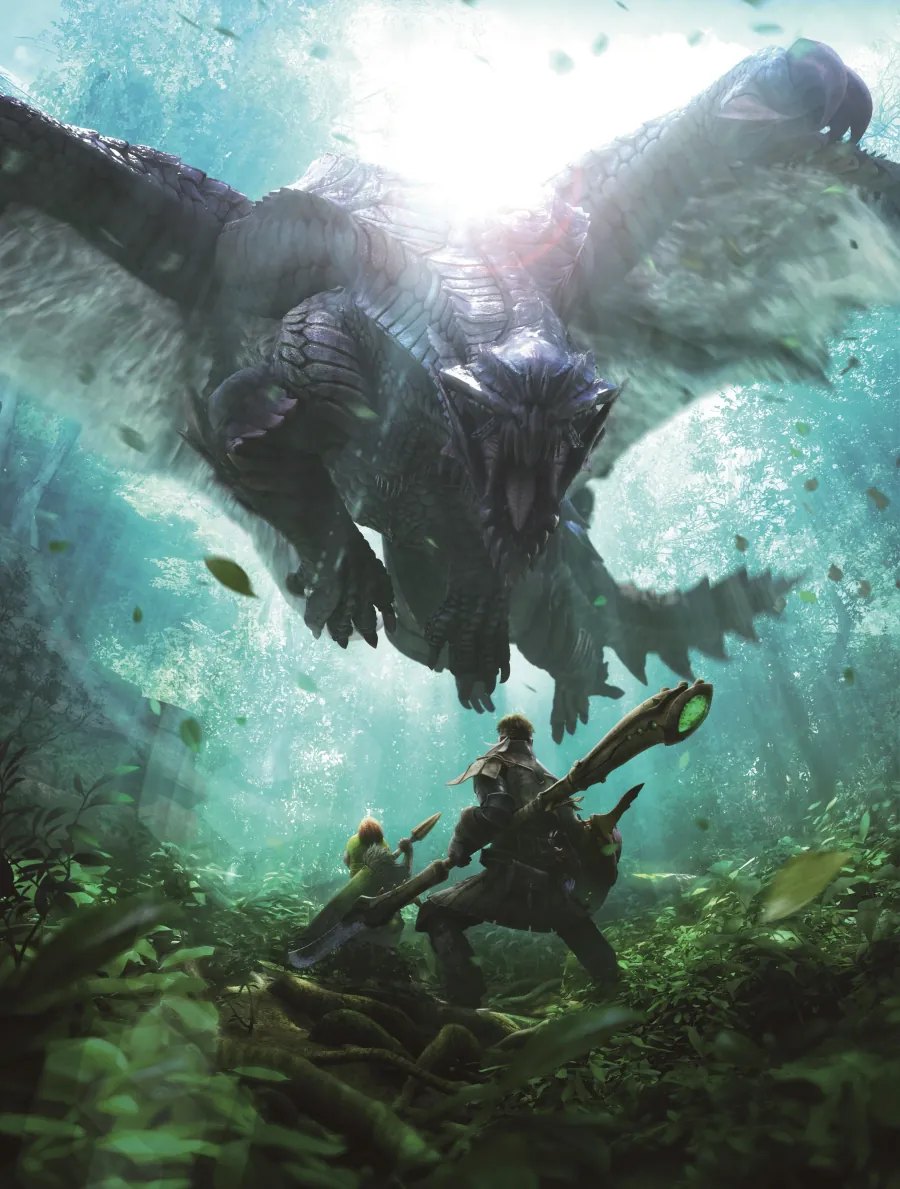
Who is the flagship monster of every Monster Hunter game?
The flagship monster of every Monster Hunter game: Rathalos, Tigrex, Nargacuga, Lagiacrus, Zinogre, Gore Magala, the Fated Four, Nergigante, Magnamalo, and…
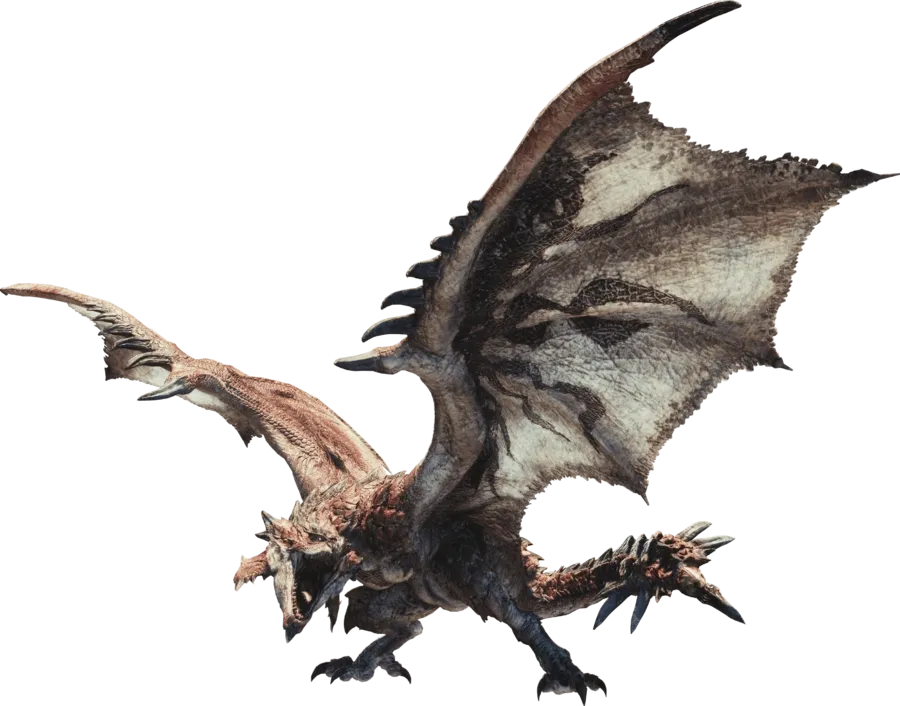
Why is Rathalos the face of Monster Hunter?
Why Rathalos is the face of Monster Hunter: flagship of the 2004 original, King of the Skies, boss in Super Smash Bros., guest in Final Fantasy XIV, and twenty…
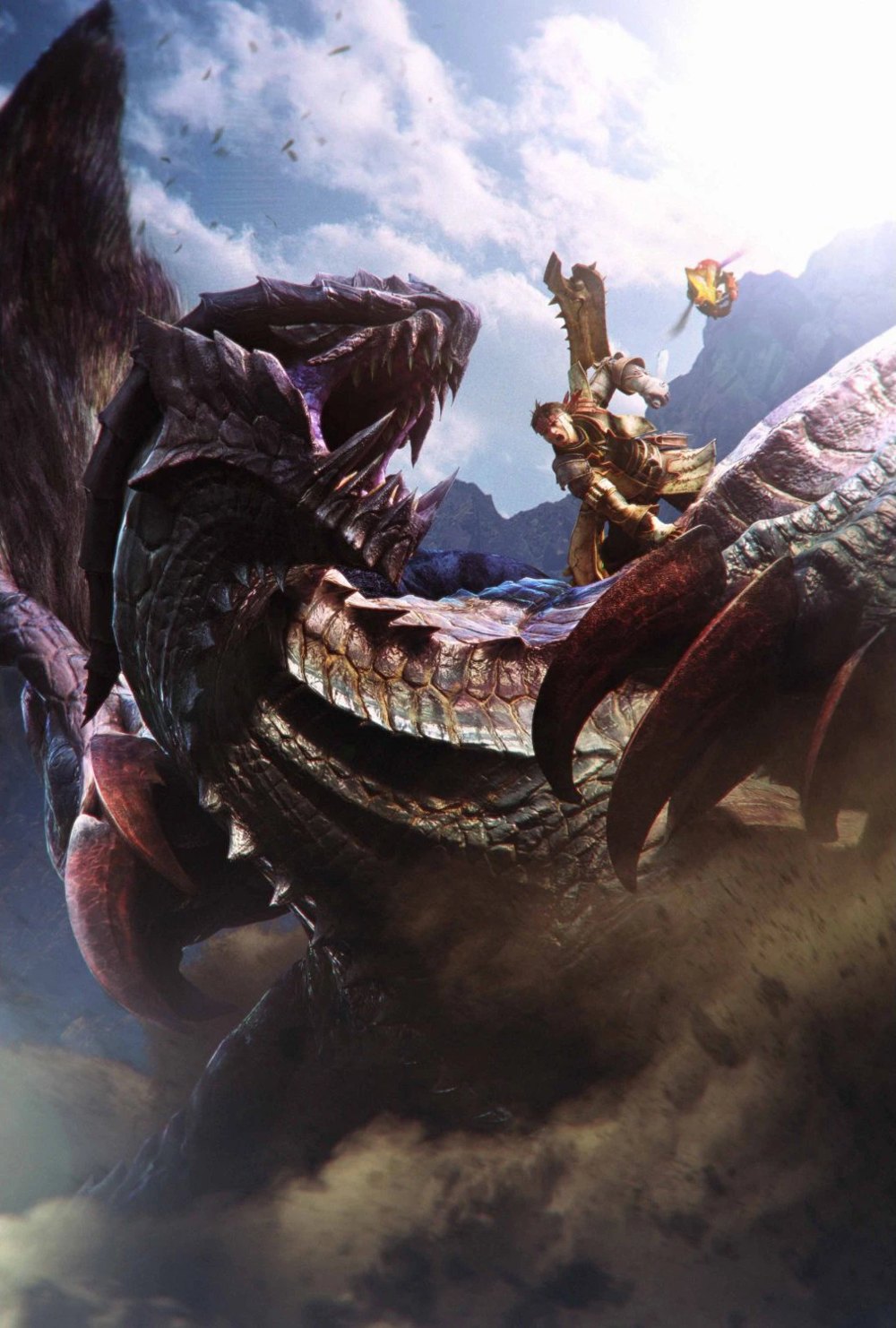
How did Monster Hunter's 14 weapons evolve?
The history of Monster Hunter's weapons: six classes in 2004, the West adding Dual Blades, Dos adding four more, Tri's Switch Axe, Monster Hunter 4 completing…
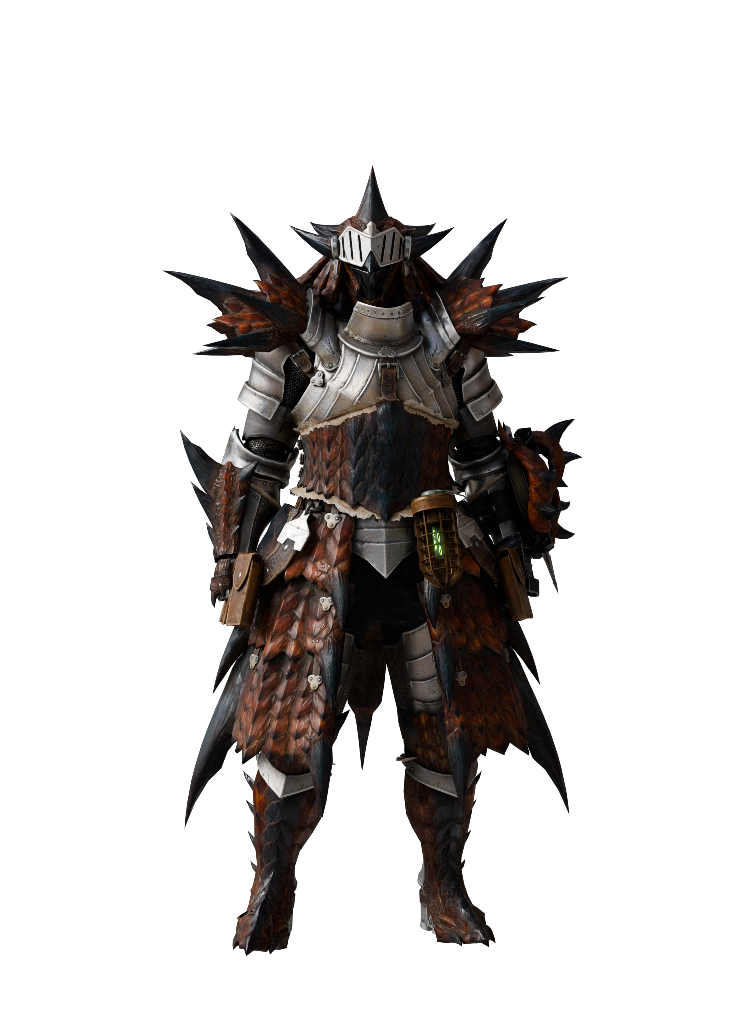
Why does Monster Hunter have no levels?
Why Monster Hunter has no character levels: gear as growth, Hunter Rank as permission rather than power, and player knowledge as the real progression system.
What is 'Proof of a Hero'?
Proof of a Hero (Eiyu no Akashi), composed by Masato Kouda for the 2004 original: the fanfare in every game, at the Tokyo Olympics' Parade of Nations, and inside…
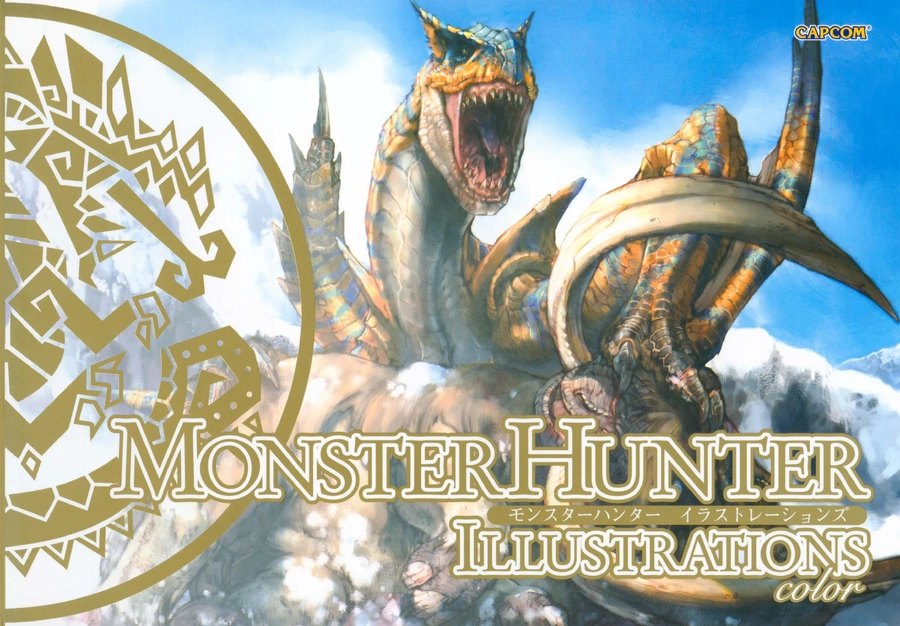
What Monster Hunter art books are there?
The Monster Hunter art books: Illustrations 1 and 2 from UDON, the 560-page World Official Complete Works from VIZ, what each volume covers, and the English…
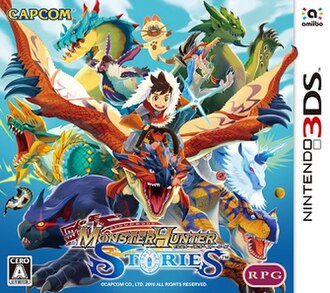
What is Monster Hunter Stories?
Monster Hunter Stories, the turn-based RPG spinoff: Riders who bond with monsters instead of hunting them, the 2016 original, Wings of Ruin, and Stories 3:…
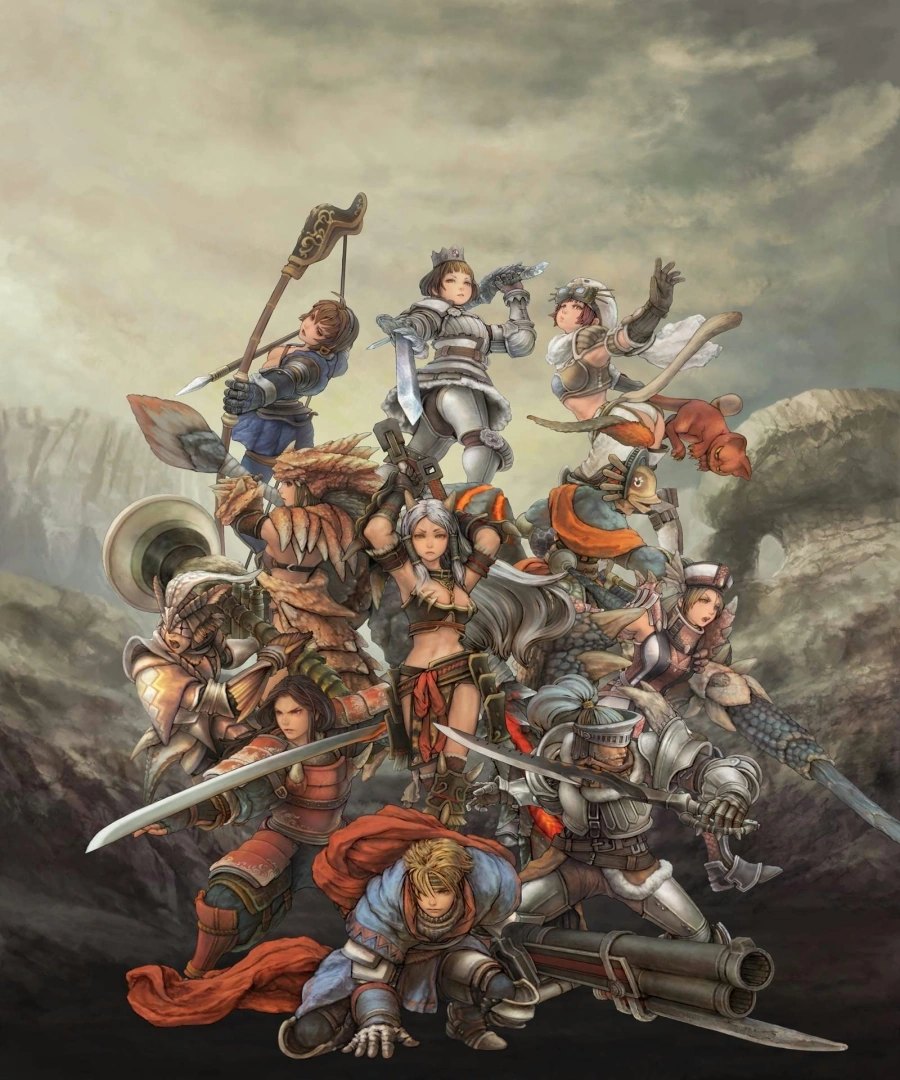
What was Monster Hunter Frontier?
Monster Hunter Frontier, the subscription MMO that ran from June 2007 to December 18, 2019: built on Dos, spread across six platforms, home to Espinas and two…
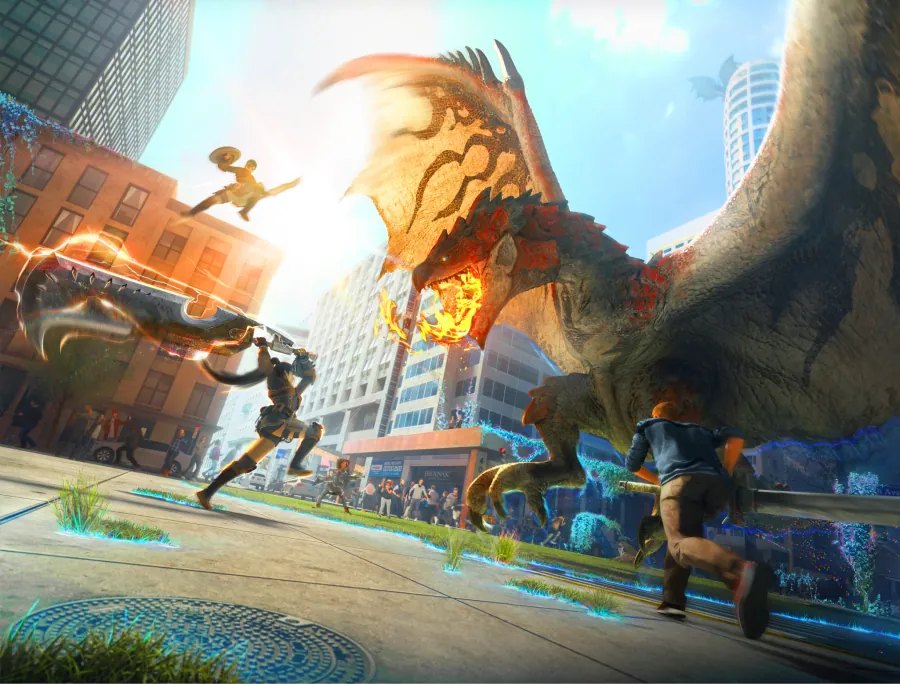
What is Monster Hunter Now?
Monster Hunter Now, Niantic's augmented-reality hunt of September 2023, its 15 million downloads, and the wider mobile line from Dynamic Hunting to Outlanders.
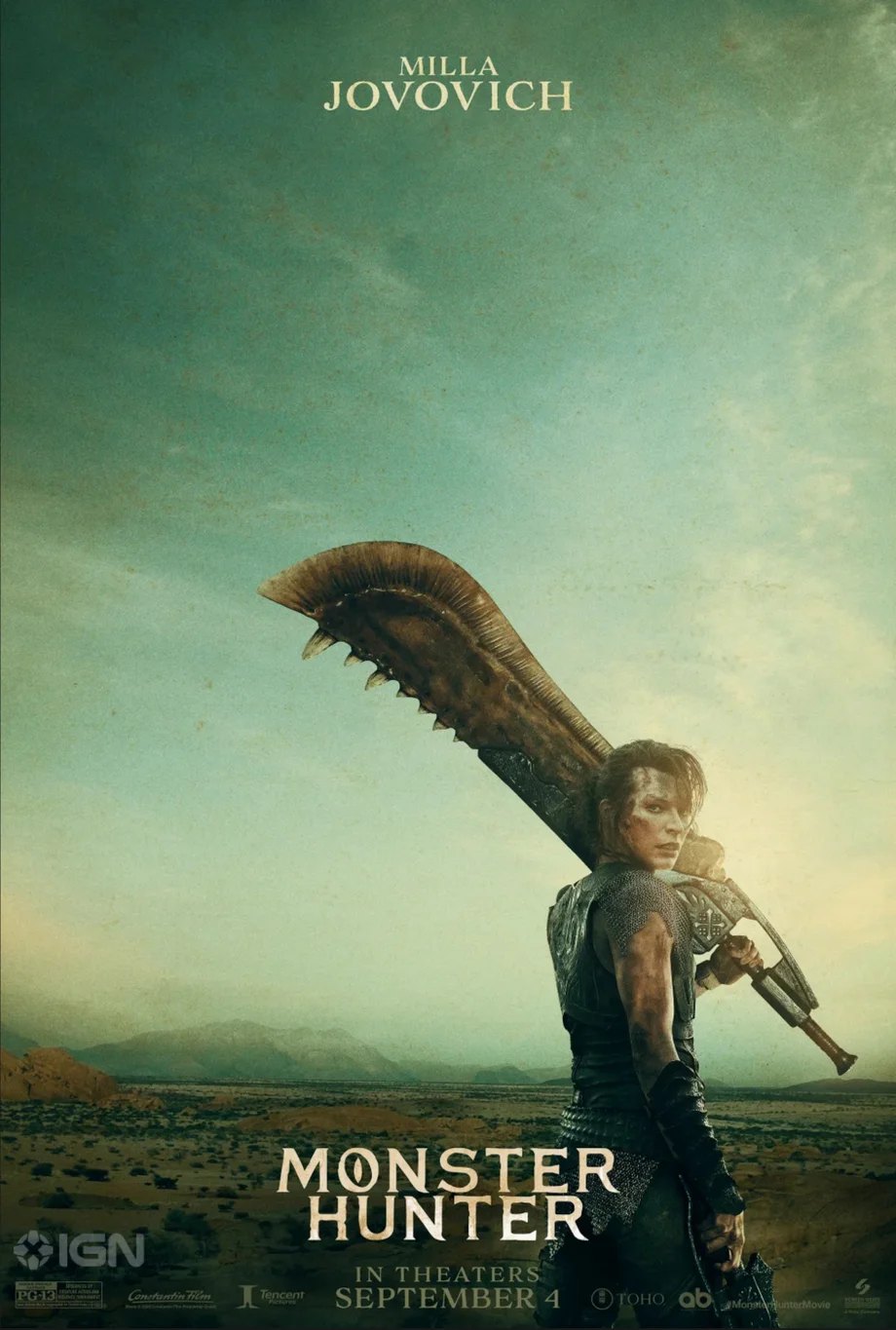
Was there a Monster Hunter movie?
The Monster Hunter film of 2020: Paul W. S. Anderson's $60 million adaptation with Milla Jovovich and Tony Jaa, its $47.9 million box office, the China…
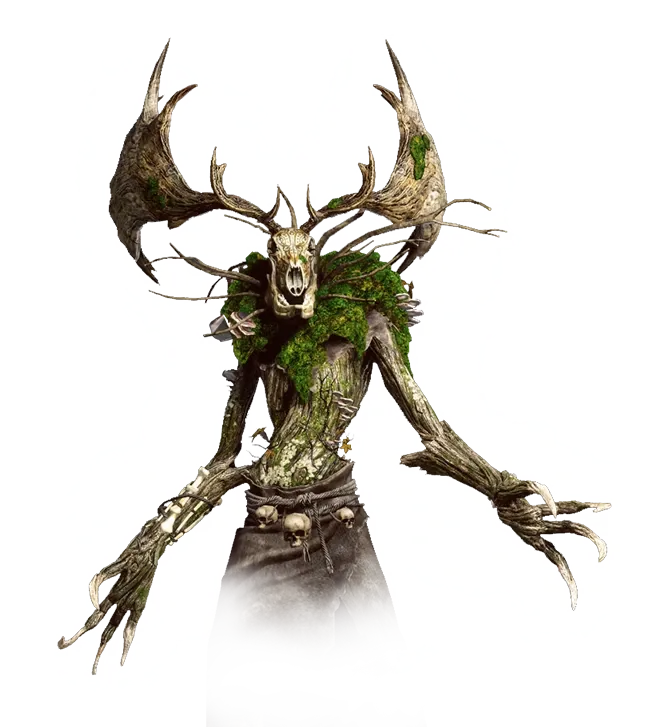
What crossovers has Monster Hunter done?
Monster Hunter's crossovers: hunting Rathalos in Metal Gear Solid: Peace Walker, the two-way Final Fantasy XIV events, Geralt in World, Rathalos in Smash Bros.,…
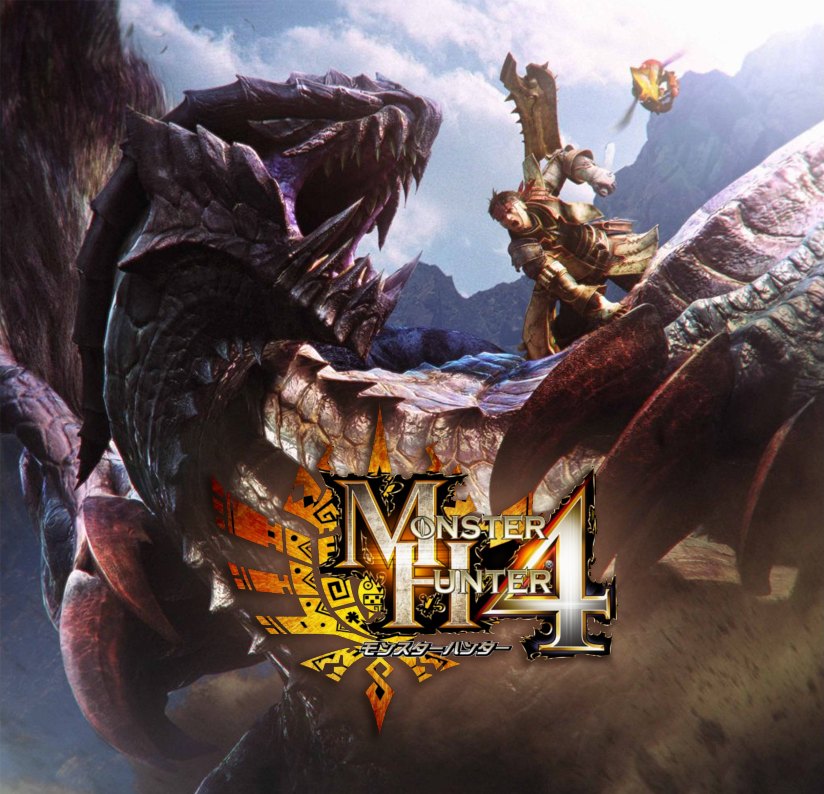
How did Monster Hunter's Japanese and Western releases differ?
Monster Hunter's split publishing history: the Freedom renames, Dos and Portable 3rd never leaving Japan, Monster Hunter 4's skipped localisation, and the…
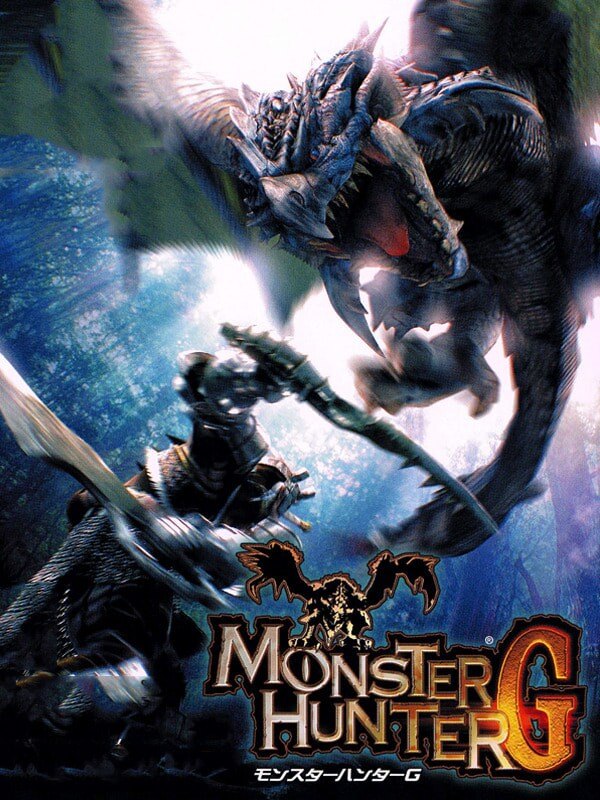
What does Monster Hunter's box art look like across the series?
Monster Hunter box art across twenty years: Japanese covers as painted monster portraits, the Western editions' action framing, and the flagship-monster…
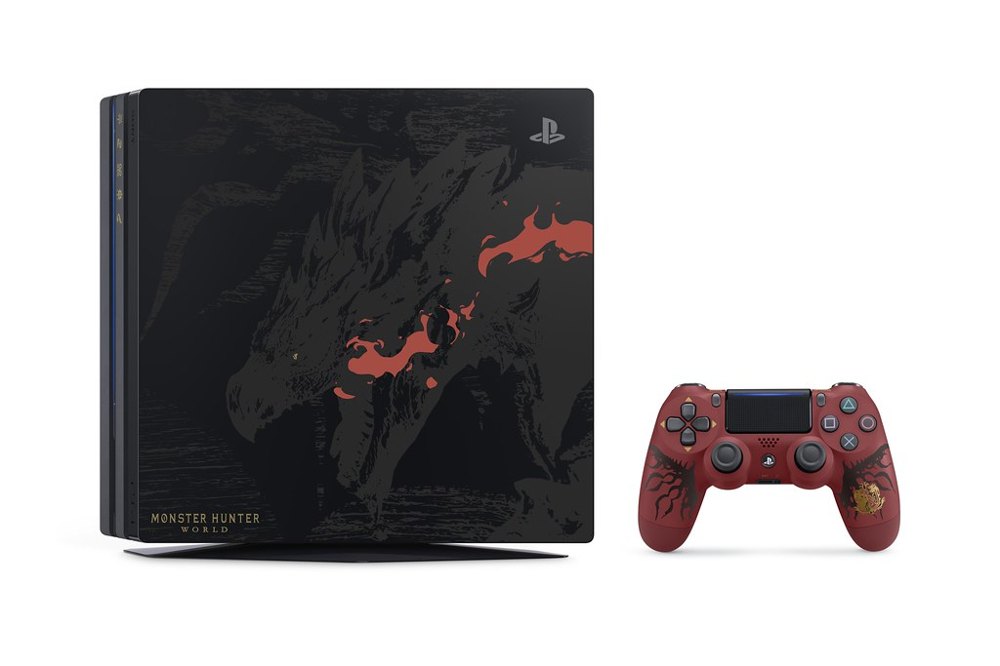
What Monster Hunter limited-edition hardware did Japan get?
Monster Hunter's Japanese limited editions: the Portable 3rd Hunters Model PSP, the Gore Magala 3DS XL, the Liolaeus Edition PlayStation 4 Pro, and the Rise…
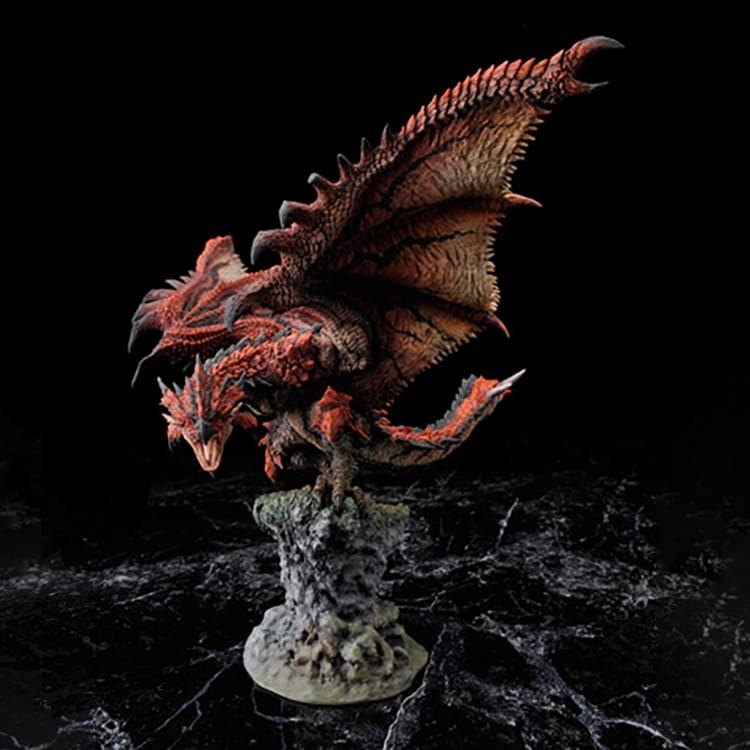
What figures does Capcom itself make for Monster Hunter?
Capcom Figure Builder, the Monster Hunter figure line: the Creators Model statues, the Standard Model Plus blind-box minis spanning every game, and how the…
MUSHISHI
1 shelf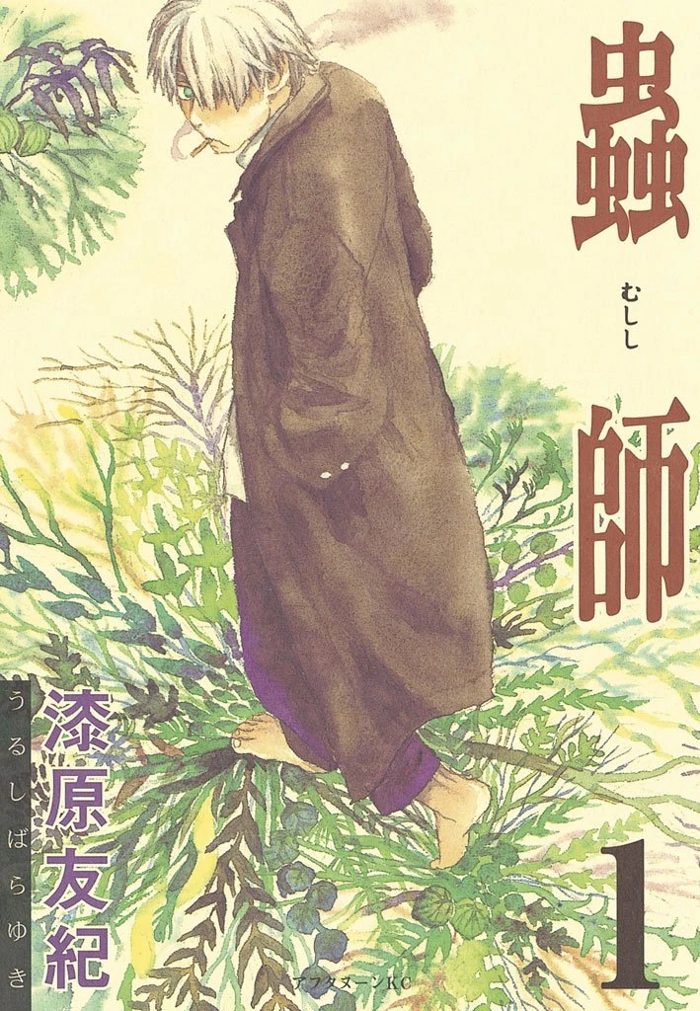
Why is Mushishi volume 8/9/10 so expensive?
Singles stopped at 7. The combined ending, its prices, and the new way in.
MY HERO ACADEMIA
32 shelves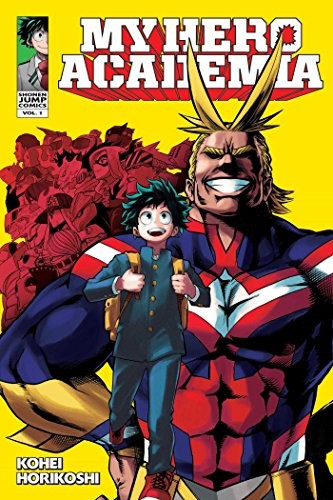
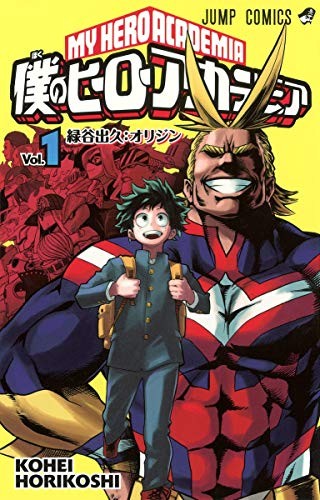
Are My Hero Academia covers the same in Japanese and English?
Yes: Viz kept all 42 of Horikoshi’s cover paintings for the English My Hero Academia and rebuilt the trade dress around them. Two pairs, pictured and compared.
How can you tell a first printing of My Hero Academia?
A first printing of a My Hero Academia Jump Comics volume is identified in the colophon at the back: the printing line and date. The method, and what to check.
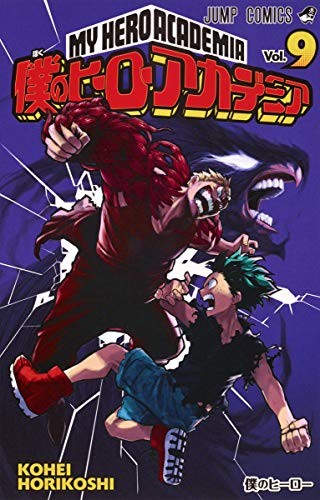
How did My Hero Academia begin?
My Hero Academia began as the 2008 Akamaru Jump one-shot My Hero. After Barrage was cancelled in 2012, Horikoshi rebuilt it into the 2014 Weekly Shonen Jump series.
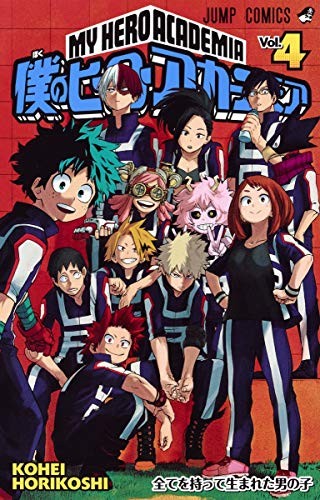
How does Kohei Horikoshi draw?
Horikoshi’s art: Kishimoto’s influence and a love of drawing hands, a figure collector’s superhero anatomy, a hidden horror streak, and a documented warning…
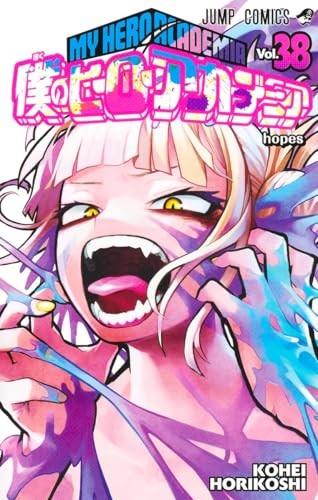
How many copies has My Hero Academia sold?
Over 100 million copies in circulation worldwide by April 2024, spin-offs included, and a regular on the New York Times bestseller list. The numbers, documented.
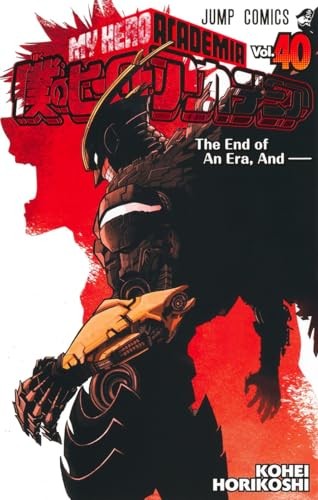
How many volumes of My Hero Academia are there?
My Hero Academia has 42 tankobon volumes and 430 magazine chapters, plus a bonus chapter 431 printed only in the final volume. The full count, documented.
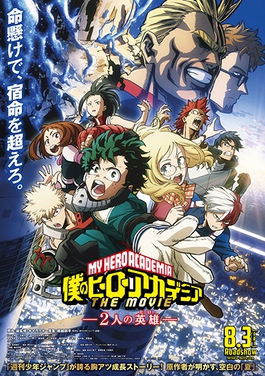
What are the My Hero Academia movie booklet manga?
The giveaway manga of the four films: Vol. 0 Origin, Vol. R, Vol. W, and Vol. Next, printed for first audiences only, with one-shots by Horikoshi and Yoko Akiyama.
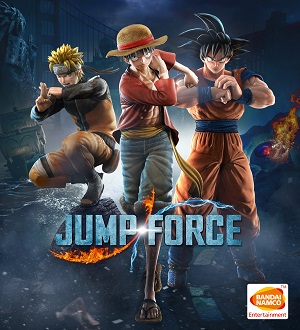
Where has My Hero Academia crossed over?
The guest record: playable in Jump Force, outfits in Fortnite and Overwatch 2, collaborations in Granblue Fantasy and two Roblox games. The crossover census.
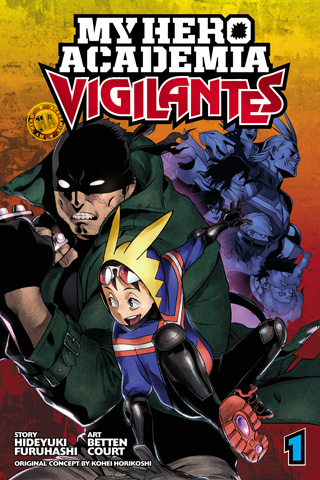
What are the English editions of My Hero Academia?
Viz Media’s English My Hero Academia: volume 1 in August 2015, a chapter simulpub from the start, all 42 volumes by October 2025, and two box sets.
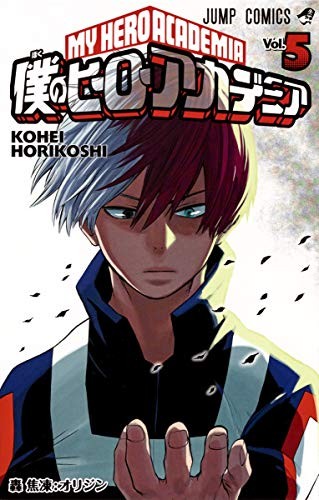
What My Hero Academia exhibitions have there been?
Two major original-art exhibitions: Drawing Smash (Tokyo and Osaka, 2021) and the tenth-anniversary exhibition (Tokyo, June to August 2025, then a four-city tour).
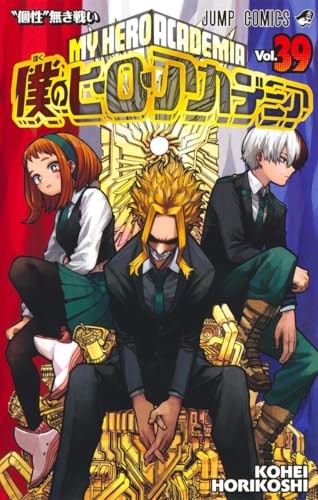
What is the final season of My Hero Academia?
Season 8, the Final Season: 11 episodes, 4 October to 13 December 2025, ending the Bones anime, followed by the bonus special adapting chapter 431 on 2 May 2026.
What is the My Hero Academia live-action film?
Legendary’s live-action My Hero Academia: rights in October 2018, director Shinsuke Sato, Netflix aboard December 2022, Jason Fuchs rewriting in 2025. Still in…
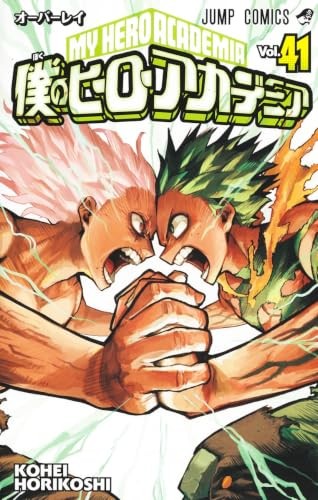
The My Hero Academia Manga Gallery
Every Japanese tankobon cover of My Hero Academia, volumes 1 to 42, Jump Comics editions from 2014 to 2024, with the English volume 1 beside the Japanese original.
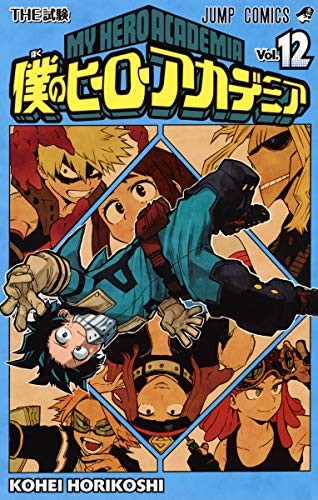
What are the My Hero Academia mobile games?
The mobile and free-to-play shelf: The Strongest Hero (2021), Ultra Impact (2022), and Byking’s cross-platform battle royale Ultra Rumble (2023).
What are the My Hero One’s Justice games?
Byking’s arena fighters for Bandai Namco: One’s Justice (26 October 2018, over 500,000 units by January 2019), One’s Justice 2 (March 2020), and All’s Justice…
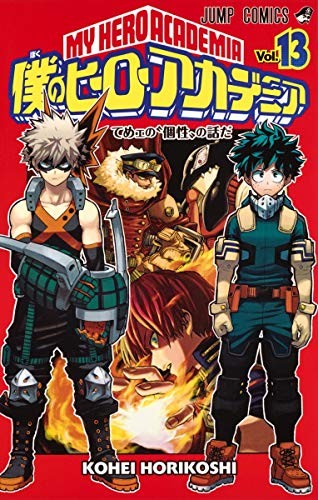
What are the My Hero Academia OVAs?
Eleven OVAs and specials sit beside the 170 TV episodes of My Hero Academia: Jump Festa pieces, limited-edition manga bundles, streaming specials, and film tie-ins.
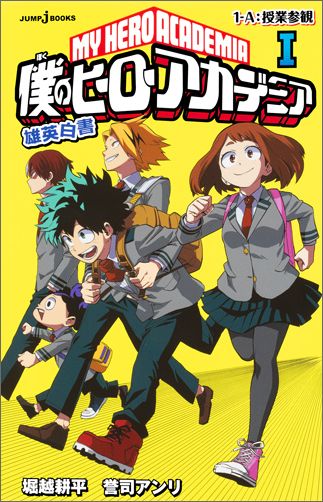
What is My Hero Academia: School Briefs?
School Briefs (Yuei Hakusho) is the light-novel line by Anri Yoshi: six volumes of school-life stories from 2016, published in English by Viz, plus the film novels.
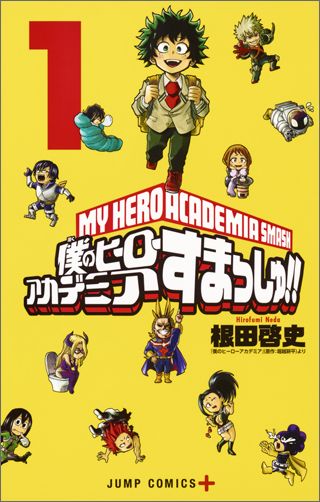
What are My Hero Academia: Smash!! and Team-Up Missions?
The two companion spin-offs: Smash!!, Hirofumi Neda’s comedy (5 vols, 2015–17), and Team-Up Missions, Yoko Akiyama’s team-up anthology (2019–2025), both from Viz.
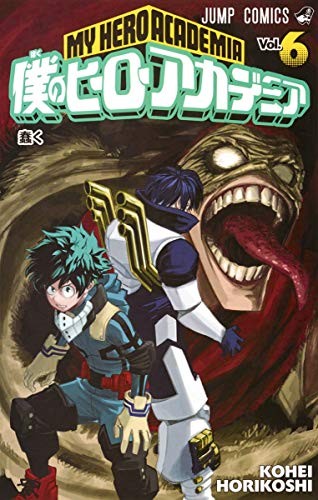
What are the My Hero Academia stage plays?
My Hero Academia: The “Ultra” Stage: four 2.5-dimensional stage productions, 2019 to 2023, from the first run through The Best Hero, with a COVID postponement…
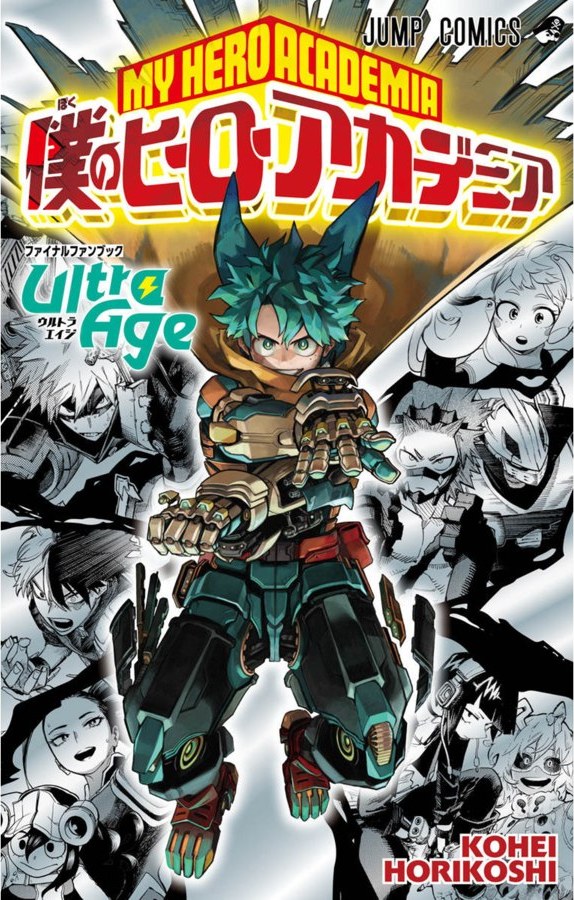
What are Ultra Age and Ultra Artworks?
The closing books of the franchise: Ultra Age, the final fan book (2 May 2025), and Ultra Artworks, the official illustration collection (4 June 2025), with the…
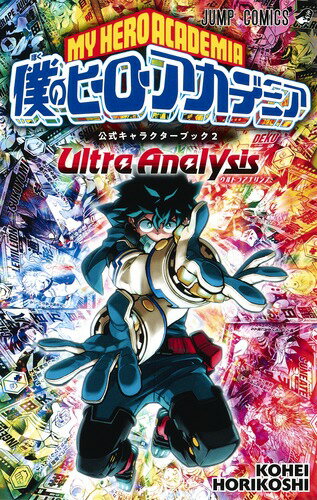
What are Ultra Archive and Ultra Analysis?
Shueisha’s official character guides: Ultra Archive (2 May 2016) and Ultra Analysis (4 October 2019), the stat books of My Hero Academia. Only Analysis reached…
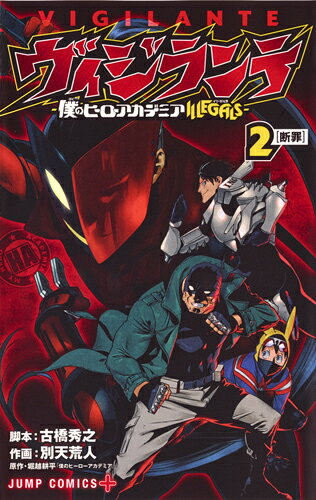
What is the My Hero Academia: Vigilantes anime?
The Vigilantes anime by Bones Film: announced at Jump Festa ’25, season 1 in spring 2025 and season 2 in winter 2026, 26 episodes adapting the complete prequel…
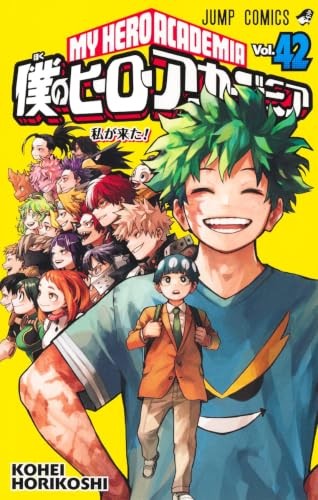
What is in My Hero Academia volume 42?
Volume 42 of My Hero Academia (4 December 2024) collects chapters 423 to 430 and adds 38 pages of new content, including the book-only epilogue chapter 431, More.
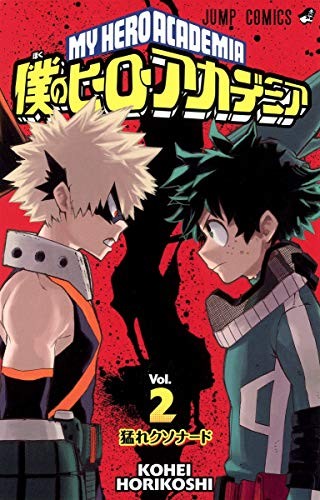
The History of My Hero Academia
The history of My Hero Academia: Horikoshi’s road from two cancelled Jump series to the 2014 launch, the anime era, and the 2024 ending after ten years.
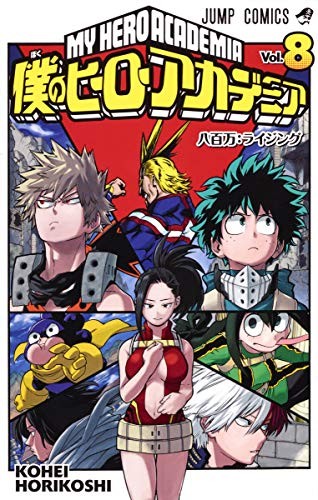
How was the My Hero Academia anime made?
The story of the Bones production: producer Wakana Okamura’s choice, director Kenji Nagasaki, designer Yoshihiko Umakoshi, and eight seasons built in batches,…
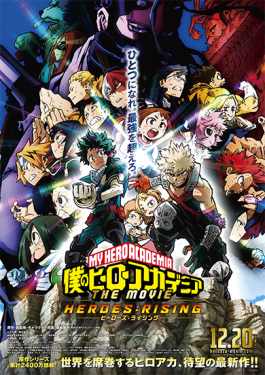
What are the My Hero Academia movies?
Four films: Two Heroes (2018), Heroes Rising (2019), World Heroes’ Mission (2021), and You’re Next (2024), each with a Horikoshi booklet manga given to first…
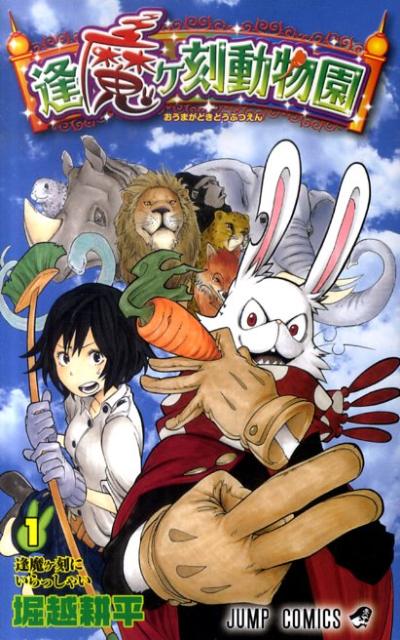
What did Kohei Horikoshi draw before My Hero Academia?
Before My Hero Academia, Horikoshi published three one-shots (Tenko, My Hero, Shinka Rhapsody) and two cancelled Weekly Shonen Jump series: Oumagadoki Zoo and…
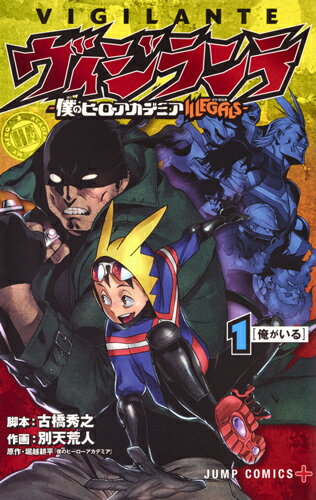
What is My Hero Academia: Vigilantes?
Vigilantes is the prequel spin-off by Hideyuki Furuhashi and Betten Court: 15 volumes (2016–2022), set five years before the main series, about unlicensed heroes.
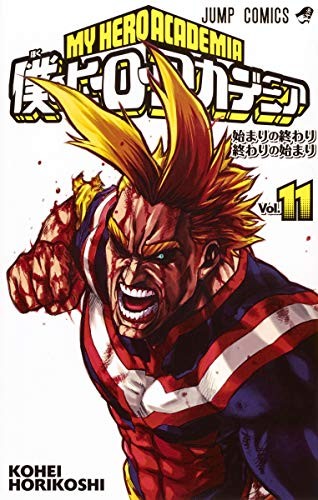
What My Hero Academia video games are there?
The My Hero Academia game census: the 3DS Battle for All (2016), Byking’s One’s Justice pair, Ultra Rumble, All’s Justice (2026), and the two mobile games.
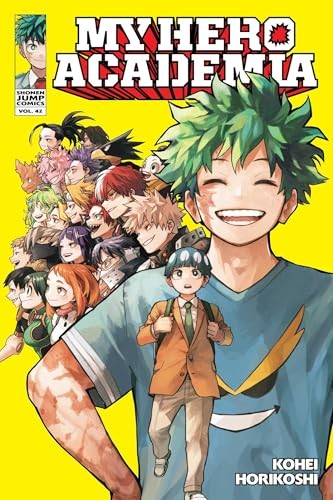
When did My Hero Academia end?
My Hero Academia ended on 5 August 2024 in Weekly Shonen Jump, after an epilogue arc Horikoshi insisted on and a five-chapter countdown announced that June.
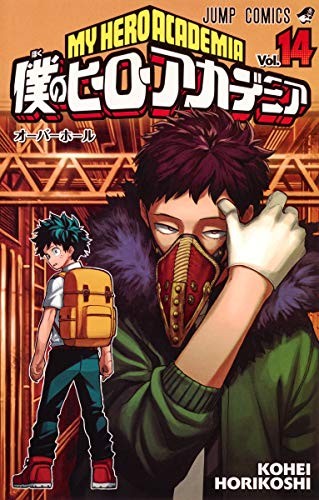
Who composed the music for My Hero Academia?
Yuki Hayashi composed the music for the entire My Hero Academia screen franchise: eight TV seasons, four films, the OVAs, and the Vigilantes anime with two…
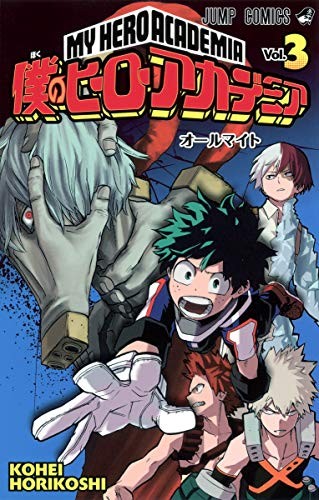
Who is Kohei Horikoshi?
Kohei Horikoshi (born 20 November 1986, Aichi): assistant turned Jump author whose third series, My Hero Academia, ran 2014 to 2024 and passed 100 million copies.
MYSTICAL NINJA
5 shelves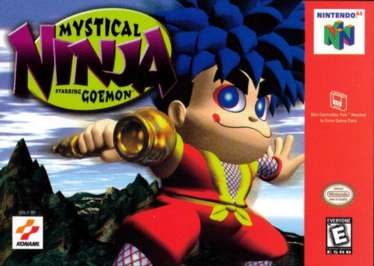
What is Mystical Ninja Starring Goemon?
The Goemon series' leap into 3D: a big, funny Konami adventure in which a blue-haired thief crosses feudal Japan to stop villains who want to turn the whole country into a stage.
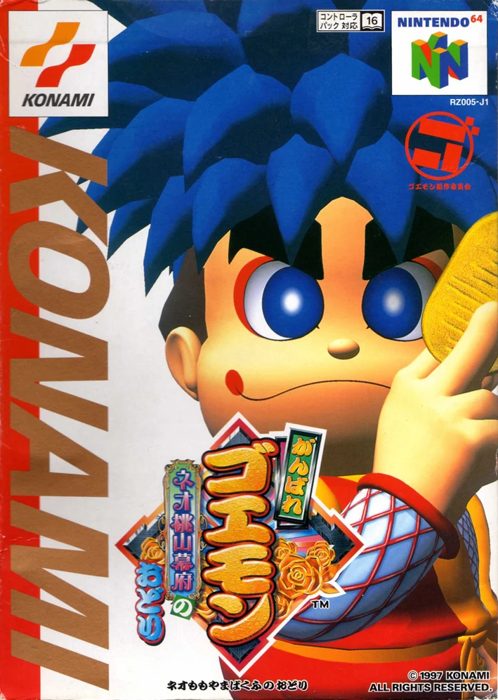
Who was Goemon, the thief the games are named for?
A real bandit executed in Kyoto in 1594, and almost everything else you have heard about him was written afterward. The record and the legend are two different men.
Why does Mystical Ninja have a giant robot and musical numbers?
Because the music is the plot and the spectacle is the series' house style. The villains are performers converting Japan into a stage, so Goemon answers spectacle with spectacle.
Why did most Goemon games never leave Japan?
Konami gave the answer itself in 1996: the games were regarded as too specific to the Japanese market to release worldwide. The record bears it out, 23 mainline games, five released overseas.
Who sang the musical numbers in Mystical Ninja Starring Goemon?
Hironobu Kageyama and Ichirou Mizuki, anime song royalty singing inside a 128 megabit cartridge.
NARUTO
44 shelves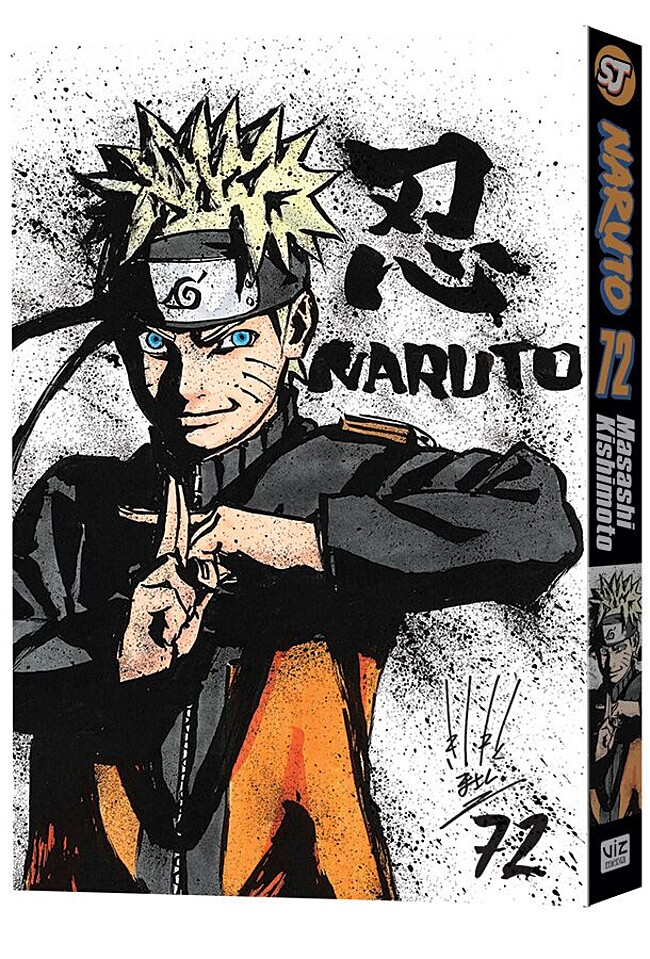
Is the Naruto one-shot the same story as chapter one?
No: in the 1997 pilot Naruto is the fox himself, the son of the beast that destroyed his village, solving a murder in a modern city.
What inspired Naruto?
Kishimoto on record: Dragon Ball, an Akira poster, Blade of the Immortal, Godzilla, and his Okayama hometown.
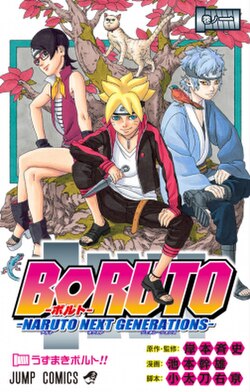
How did Naruto end, and how did Boruto begin?
A planned final battle after 700 chapters, and a sequel that exists only because Kishimoto's assistant agreed to draw it.
How did Naruto become a global bestseller?
Viz in 2003, the Toonami premiere of September 10, 2005, a Quill Award, and 250 million copies in 46 countries and regions.
How Long Did Naruto Run in Weekly Shonen Jump?
Naruto ran in Weekly Shonen Jump from September 21, 1999 to November 10, 2014: 700 chapters across just over fifteen years, ending by Kishimoto's choice.
How Many Volumes of Naruto Are There?
Naruto has 72 tankobon volumes: Part I is volumes 1 to 27, the Kakashi Gaiden sits inside volume 27, and Part II runs from volume 28 to volume 72.
How Can You Tell If a Japanese Naruto Volume Is a First Printing?
Check the colophon at the back of the book: a first printing of a Japanese Naruto volume shows the original date with no later printing lines beneath it.
What Is the Naruto Volume 72 New York Comic Con Variant Cover?
For New York Comic Con 2015, Viz sold an exclusive variant of Naruto volume 72 with a new cover drawn by Masashi Kishimoto for the convention.
What Was the Naruto Nation?
Naruto Nation was Viz Media's 2007 catch-up campaign: three new Naruto volumes a month from September to December, closing the gap with Japan.
What Are the Naruto 3-in-1 Omnibus Editions?
Viz's 3-in-1 editions repackage all 72 Naruto volumes into 24 larger omnibuses, starting in 2011: same chapters, bigger trim, thinner paper.
What Is Naruto Gaiden: The Seventh Hokage and the Scarlet Spring?
Naruto Gaiden: The Seventh Hokage and the Scarlet Spring is Kishimoto's ten-chapter sequel miniseries from 2015, starring Sarada Uchiha.
What Was Karakuri, Kishimoto's First Manga?
Before Naruto, Kishimoto's Karakuri won an honorable mention in the 1996 Hop Step Award, and its failed 1998 serialization taught him what Naruto needed.
What Naruto Art Books Has Kishimoto Published?
Kishimoto published three main Naruto art books: Uzumaki in 2004, Paint Jump: Art of Naruto in 2008, and the Naruto Illustration Book in 2009.
How Many Naruto Databooks Are There?
There are four main Naruto databooks (Rin, To, Sha and Jin no Sho) plus two fanbooks; the fourth databook, covering volumes 44 to 71, never got an English edition.
What Are the Naruto Hiden Light Novels?
The Naruto Hiden novels are six prose books from 2015, written by six different authors with Kishimoto illustrations, filling the gap after chapter 699.
How Are Japanese and English Naruto Manga Covers Different?
Japanese and English Naruto volumes use the same Kishimoto art but different covers as objects: trade dress, spines, logos and bonus variants all differ.
How Many Episodes of Naruto Are There?
Naruto and Naruto Shippuden together run 720 episodes: 220 from 2002 to 2007 and 500 from 2007 to 2017, all animated by Studio Pierrot.
How Much of Naruto Is Filler?
By the standard fan episode guides, about 41 percent of both Naruto series is anime-original filler: roughly 90 of 220 episodes and 203 of 500.
How Many Naruto Movies Are There?
There are eleven Naruto theatrical films, three for the original series and eight for Shippuden, released almost every summer from 2004 to 2015.
Is The Last: Naruto the Movie Canon?
Yes: The Last is a canon chapter of the manga's story, set between chapters 699 and 700, with Kishimoto providing the story concept and designs.
Is There a Live-Action Naruto Movie?
A live-action Naruto has been in development at Lionsgate since 2015. As of late 2026 it has a director and a casting search, but no release date.
What Is the Difference Between the TV Version and the Uncut DVDs?
The Cartoon Network broadcast of Naruto trimmed blood, alcohol references and innuendo; Viz's Uncut DVD box sets restored the episodes as animated.
Why Does the Pain Fight Episode Look Different?
Shippuden episode 167 was animated by a tiny team led by Atsushi Wakabayashi, with Shingo Yamashita drawing minutes of it alone, on purpose off-model.
What Is Rock Lee's Springtime of Youth?
Rock Lee's Springtime of Youth is Kenji Taira's chibi gag spinoff: a seven-volume manga and a 51-episode anime that took Bleach's TV slot in 2012.
When Did Naruto Premiere on Toonami?
Naruto premiered on Cartoon Network's Toonami on September 10, 2005, and within two months every published English volume was in the BookScan top 20.
What Was the First Naruto Video Game?
The first Naruto game was Konoha Ninpouchou, a role-playing game released for Bandai's WonderSwan Color in Japan on March 27, 2003.
What Is the Difference Between Clash of Ninja and Gekitou Ninja Taisen?
Clash of Ninja is the Western name for Gekito Ninja Taisen, Eighting's GameCube fighting series; Japan got four games, the West got two, then a different Wii line.
Why Was Gekitou Ninja Taisen 4 Never Released Outside Japan?
Gekito Ninja Taisen 4 (2005) is the only main Clash of Ninja game never localized: 36 playable characters and the complete Part I roster, Japan only.
Naruto Ultimate Ninja Numbering Explained: Narutimate Hero, Accel and Ultimate Ninja 4 and 5
Japan's Narutimate Hero 1 to 3 became Ultimate Ninja 1 to 3, but Accel 1 and 2 were renumbered as Ultimate Ninja 4 and 5 in the West.
Why Did Ultimate Ninja 5 Never Come to North America?
Ultimate Ninja 5, Japan's Narutimate Accel 2, is the only main Ultimate Ninja game never released in North America; Europe got it in 2009, in Japanese voices.
How Many Ultimate Ninja Storm Games Are There?
The Storm line has eight main entries from 2008 to 2023, plus the Full Burst upgrade, the Trilogy and Legacy collections, and the Connections finale.
How Many Copies Have the Naruto Games Sold?
Bandai Namco's Naruto games passed 10 million copies in 2012; the Ultimate Ninja series passed 20 million by 2019 and the Storm line alone 30 million by 2024.
Which Naruto Games Were Only Released in Japan?
Most early Naruto games never left Japan: Gekito Ninja Taisen 3 and 4, the Wii EX line, the WonderSwan original and the Data Carddass arcade games among them.
What Are the Naruto Ninja Council Games?
Ninja Council is Tomy's handheld action series, Japan's Saikyo Ninja Daikesshu: two GBA games, then DS sequels whose numbering does not match Japan's.
How Do Japanese and English Naruto Game Covers Differ?
Japan's Narutimate Hero 2 shipped with two different covers, a Naruto version and a Sasuke version; the West got one cover and a translated name.
What Was the Naruto Collectible Card Game?
Bandai's Naruto Collectible Card Game ran in North America from April 2006 to 2013 across 28 sets, opening with The Path to Hokage, which sold out at launch.
How Can You Tell a 1st Edition Naruto CCG Card from an Unlimited One?
First edition Naruto CCG cards come from the small first print runs before the unlimited reprints; early rares carry gold foil names, and dots mark the rarity.
Which Naruto CCG Cards Do Collectors Grade?
Collectors grade the Naruto CCG's 1st Edition super rares from the first three sets, the gold letter foils whose print runs were the smallest the game ever had.
What Naruto Card Games Existed in Japan Before the American CCG?
Japan had Naruto card games years before the American CCG: Bandai's 2003 card game, the Data Carddass arcade line, and Miracle Battle Carddass from 2012.
What Are Kayou Naruto Cards? (And Is a New Bandai Card Game Coming?)
Kayou's licensed Naruto cards are Chinese collectibles, not a game; Bandai announced a new Naruto Card Game in June 2026, launching worldwide in 2027.
What Is Ichiban Kuji, and How Do the Naruto Lotteries Work?
Ichiban Kuji is Bandai Spirits' prize lottery: every ticket wins, top letters are MASTERLISE figures, and the final ticket in a set wins the Last One prize.
What Are the Main Naruto Figure Lines?
The main Naruto figure lines divide by job: S.H.Figuarts for action, G.E.M. for 1/8 display, Tsume for statues, Nendoroid for chibi, Figuarts ZERO for effects.
What Are Naruto Prize Figures?
Naruto prize figures are Banpresto items won from arcade crane games, not sold in shops: Grandista, Vibration Stars and Master Stars Piece are the big lines.
Why Do American Naruto Toys Look Different from Japanese Ones?
Viz made Mattel Naruto's master toy licensee in 2005, so US toys were mass-market Mattel products while Japan's figures came from Bandai's collector lines.
NEON GENESIS EVANGELION
2 shelf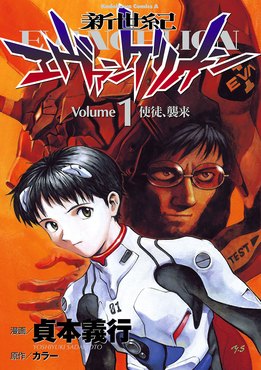
What inspired Neon Genesis Evangelion?
Yoshiyuki Sadamoto's own formula: Ideon plus Devilman, divided by two.
Why does Evangelion end every episode with Fly Me to the Moon?
Bart Howard's standard in a new arrangement almost every week, more than thirty versions, under Shiro Sagisu's classical threaded score.
NIER
7 shelves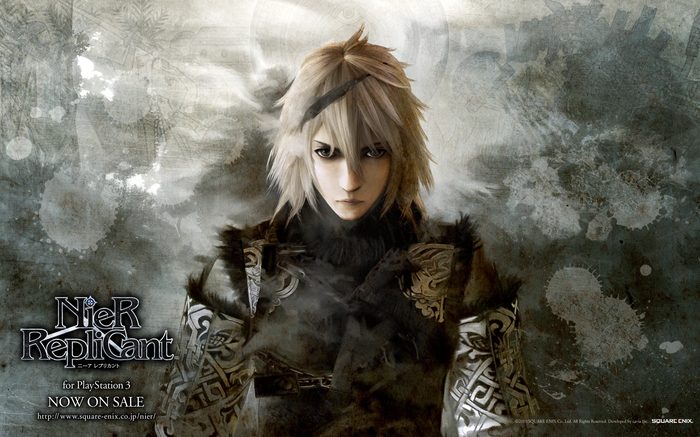
The NieR Gallery
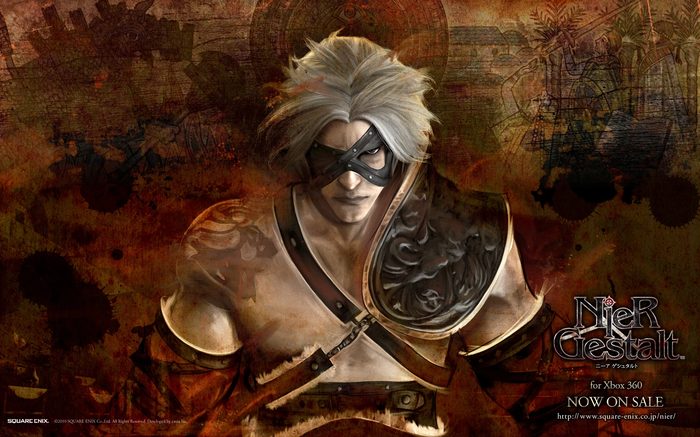
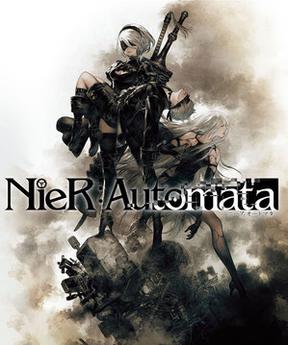
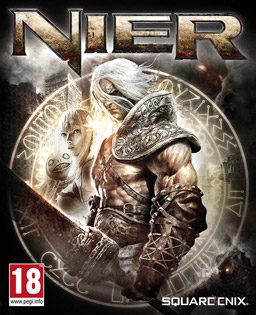
Replicant and Gestalt key art, the Western NieR box, and the NieR Automata cover, with both histories and the questions behind them.
The History of NieR
Cavia's 2010 original: Yoko Taro, Keiichi Okabe's score, the mixed reviews, the half million sales, and the cult that grew anyway.
The History of NieR Automata
PlatinumGames and Yoko Taro, 2017: 2B and 9S, the collaboration that saved a studio, ten million copies, and the scores.
Why are there two different versions of NieR?
A brother in Japan, a father in the West: one game, split by platform and by audience research.
What does the number in NieR Replicant ver.1.22474487139 mean?
It is the square root of 1.5: the developers' label for a version upgrade, neither remake nor remaster.
How is NieR connected to Drakengard?
Spoilers: it is the sequel to Drakengard's joke ending, the one with a dragon falling on Tokyo in 2003.
Why is NieR's music sung in a language that does not exist?
Yoko Taro wanted vocals no player could understand, so Emi Evans built the Chaos Language for Keiichi Okabe's score, one real language per song, drifted a thousand years.
ONE PIECE
11 shelves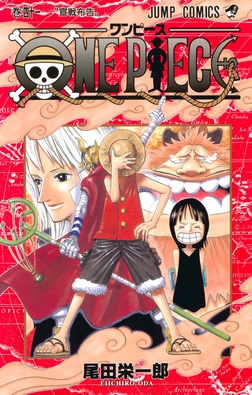
What inspired One Piece?
A childhood Viking cartoon and Dragon Ball, in Eiichiro Oda's own account.
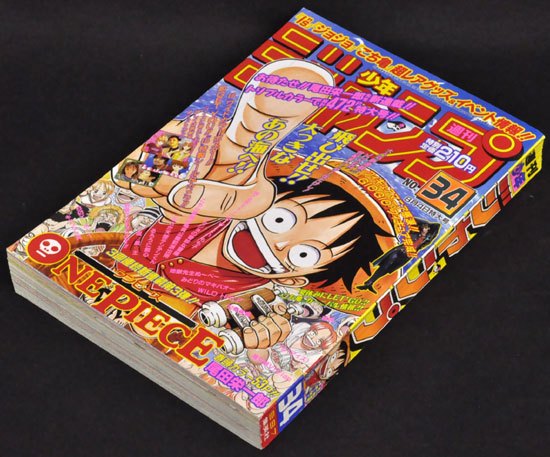
How can you tell a real 1997 Weekly Shonen Jump No.34 from a reprint?
The 2017 facsimile matches the cover, so authentication rests on the reprint's interior fingerprints.
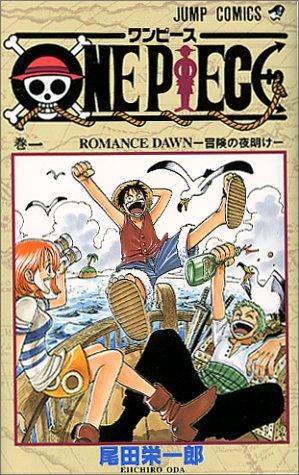
The One Piece Gallery
Volume 1 in Japan and America side by side, the debut issue, the Gear 5 issue, and the volume that carried the 600 million announcement.
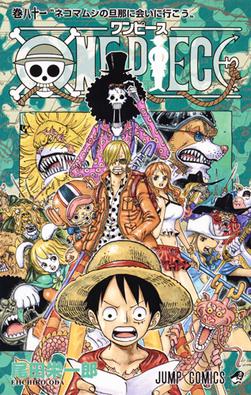
The History of One Piece
Two prototype drafts in one summer, a five year plan, and the twenty-nine year run that followed: how the series was made and what it became.
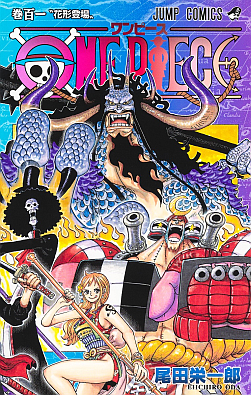
How many copies has One Piece sold?
Over 600 million copies published worldwide as of March 2026, on Shueisha's own count: the ladder from the 320 million Guinness record to the 600 million announcement, and the first printing records.
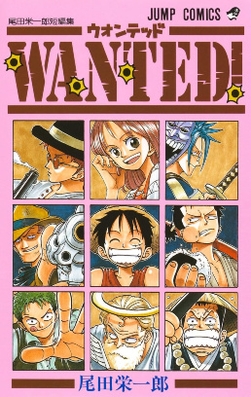
What is Romance Dawn?
The pirate one-shot Oda drew twice in the summer of 1996, a year before One Piece: two drafts, and two different men hand Luffy the straw hat.
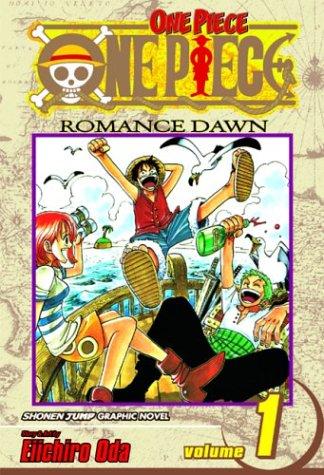
How does Eiichiro Oda make One Piece?
Storyboards first, every moving thing drawn by Oda himself, and a book of ideas he has kept since childhood: his process, in his own words.
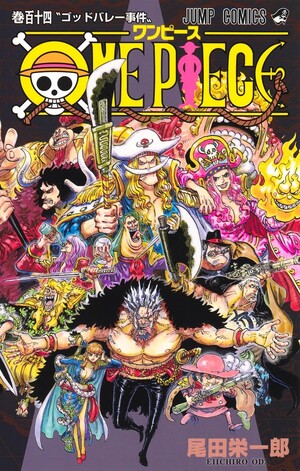
What has Eiichiro Oda said about the ending of One Piece?
A last panel decided decades ago, a treasure he insists is real, and a string of finish dates that all moved: his statements, each at the tier it carries.
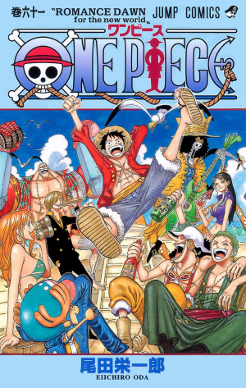
What is the SBS in One Piece volumes?
The question corner Oda has run between the chapters since Volume 4, where ages and birthdays get settled, and the childhood promise that keeps it running.
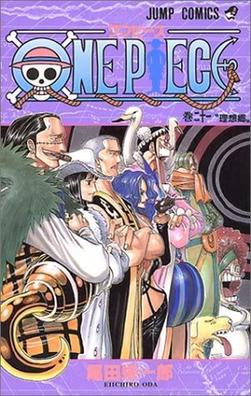
Why is One Piece getting a new anime from WIT Studio?
Announced in December 2023 while the 1999 anime still runs: tighter pacing, modern visuals, and the younger generation the older episodes cannot reach.
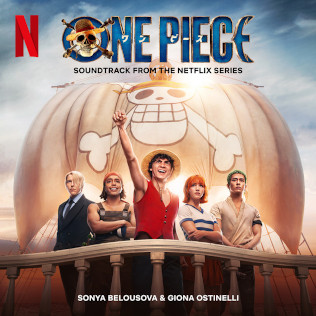
Who wrote We Are!, the first One Piece opening?
Tanaka composed it, Fujibayashi wrote it, and Hiroshi Kitadani, hired only to sing the temporary vocal, kept the job: the song that saved his career.
ONE PUNCH MAN
17 shelves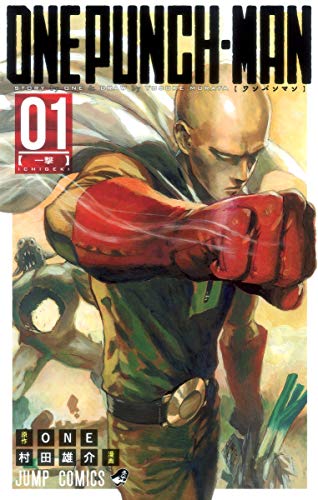
The One-Punch Man Manga Gallery
All 37 Japanese One-Punch Man tankobon covers by Yusuke Murata, pictured and verified in sequence, with release dates and ISBNs, plus the volume 1 cover in its…
The History of One-Punch Man
The history of One-Punch Man: ONE’s 2009 webcomic, the 2012 Murata remake on Tonari no Young Jump, 37 volumes, three anime seasons, and 38 million copies in…
How Did One-Punch Man Start as a Webcomic?
One-Punch Man began on July 3, 2009 on ONE’s FC2 homepage as drawing practice: the comment counts, the 7.9 million hits, the hiatuses, and the Anpanman joke…
How Did Saitama Get Strong in One-Punch Man?
How Saitama got strong: the regimen he recites in volume 2, 100 push-ups, 100 sit-ups, 100 squats and a 10 km run daily, plus the limiter theory the series later…
How Did Yusuke Murata Come to Draw One-Punch Man?
How Yusuke Murata came to draw One-Punch Man: a fan of the webcomic, a tweet from ONE about quitting, a phone call Murata made himself, and the two one-shots the…
Why Does Yusuke Murata Redraw One-Punch Man Chapters?
Why One-Punch Man chapters get redrawn: the remake is digital-first, so Murata replaces published chapters wholesale, from the Phoenix Man fight to the 2025…
How Does Yusuke Murata Draw One-Punch Man?
How Yusuke Murata draws One-Punch Man: a fully digital workflow inside Tonari no Young Jump’s online system, colored and animated spreads, and pages ONE calls…
What Is the Difference Between the One-Punch Man Webcomic and the Remake?
Webcomic vs remake: ONE’s original continues on his own site while the Murata remake for Shueisha expands scenes, adds arcs, and runs on three different chapter…
Why Did the One-Punch Man Anime Change Studios?
Why the One-Punch Man anime changed studios: Madhouse and director Shingo Natsume made season 1 in 2015; the September 2017 change to J.C.Staff and Chikara…
What Is the Status of One-Punch Man Season 3?
One-Punch Man season 3 status: the J.C.Staff season aired October 12 to December 28, 2025, its reception was the series’ worst, and a second cours is set for…
How Many One-Punch Man Books Are There?
How many One-Punch Man books: 37 Japanese tankobon as of July 2026 with a 38th dated December 4, 2026, 34 English volumes from Viz as of September 2026, and how…
What Are the One-Punch Man English Editions?
The English One-Punch Man: Viz Media’s run from the January 2013 Shonen Jump serialization to 34 print volumes by September 2026, with every volume’s date and…
What One-Punch Man Video Games Are There?
The One-Punch Man games: A Hero Nobody Knows (2020) for consoles and PC, the Road to Hero mobile game (2019), and the 2023 Overwatch crossover skins.
What Is One-Punch Man’s Sibling, Mob Psycho 100?
Mob Psycho 100, ONE’s other series: written and drawn by ONE himself for Shogakukan’s Ura Sunday from 2012 to 2017, 16 volumes, a finished story, and the Bones…
Who Created One-Punch Man? ONE, the Author
Who created One-Punch Man: the author known as ONE, from Niigata by way of Saitama, the Crayon Shin-chan books that started him drawing, and his later series…
How Can You Tell a First Printing of One-Punch Man?
How to tell a first printing of One-Punch Man: the Jump Comics colophon at the back of every Japanese volume, the December 4, 2012 twin launch of volumes 1 and…
Where Is One-Punch Man Published? Tonari no Young Jump
Where One-Punch Man is published: Tonari no Young Jump, Shueisha’s free web magazine spun off from Weekly Young Jump, home of the remake since June 14, 2012.
ORPHEN
13 shelves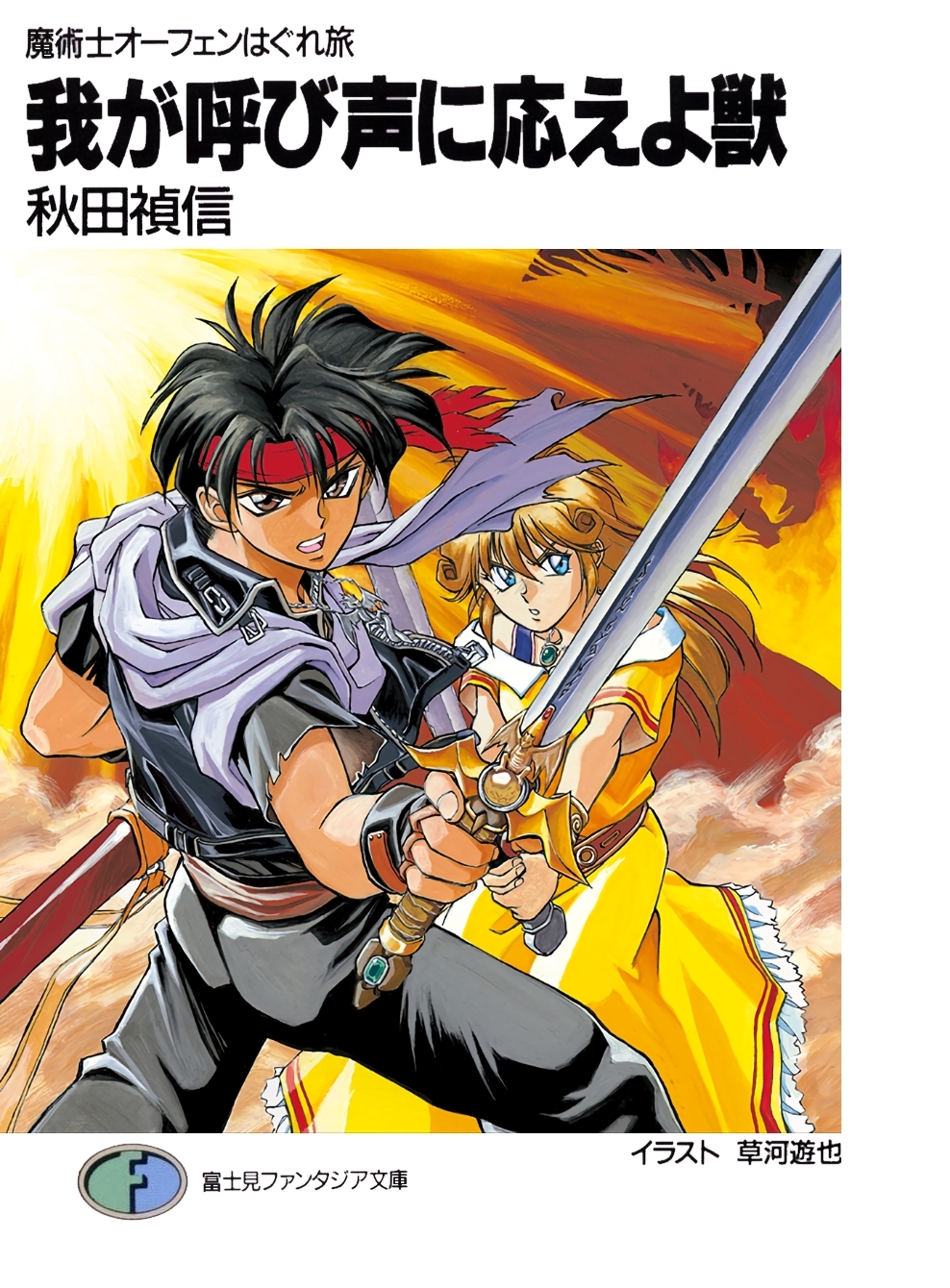
The Orphen Novel Gallery
Every Japanese cover of Sorcerous Stabber Orphen: The Wayward Journey, all twenty Fujimi Fantasia Bunko volumes from 1994 to 2003, painted by Yuuya Kusaka.
The History of Sorcerous Stabber Orphen
How Yoshinobu Akita's Orphen began in Dragon Magazine in 1994, became a Fujimi Fantasia Bunko flagship beside Slayers, and kept going for three decades.
Who Is Yuuya Kusaka?
Yuuya Kusaka has illustrated every Orphen novel since 1994: all twenty main volumes, the side series, the sequel and the anniversary books.
What Is the Tower of Fangs?
The Tower of Fangs is the school that trained Orphen, Azalie and Childman, and the institution that voted to erase its own mistake.
What Is the Bloody August?
The Bloody August is the dragon at the heart of Orphen: what the Sword of Baltanders did to Azalie, and why the Tower chose a cover-up over a cure.
How Was the 1998 Orphen Anime Made?
J.C.Staff's 1998 Orphen: 24 episodes on TBS, directed by Hiroshi Watanabe, scored by Sharam Q's Hatake, and voted into the Anime Grand Prix top ten.
What Is Orphen: Revenge?
Orphen: Revenge (1999 to 2000) is the second vintage season: a new director, a new heroine, and a mostly original, lighter story told in 23 episodes.
What Is the 2020 Orphen Anime?
The 2020 Orphen remake: Studio Deen's four-season adaptation, 2020 to 2023, the first version to animate the Kimluck, Urbanrama and Sanctuary arcs.
The Orphen Manga, Series by Series
Four Orphen manga lines documented: Hajime Sawada's 1997 original, the Special Parody collection, Muraji's remake, and the two J-Novel Club manga.
What Orphen Video Games Are There?
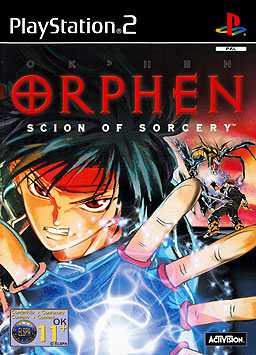
One game only: Orphen: Scion of Sorcery for PlayStation 2 (2000), a launch title in the West with a full Los Angeles cartoon voice cast.
How Can You Collect Orphen in English?
Collecting Orphen in English: J-Novel Club's completed digital novels, Seven Seas' partial manga, the ADV era, Sentai's rescue sets, and the launch-day game.
What Is Slayers VS Orphen?
Slayers VS Orphen (2005) is the co-written crossover of the two Fujimi Fantasia Bunko flagships, the phantom book that sold out across Japan.
Why Was Orphen Huge in Japan but Niche in the West?
Fourteen million novels in Japan against a quiet Western afterlife: magazine power, a late arrival, a launch-day game, and novels that waited 24 years for…
PERSONA
5 shelves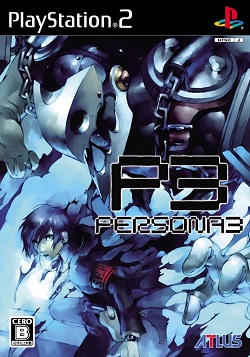
Why do Persona 3's party members summon with Evokers?
Not a gun: a Kirijo device built to provoke terror, because extreme stress is the stated price of calling a Persona out.
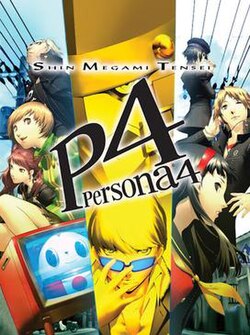
Why did Persona drop the Shin Megami Tensei prefix in the West?
A Western marketing banner added after Nocturne, kept for Persona 3 and 4, then omitted from Golden and Arena as too long, per Atlus's own project manager.
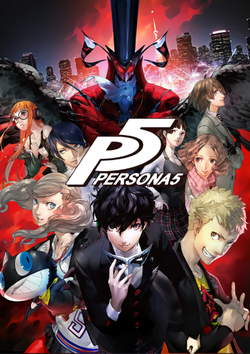
Why did Persona 5's menus and UI become famous?
Color first, no subcolors, lines that guide the eye: art director Masayoshi Suto and producer Kazuhisa Wada explained the method at CEDEC in 2017.
Why does Persona run on a calendar and Social Links?
Hashino, on the record: links came from self-discovery and the face we show others, and Persona 4's clock was built to match the pressure its cast was feeling.
Why do Persona games have sung battle themes?
It started as a prototype. Shoji Meguro wrote Mass Destruction as a test, the staff loved it, and every Persona since has had a voice: Kawamura, Hirata, Lyn.
PHONE CARDS
4 shelves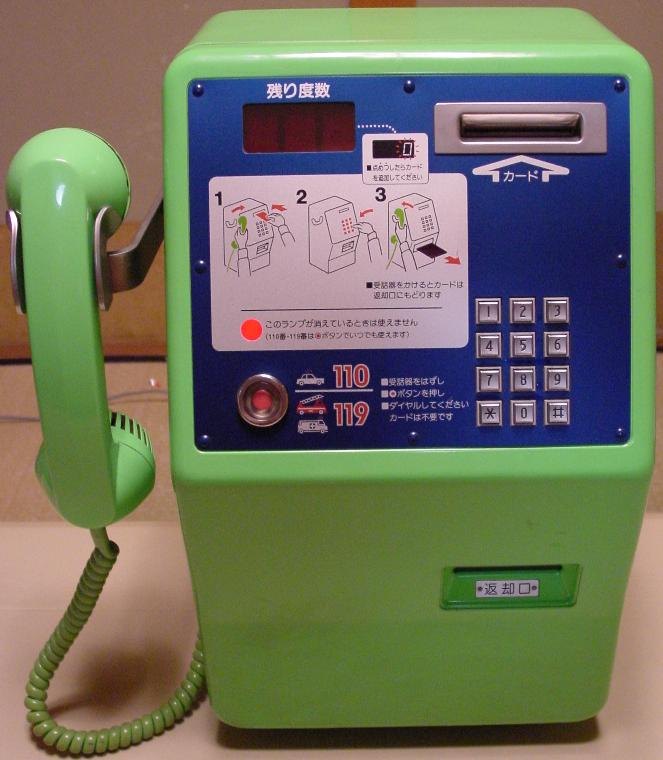
What are Japanese phone cards?
NTT's prepaid payphone card of 1982, and how a piece of phone credit became a pocket-sized art medium.
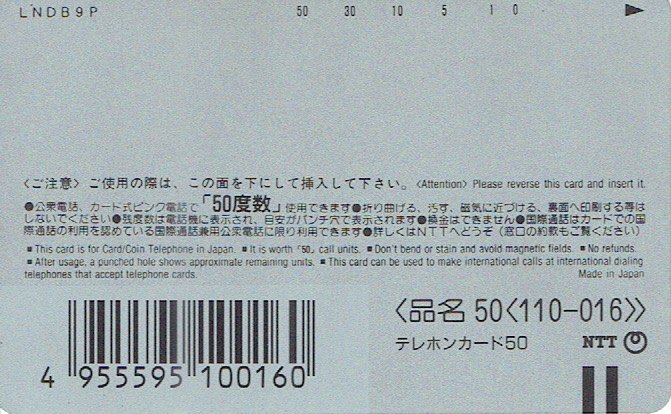
Why do people collect Japanese phone cards?
Swap meets, printed catalogs, and designs collected by theme, series and place.
Why do people grade Japanese phone cards?
Authentication, a fixed identity, and a flat sealed case for a paper-thin piece of print.
What do the numbers on a Japanese phone card mean?
50 to 540 units, one unit per ten yen of calls, and the punch holes that count the card down.
PIKMIN
3 shelves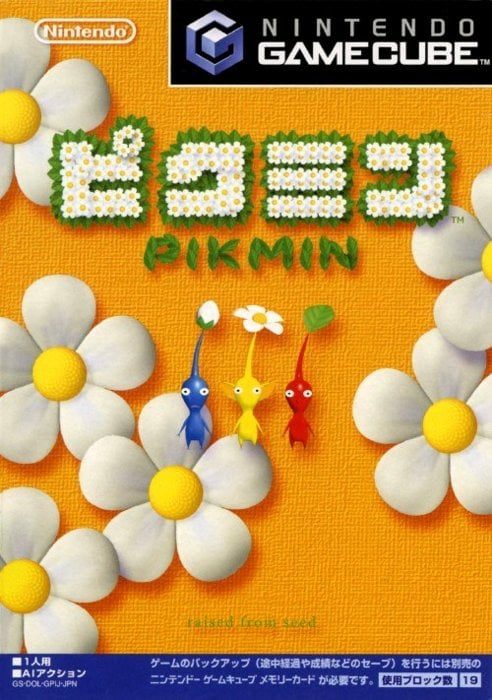
What inspired Pikmin?
Ants in Miyamoto's garden, in his own words, plus the Burton, the French film, and the Dawkins the team added.
Why are Pikmin 2's treasures different in Japan and America?
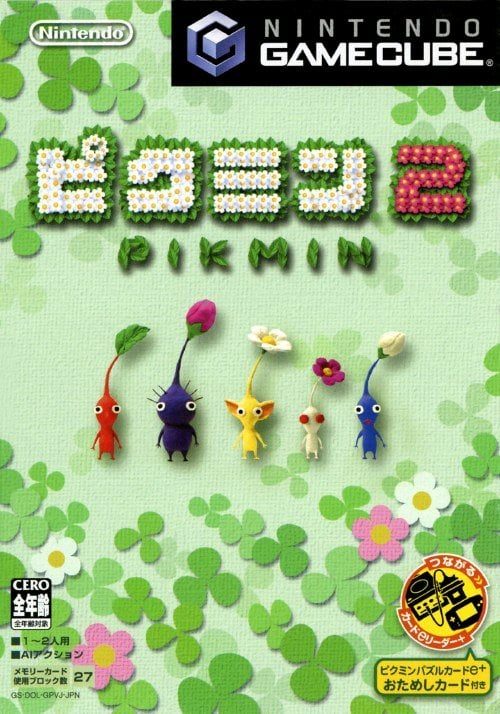
Real junk is regional: National batteries in Japan, Duracell in America, and one cave slot holding three different treasures.
How did the Pikmin commercial song outsell the game?
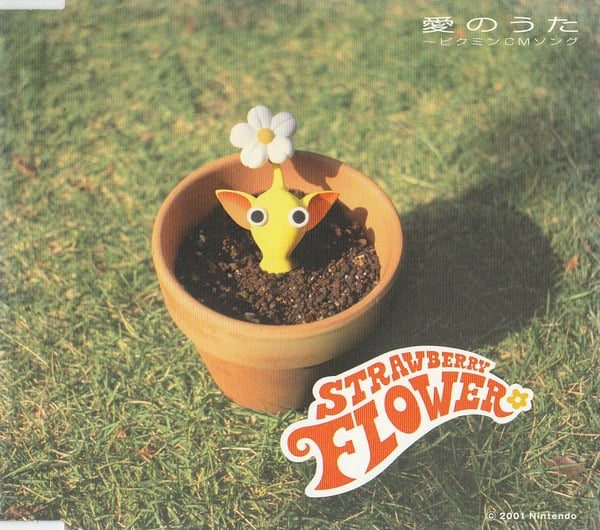
Strawberry Flower's Ai no Uta hit #2 in Japan and sold past 600,000 singles. The game it advertised reached 500,000.
POKÉMON
121 shelves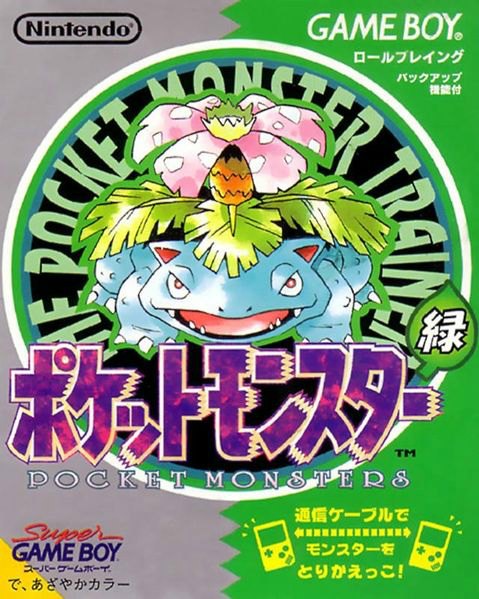
The Pokémon Gallery
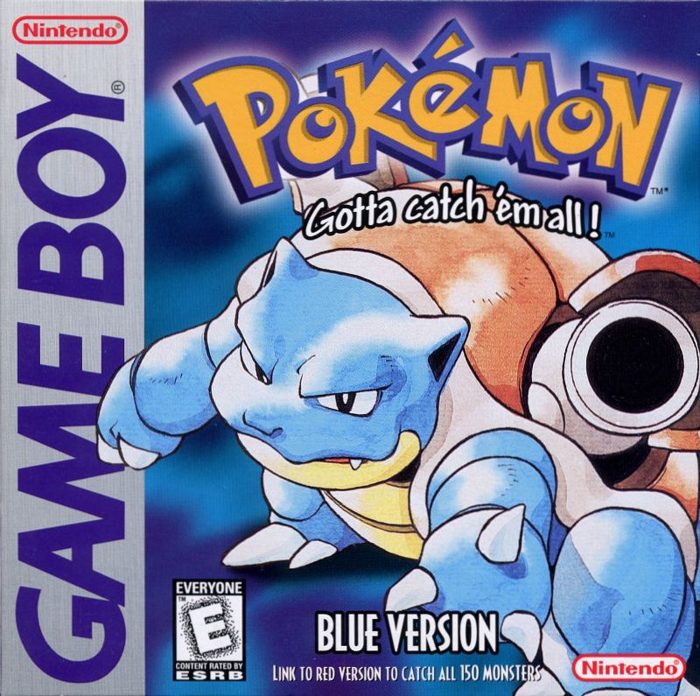
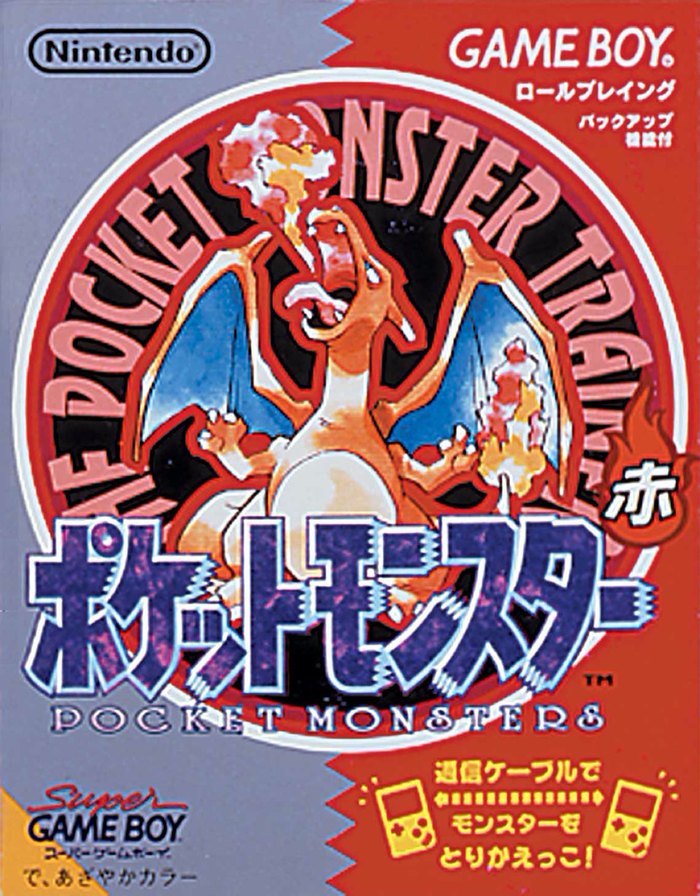
Red, Green and Blue, covers first: the Japanese boxes of 1996 and the American boxes of 1998, with the history and the origin question behind them.
The History of Pokémon Red and Blue
Red and Green in February 1996, Blue as the mail order special edition, and the Western pair built on Blue: over 31 million copies, from bugs and a link cable.The pair that started with bugs and a cable, and sold over 31 million copies.
→
What inspired Pokémon?
A childhood spent catching insects, in Satoshi Tajiri's own account.
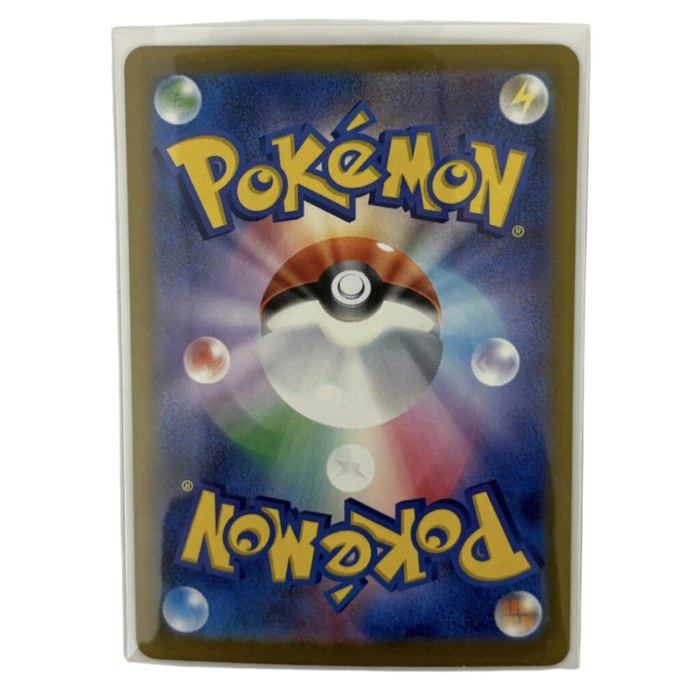
Why do Japanese Pokémon cards have different backs?
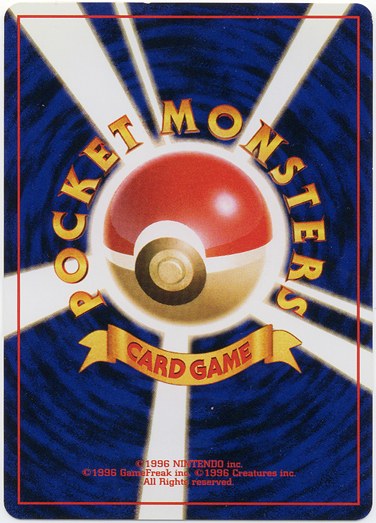
Japan's 1996 back and the world's 1999 back never unified, and tournament rules still count them as marked cards.
The History of Pokémon Cards in Japan and the West
Media Factory in October 1996, Wizards of the Coast in January 1999: two publishers, two backs, and two 1st Edition timelines that never lined up.
Do Japanese Pokémon cards have 1st Edition stamps?
Yes, but only from 2001: Japan adopted the stamp just as the West was dropping it, and Japanese Unlimited prints are often the scarcer ones.
The Pokémon Promo Gallery
The Burger King gold cards, the movie promos, Ancient Mew, the Poncho Pikachu universe, sticker cards and phone cards: Pokémon's promotional history, documented…
Are the Burger King gold Pokémon cards real gold?
The 1999 Burger King gold cards are real 23-karat gold plating on thick metal, sold for $1.99 with a meal during the First Movie campaign: six Pokémon, a Poké…
What comes in a complete Burger King gold card set?
A complete Burger King gold card example is four pieces: the gold-plated metal card, its plastic Poké Ball, the certificate of authenticity signed by Howard…
Why were the Burger King Poké Balls recalled?
Burger King recalled the Poké Ball containers in December 1999 after two infants suffocated on the ball halves. The campaign also included 59 toys, PokéTrivia…
What cards were given away at Pokémon: The First Movie?
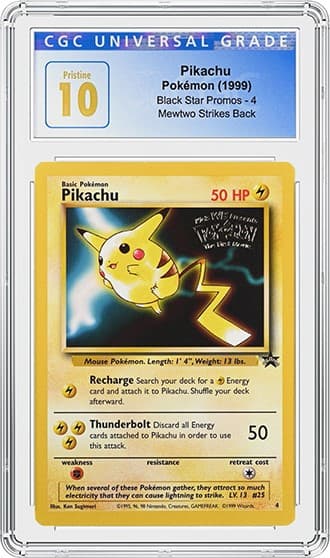
Four Wizards Black Star Promos: Electabuzz 2, Mewtwo 3, Pikachu 4 and Dragonite 5, each stamped in gold foil with the Kids WB movie logo, handed out sealed at US…
What does the Ancient Mew card actually say?
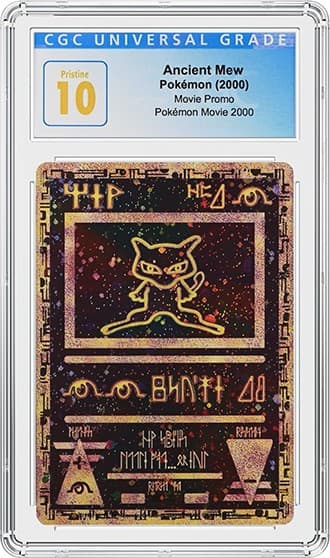
Ancient Mew's runes are a cipher for the Latin alphabet: the card is a 30 HP Psychic Basic whose attack Psyche does 40, whose flavor line reads
How many versions of Ancient Mew are there?
Six distinguishable prints: three Japanese prints from 1999 (the
What movie promo cards came after the first movie?
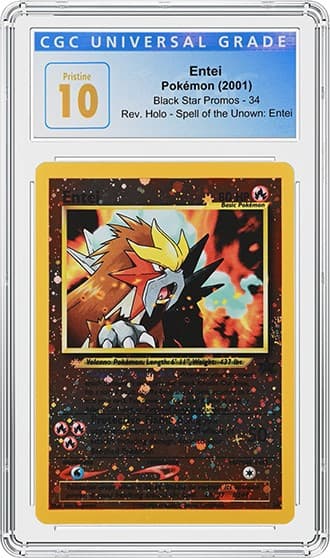
The Movie 2000 gave Ancient Mew, then the three legendary birds; Pokémon 3 gave the first reverse holo outside Japan; Pokémon 4Ever closed the Wizards era; Japan…
The Poncho Pikachu Gallery
All twelve Poncho Pikachu promo cards documented: the nine XY-P cards of 2014 to 2016 and the three SM-P cards of 2017, every one illustrated by Kouki Saitou and…
How many Poncho Pikachu cards are there?
Twelve Pikachu poncho cards: nine in XY-P (two named Mega Tokyo's Pikachu, seven named Poncho-wearing Pikachu) and three in SM-P, plus eight Poncho-wearing Eevee…
What came in the Poncho Pikachu Special Boxes?
The Charizard X and Y boxes of January 1, 2016 held two promos, 62 sleeves, a deck case, a 720-card long box and five booster packs; the Rayquaza and Vulpix…
Why was Birthday Pikachu banned?
Wizards banned ____'s Pikachu on release because its attack gets stronger if it is your birthday, and any player could simply claim it was. The blank-name card…
Where did Flying Pikachu and Surfing Pikachu come from?
Both are 1997 CoroCoro Comic promos: Surfing Pikachu in the September issue, Flying Pikachu in November, with a rarer JR East Stamp Rally Surfing variant under…
Mario, Magikarp and the Pretend Pikachu: the costume promos
Beyond the ponchos lies a full costume department: Pretend Magikarp and Gyarados (2015), Mario and Luigi Pikachu (2016), seven Pretend Boss Pikachu as the…
What are Amada Pokémon sticker cards?
Amada Printing's Saikyo Seal Retsuden, from 1996: 50mm square peel-and-stick seals sold in cheap foil packs and lottery pulls at candy shops, beginning with a…
What are the Merlin Pokémon stickers?
Topps Merlin Series 1 (1999) put 276 stickers, the full Kanto Pokédex plus scenes, sparkles and puzzles, into six-sticker packs with a companion album; six more…
How are sticker cards different from trading cards?
A sticker card is defined by its backing: peel it and it stops being a card. They differ from TCG cards in format, numbering, distribution and in what
What are Pokémon phone cards?
Japanese prepaid NTT telephone cards, teleca, printed with Pokémon designs from 1996 to 2003: sixty-nine documented designs from movie campaigns, Pokémon Center…
Pokémon phone cards, year by year
The documented designs in order: PiPiPi and CoroCoro cards in 1996, the Center and movie sets of 1998, Lugia in 1999, the Entei and Pichu cards of 2000, then…
How do you read a Japanese phone card?
Read the denomination first (50 or 105 units), then the issuer and promotion lines in the small print, then the printed card code on the back: a teleca states…
When did McDonald's start giving out Pokémon cards?
McDonald's first true TCG set came in 2011: twelve holographic cards with Happy Meal toys in North America, following a nine-card Japanese run in 2010; the sets…
What are the Pokémon Center New York promo cards?
Wizards Black Star Promos 40 (Pokémon Center) and 41 (Lucky Stadium), made only for the opening of Pokémon Center New York on November 16, 2001, and obtainable…
What were the e-Reader Pokémon cards?
Cards with Dot Code strips for Nintendo's e-Reader (Japan, December 1, 2001; North America, September 2002): the Expedition, Aquapolis and Skyridge sets, Japan's…
Why does every Pokémon Center opening get its own Pikachu?
Because Japan turned store openings into card releases: Mega Tokyo's Pikachu (2014), Sapporo's Pikachu (2016), Tohoku's Pikachu in a Rowlet poncho (2017), and…
Why did Japan get Pokémon Green but the West got Blue?
Japan's first pair was Red and Green in February 1996. Blue arrived as a mail-order special edition, and the West was built on Blue instead.
What is the difference between Japanese Pokémon Blue and Western Blue?
Two games called Blue, two different games: Japan's 1996 special edition swaps wild encounters, trades and prices against the Western release.
What Pokémon can you only get in Red, Green or Blue?
The first version exclusives: Ekans and Vulpix in Red, Sandshrew and Bellsprout in Green and Western Blue, and the trades no cartridge can skip.
Which came first, the Pokémon games, the cards or the anime?
The games came first: February 1996. The trading cards followed that October, and the anime arrived in April 1997, fourteen months after Red and Green.
Why are there two versions of every Pokémon game?
Shigeru Miyamoto suggested splitting Satoshi Tajiri's single game in two, so that trading between different cartridges became the heart of Pokémon.
How did Japanese players first get Mew?
Twenty copies, chosen from about 78,000 contest entries in CoroCoro Comic: Mew began as a prize almost nobody could win, hidden by one programmer.
Is there a Mew under the truck in Vermilion City?
No. The truck by the SS Anne is scenery and nothing more, in a game whose actual 151st Pokémon was distributed twenty copies at a time by a magazine.
What is Pokémon Yellow?
The anime edition: September 12, 1998 in Japan, with a Pikachu that follows you, refuses its ball, speaks in its anime voice and judges your friendship.
How many copies did the first Pokémon games sell?
Yellow alone sold 14.64 million. The first generation's totals shift with the source, because Nintendo has counted the versions differently over the years.
What is Pokémon Card GB?
The trading card game as a Game Boy game, December 18, 1998 in Japan: eight clubs, the Grand Masters, and a bundled promo card that changes by region.
Why was Pokémon Card GB2 never released outside Japan?
No reason was ever announced. The sequel launched in Japan on March 28, 2001, one week after the Game Boy Advance, and the moment had already passed.
Why is the Pokémon Pinball cartridge so thick?
There is a motor in it. The 1999 cartridge carries a built-in rumble feature powered by its own AAA battery, under a bulging shell you can unscrew.
What is Pokémon Puzzle Challenge?
Panel de Pon in a Pokémon skin: Nintendo's falling-block puzzler, reworked for Johto in September 2000, and the last puzzle face of the Game Boy Color era.
What is Pokémon Stadium called in Japan?
Japan received three Stadium games where the West received two: the first Japanese Stadium could only field 42 Pokémon, and the numbering never matched again.
What was Pokémon Picross?
Announced in magazines in the spring of 1999 and never released: Jupiter's Game Boy Color puzzle game is the first generation's famous ghost.
What did Pokémon Gold and Silver add?
One hundred new Pokémon, two new types, breeding, held items, a real clock and a second region: the biggest single leap any Pokémon generation has made.
How does the clock work in Pokémon Gold and Silver?
Three shades of day, set by a battery-powered clock inside the cartridge: morning from 4 AM, day from 10 AM, night from 6 PM, each with its own wild Pokémon.
Why did my Pokémon Gold save disappear?
The save lives in battery-backed memory, and the battery also runs the clock: when it dies, a Gold or Silver cartridge forgets everything, trainer included.
Why is there a whole second region in Pokémon Gold and Silver?
The popular story says Iwata's compression bought the space. The primary source says something smaller and more interesting, and Kanto's roots run to 1997.
What is Pokémon Crystal?
December 14, 2000 in Japan: the third Johto game made its mascot the plot, animated every sprite, opened the first Battle Tower and connected to a phone.
Why can you play as a girl in Pokémon Crystal?
Her name is Kris, and Crystal's box said it plainly in 2000: for the first time, play as a male or female trainer. Every game since has kept the choice.
Why won't Pokémon Crystal play on an original Game Boy?
Crystal is a Game Boy Color game outright, the only one of its generation that refuses older hardware, and it tells you so on screen in plain language.
What was the Mobile Adapter GB?
January 27, 2001: a ¥5,800 (about $48 at the time) cable that plugged a Game Boy into a mobile phone, Nintendo's first online service for a handheld, two years early.
What could Japanese Pokémon Crystal players do online?
A trade corner that matched strangers across Japan, a news service built from everyone's saves, battles by phone: the GTS and its siblings, in 2001, in Japan only.
How did Japanese players get Celebi in Pokémon Crystal?
Through the phone network, once: the GS Ball arrived by mobile download in Japan, was translated but never given in the West, and waited until 2018 to open.
What is the Battle Tower?
North of Route 40 in Crystal: the first Battle Tower, the series' first structured post-game challenge, which grew into the Battle Frontiers of later generations.
What is Pokémon Stadium 2 called in Japan?
In Japan it is Stadium Gold and Silver, the third Stadium, launched the same day as Crystal; in the West it is Stadium 2, and the Transfer Pak does the magic.
How many copies did Pokémon Gold, Silver and Crystal sell?
Gold and Silver together sold 23.73 million, the series' second-biggest generation; Crystal's 6.39 million made it the connoisseur's edition, then and now.
Are Pokémon Gold and Silver covers the same in Japan and the West?
Same mascots, different boxes: Ho-Oh, Lugia and Suicune front both regions, but Japan reads Pocket Monsters where the West reads Pokémon. Full pairs pictured.
Why can't Pokémon Ruby and Sapphire trade with Gold and Silver?
The cable itself says no: the Game Boy Advance link port runs on a different voltage and protocol, so Hoenn and Johto were sealed off from each other.
Why did Pokémon Ruby and Sapphire remove day and night?
The clock survived but the sky did not change: Ruby and Sapphire kept timed events, tides and berries, and dropped the visible morning, day and night of Johto.
What is the Berry glitch?
Berries stopped growing at exactly one year, a clock bug in early Ruby and Sapphire; Nintendo's fix travelled on a GameCube disc and a berry-bearing Zigzagoon.
What is the difference between Pokémon Ruby, Sapphire and Emerald?
September 16, 2004 in Japan: Emerald took both cover legends, made Wallace champion, restored animated sprites and built the generation's great post-game.
What is the Battle Frontier?
Seven facilities, seven rulesets, seven Frontier Brains: Emerald's island turned the Battle Tower's single idea into the richest post-game the series had built.
What are Pokémon FireRed and LeafGreen?
January 29, 2004 in Japan: Kanto rebuilt on the Game Boy Advance, with a wireless adapter in every launch box and an archipelago the original never had.
Why did Pokémon FireRed and LeafGreen come with a wireless adapter in the box?
Every launch box, in both regions: Nintendo packed its new wireless adapter with the remakes so that no buyer could be left out of the Union Room.
What are the Sevii Islands?
Nine islands south of Kanto that no 1996 player ever saw: the remakes' own region, holding ruins, rocket warehouses and the keys to the third generation.
Why is it called LeafGreen and not WaterBlue?
The remake pair mirrors Japan's originals, Red and Green. Masuda explained the leaf himself in 2004, and the famous WaterBlue trademark never existed.
How did players get Deoxys, Lugia and Ho-Oh in Generation III?
Two tickets, two hidden islands: the AuroraTicket's moving triangle summons Deoxys, and the MysticTicket opens Navel Rock, where Ho-Oh and Lugia wait.
What is the Old Sea Map?
A map handed out at Pokémon Festa 2005 to Emerald players in Japan, and nowhere else, ever: Faraway Island is the only legitimate Mew of Generation III.
What is the Eon Ticket?
A paper card in a magazine: Nintendo Power issue 173 carried the Eon Ticket, scanned through an e-Reader to raise Southern Island and its roaming twin.
What is Pokémon Box Ruby & Sapphire?
A GameCube disc that stores 1,500 Pokémon: sold in Japan in 2003, and in North America only through Pokémon Center, which made it scarce by design.
What did the e-Reader do for Pokémon?
Swipe a paper card, change the game: Mossdeep's hidden trainers, custom berries, and one very famous ticket all entered Hoenn through the e-Reader's dot codes.
How many Pokémon could you catch in Ruby and Sapphire?
Two hundred and two of 386: Ruby and Sapphire's Pokédex was deliberately unfinishable alone, and completing it became the generation's group project.
Are Pokémon Ruby and Sapphire covers the same in Japan and the West?
Same mascots on both regions' boxes, Groudon and Kyogre, with distinct Japanese and Western packaging across the GBA generation. Pairs pictured.
How many copies did the Pokémon GBA games sell?
Ruby and Sapphire at 16.22 million, the remakes at 12 million, Emerald at 6.32 million: the GBA generation's sales ladder, rung by rung.
What are Pokémon Diamond and Pearl?
The first Pokémon games for the Nintendo DS: a new region, Sinnoh, 107 new Pokémon, online trading, and the physical and special split.
Why are Pokémon Diamond and Pearl so slow?
Surfing crawls at walking speed, battles amble, and snow and mud drag at your feet. Platinum quietly sped the worst of it back up.
What is the physical/special split?
Before 2006, a move's type decided whether it hit physically or specially. Generation IV judged every move on its own, and battles changed for good.
What is the Global Trade Station?
The GTS let you leave a Pokémon on a worldwide shelf, name your price in another Pokémon, and come back later to find the trade done.
What is the Underground in Pokémon Diamond and Pearl?
Beneath all of Sinnoh runs a second map: dig for fossils and spheres, build a Secret Base, set traps, and steal your friends' flags.
How do you get Spiritomb in Pokémon Diamond and Pearl?
Place an Odd Keystone in a ruined tower, then go underground and greet other players 32 times. Spiritomb is Generation IV's most social Pokémon.
What is the Pokétch?
Sinnoh's wrist computer fills the DS touch screen with 25 little applications, from a pedometer to a radar for roaming legendaries.
What is the difference between Pokémon Diamond, Pearl and Platinum?
Platinum is the expanded Sinnoh: a bigger Pokédex, a trip inside Giratina's world, a Battle Frontier, and the speed fixes players asked for.
What is the Distortion World?
Giratina's exile dimension, reached at the top of Mount Coronet: a place where time does not flow, platforms float sideways, and you surf down waterfalls.
What Pokémon can you only get in Diamond, Pearl or Platinum?
Each Sinnoh game hides a handful of species from the other: Dialga against Palkia, one fossil against the other, and Platinum loosening most of it.
How many Pokémon could you catch in Diamond and Pearl?
Sinnoh's own dex holds 151 of the world's 493. The rest took the other version, Game Boy Advance cartridges, a spin-off game, and events.
What was the dual-slot mode?
The DS had two cartridge slots, and Generation IV used both: a Game Boy Advance game underneath changed the wild Pokémon and fed Pal Park.
What is Pal Park?
The one-way border crossing between generations: migrate six Pokémon from a Game Boy Advance game, then catch them again in a timed show.
How did players get event Pokémon in Generation IV?
Mostly by download: key items over Wi-Fi that unlocked Darkrai and Shaymin, Pokémon handed over directly, and one famous egg from another game.
Why was the Azure Flute never released?
The Arceus event was finished, hidden in every Sinnoh cartridge, and then shelved. Junichi Masuda later said it was judged too confusing for players.
What is the void glitch in Pokémon Diamond and Pearl?
Japanese copies shipped with a door you could surf through into the black space between maps, and players walked it to Darkrai and Shaymin.
Are Pokémon Diamond and Pearl covers the same in Japan and the West?
Yes, in every way that matters: Dialga and Palkia front both regions' boxes with the same artwork. What changes is the branding around them.
What is the difference between Japanese and Western Pokémon Diamond and Pearl?
Seven months apart, and not quite the same game: Japan's launch copies carry a famous glitch the West never saw, fixed before the games crossed the Pacific.
What is the Battle Frontier in Generation IV?
Five facilities, five bosses, one shared design in two regions: Platinum and the Johto remakes built the same Frontier in Sinnoh and Johto.
What are Pokémon HeartGold and SoulSilver?
The Gold and Silver remakes: Johto and Kanto rebuilt for the DS, a Pokémon walking behind you, and a pedometer in every box. 12.72 million sold.
What is the Pokéwalker?
A Poké Ball-shaped pedometer bundled with HeartGold and SoulSilver. Walk in real life, and your Pokémon levels up, finds items and unlocks 27 routes.
Why do HeartGold and SoulSilver let a Pokémon follow you?
It began as Yellow's tribute to the anime: one Pikachu, on foot. The remakes gave the trick to all 493 species and made it the pair's signature.
What is the Pokéathlon?
Johto's answer to Contests: three Pokémon per team, ten track-and-field events, five courses, and juice blended from Apricorns to train for them.
Are Pokémon HeartGold and SoulSilver covers the same in Japan and the West?
Yes: Ho-Oh and Lugia front both regions' boxes in the same art. The real difference is the box itself, a big one, built to hold the Pokéwalker.
What is Pokémon Black and White?
Generation V: a second new generation on the same DS hardware, a region based on New York, 156 new Pokémon, and none of the old ones until the end.
Why did Pokémon Black and White have no old Pokémon?
Deliberate amnesia: the designers wanted veterans to feel like beginners again, in a faraway region where every silhouette was a question mark.
Why are Pokémon Black and White set in New York?
Four regions had mapped Japan prefecture by prefecture. For its fresh start, the series crossed the Pacific and rebuilt the New York metropolitan area.
What were the seasons in Pokémon Black and White?
Unova's calendar turns with the real one: a new season every month, changing the scenery, the wild Pokémon, the music's mood and the length of the day.
What is the C-Gear?
Unova's bottom-screen command centre: infrared, local wireless and online channels woven into the game at all times, with a doorway to friends' worlds.
What was the Liberty Pass in Pokémon Black and White?
Black and White's launch event: a Wi-Fi ticket to sail to Liberty Garden and catch Victini, the Pokémon numbered 000, before anyone knew its name.
Why are Pokémon Black 2 and White 2 sequels instead of a third version?
Every generation before had answered a pair with one enhanced version. Unova answered with two full sequels, set two years later in a changed region.
What is the Pokémon World Tournament?
A stadium south of Driftveil where the Gym Leaders and Champions of five regions queue up to fight you, in an eight-person knockout, for Battle Points.
How did players get Genesect?
By download, at launch: the last Pokémon in the Unova Pokédex arrived over Wi-Fi in the sequels' first five weeks, at level 15, wearing Team Plasma's name.
Are Pokémon Black and White covers the same in Japan and the West?
Yes: the same dragons, deliberately swapped against their boxes' colours, in both regions. Reshiram fronts Black, Zekrom fronts White, worldwide.
What is Join Avenue in Pokémon Black 2 and White 2?
A shopping street you manage, on the road to Nimbasa City, staffed by the avatars of real players you have connected with, and by fans who adore you.
What was Pokémon Dream World?
A browser game on the Pokémon Global Link: tuck a Pokémon in with the C-Gear, then visit its dream to befriend rare Pokémon and grow berries.
What are Hidden Abilities in Pokémon Black and White?
Generation V gave most species a third ability, hidden from normal play, dealt out mainly by the Dream World. Two weather abilities rewrote competitive battling.
What was Pokémon Dream Radar?
A 3DS eShop app, ¥300 (about $3.75 at the time), where you shot dream clouds in your own room to catch the Therian Formes for Black 2 and White 2.
When did Nintendo Wi-Fi Connection shut down?
May 20, 2014. The free online service behind every DS and Wii game died with its host, GameSpy, and took the GTS, Wi-Fi battles and Mystery Gift with it.
What are Pokémon Mystery Dungeon: Explorers of Time, Darkness and Sky?
The Mystery Dungeon sequels where you wake up as a Pokémon and join a rescue guild, in a story about time stopping. Sky is the expanded edition.
What is Pokémon Ranger?
No Poké Balls and no badges: you calm wild Pokémon by drawing circles around them with the stylus, borrow their help once, and let them go.
How did Pokémon Ranger give Diamond and Pearl a Manaphy?
Finish Ranger, unlock its hidden Ranger Net, and clear one mission to win an egg no Diamond or Pearl could ever produce. One egg per cartridge, ever.
What is Pokémon Conquest?
Pokémon meets Nobunaga's Ambition: a tactical war game where Sengoku warlords conquer 17 kingdoms beside partner Pokémon, in feudal Ransei.
How many copies did the Pokémon DS games sell?
Diamond and Pearl lead at 17.67 million, with the DS era's core games and spin-offs together moving well over 70 million copies.
What was the last Pokémon game released for the Nintendo DS?
Pokémon Black 2 and White 2, in 2012: the final core games of the DS era, launched when the 3DS was already on shelves, for the older machine.
PUNCH-OUT
3 shelves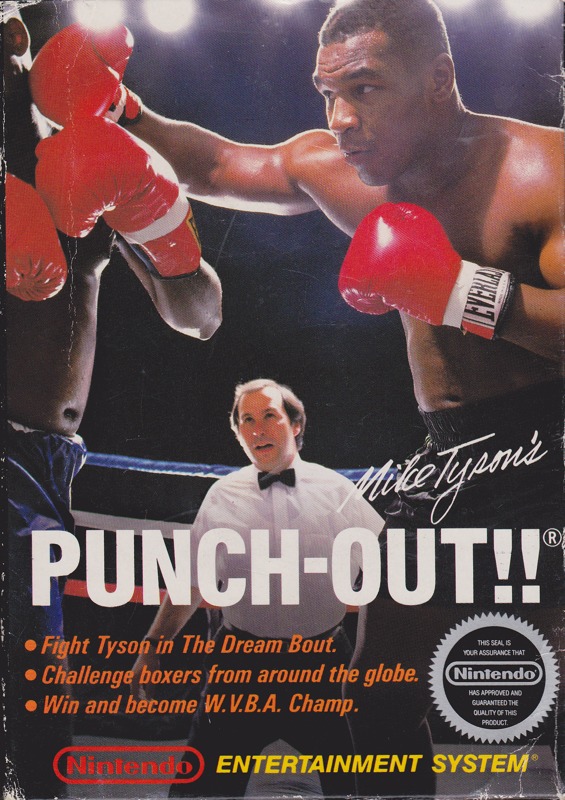
Why was Mike Tyson removed from Punch-Out?
The contract expired in 1990 and Nintendo let it go. The timeline, the rumored price, and the myth to retire.
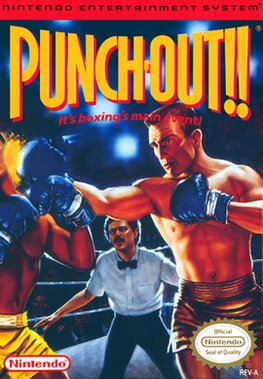
Who is Mr. Dream in Punch-Out?
A 99 and 0 champion from Dreamland, built out of Tyson's sprite, and the boss in every modern re-release.
Why is the Mike Tyson fight in Punch-Out so hard?
Ninety seconds of one-punch knockdowns, tells measured in blinks, and delays you cannot memorize.
RECORD OF LODOSS WAR
15 shelvesHow did Record of Lodoss War begin?
Record of Lodoss War began as serialized Dungeons & Dragons session transcripts in Kadokawa’s Comptiq magazine, September 1986: Ryo Mizuno’s campaign, played by…
What is an RPG replay?
A replay is a Japanese publishing genre invented in practice by the Lodoss serials: an edited transcript of a real tabletop RPG session, sold and read as a book.
What is Sword World RPG?
Sword World RPG (1989) is Group SNE’s own fantasy role-playing system, built so the Lodoss replays could be published as a game: Japan’s best-selling domestic…
Who is Ryo Mizuno?
Ryo Mizuno (born 1963) is the game master, novelist, and Group SNE co-founder who ran the campaign that became Record of Lodoss War and wrote the novels himself.
The history of Record of Lodoss War
From a 1986 magazine game log to novels, a landmark 1990 OVA, a 1998 TV series, and a 2021 Metroidvania: the documented chronology of Record of Lodoss War.
The Record of Lodoss War novels, volume by volume
The seven original Record of Lodoss War novels (Kadokawa, 1988–1993) and the two 1995 side-story collections, with their dates, campaigns, and English status.
Who illustrated the Record of Lodoss War novels?
The original novels were illustrated by Yutaka Izubuchi, the designer of record for the franchise’s first decade: seven novels, the replay paperbacks, and the…
Who is Akihiro Yamada?
Akihiro Yamada (born 1957) is the watercolor illustrator of the Legend of Lodoss prequel novels and the artist of The Lady of Pharis manga: the painterly heart…
Who is Nobuteru Yuki?
Nobuteru Yuki (born 1964) is the character designer of the 1990 Record of Lodoss War OVA, whose elegant, long-lined designs became the franchise’s face in the West.
How was the Record of Lodoss War OVA made?
Madhouse’s 13-episode OVA (1990–91): chief director Akinori Nagaoka, designs by Nobuteru Yuki, music by Mitsuo Hagita, and the painted, stillness-first style…
What is Record of Lodoss War: Chronicles of the Heroic Knight?
The 1998 TV series from AIC: 27 episodes on TV Tokyo retelling the later Lodoss novels with Spark as hero, famous above all for its opening song, Kiseki no Umi.
Why is “Kiseki no Umi” famous?
Kiseki no Umi (Sea of Miracles), the 1998 Chronicles of the Heroic Knight opening: Yoko Kanno’s music, Yuho Iwasato’s words, Maaya Sakamoto’s voice, and a second…
The Record of Lodoss War manga, series by series
Six Lodoss manga lines documented: The Grey Witch (two versions), Akihiro Yamada’s The Lady of Pharis, Natsumoto’s Chronicles of the Heroic Knight, Deedlit’s…
What Record of Lodoss War video games are there?
The documented Lodoss games: Hummingbird Soft’s 1988 PC-98 RPG, the PC Engine CD pair, Mega-CD, the 1995 Super Famicom RPG, the Dreamcast’s Advent of Cardice,…
How can you collect Record of Lodoss War in English?
The English Lodoss map: Central Park Media’s anime and CPM Manga lines, the decade out of print, Funimation’s 2017 rescue, Seven Seas’ Grey Witch novel, and…
RESIDENT EVIL
11 shelfs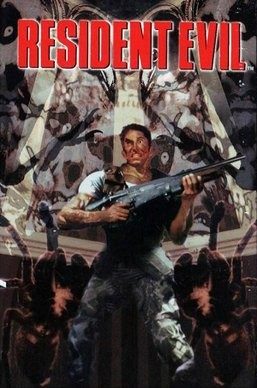
The Resident Evil Gallery
The Japanese Biohazard and American boxes side by side for seven games, from the bloodshot eye of 1996 to the red sky of Resident Evil 4, with their histories and questions behind them.
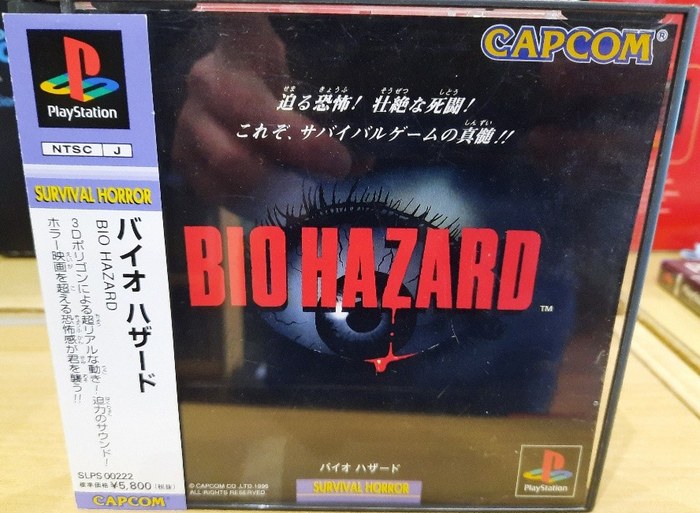
The History of Resident Evil
Fujiwara and Mikami in the Spencer Mansion: the making, the editions, Famitsu 38/40, and the game that named survival horror.
Why is the voice acting in Resident Evil so bad?
A camp direction given in a Tokyo studio, a Japanese dub recorded and never used, and a Guinness record for the dialogue.
What happened to the Resident Evil Director's Cut soundtrack?
The deaf genius credited with the 1998 replacement score admitted in 2014 that Takashi Niigaki wrote it, and that he was not deaf.
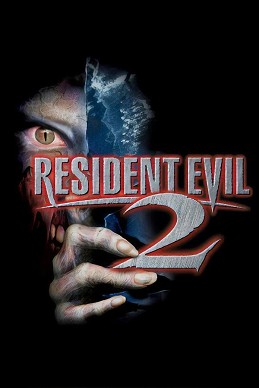
The History of Resident Evil 2
Kamiya, the scrapped Resident Evil 1.5, Sugimura's zapping system, and the Romero commercial: the sequel that became the series' best seller.
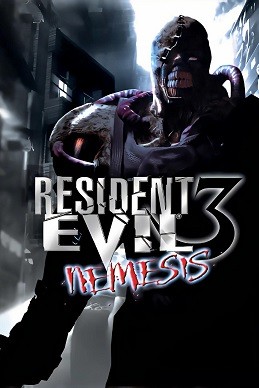
The History of Resident Evil 3: Nemesis
Biohazard 3: Last Escape in Japan: the spin off promoted to a numbered game, Jill's last day in Raccoon City, and the Nemesis built from the T-1000.
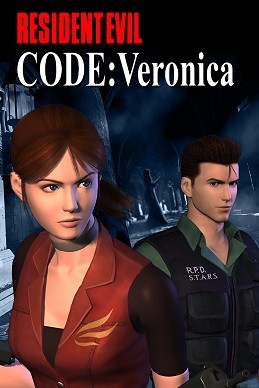
The History of Resident Evil: Code: Veronica
The Dreamcast sequel that lost its number to console politics: real time 3D, European gothic, the Ashford twins, and Metacritic 94.
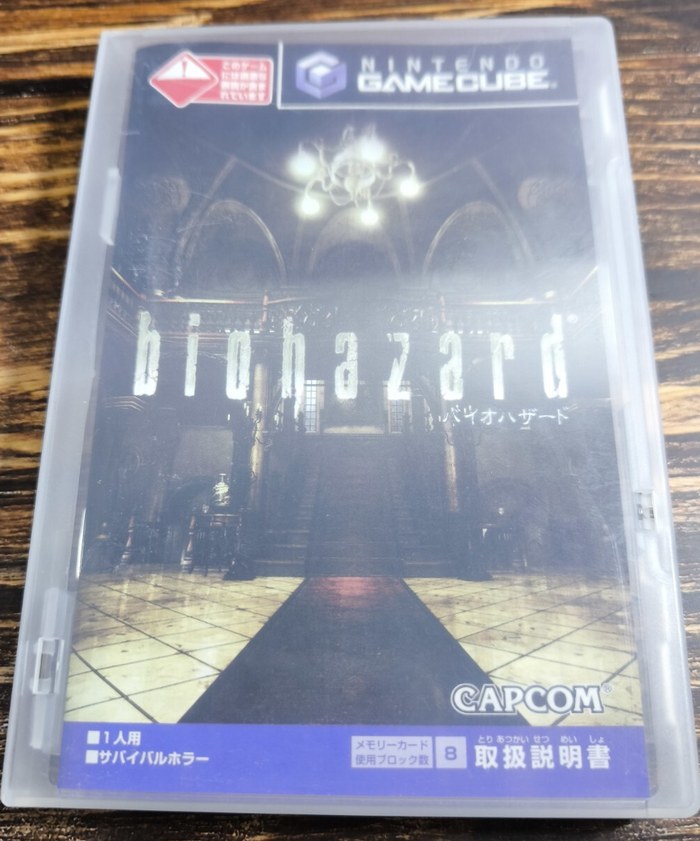
The History of Resident Evil (2002)
Mikami rebuilds his own game for the GameCube: Crimson Heads, Lisa Trevor, Famitsu 39/40, and sales that steered the whole series.
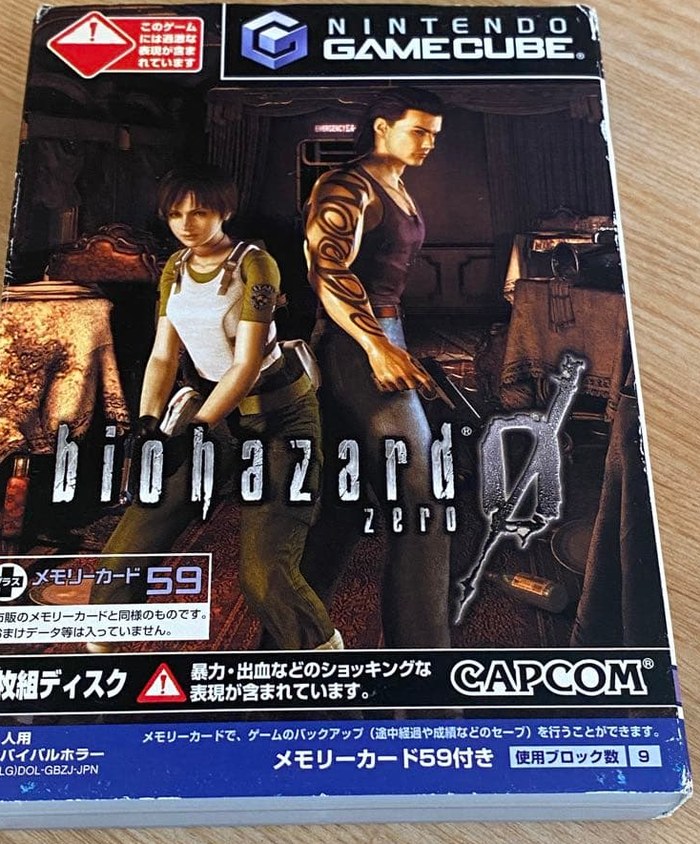
The History of Resident Evil Zero
The Nintendo 64 prequel rebuilt for GameCube: Rebecca and Billy, partner zapping, and item boxes removed in Sweet Home's name.
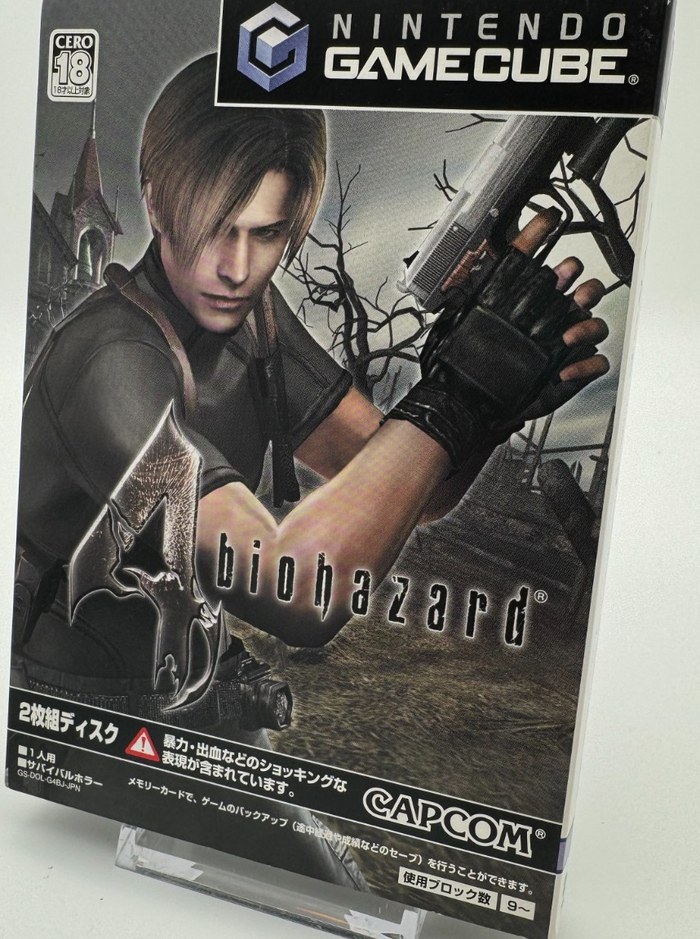
The History of Resident Evil 4
Four discarded versions, one of them Devil May Cry, then Mikami's takeover: the making of the game that moved the camera and the industry.
Why did Resident Evil 4 change the series?
The over the shoulder camera, the Ganados, and the Merchant's economy, and the documented road into Gears of War, Dead Space, and The Last of Us.
RPG: DREAMCAST
5 shelfs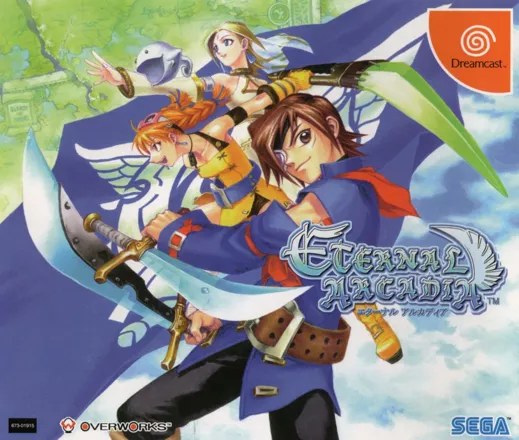
The Dreamcast RPG Gallery
Three Dreamcast RPGs in one room: Skies of Arcadia, Grandia II, and Phantasy Star Online, with their covers and the discs that came inside the boxes.
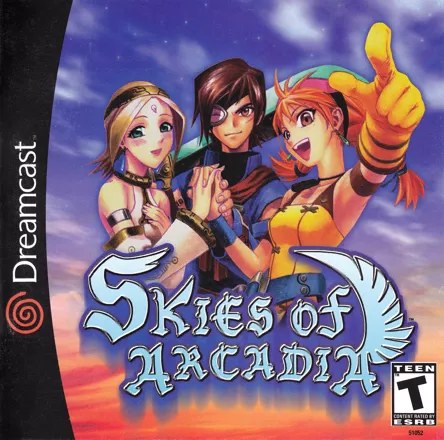
The History of Skies of Arcadia
The bright game in a dark decade: sky pirates, Discoveries, a 93 on Metacritic, and the sales that never came.
What Changed in Skies of Arcadia Legends?
The GameCube director's cut: fewer encounters, new hunts, the download extras folded in, and the cooler second reception, documented.
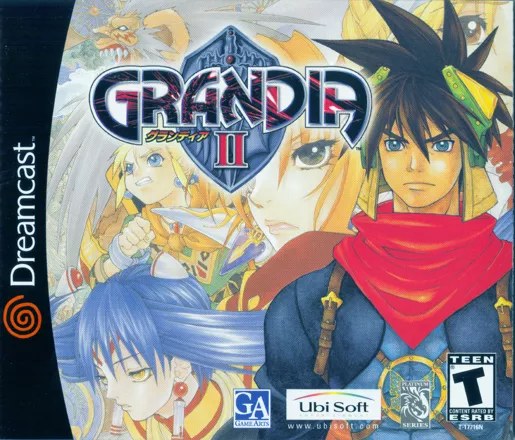
The History of Grandia II
The IP gauge battle system, the 90 on Metacritic, the port that damaged the name, and the remasters that went back to the Dreamcast version.
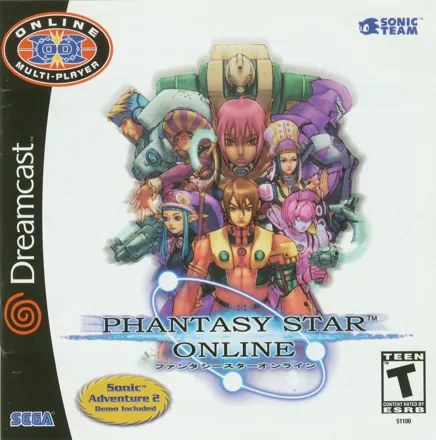
The History of Phantasy Star Online
The first successful console online RPG: ordered by Sega's chairman, modeled on Diablo, and kept alive by fan servers after 2010.
RPG: GAMECUBE
7 shelfs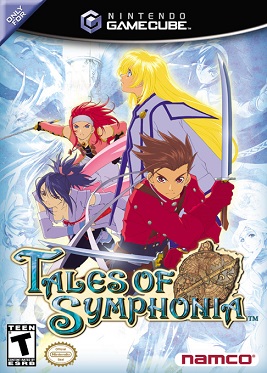
The GameCube RPG Gallery
Six role-playing games of the GameCube era: Tales of Symphonia, Baten Kaitos, Paper Mario, Path of Radiance, Crystal Chronicles and Skies of Arcadia Legends, covers first.
The History of Tales of Symphonia
The first 3D Tales: a Namco and Nintendo collaboration, an 86 on Metacritic, 2.4 million copies, and the port that stayed in Japan.
Why did Tales of Symphonia's PlayStation 2 port stay in Japan?
No official reason was ever given. The documented record, the rumors labeled, and the content's arrival in 2014.
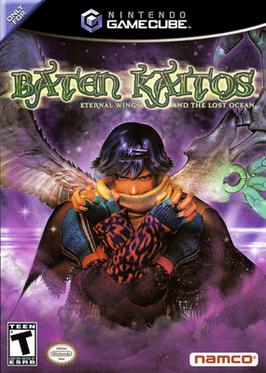
The History of Baten Kaitos
Monolith Soft and tri-Crescendo's thousand card RPG: built to give the GameCube a true RPG, an 80 on Metacritic, and a famous sales miss.
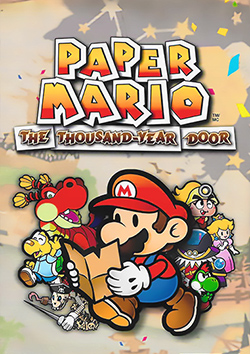
The History of Paper Mario: The Thousand-Year Door
Rogueport, the Crystal Stars and a battle audience: an 87 on Metacritic and Console Role-Playing Game of the Year.
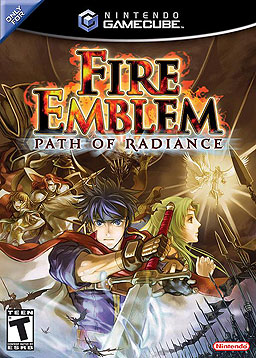
The History of Fire Emblem: Path of Radiance
Fire Emblem returns to home consoles in 3D behind a mercenary: an 85 on Metacritic, and the Maniac difficulty the West never got.
The History of Skies of Arcadia Legends
The GameCube edition as its own release record: Sega after hardware, an 84 on Metacritic, and no rerelease since.
THE FIRST WORD
First word on new listings, plus a subscriber promo code for the eBay store.