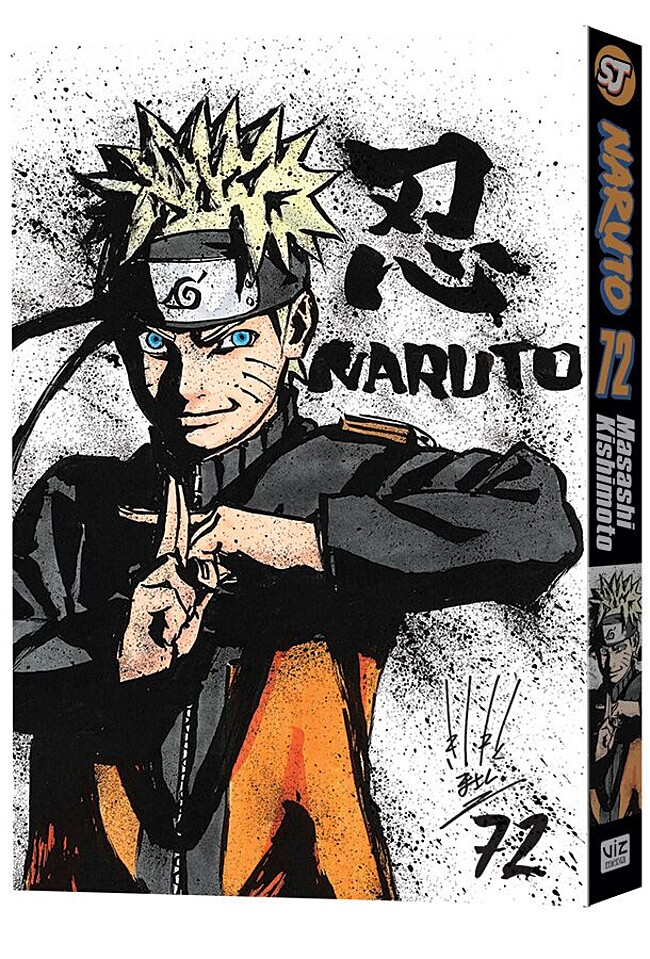
How did Naruto become a global bestseller?
Naruto was a Japanese hit first: serialized in Weekly Shonen Jump from 1999, collected by Shueisha, and read at home in the magazine Kishimoto himself had grown up reading. The world outside Japan got it through one door. Viz Media licensed the manga for North America, and the first English volume appeared in August 2003, a steady seller in a small category. For two years that was the scale of it: a respected import, sold to people who already knew what manga was.
The step change has a date. On September 10, 2005, the anime premiered in the United States on Cartoon Network's Toonami block, and trade press recorded the result in numbers: the premiere slot's delivery to viewers aged 9 to 14 jumped 20 percent, and the late replay was the highest rated program of the week on the network for that audience. By December, ICv2 was reporting that the television exposure had carried Naruto far beyond the existing anime audience and made the manga the best selling series in its category; the first volume, two years old by then, became the second best selling manga title of 2005, with most of its sales arriving after September.
From there the record compounds. Volume 7 won the Quill Award in 2006. The English volumes appeared on the USA Today and New York Times bestseller lists repeatedly; volume 28 opened at number 17 on the USA Today chart in March 2008 and finished as the top selling manga volume of that year in North America. The final count stands at 250 million copies in circulation, more than half in Japan and the rest spread across 46 other countries and regions, making Naruto one of Viz Media's best selling series ever. Kishimoto, told of the American reception in 2007, answered like a man still surprised by it: he was, he said, 'very glad that the American audience has accepted and understood ninja. It shows that the American audience has good taste, because it means they can accept something previously unfamiliar to them.'
THE PATH, IN NUMBERS
Sales and licensing recordTHE BOOK ON THE SHELF
Naruto · Vol. 72