
THE LIBRARY
Collector guides, cover censuses, and edition answers, documented issue by issue. Every page answers one specific question, completely.
HALO
8 shelfs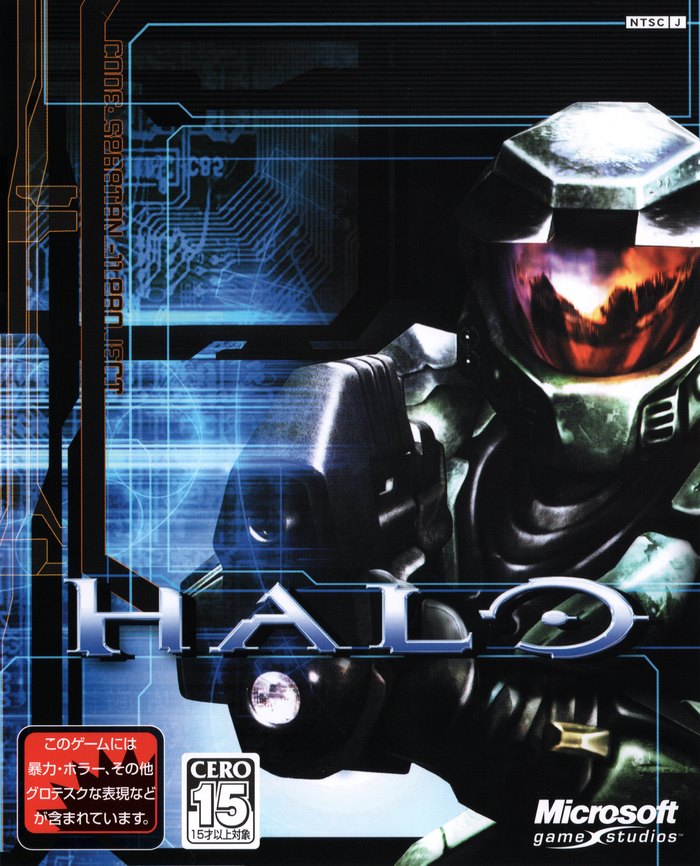
The Halo Gallery
Combat Evolved, Halo 2 and Halo 3: the Japanese and American boxes side by side, Platinum Collection editions included, with the histories behind them.
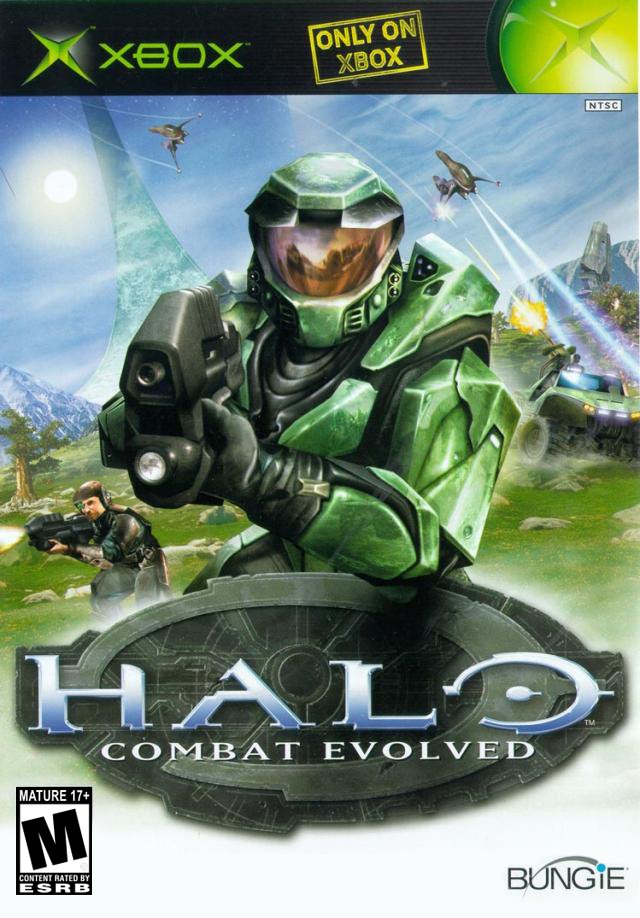
The History of Halo: Combat Evolved
Bungie's 2001 launch game: the Mac strategy game Microsoft bought, the ring, the 97 on Metacritic, and the Japanese Platinum Collection edition.
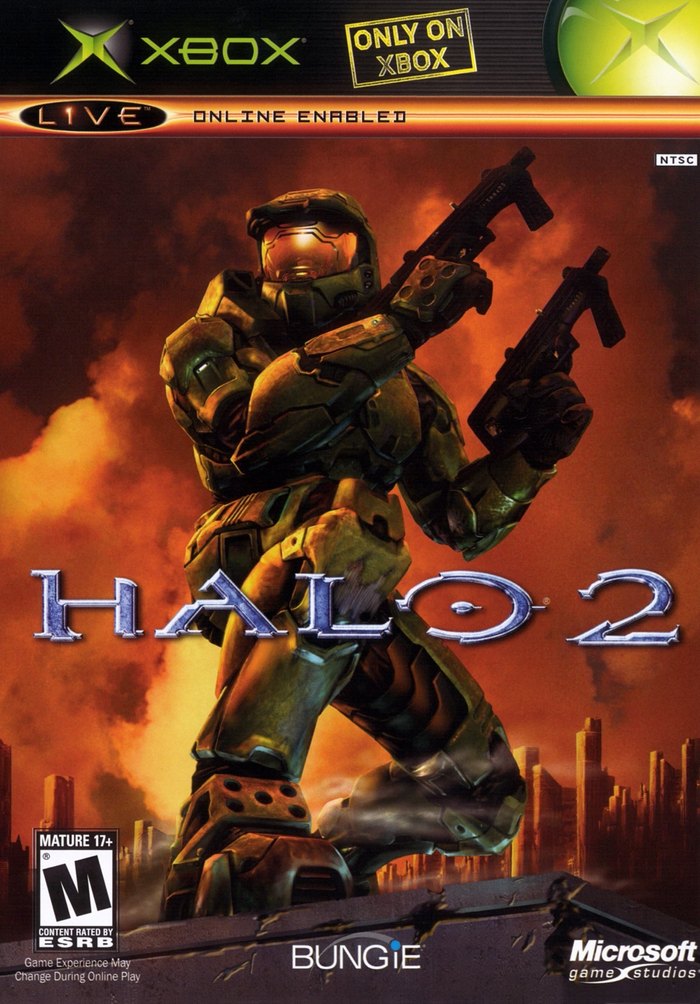
The History of Halo 2
The 2004 sequel that made Xbox Live: matchmaking, the Arbiter, the cliffhanger, 8.46 million copies, and the Limited Edition steelbook.
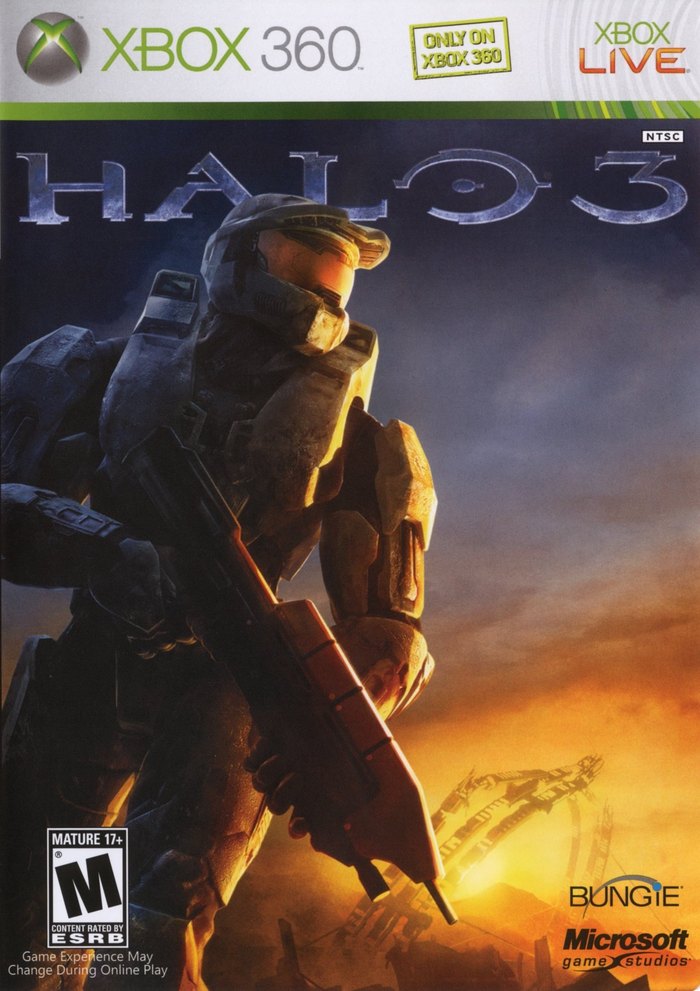
The History of Halo 3
Finish the Fight in 2007: Forge, saved films, the Legendary Edition helmet, 14.5 million copies, and a number one debut in Japan.
What inspired Halo's ring?
Niven's Ringworld and Banks' Culture novels, per Bungie's own list.
How was Halo released in Japan?
Famitsu 33/40 and third best seller on a console Japan never bought.
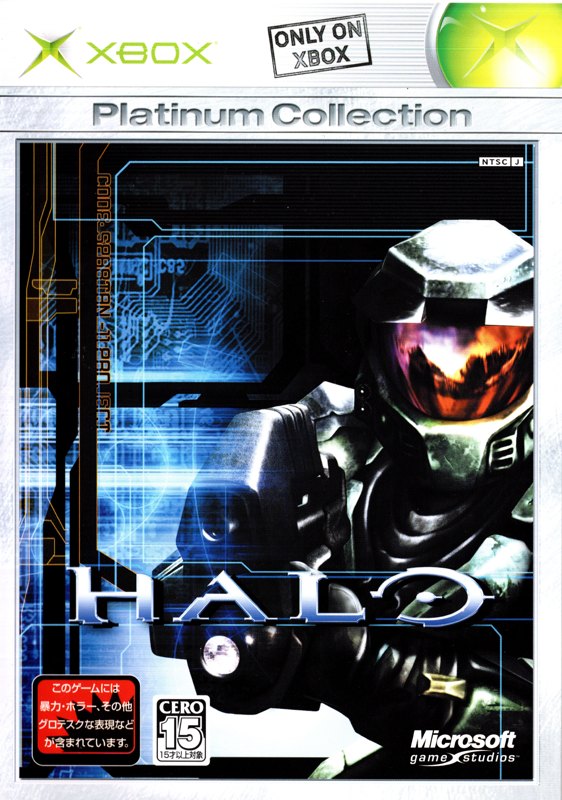
How do the Japanese and American Halo covers compare?
Completely different art for the first game, budget editions included. Identical by Halo 3.
How was the Halo theme written?
In about three days: Martin O'Donnell answered a brief for something big, ancient and unusual with Gregorian chant, written on the drive to Michael Salvatori's studio.
HARRY POTTER
3 shelves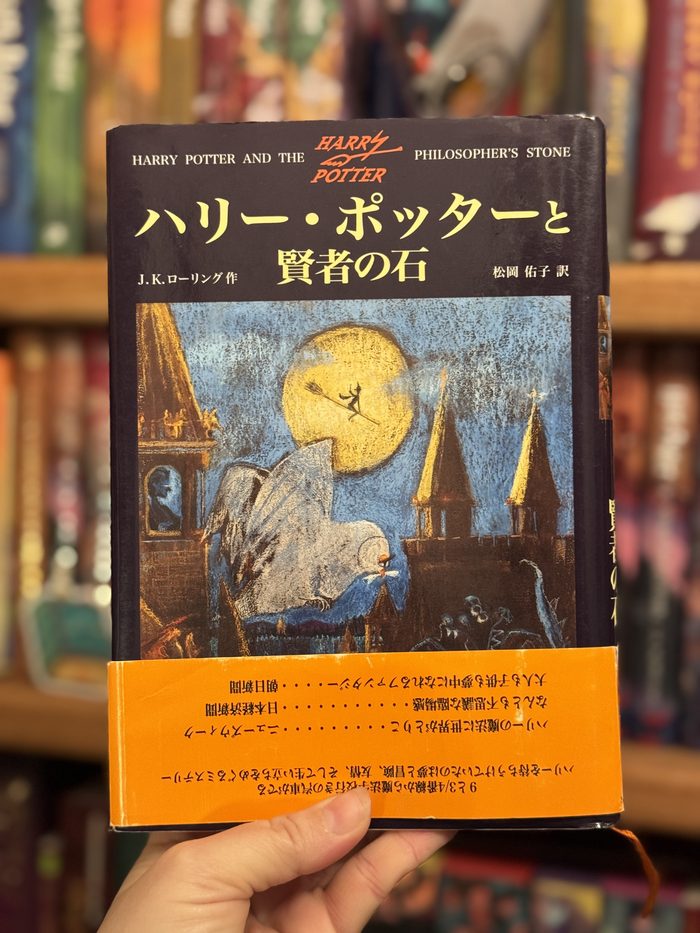
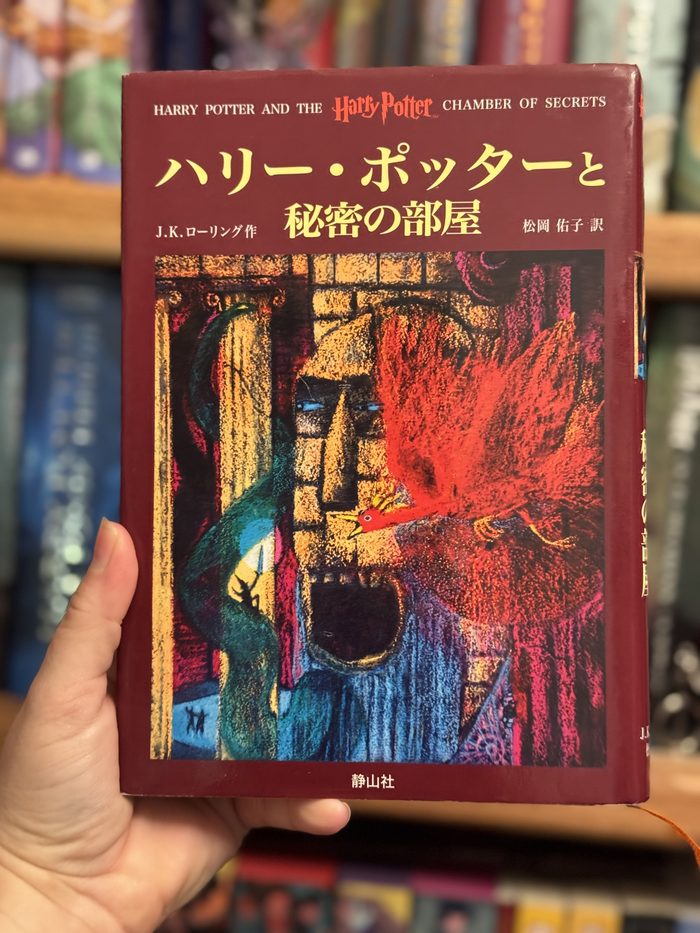
Why do the Japanese Harry Potter books have different covers?
Japan commissioned its own painter: Dan Schlesinger, against Britain's Taylor and America's GrandPré.
How to identify the Japanese first edition of Philosopher's Stone
The colophon at the back decides it: Say-zan-sha, December 1999, ISBN and printing line included.
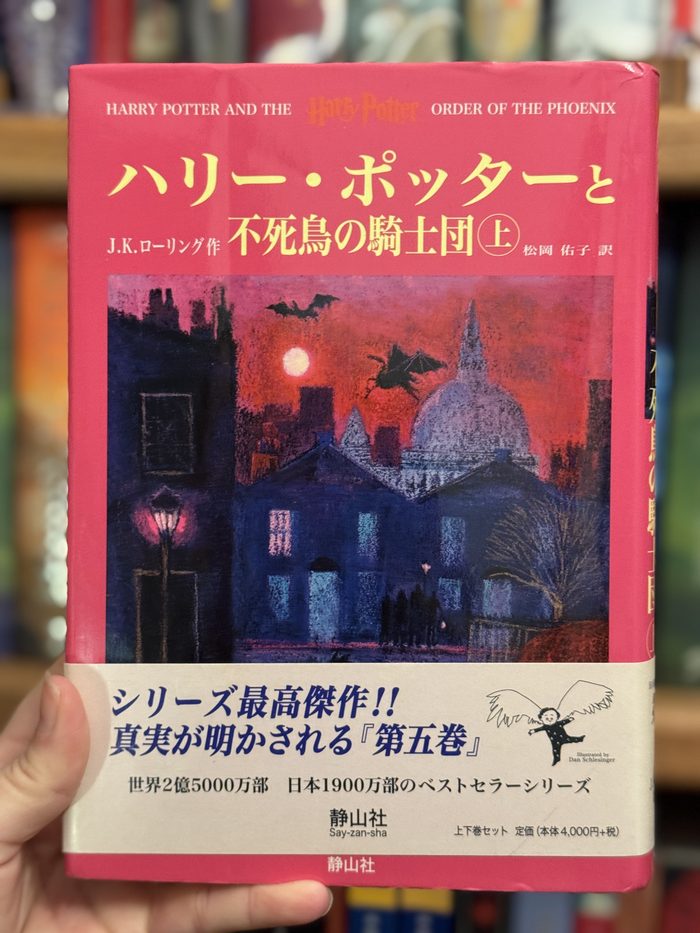
Why are the Japanese Harry Potter books split into two volumes?
Seven novels, eleven hardcovers: from Goblet of Fire, each book became an upper and a lower volume.
HELLSING
15 shelves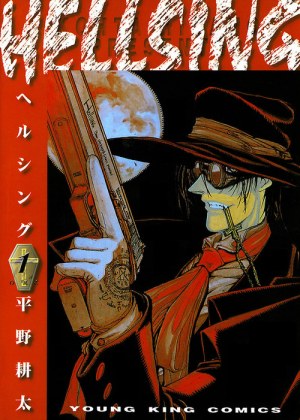
The Hellsing Manga Gallery
Every Japanese tankobon cover of Hellsing, volumes 1 to 10, from Shonengahosha’s own Young King Comics editions, with the second cover hidden under each dust…

The History of Hellsing
Hellsing from the 1996 one-shot to the 2023 paperback revival: serialization in Young King OURs 1997 to 2008, ten volumes, two anime, the Deluxe Edition, and…
Who is Alucard?
Alucard is Count Dracula: the anagram, the defeat by Van Helsing, the name Arthur Hellsing gave him, and why Kohta Hirano designed him for gunplay instead of…
What is the Hellsing Organization?
The Royal Order of Protestant Knights: founded by Abraham Van Helsing, directed by his descendants, overseen by the Round Table, and mirrored by Iscariot and…
Where did Hellsing begin?
Hellsing began in Kohta Hirano’s doujin years: the assistant work, the GUY-YA circle, Hi-and-Low, and the 16-page Comic Kairakuten one-shot of October 1996 he…
Why is it called Hellsing?
Hellsing is Abraham Van Helsing’s name with a deliberate “hell” in it: Kohta Hirano’s wordplay, invisible in Japanese, and the family name his heroine inherits.
Which Hellsing anime should you watch?
Hellsing (2001) versus Hellsing Ultimate: why Gonzo’s TV series invents its own ending with Incognito, why the OVA was made to follow the manga, and which to…
What is Hellsing: The Dawn?
Hellsing: The Dawn is the unfinished six-chapter prequel: Walter aged fourteen and Alucard in Warsaw, September 1944, published 2002 to 2006 and never collected.
What is Crossfire?
Crossfire is Kohta Hirano’s three-chapter Iscariot side story for Comic Master, republished inside Hellsing volumes 1 to 3 to fill their page counts, with…
What are the Hellsing English editions?
Dark Horse’s Hellsing in English: the ten paperbacks of 2003 to 2010, the second edition of 2023 to 2025, and the three 7 by 10 inch Deluxe hardcovers of 2020 to…
Is the Hellsing live-action movie still happening?
The Amazon Hellsing film announced in March 2021 with John Wick writer Derek Kolstad: what was actually announced, and why the honest status in 2026 is…
What order should you read Hellsing in?
Read Hellsing in volume order, 1 to 10, with Crossfire inside the first three volumes and The Dawn placed after volume 7: the complete reading order, placed and…
Who is Kohta Hirano?
Kohta Hirano (born 1973, Adachi, Tokyo): the assistant years, the doujin and adult-magazine apprenticeship, Hellsing, Drifters, and the analog method behind the art.
Collecting Hellsing
Collecting Hellsing: the ten in-print Japanese volumes, the 2012 Official Guidebook, three art books, the scarce magazine issues, Hirano’s doujin-era works, and…
How can you tell a first printing of Hellsing?
Identify first printings of Hellsing: the Japanese colophon and printing marks, verified ISBN tables for all ten Young King Comics volumes and the Dark Horse…
HUDSON SOFT
10 shelfs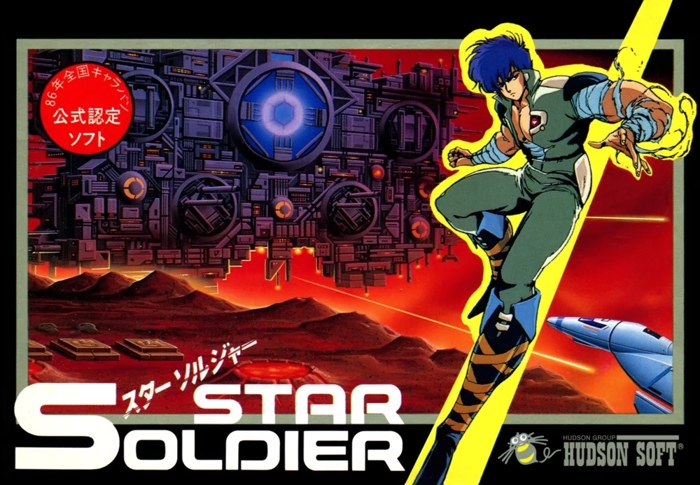
The Hudson Soft Gallery
Bomberman, Adventure Island, Bonk, and Star Soldier: the Japanese and American boxes side by side, with the company history and the questions behind them.
The History of Hudson Soft
A Sapporo radio shop, Nintendo's first Famicom licensee, a console built with NEC, and the eleven year Konami absorption that closed it in 2012.
The History of Bomberman
A man in a bowler hat, a borrowed Lode Runner robot, a 72 hour Famicom port, and the multiplayer reinvention on the PC Engine and Super NES.
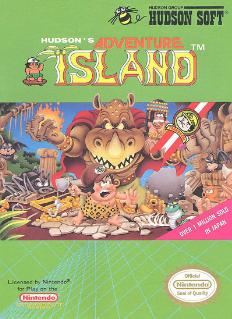
The History of Adventure Island
Hudson's Wonder Boy port that could not use the Wonder Boy name: how its own spokesman became the hero, and the two series that split from one game.
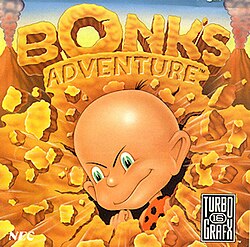
The History of Bonk's Adventure
The magazine comic caveman who became the TurboGrafx-16 mascot in 1989: Red Company designed him, Atlus built the game, and his head did the rest.
The History of Star Soldier
The shooter Hudson designed for its travelling Caravan tournament: sixteen stages, Starbrain bosses, timed score attack modes, and the Soldier line on the PC Engine.
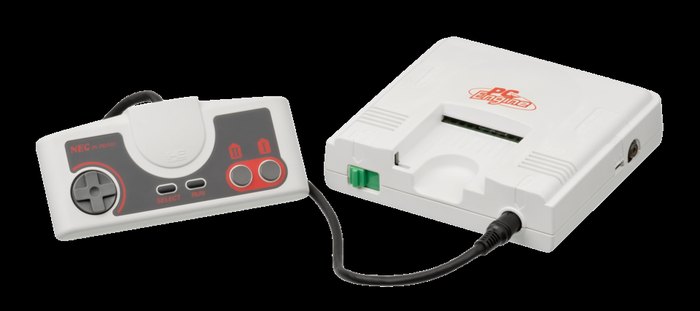
How did Hudson Soft help create the PC Engine?
Hudson's HuC6280 CPU, its two graphics chips, and the HuCard format, inside the machine NEC manufactured and sold.
Who was the real Master Higgins?
Toshiyuki Takahashi, a Hudson executive famous for sixteen shots a second, whose face and name Adventure Island borrowed.
Why is Bonk called PC Genjin in Japan?
A pun on the PC Engine itself, with a fake Latin species name underneath, renamed for every machine he moved to.
Why did Konami absorb Hudson Soft?
Largest shareholder in 2001, control in 2005, full ownership in 2011, dissolved in 2012: the takeover in four dated steps.
HUNTER X HUNTER
5 shelves
Why does Hunter x Hunter keep going on hiatus?
Togashi's back and hips, in his own 2022 account: two years unable to sit in a chair to draw, and the dated record of the breaks since 2006.
What endings has Togashi planned for Hunter x Hunter?
Patterns A, B and C, rated but never described, plus the discarded pattern D he told in full in November 2023 in case he cannot finish.
Why are there two Hunter x Hunter anime?
The 1999 series ran out of manga and finished on OVA in 2004. Madhouse rebooted from chapter one in 2011 and reached the Election arc.
How does Togashi draw Hunter x Hunter?
Ink and Kabura pens, historically almost alone; since 2022, lying down, with more staff working to his instructions.
What inspired Hunter x Hunter?
His collecting hobby and a cold read of the Jump reader polls, both in Togashi's own words.
JOJO'S BIZARRE ADVENTURE
11 shelves
Why do the English JoJo hardcovers have different covers?
Parts 1-3 are JoJonium, with brand-new Araki art. The editions, untangled.
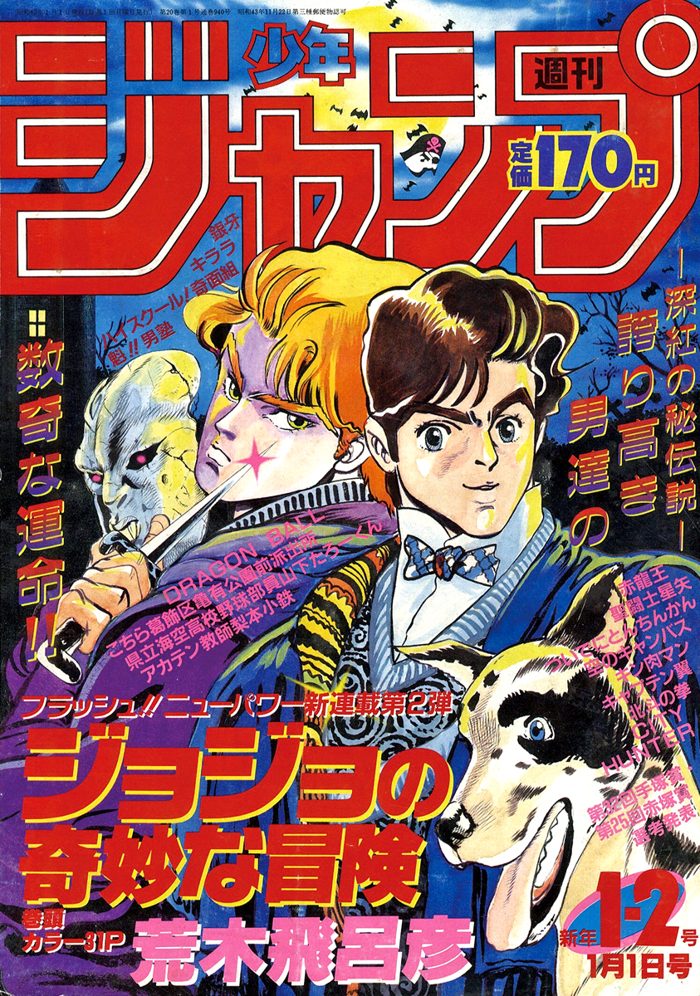
What WSJ issues have JoJo on the cover?
The Jump years, 1987 to the Ultra Jump move, cover by cover.
The JoJo Manga Gallery
The nine parts in their Japanese covers, side by side: the art, the structure, the music names, and the doors to every manga question on the shelf.
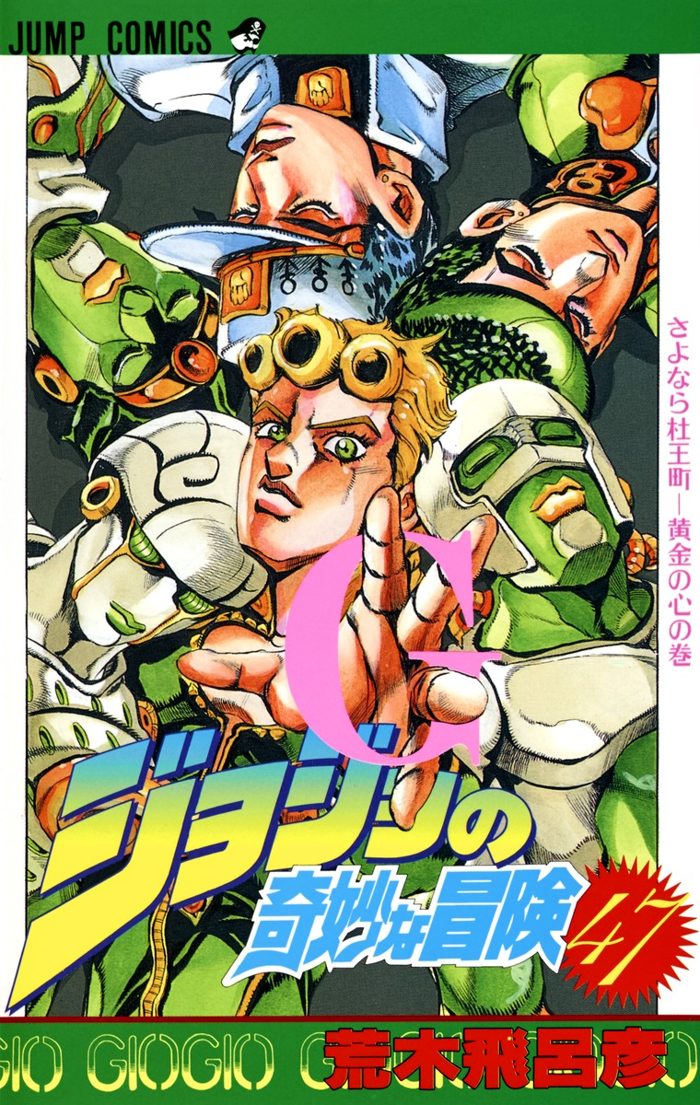
What inspired JoJo's Bizarre Adventure's art?
Michelangelo's sculpture, Gauguin's color, and the fashion rack: Araki's art direction, from his own statements and named reporting.
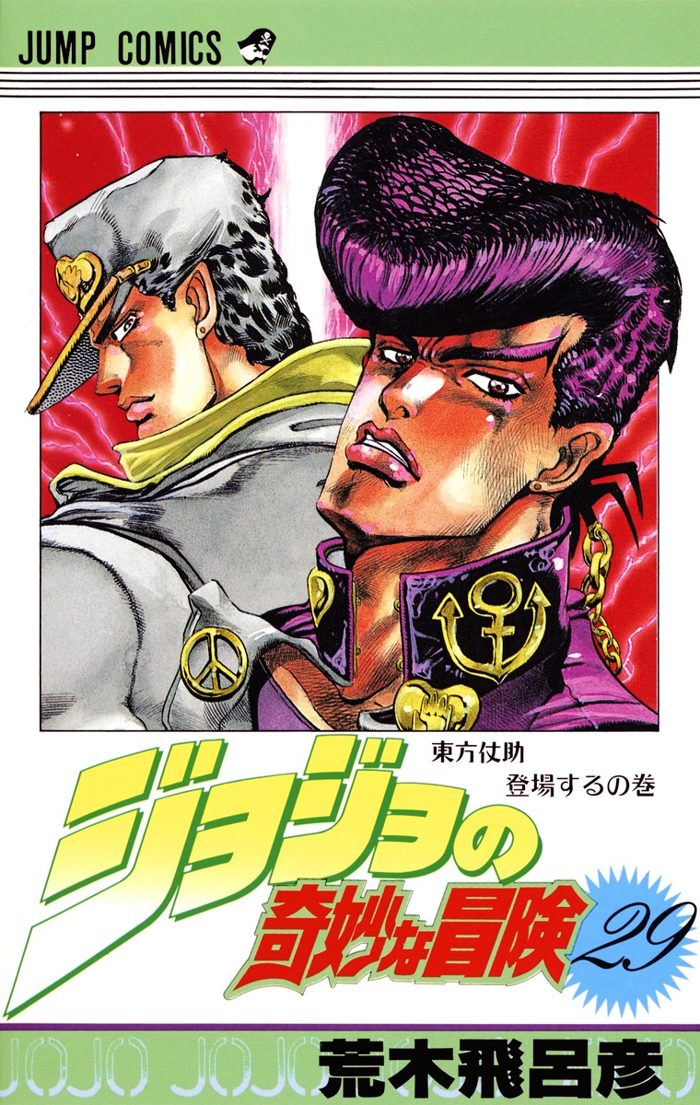
Why was JoJo exhibited at the Louvre?
The 2009 invitation, the cursed painting, and Rohan at the Louvre: the only non-French title in the museum's comics line, in full color.
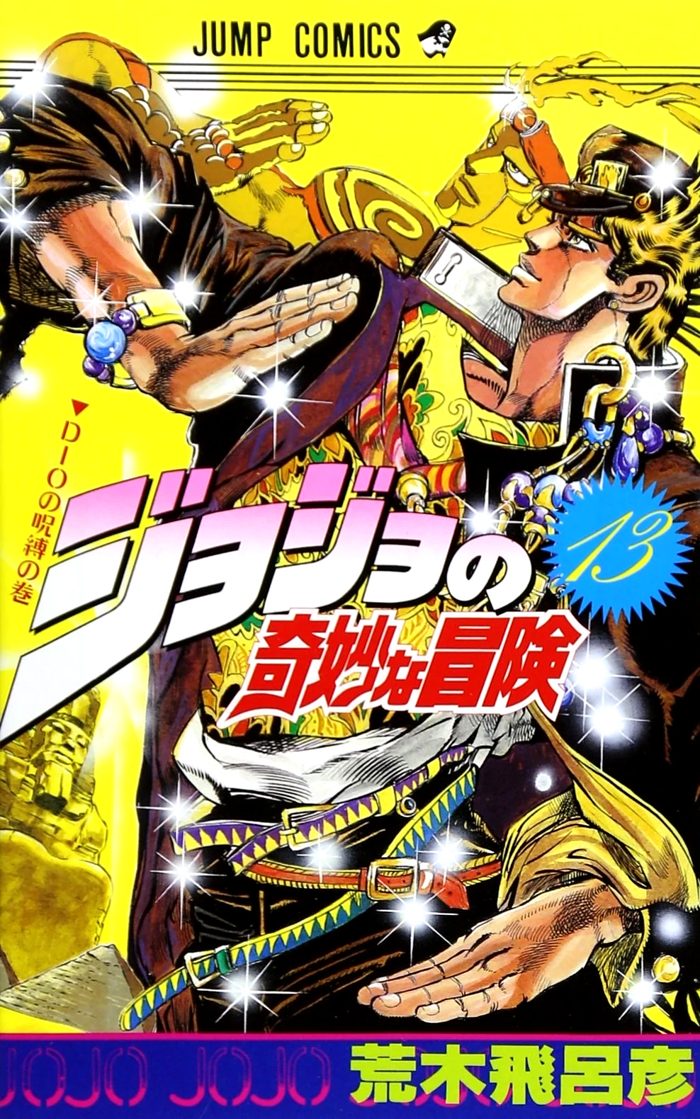
How many parts does JoJo's Bizarre Adventure have?
Nine parts, two continuities, 139 volumes and counting: every part's years, hero, and place in the Joestar line.
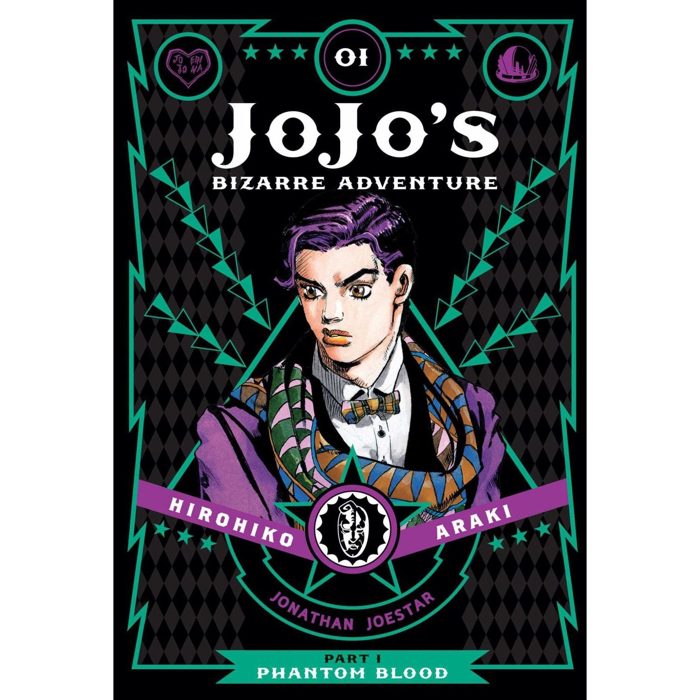
Why does JoJo start over with a new protagonist in every part?
Death and legacy, by Araki's own account: Roots, East of Eden, and the founding gamble of killing Jonathan.
Why was Steel Ball Run not called JoJo at first?
Part 7 ran for 23 chapters under its own name alone, at the editors' request. Araki's account, and the covers that prove it.
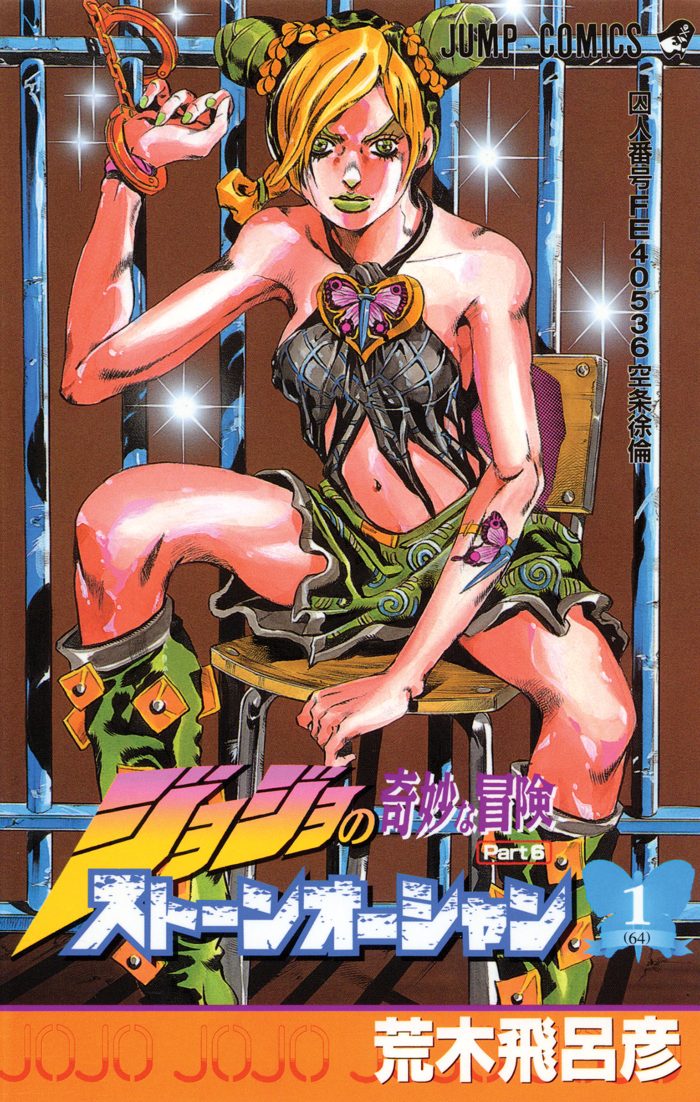
Why do JoJo volume numbers start over?
From Stone Ocean on, every part counts itself: the cover that prints 1 and 64 at once, and the collector's map of both counts.
Why are so many JoJo names taken from music?
Dio, Zeppeli, Crazy Diamond, Soft and Wet: Araki names his cast off his record shelf, with his 2017 playlist as the anchor.
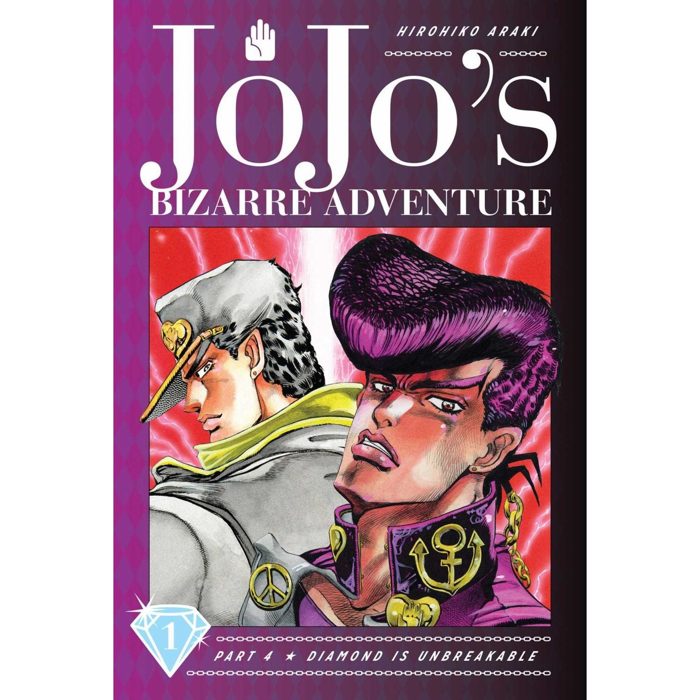
Which JoJo names are different in English?
Zipper Man, Six Bullets, Golden Wind: the lawyer's nightmare behind the swaps, and Araki's approval of every one.
JUJUTSU KAISEN
3 shelves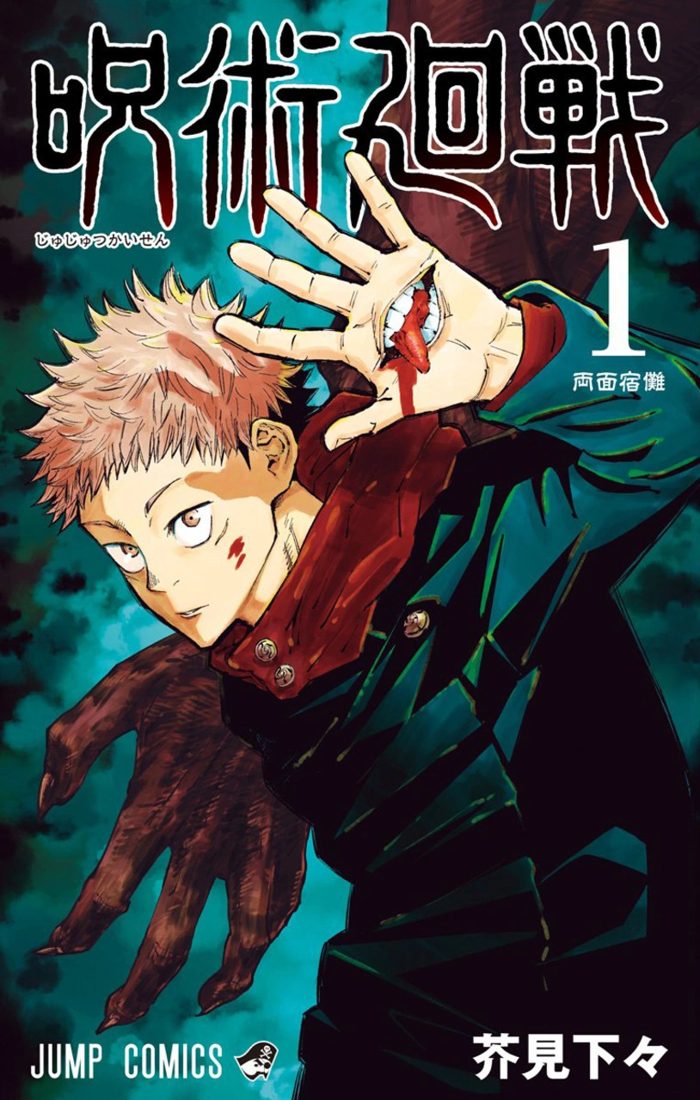
Are JJK covers the same in Japanese and English?
Yes, 31 times over, until Vol 30, where English got five covers Japan never did.
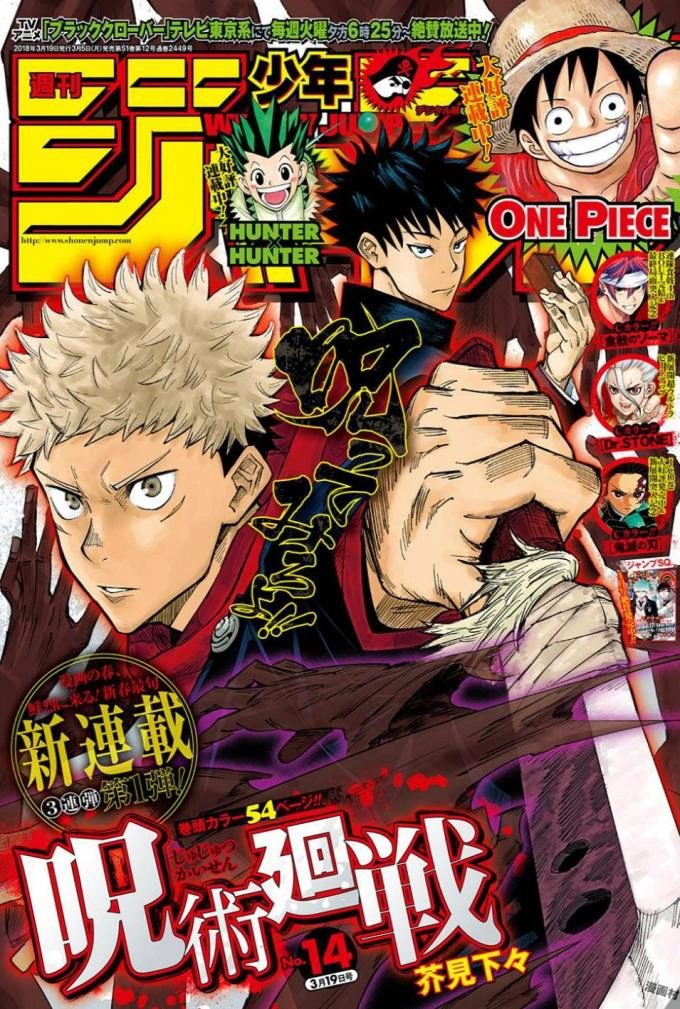
What WSJ covers did Jujutsu Kaisen get?
The 18 feature covers in full size, from the 2018 debut to the 2024 finale.
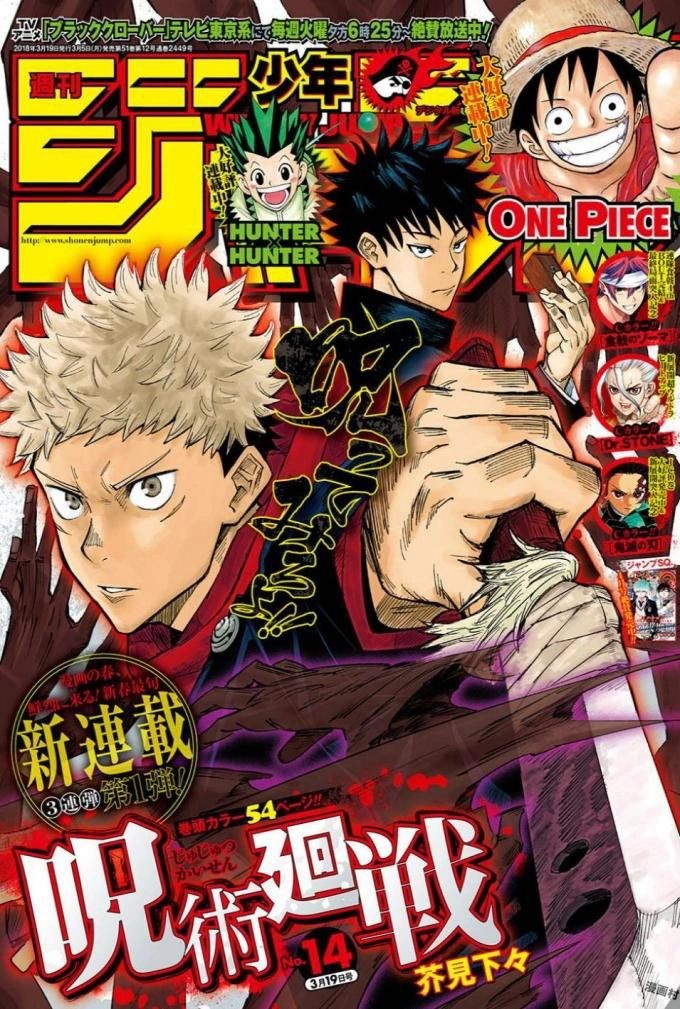
How can you tell if a Weekly Shonen Jump 2018 No.14 is the genuine first printing?
By issue, cover and contents, and the honest limit: no documented reprint mark exists, so claimed reprint editions stay unverified.
KARTIA
12 shelves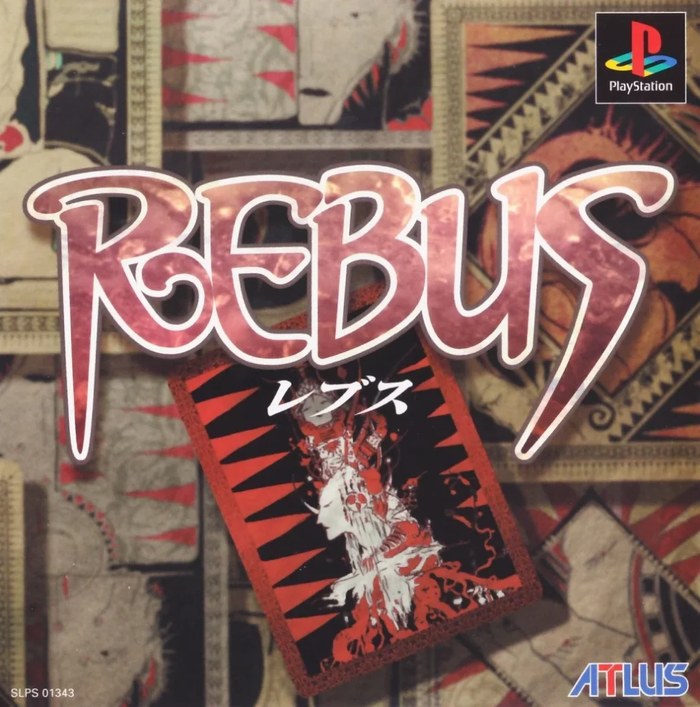
The Kartia Gallery
Kartia's two 1998 covers side by side, the Japanese Rebus box and the American Kartia: The Word of Fate box, plus every edition of Atlus's written-word strategy RPG.
The History of Kartia
How Atlus's Megami Tensei studio built Kartia in 1998, launched it through Blockbuster in America, and never followed it up: no sequel, one Japan-only re-release.
Why Is It Called Rebus in Japan and Kartia in the West?
Kartia has three names: Rebus in Japan, Kartia: The Word of Fate in America, Legend of Kartia in Europe. Each title points at a different part of the same game.
How Do Kartia Cards Work?
Kartia's whole game is written words: combine single characters into texts to forge weapons, cast spells, and summon Phantoms, in a world with no shops at all.
Who Are Toxa and Lacryma, Kartia's Two Heroes?
Kartia tells one story twice: eighteen chapters for the free knight Toxa, eighteen for the shrine warrior Lacryma, and only both together explain the whole plot.
Who Did the Art for Kartia?
Yoshitaka Amano designed Kartia's characters, and on the PlayStation his paintings finally lived inside the game: portraits, covers, and the soundtrack jacket.
Are Kartia's Covers the Same in Japan and America?
No: Japan's Rebus box is a collage of magic cards and America's Kartia box is a lone heroine, but both covers are Yoshitaka Amano art. The pair, side by side.
Where Does Kartia Fit in the Strategy RPG Boom?
Kartia arrived in the middle of the 1998 strategy RPG pile-up, weeks from Tactics Ogre and months from Final Fantasy Tactics, and was judged in their shadow.
How Was Kartia Received?
Kartia's 1998 reviews agreed on the game's shape: praised for art, music, and ideas, faulted for fiddly battles. A 31 from Famitsu, a 75 percent average in the West.
Why Is Kartia Forgotten?
Kartia sold, reviewed respectably, and vanished anyway: a rental-first launch, two giant rivals on its own publisher's shelf, no sequel, a Japan-only re-release.
What Strategy Guides Does Kartia Have?
Kartia got two official Japanese books from Atlus's own publishing arm, an official guide and a setting collection, plus Prima's American guide for both storylines.
Collecting Kartia
Kartia's collectible map: the Japanese Rebus original and Best editions, the American foil and Blockbuster rental variants, the PAL Legend of Kartia, dated prices.
KATSUYA TERADA
12 shelvesWho is Katsuya Terada?
The Doodle King: illustrator of the Zelda guidebooks, designer of Saya in Blood: The Last Vampire, and an artist who simply never stops drawing.
Who drew the old Zelda guidebook art?
Those painterly, dangerous-looking illustrations in the A Link to the Past and Link's Awakening guides were drawn by Katsuya Terada.
Katsuya Terada's Zelda illustrations
Promotional art for four Zelda games, player's guides in two languages, and a secret: the man who drew Hyrule had never played it.
What is Katsuya Terada's The Monkey King?
Terada's full-color Journey to the West: a savage Monkey King, a nun on pilgrimage, and the manga that took him into English in 2005.
Who designed the characters in Blood: The Last Vampire?
Saya's heavy, haunted look came from an illustrator, not an anime designer: Katsuya Terada, hired by name for Production I.G's 2000 film.
Who drew the Detective Jinguji Saburo covers?
Data East's hard-boiled detective has worn the same face for decades because one artist drew him: Katsuya Terada, its designer and cover artist.
What is Rakuda Laughs?
A trigger-happy yakuza new father, one corpse too many, and Terada drawing crime with a grin: Rakuda Ga Warau, in English as Rakuda Laughs!
What is RakugaKing?
Part nickname, part book: RakugaKing is Terada's doodle philosophy made physical, over 1,000 pages of sketchbook in a slipcase.
What is Terada Katsuya Zenbu?
Zenbu means everything: Kodansha's 1999 complete-works volume, Terada's first art book, and the shelf of books that followed it.
Katsuya Terada Real Size
One black marker, no rough drafts, printed at actual size: PIE International's 2019 hardcover of Terada's exhibition marker art.
How does Katsuya Terada draw?
Markers, brush pens, an early bet on digital painting, and no rough drafts: the tools and method behind the Doodle King's line.
What is a Katsuya Terada live drawing?
No sketch, no plan, hours of ink appearing line by line in front of an audience: inside the live-drawing performances Terada is famous for.
KAWAJIRI
13 shelvesWho Is Yoshiaki Kawajiri?
Yoshiaki Kawajiri: the Madhouse co-founder who directed Wicked City, Ninja Scroll and Vampire Hunter D: Bloodlust, and gave the West its darkest anime.
The Films of Yoshiaki Kawajiri
The Kawajiri shelf: Wicked City, Demon City Shinjuku, Ninja Scroll and Vampire Hunter D: Bloodlust, the four films that built the Western rental canon.
What Is Wicked City?
Wicked City (1987): Kawajiri’s solo directorial debut, from Hideyuki Kikuchi’s novel Black Guard. A 35-minute commission that grew into a feature.
Why Was Wicked City Cut in Britain?
Britain got a different Wicked City: a Manga UK dub of its own and about 1 minute 48 seconds removed by the BBFC. Discotek’s editions reunite both dubs, uncut.
What Is Demon City Shinjuku?
Demon City Shinjuku (1988): Kawajiri’s second Kikuchi adaptation. A ruined Shinjuku, a swordsman’s son, and the OVA Britain renamed Monster City.
How Was Ninja Scroll Made?
Ninja Scroll (1993): written, designed and directed by Yoshiaki Kawajiri at Madhouse, from Futaro Yamada homage to Yubari prize winner, quiet in Japan.
Why Did Ninja Scroll Become a Hit in the West?
Ninja Scroll sold 70,000 North American tapes by May 1996 and a million DVDs after: how Manga Entertainment and the video store made it the rental canon.
Who Are the Eight Devils of Kimon?
The Eight Devils of Kimon, profiled: Gemma, Tessai, Benisato, Shijima, Yurimaru, Zakuro, Mushizo and Utsutsu, plus Jubei, Kagero and Dakuan.
Will There Ever Be a Ninja Scroll 2?
As of 2026: no sequel film exists. Kawajiri finished a script in 2013, financing never came, and in June 2026 Kasagi Labo announced a new project.
Was Ninja Scroll Censored?
In Britain, yes: the BBFC removed about 52 seconds in 1995, restored in 2004. The Japanese and American releases were never cut.
What Is Vampire Hunter D: Bloodlust?
Vampire Hunter D: Bloodlust (2000): Kawajiri’s English-first feature from Kikuchi’s Demon Deathchase, with Amano’s designs animated by Madhouse.
How Can You Watch Kawajiri’s Films Today?
Ninja Scroll in 4K from Berlinale 2026 to a 2027 steelbook, Bloodlust returning with GKIDS in 2027, and the Discotek editions of the Kikuchi films.
Collecting the Kawajiri Films
The edition census: Manga tapes, LaserDiscs, the two Wicked City dubs, Discotek’s restorations, steelbooks, and the storyboard book.
KING'S FIELD
14 shelves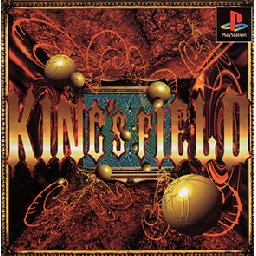
The King’s Field Box Art Gallery
Every King’s Field cover that can be verified, Japan beside North America and Europe: the four Japanese originals, the renamed American long boxes, and the…
The first King’s Field (1994)
The original King’s Field of 16 December 1994: a fully 3D first-person dungeon released thirteen days after the PlayStation launched in Japan, and never localized.
Why is America’s King’s Field really King’s Field II?
The Western King’s Field numbering explained: Japan’s II became America’s King’s Field, Japan’s III became King’s Field II, and IV became The Ancient City.
King’s Field II (1995): the island of Melanat
King’s Field II (21 July 1995): Prince Aleph shipwrecked on Melanat to recover the stolen Moonlight Sword. Famitsu 35/40, the West’s first King’s Field.
King’s Field III (1996): the fall of Verdite
King’s Field III (21 June 1996): Lyle marches on his mad father King Jean to end the Verdite trilogy. The largest PlayStation entry, with the series’ first automap.
King’s Field IV (2001): the Ancient City
King’s Field IV (4 October 2001): the PlayStation 2 finale, sold in the West as King’s Field: The Ancient City. The Idol of Sorrow, a lost army, and the series’…
How did King’s Field actually play?
The King’s Field design explained: first-person swordplay, the charging weapon gauge, and the slow movement that let a 1994 console stream a seamless world…
Where did the Moonlight Sword come from?
The Moonlight Sword began in the first King’s Field in 1994: Guyra the Black Dragon forged it, the fairy Milia awakens it, and it has crossed into nearly every…
What is Shadow Tower?
Shadow Tower (1998) is King’s Field’s harder sibling: no experience points, no music, no map, breaking equipment, and a PS2 sequel whose finished English version…
What is Sword of Moonlight?
Sword of Moonlight (16 March 2000) is FromSoftware’s King’s Field construction kit for Windows, bundled with a full remake of the 1994 original and still home to…
What is Eternal Ring?
Eternal Ring (4 March 2000) is the King’s Field formula rebuilt around forgeable magic rings, launched with the PlayStation 2 in both Japan and North America.
What King’s Field strategy guides are there?
The King’s Field guide shelf: Japan’s capture books, visual books, the 2001 trilogy Scripture, the IV official guidebook, and the Prima guides for all three…
Collecting King’s Field
A collecting guide to King’s Field: cheap Japanese originals, the renamed American long boxes, the Dark Side Box of 2007, and the Prima guides, with prices as…
How did King’s Field lead to Demon’s Souls?
Demon’s Souls began as a revival of the lost breed of action game: a new King’s Field was ruled out, the prototype stalled, and Hidetaka Miyazaki volunteered to…
KINGDOM HEARTS
25 shelves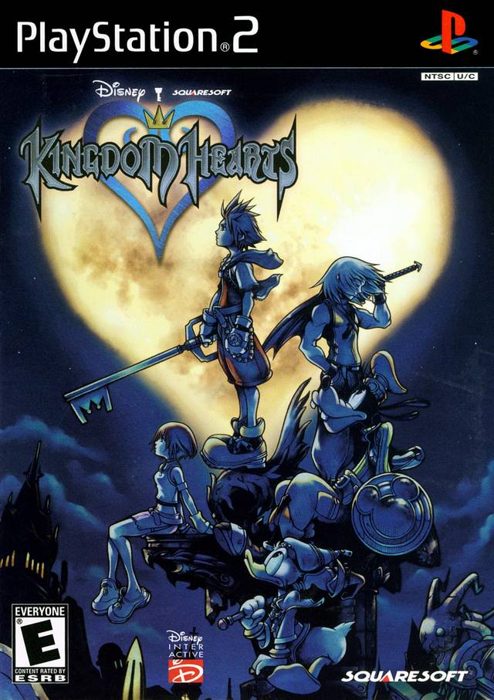
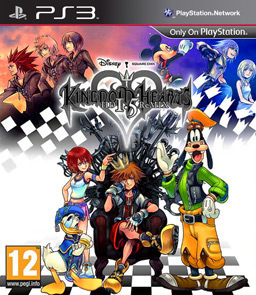
The Kingdom Hearts Gallery
One game, two boxes: the Japanese and American Kingdom Hearts side by side, with its history and the questions its versions raise.
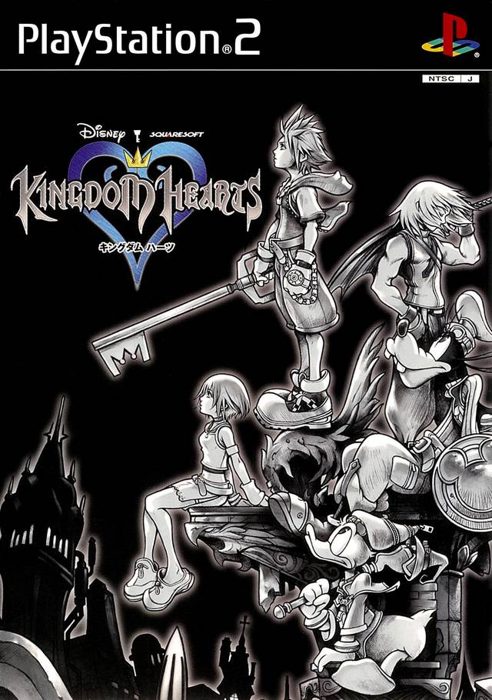
The History of Kingdom Hearts
An elevator pitch, a first time director, and the crossover that was supposed to be impossible: how the 2002 original was made and received.
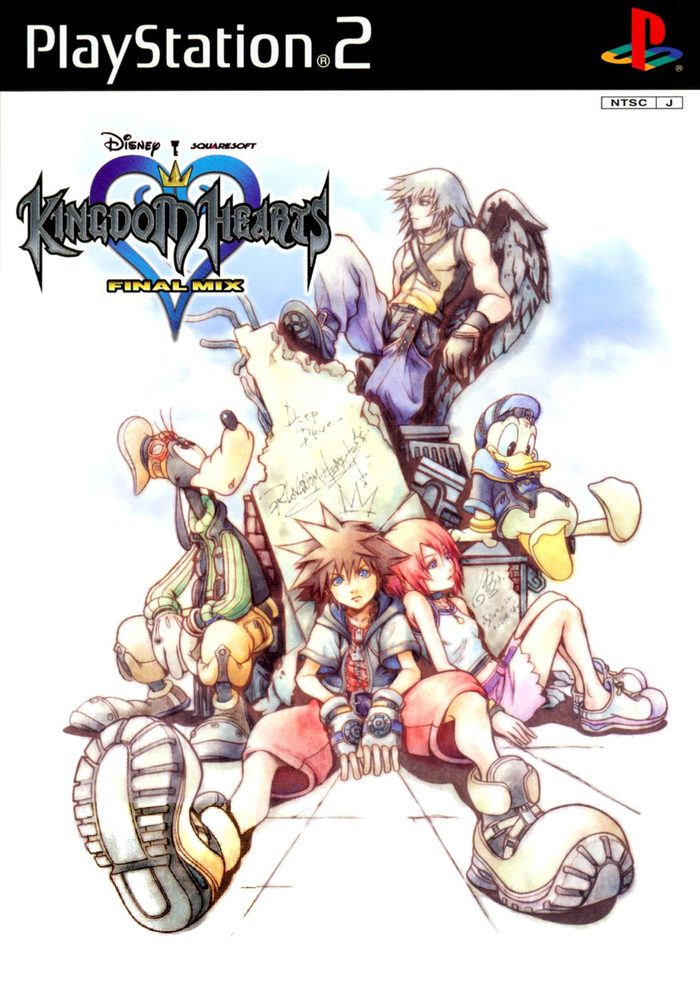
What is a Kingdom Hearts Final Mix version?
The Japan-only expanded re-release, born when America got extra bosses first. The West waited eleven years.
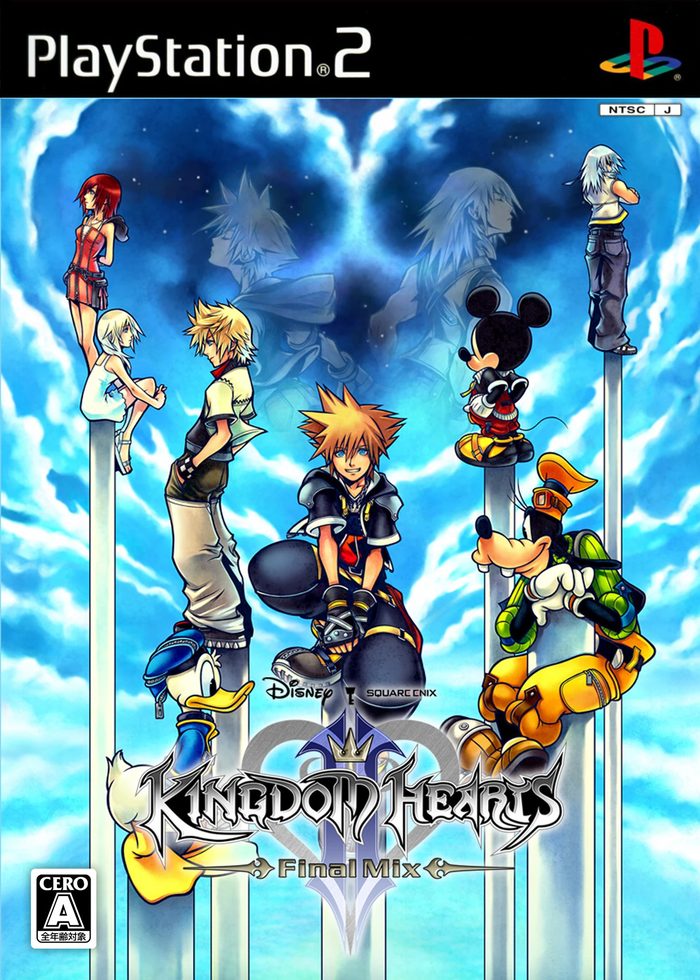
What did Kingdom Hearts II Final Mix+ add?
Two discs: Critical Mode, the Roxas fight, the Lingering Will, a secret movie, and a full remake riding along.
How did the American Kingdom Hearts differ from the Japanese original?
Sephiroth, the Ice Titan, and Kurt Zisa were American additions. Final Mix exists to bring them home.

How did Skrillex end up co-writing the Kingdom Hearts III theme?
Utada asked a fan for a remix. Skrillex could not improve the song, so in one London hour they wrote a new one instead: Face My Fears.
The Kingdom Hearts Version Tree
Every Kingdom Hearts release and its second version, mapped: the Final Mixes, the remakes, the theater cuts, the collections, and the one branch that was cancelled.
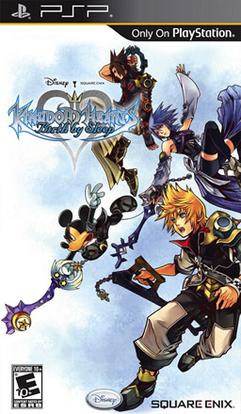
What did Kingdom Hearts Birth by Sleep Final Mix add?
Birth by Sleep Final Mix (Japan, January 20, 2011) added a playable Secret Episode, three Mirage Arena bosses including No Heart, and the Western version’s…
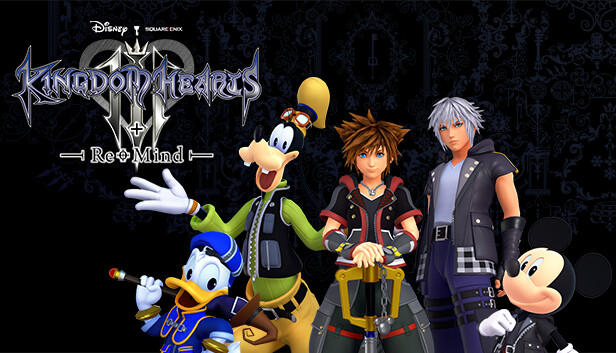
What is Kingdom Hearts III Re Mind?
Re Mind (January 23, 2020) is Kingdom Hearts III’s Final Mix delivered as DLC: a Re Mind scenario, the 13-boss Limitcut Episode, and a Secret Episode against…
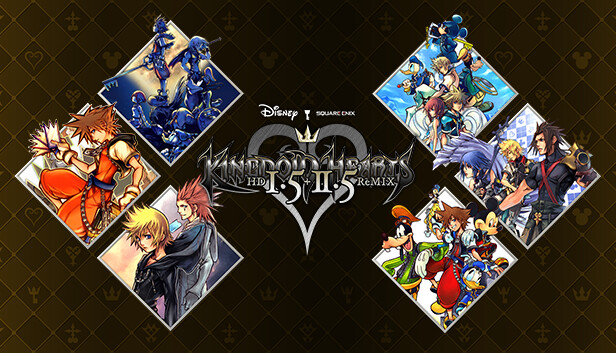
What are the Kingdom Hearts HD collections?
The HD collections (1.5, 2.5, 2.8, and their bundles) are how the Final Mixes finally left Japan: PS3 in 2013, PS4 in 2017, PC in 2021, Steam in 2024, and native…
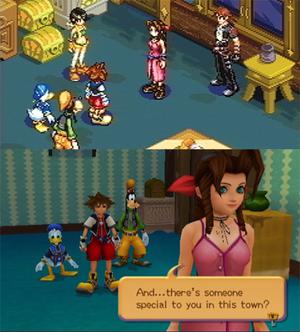
How did Chain of Memories become Re:Chain of Memories?
Re:Chain of Memories (2007) is a full 3D PS2 remake of the 2004 Game Boy Advance card battler, released in Japan only as the second disc of Final Mix+, then…
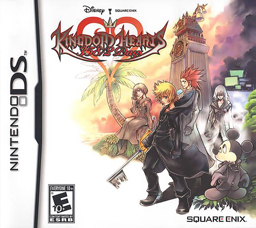
Why are 358/2 Days and Re:coded movies in the collections?
The two Nintendo DS games entered the HD collections as HD theater films of their cutscenes rather than playable remakes, leaving their DS originals as the only…
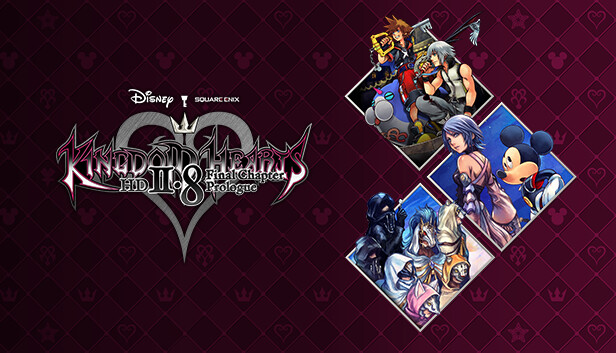
What is Kingdom Hearts 0.2: A Fragmentary Passage?
0.2 (January 2017) is a short playable prologue to Kingdom Hearts III built in Unreal Engine 4: Aqua’s journey through the Realm of Darkness, shipped inside HD…
Who is Tetsuya Nomura?
Tetsuya Nomura (born 1970) is Kingdom Hearts’ creator, director, and character designer: a Square monster artist who redesigned Final Fantasy VII’s cast and then…
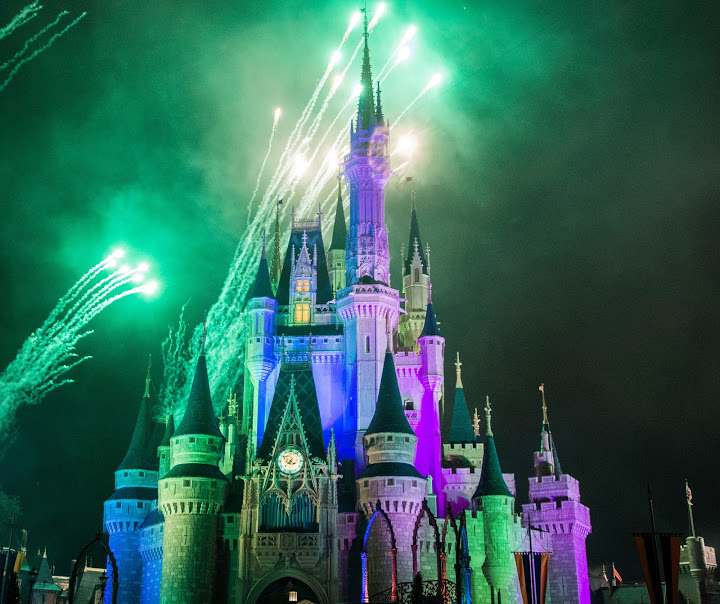
What rules does Disney set for Kingdom Hearts?
Disney’s rules shaped Kingdom Hearts from the start: Mickey Mouse was licensed for exactly one scene in the first game, Sora was designed as a compromise hero,…
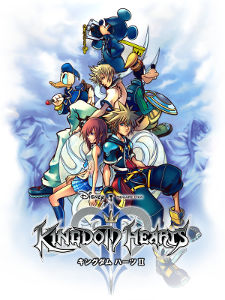
Why does Sora transform in Disney worlds?
Sora, Donald, and Goofy change form in worlds like Atlantica, Halloween Town, and the Pride Lands because Donald’s magic disguises them to protect the world…
Who sings the Kingdom Hearts theme songs?
Hikaru Utada has sung every numbered Kingdom Hearts theme since 2002: Hikari / Simple and Clean, Passion / Sanctuary, and for Kingdom Hearts III, Face My Fears…

Who composed the Kingdom Hearts music?
Yoko Shimomura, Capcom’s Street Fighter II composer turned Square pianist, has scored Kingdom Hearts since 2002; Dearly Beloved, written first, is the title…
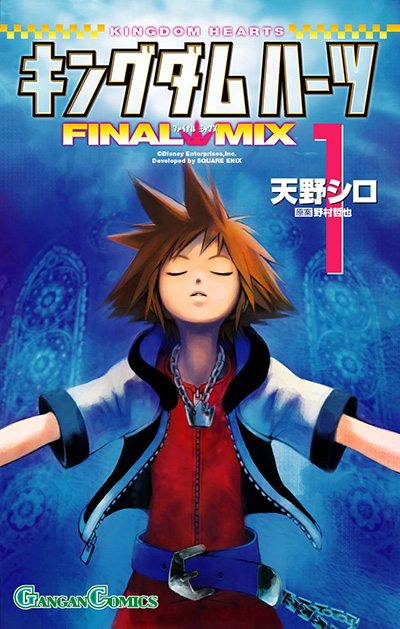
What is the Kingdom Hearts manga?
Shiro Amano’s Kingdom Hearts manga (2003 to today) retells the games across five series and 25 Japanese volumes, funnier and looser than the source, with an…
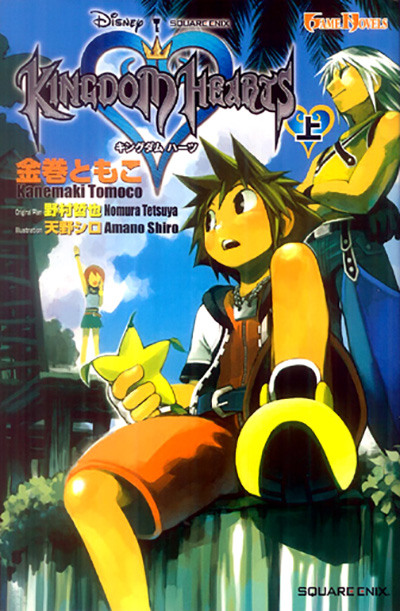
What are the Kingdom Hearts novels?
Tomoco Kanemaki’s Kingdom Hearts novels (2005 onward, illustrated by Shiro Amano) novelize every game in Japanese across more than twenty volumes; Yen On has…
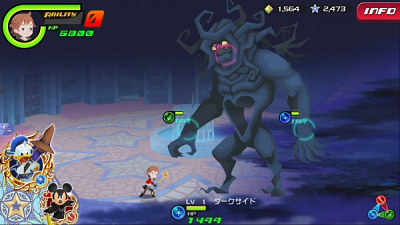
What was Kingdom Hearts Union χ?
Union χ was the series’ browser-and-phone chapter (2013 to 2021): the age of fairy tales and the Keyblade War, shut down in June 2021, converted to an offline…
What is Kingdom Hearts Dark Road?
Dark Road (2020 to 2022) is Xehanort’s origin story, a card-driven game delivered inside the Union χ app, frozen mid-story by the 2021 shutdown and completed…
What happened to Kingdom Hearts Missing-Link?
Missing-Link, the GPS action RPG announced with Kingdom Hearts IV in April 2022, was beta-tested in 2023 and 2024, delayed, and cancelled on May 14, 2025 before…
What do we know about Kingdom Hearts IV?
Kingdom Hearts IV, announced April 10, 2022, opens the Lost Master arc in Quadratum, a fictionalized Tokyo, is being built in Unreal Engine 5, and has no…
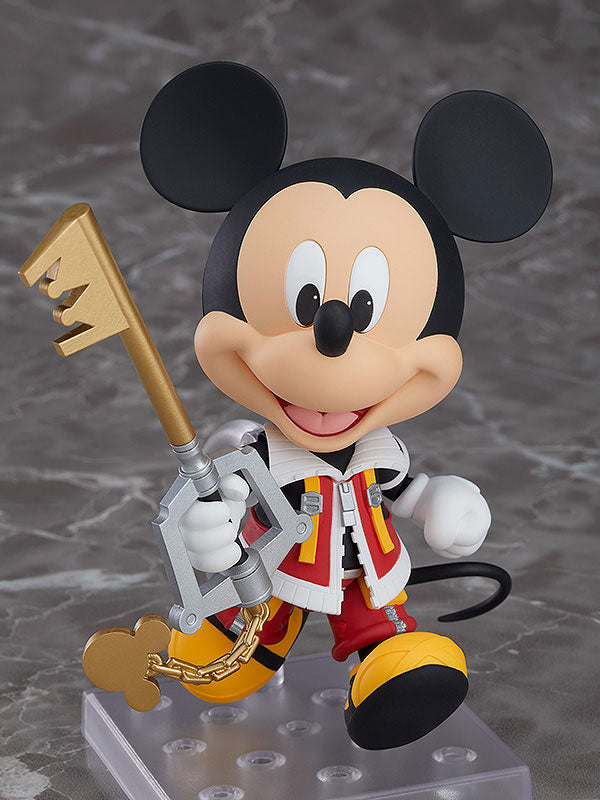
Kingdom Hearts Merchandise and Collecting
The Kingdom Hearts merchandise landscape in text: Play Arts Kai and Bring Arts figure lines, Formation Arts, Ichiban Kuji lotteries, plush, a Tamagotchi, and the…
KIRBY
12 shelfs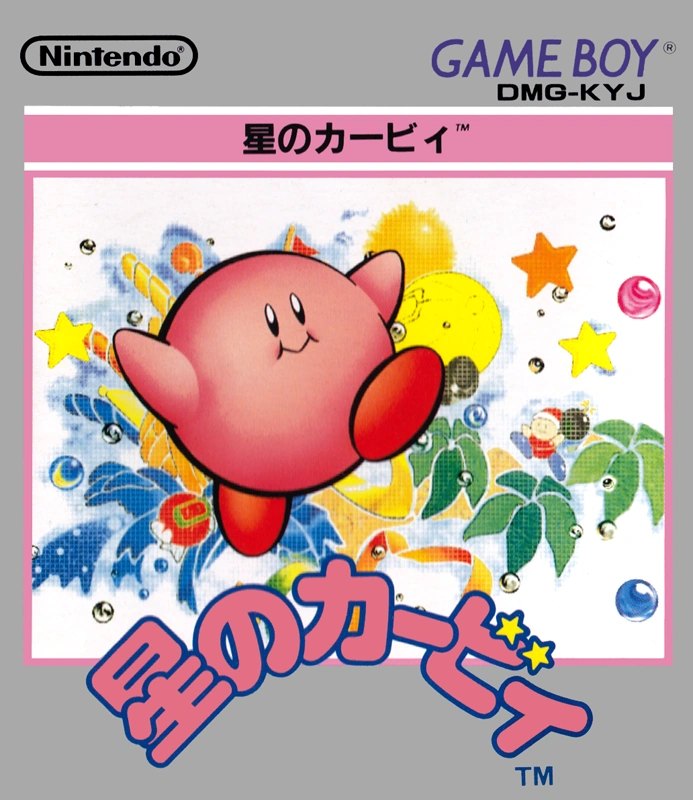
The Kirby Gallery
Six games, two boxes each: the white Kirby of 1992, the Paulownia wood box, two plaids, and one Warp Star with two expressions, with the histories and questions behind them.
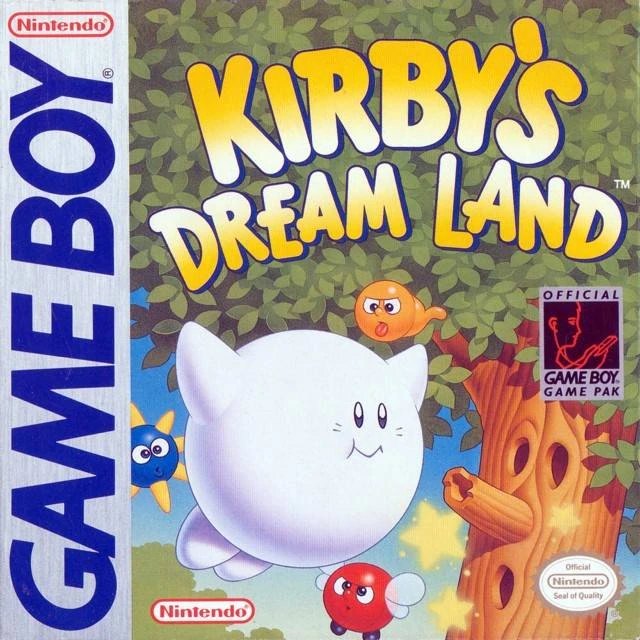
The History of Kirby's Dream Land
Sakurai at nineteen builds a game for beginners: the placeholder hero named Popopo, Jun Ishikawa's music, and 5.13 million copies.
Why is Kirby white on the first American box?
The Game Boy could not show pink, Miyamoto guessed yellow, and America printed the sprite's own white. Two on-record explanations, kept apart.
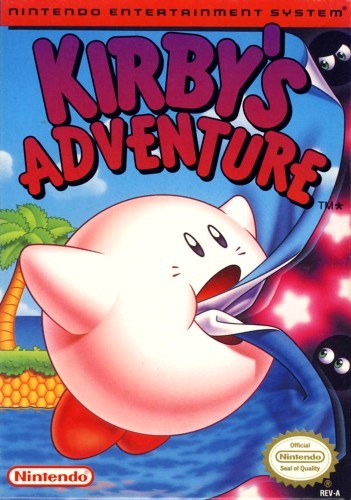
Why does Kirby's Dream Land have no copy ability?
A beginner first design with a small, complete kit. Copy was invented for the sequel, after experienced players called the first game too simple.
What inspired Kirby's design?
A placeholder blob that everyone liked too much to replace, drawn as a circle anyone could draw, in Sakurai's own accounts.
The History of Kirby's Adventure
The copy ability from over forty candidates, Meta Knight's debut, Kirby in pink at last, and the NES pushed to its limit in 1993.
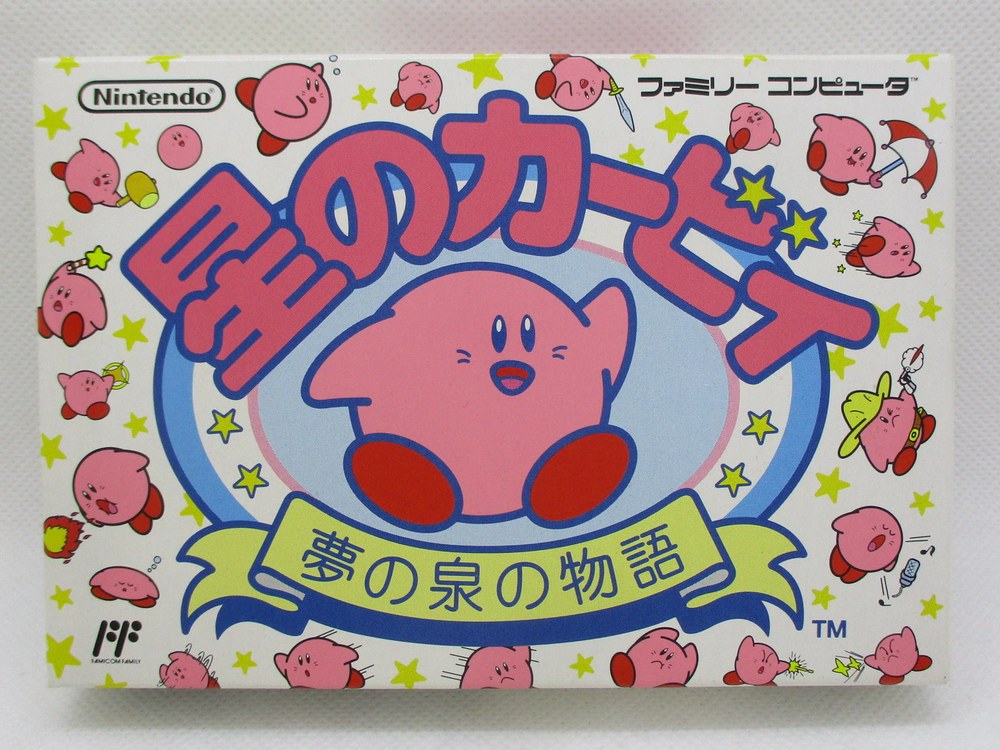
How did Kirby get his name?
From a Nintendo of America list, partly in honor of John Kirby, the lawyer who won the Donkey Kong case, per Miyamoto. Told at its documented weight.
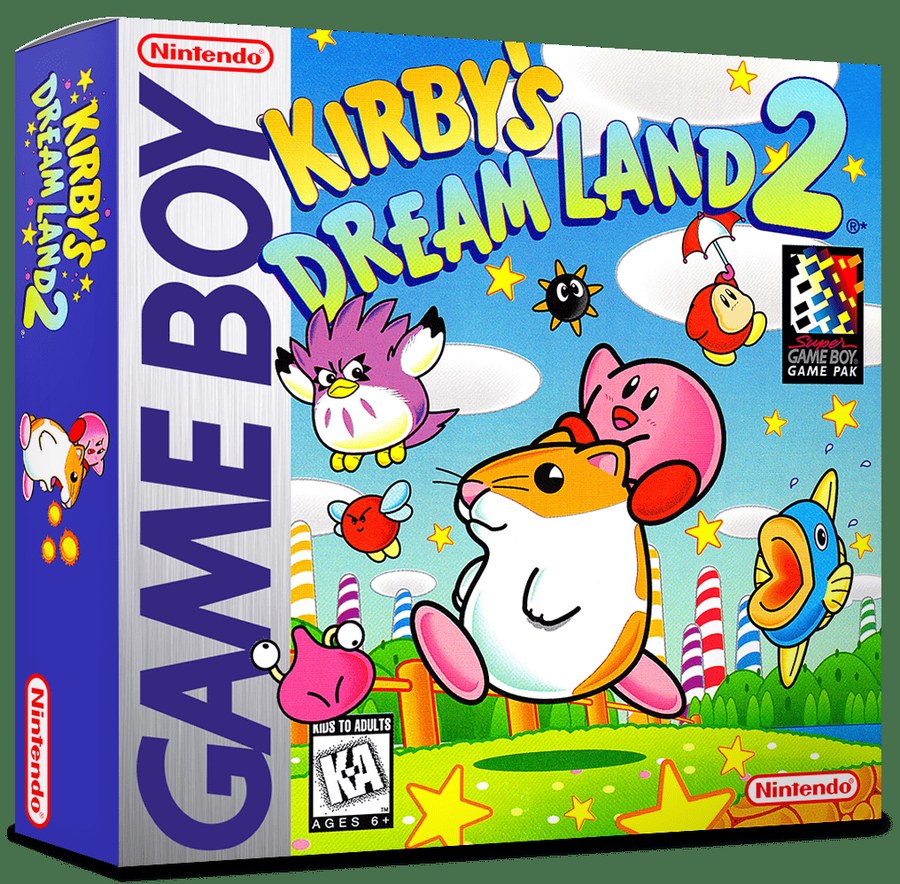
The History of Kirby's Dream Land 2
Shimomura takes over: Dark Matter arrives, Rick, Kine, and Coo transform seven copy abilities, and the Rainbow Drops hide the true ending.
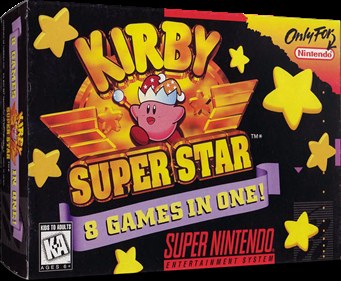
The History of Kirby Super Star
Three pillars, three years, and a wooden box: Helpers, fighting game movesets, the omnibus format, and Itoi's Paulownia packaging.
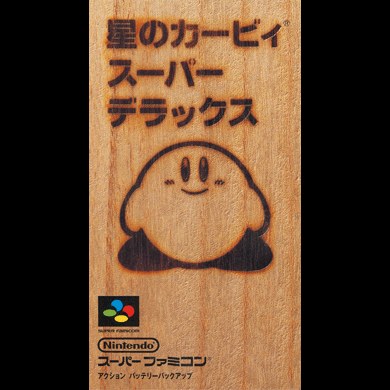
Why is Kirby Super Star eight games in one?
Sakurai's omnibus answer in his own words: games had grown too long to beat, so he shipped quick, complete, varied scenarios instead.
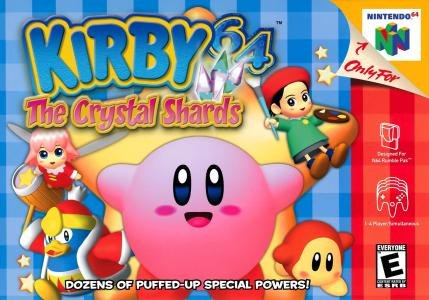
The History of Kirby 64: The Crystal Shards
The 64DD game that became a cartridge: first 3D Kirby, 28 Power Combos, the D-pad rescue, and a jazz score for the final areas.
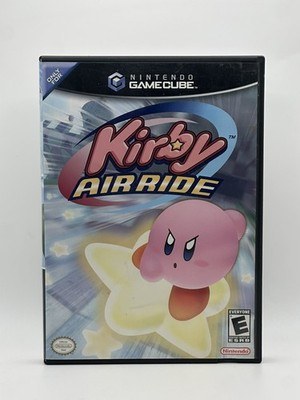
The History of Kirby Air Ride
Kirby Bowl 64 at the Nintendo 64 unveiling, cancellation, the one button racer, City Trial, and Sakurai's last Kirby at HAL.
LANGRISSER
14 shelves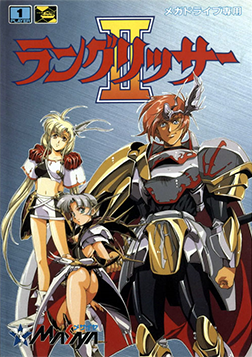
The Langrisser Gallery
The Langrisser boxes, 1991 to 2020: Warsong, the American cover, the Mega Drive and Saturn originals carrying Satoshi Urushihara’s art, and the 2019 remake’s new…
The History of Langrisser
From a 1987 PC strategy game to a 2019 phone revival: the history of Langrisser, Masaya and Career Soft’s tactical RPG series, Warsong to Langrisser Mobile.
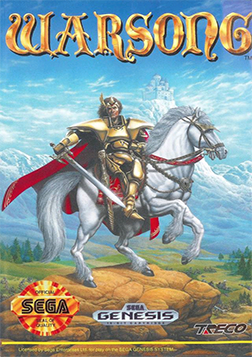
What Is Warsong, the American Langrisser?
Warsong is Langrisser I renamed: Treco’s 1990s Genesis version, with a new title, a new cover, renamed heroes, and the sword itself renamed. What changed, and…
How Many Langrisser Games Are There?
Five numbered Langrisser games, plus Millennium, a 3DS revival, a cancelled MMO, five compilations, and a mobile game that outlived them all: the complete…
Why Can You Join the Empire in Der Langrisser?
Der Langrisser, the 1995 Super Famicom remake of Langrisser II, lets Erwin defect to the Empire, betray it, or serve the darkness: the four paths, explained.
What Are Langrisser III, IV and V?
Langrisser III, IV, and V: the Saturn trilogy Japan kept. A prequel about the sword’s making, a branching sequel with three paths, and The End of Legend.
How Do Langrisser’s Commanders and Classes Work?
Langrisser’s signature system: commanders who hire armies, command radii, the affinity web, and the branching class trees with their hidden top classes, explained.
Langrisser vs. Fire Emblem: What Is the Difference?
Fire Emblem gives you heroes; Langrisser gives you officers and armies. Scale, death, branching stories, and two very different Western histories, compared.
Who Is Satoshi Urushihara?
Satoshi Urushihara (born 1966): the Toei animator who became Langrisser’s character designer, defined its glossy look, published its art books, and returned for…
What Is Langrisser: Dramatic Edition?
Langrisser: Dramatic Edition (Saturn, 1998) is the remake set of the first two games, with a new Imperial branch. Plus the PlayStation set, the Tribute box, and…
Why Does the Langrisser I & II Remake Have Two Art Styles?
The 2019 Langrisser I & II remake redrew everyone with Ryo Nagi, then added Classic Mode to restore Satoshi Urushihara’s art. The collector question, answered.
What Is Langrisser Mobile?
Langrisser Mobile (2018): Zlongame’s licensed revival that kept the commander system, gathered every hero in the series, and outlived the classic games. The…
What Strategy Guides Were Published for Langrisser?
Japan published at least seventeen official Langrisser guide books: the Der Langrisser branching atlas, five books for Langrisser IV alone, and none in English.…
Collecting Langrisser
Collecting Langrisser in 2026: Warsong prices as dated history, the Tribute box and its telephone card, the holographic Langrisser III, fan translations as keys,…
LORD OF THE RINGS
17 shelves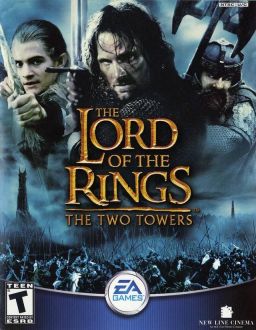
What Lord of the Rings video games are there?
28 major LOTR releases, across more than 40 years.
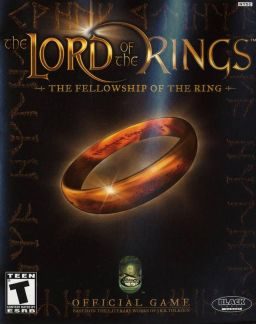
Why were there two different Fellowship games in 2002?
Because the book rights and the film rights belonged to two different companies.
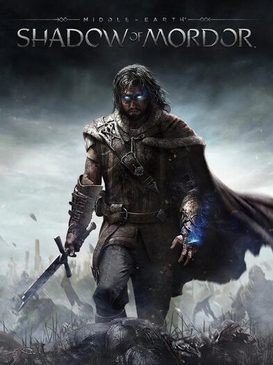
What is the Nemesis system, and why did Warner Bros. patent it?
It is a system that remembers you, and Warner Bros. patented it: US Patent No. 10,926,179, effective February 23, 2021.
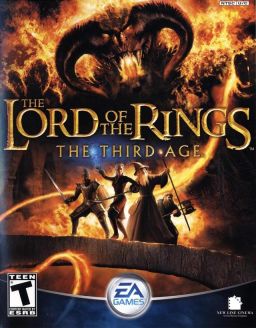
What is The Third Age, the Lord of the Rings RPG that follows the films?
It is EA's turn-based RPG about a second fellowship walking in the first one's footsteps.
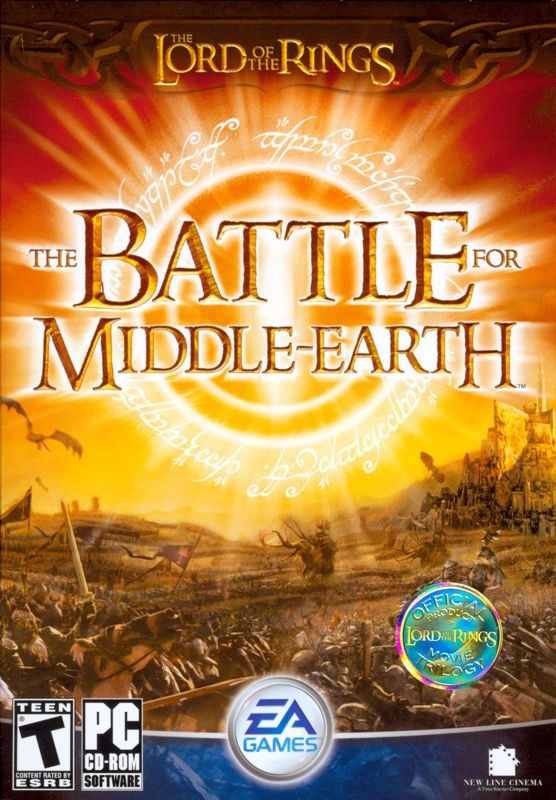
Why can't you buy The Battle for Middle-earth anymore?
Because EA no longer holds the license that made the game legal to sell.

What happened to The White Council, the cancelled Lord of the Rings RPG?
It was shelved in 2007 and never came back. Officially a hiatus, in reality the end.
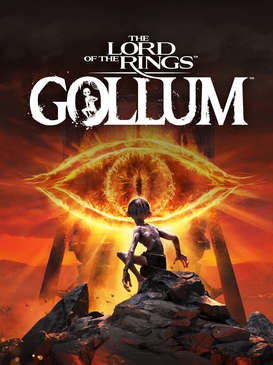
Why is Gollum (2023) considered one of the worst games of its year?
Because the record says so: Metacritic ranked it the worst game of 2023, and its developer apologised, then closed its development division.
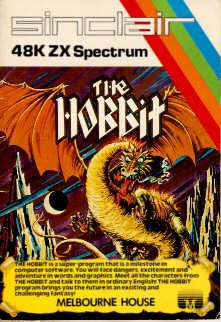
What is the oldest Lord of the Rings video game?
The Hobbit, from 1982.
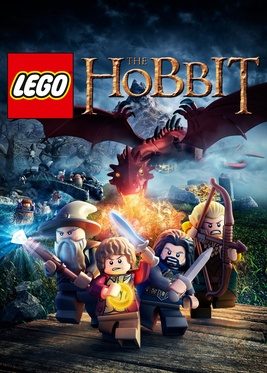
Why does LEGO The Hobbit end before the third film?
The ending was announced as DLC, and the DLC never came.
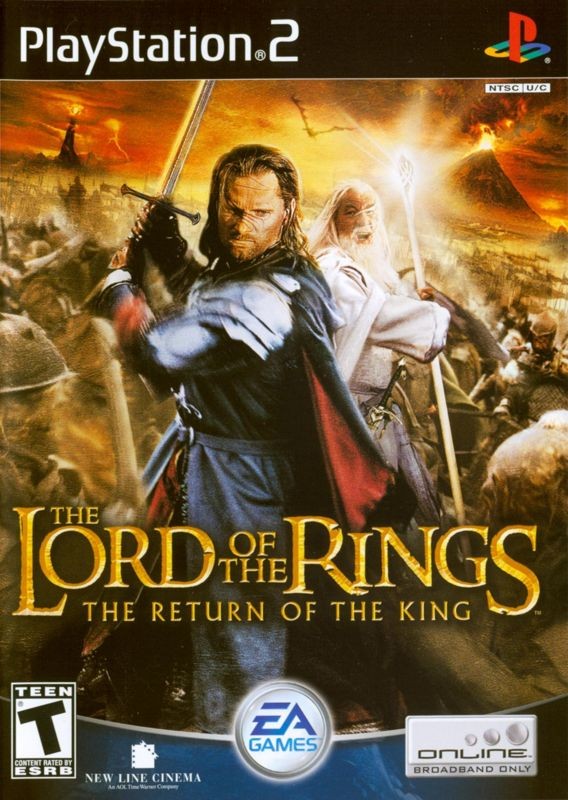
What made The Return of the King (2003) the best-reviewed of EA's film games?
First, the claim checks out on the numbers. Then, the reasons are documented just as clearly.
Why did The Lord of the Rings Online survive when other licensed MMOs died?
It survived by changing how it charged, and by never stopping.
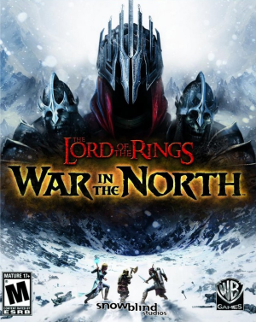
What is War in the North, the M-rated Lord of the Rings game?
It is the first M rated Lord of the Rings game: a 2011 three player co-op action RPG about a second fellowship fighting in the north.
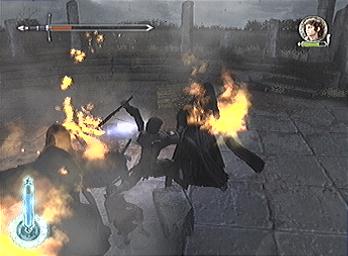
Why did Interplay's Lord of the Rings trilogy never finish?
Nobody documented why. That is the honest answer.
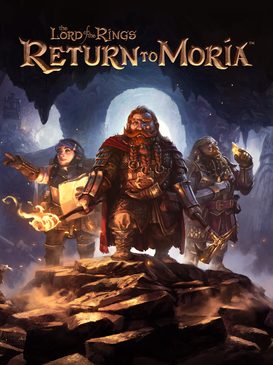
What is Return to Moria, the dwarven crafting game?
It is a co-operative survival game about dwarves rebuilding Khazad-dum after Sauron.
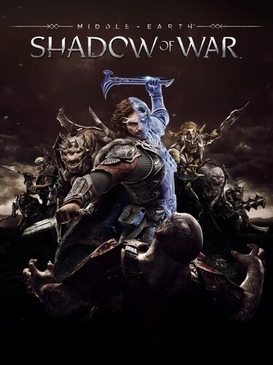
How did Shadow of War's microtransactions change after launch?
They were removed completely: announced April 3, 2018, Gold sales ended May 8, and the Market closed on July 17, 2018.
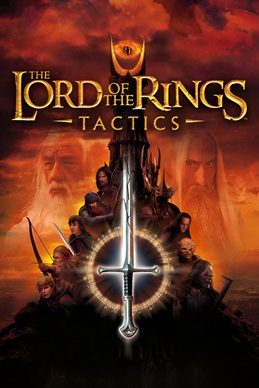
What Lord of the Rings game was a turn-based tactics title on PSP?
The Lord of the Rings: Tactics, Electronic Arts' PSP only tactics game from 2005.
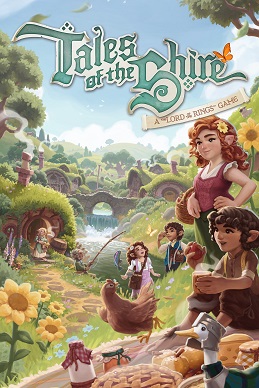
Why is Tales of the Shire a cozy game instead of an adventure?
Because it was built, from its first announcement, as the quiet half of Tolkien.
LUNAR
17 shelves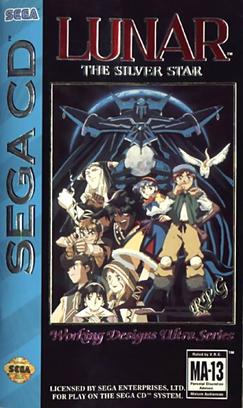
The Lunar Gallery
Every Lunar game documented in release order: The Silver Star and Eternal Blue on Mega-CD, the Saturn and PlayStation remakes, Walking School, Magic School,…
What is Lunar: The Silver Star?
Lunar: The Silver Star (1992): Game Arts and Studio Alex's Mega-CD RPG of Alex, Luna, and the Dragonmaster trials, designed around anime cutscenes, voice acting,…
The History of Lunar
The history of the Lunar series from the 1992 Mega-CD original through Eternal Blue, the Saturn and PlayStation remakes, the handheld years, and the 2025…
Who made Lunar?
Who made Lunar: Game Arts, Studio Alex under Kazunari Tomi, scenario writer Kei Shigema, producer Yoichi Miyaji, designer Toshiyuki Kubooka, and composer…
Who is Toshiyuki Kubooka?
Toshiyuki Kubooka: Lunar's character designer and event-movie director, from Gainax's Gunbuster and Nadia to the Mega-CD original, the Gonzo-animated remake, and…
How were Lunar's anime cutscenes made?
How Lunar's anime cutscenes were made: Kubooka's storyboards and still-frame sequences on Mega-CD, Studio Gonzo's fifty minutes for the 1996 remake, Takeshi…
How many versions of Lunar: The Silver Star are there?
Every version of Lunar's first story: the 1992 Mega-CD original, Saturn Silver Star Story (1996) and MPEG edition (1997), PlayStation Complete (1998), Windows,…
What changed between The Silver Star and Silver Star Story?
The Silver Star (1992) versus Silver Star Story Complete (1996): Ghaleon's rewritten motive, Luna's larger role, visible enemies, the Vile Tribe, the Black…
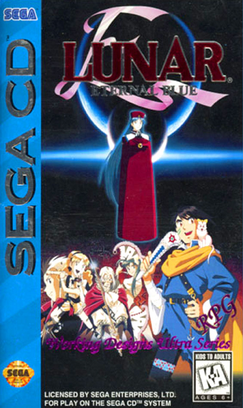
What is Lunar: Eternal Blue?
Lunar: Eternal Blue (1994): the Mega-CD sequel set a thousand years after The Silver Star, introducing Hiro and Lucia, the goddess from the Blue Star, with some…
How many versions of Lunar: Eternal Blue are there?
Every version of Eternal Blue: the 1994 Mega-CD original, Saturn Eternal Blue Complete (1998), the PlayStation remake (1999 Japan, 2000 North America), and the…
Who was Working Designs?
Working Designs: Victor Ireland's California publisher of Lunar, its humor-forward translation philosophy, difficulty tinkering, translation notes, deluxe…
What came in the Lunar collector's editions?
Inside the Lunar collector's editions: Silver Star Story Complete's four discs, soundtrack, Making of, hardbound manual and cloth map; Eternal Blue Complete's…
What are Lunar: Walking School and Magic School Lunar!?
Lunar: Walking School (Game Gear, 1996) and Magic School Lunar! (Saturn, 1997): the Japan-only school gaiden, its three students, and the Saturn expansion with…
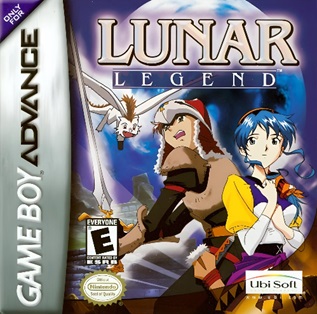
What are Lunar Legend and Lunar: Dragon Song?
Lunar Legend (GBA, 2002) and Lunar: Dragon Song (DS, 2005): the Ubisoft-era handhelds, a compressed Silver Star with a card game inside, and the prequel a…
What is the Lunar Remastered Collection?
The Lunar Remastered Collection (GungHo, April 18, 2025): both PlayStation remakes restored for Switch, PS4, Xbox One, and Steam, with a new English dub, Classic…
What Lunar manga and novels are there?
Lunar in print: Kei Shigema's Silver Star Story novelizations, Akari Funato's Childhood's End and Lunatic Parade manga, the Eternal Blue manga, Hiroko Touda's…
Why does Lunar's fan base endure?
Why Lunar's fan base endures: the warmth thesis, the songs, LunarNET and the fan translators, the remake chain that never let the story lapse, and the 2025…
LUPIN III
23 shelves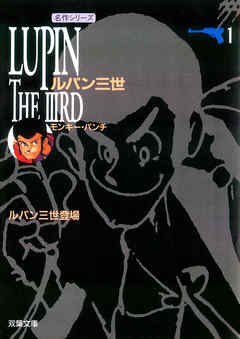
The History of Lupin the Third
From a three-month manga commission in 1967 to seven television series, a Miyazaki classic, and a near-yearly run of TV specials: the documented history of Lupin…
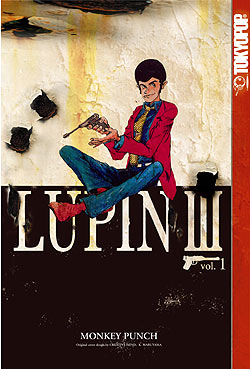
The Lupin III Manga Gallery
The Lupin III manga as physical books: the Futabasha and Chuokoron-Shinsha Japanese editions, Tokyopop’s 2002–2004 English run, and Seven Seas’ hardcover…
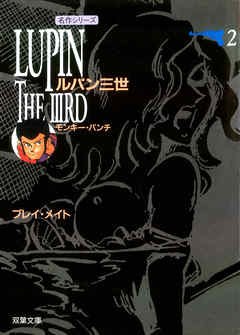
What is the original Lupin III manga?
Monkey Punch’s 1967–1969 Lupin III: 94 chapters in Weekly Manga Action, a seinen comic far darker and wilder than the family-friendly anime that followed.
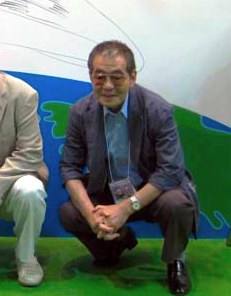
Who is Monkey Punch?
Kazuhiko Katō (1937–2019): the Hokkaidō artist who took a pen name he disliked for a three-month job and drew one of manga’s permanent characters.
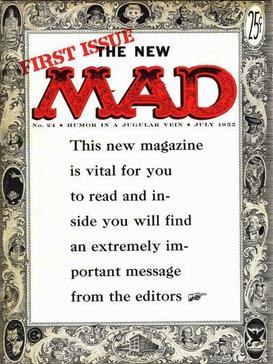
How did Mad magazine shape Lupin III?
Mort Drucker’s line, Mad’s gag machinery, James Coburn’s face: the American comics DNA inside Monkey Punch’s Lupin III, documented.
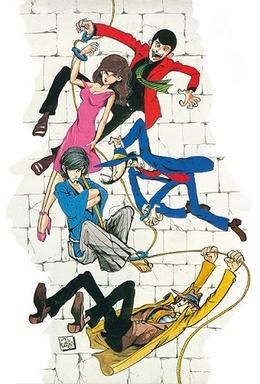
Who are the Lupin III gang?
Lupin, Jigen, Goemon, Fujiko, and the Inspector: the five fixed points of Lupin III, how Monkey Punch built each one, and why they are not really a team.
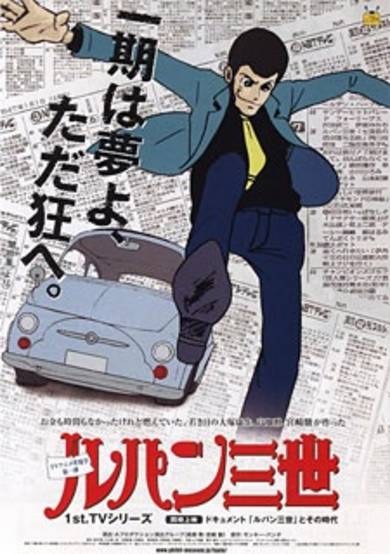
Lupin the Third Part I: the green jacket series
Part I (1971–72): 23 episodes, a hard-boiled start, and the Miyazaki–Takahata takeover that softened Lupin and made him immortal.
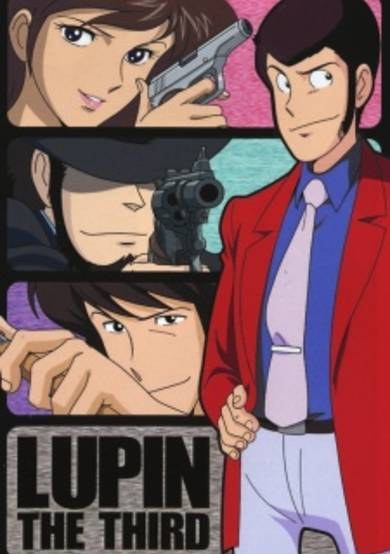
Lupin the Third Part II: the red jacket series
Part II (1977–80): 155 episodes in the red jacket, Yuji Ohno’s theme, Miyazaki’s farewell episodes, and the series that conquered the world.
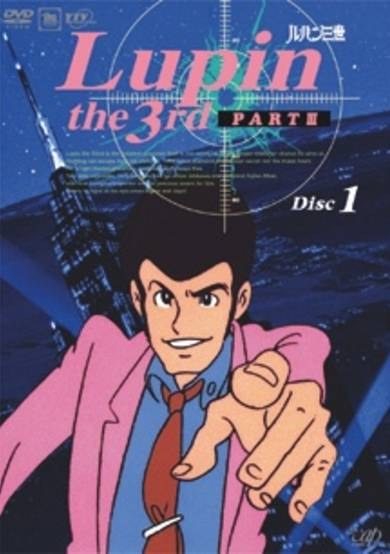
Lupin the Third Part III: the pink jacket series
Part III (1984–85): 50 episodes in pink, the most cartoonish Lupin ever made, and the era the franchise half-tried to forget.
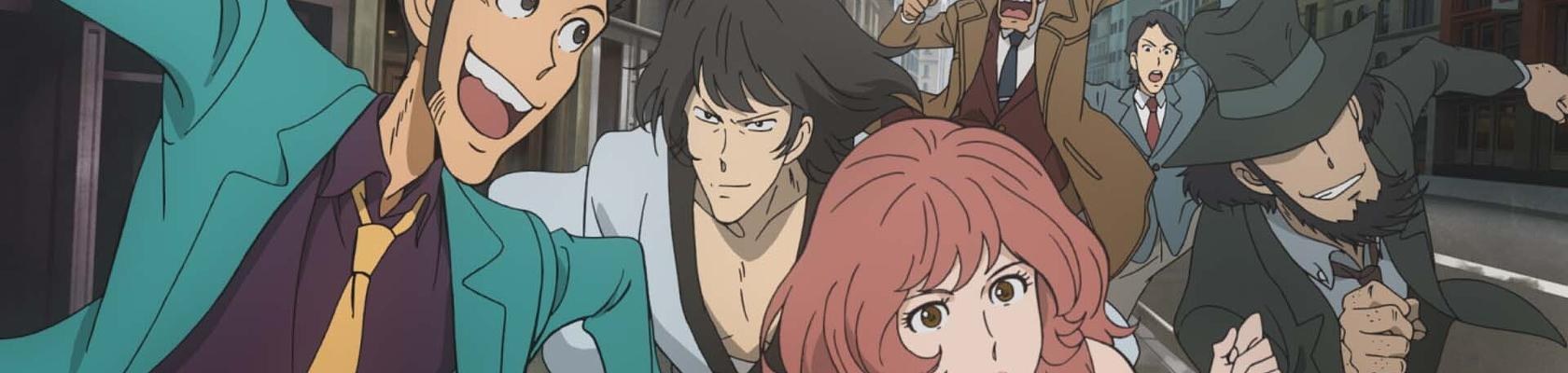
Why does Lupin change jacket colors?
Green, red, pink, blue, and green again: what each of Lupin’s jacket colors actually marks, series by series, and why fans read tone from a wardrobe.
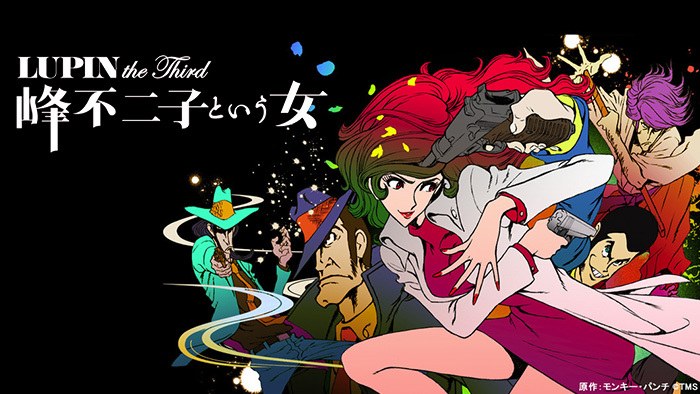
The Woman Called Fujiko Mine
The 2012 series that returned Lupin to Monkey Punch’s page: Sayo Yamamoto directing, Takeshi Koike designing, 13 episodes of the gang’s first meetings.
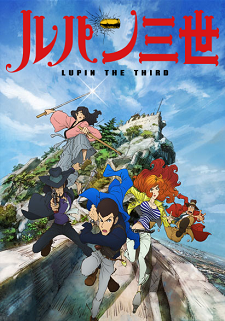
Lupin the Third Part IV: the Italian adventure
Part IV (2015): Lupin in Italy and San Marino, the blue jacket debut, a story-arc structure, and a premiere that happened in Italy before Japan.
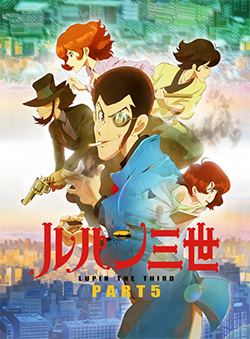
Lupin the Third Part 5: the French homecoming
Part 5 (2018): 24 episodes set in France, the homeland of Arsène Lupin, with jacket-color homages woven into the season.
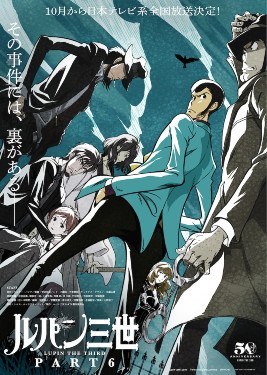
Lupin the Third Part 6: the fiftieth anniversary
Part 6 (2021–22): Sherlock Holmes, a green jacket restored, Kiyoshi Kobayashi’s farewell as Jigen after 52 years, and Lupin Zero.
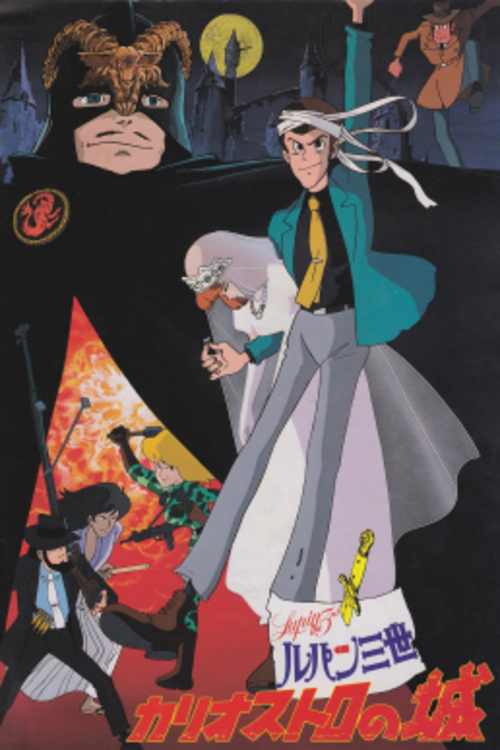
The Castle of Cagliostro
Hayao Miyazaki’s 1979 feature debut: made in seven and a half months, a flop on release, and now the most beloved Lupin III film ever made.
The Mystery of Mamo
The first Lupin III animated feature (1978): Sōji Yoshikawa’s science-fiction caper, and the film that filled half of America’s Cliff Hanger arcade game.
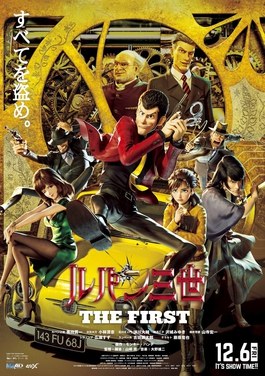
Lupin III: The First
The 2019 CGI feature directed by Takashi Yamazaki: the franchise’s first fully CG film, openly built on the bones of The Castle of Cagliostro.
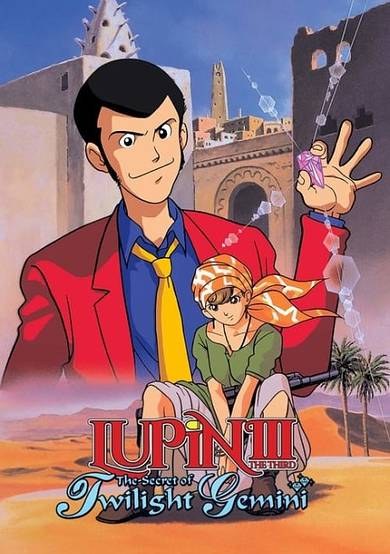
The Lupin III TV specials
From Bye Bye, Lady Liberty (1989) to the end of the yearly run in 2013: how the Lupin TV specials became a quarter-century Japanese institution.
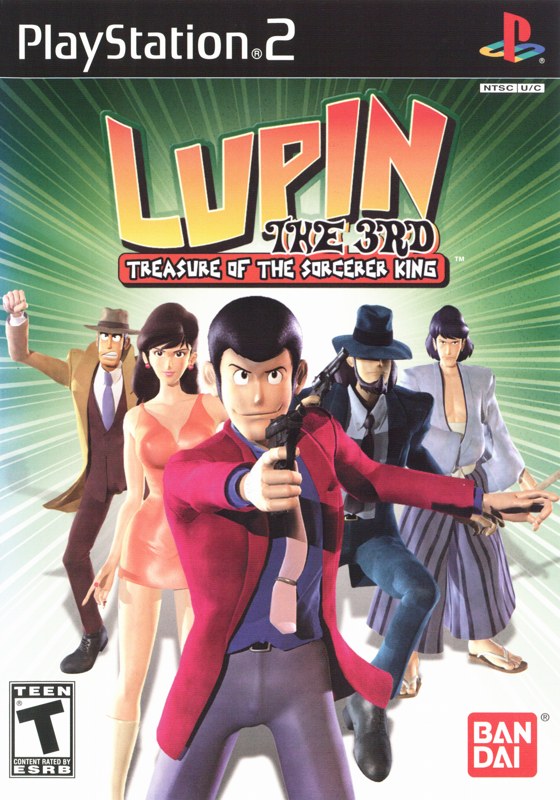
Lupin III video games
From Taito’s 1980 stealth arcade game to the PS2’s Treasure of the Sorcerer King: forty years of Lupin III games, documented platform by platform.
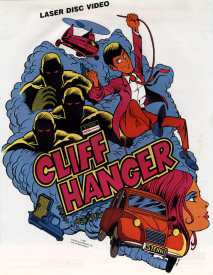
What was Cliff Hanger?
Stern’s 1983 laserdisc arcade game: two Lupin films re-cut into an American game, a hero renamed Cliff, and Miyazaki’s accidental US debut.
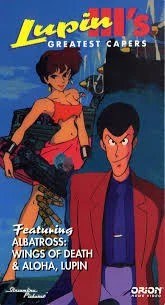
Why was Lupin called “the Wolf” in America?
The Leblanc estate, a name taken without permission, Edgar in France, the death of Lupin VIII, and the 2012 public-domain date that freed the name.
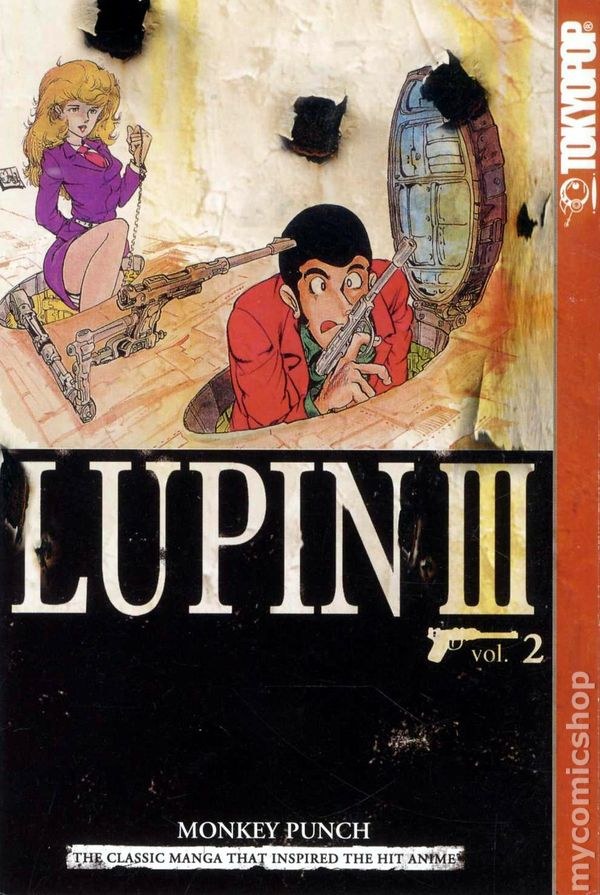
Lupin III manga in English
Tokyopop’s complete 14-volume run (2002–2004), the abandoned World’s Most Wanted, and Seven Seas’ hardcover revival: Lupin’s English print history.
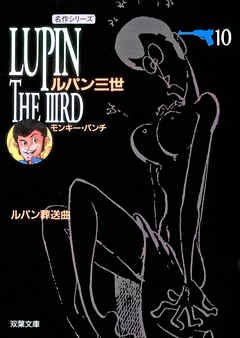
How to collect the Lupin III manga
Two rival Japanese publishers, a split edition history, and three English eras: a field guide to identifying Lupin III manga editions before you buy.
MAGIC KNIGHT RAYEARTH
13 shelvesThe Magic Knight Rayearth Manga Gallery
Every Japanese tankobon of CLAMP’s Magic Knight Rayearth, parts I and II: six Kodansha volumes from 1994 to 1996, with release dates and ISBNs.
The History of Magic Knight Rayearth
Magic Knight Rayearth from a 1993 Nakayoshi serial to the 2026 remake anime: the manga, the TMS series, the OVA, the last American Saturn game, and four English…
How Was Magic Knight Rayearth Created?
How CLAMP built Rayearth for Nakayoshi: an editor’s commission, Sailor Moon’s shadow, a formula of robots plus RPGs plus fantasy, and names borrowed from cars.
Why Does the Rayearth Anime End Differently from the Manga?
The Rayearth anime’s second season departs from CLAMP’s manga: anime-only villains Nova and Lady Debonair, a dead Presea, and a different road to the same refusal.
What Is the Rayearth OVA?
Rayearth, the 1997 three-part OVA: CLAMP’s story retold as a dark fantasy invasion of Tokyo, with the same cast in a different story entirely.
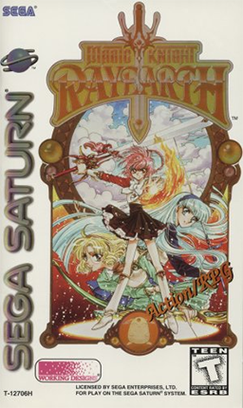
What Magic Knight Rayearth Games Are There?
The Rayearth games, 1994 to 2021: the Saturn action RPG, Super Famicom and Game Boy RPGs, Game Gear and Pico oddities, and the Super Robot Wars crossings.
How Did Rayearth Become the Last Saturn Game in America?
The Saturn Rayearth was announced with the console in 1994, released in Japan in 1995, and shipped in America on December 11, 1998: the last Saturn game there.
What Is the New Magic Knight Rayearth Anime?
The 2026 Magic Knight Rayearth remake: announced July 2, 2024 for the anime’s 30th anniversary, premiered October 7, 2026, by TMS and E&H Production.
What Are the English Editions of Magic Knight Rayearth?
Rayearth in English, four times over: Tokyopop’s flipped MixxZine-era volumes, the unflipped re-release, Dark Horse’s omnibus, and Kodansha’s anniversary hardcovers.
Who Are the Magic Knights?
Hikaru Shidou, Umi Ryuuzaki, and Fuu Hououji: three eighth-graders, three elements, three Rune-Gods, and a cast named after cars.
What Is Mokona?
Mokona, the Magic Knights’ white guide: a manjū-like creature who says only “Puu,” feeds the party from the gem in its forehead, and is not what it seems.
How Can You Tell a First Printing of Rayearth?
Identifying first printings of Magic Knight Rayearth: the six Kodansha ISBNs and dates, and how to separate Tokyopop’s flipped first edition from its unflipped…
What Are the Rune-Gods?
The Mashin of Cephiro: Rayearth the fire wolf, Selece the water dragon, and Windam the wind bird, living gods who are also giant robots.
MARVEL HEROES
3 shelves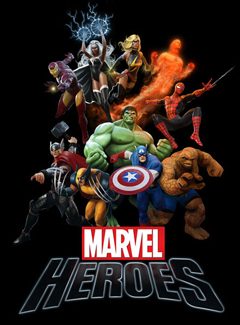
What is Marvel Heroes, the Diablo-style Marvel RPG?
A deliberate post-vintage exception, shelved at the owner's request for the Brevik lineage: the free 2013 Marvel action RPG Diablo's creator built at Gazillion.
What did Diablo's creator change when he made a Marvel game?
The systems Brevik carried over from Diablo, the ones he replaced for a free Marvel MMO, and the 2017 redesign he did not make.
Why did Marvel Heroes shut down in 2017?
Disney ended the licence without stating a cause; the servers closed on November 27, 2017, and the reported accounts are labeled here as reported, not established.
MEDIEVIL
6 shelves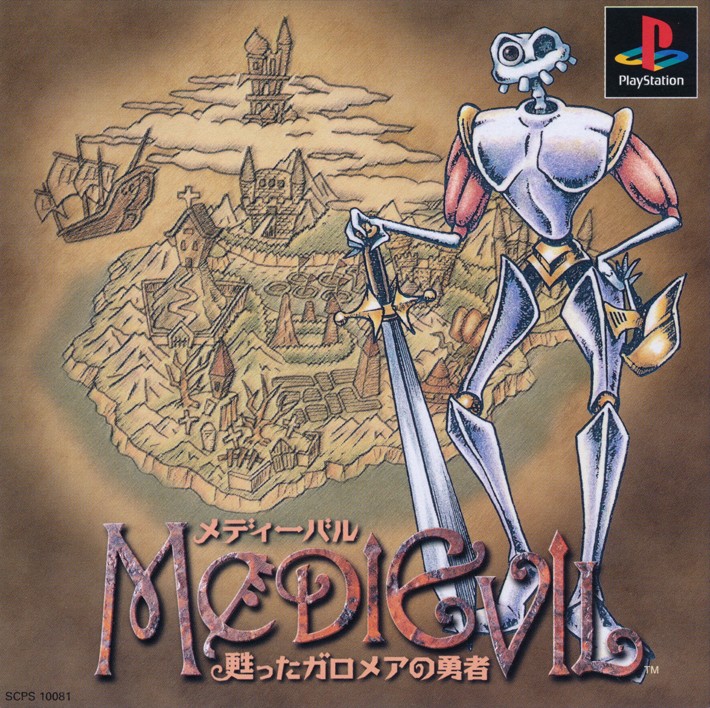
The MediEvil Gallery
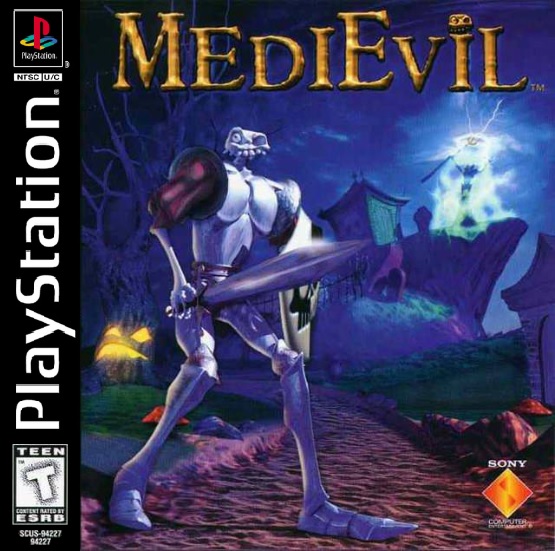
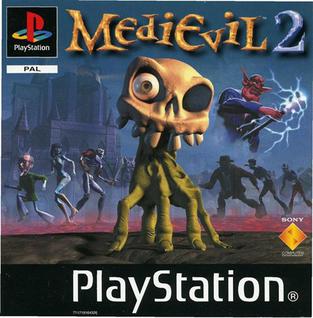
Sir Daniel Fortesque's boxes side by side: the European, American, and Japanese covers, the helmet Japan added, with both histories and the questions behind them.
The History of MediEvil
Millennium Interactive's 1998 original: Chris Sorrell, the Sony buyout, Sir Daniel's design, the editions, the scores, and the 2019 remake.
The History of MediEvil 2
The 2000 sequel in Victorian London: James Shepherd, Lord Palethorn, the Dan Hand, the BAFTA win, and the scores.
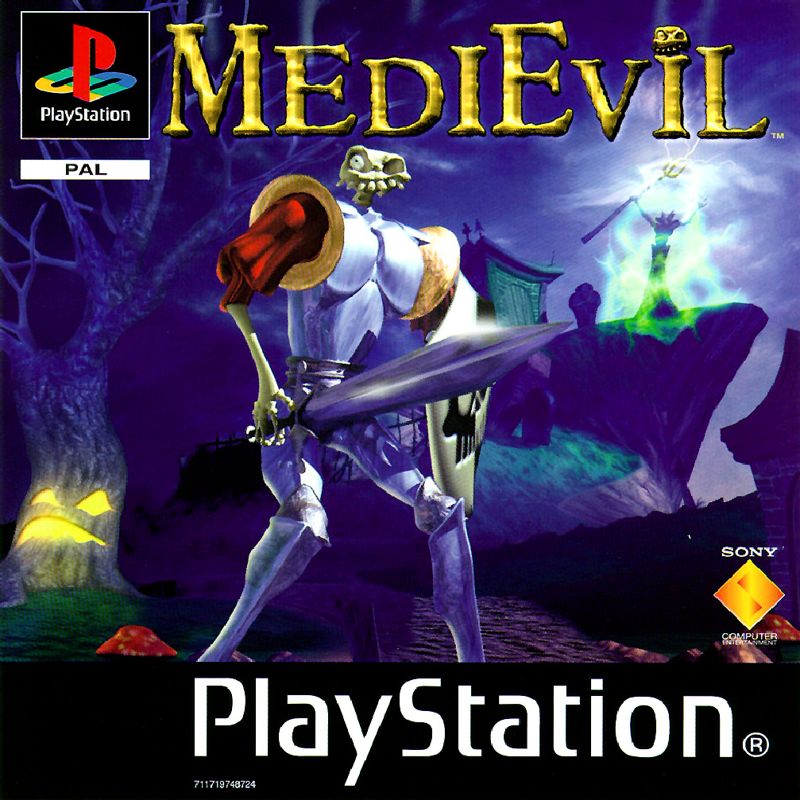
What inspired MediEvil?
Ghouls 'n Ghosts drawn by Tim Burton, in creator Chris Sorrell's own pitch.
How was MediEvil released in Japan?
Last, renamed, and re-covered, and the skeleton hero proved a strange sell.
Why does Sir Daniel Fortesque have one eye?
The first arrow of the battle he never fought took it, and the king covered the story up.
MEGA MAN
31 shelfs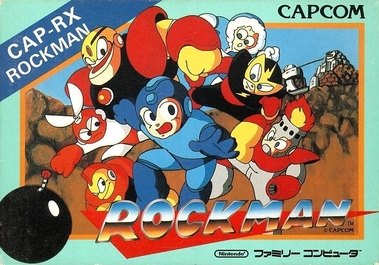
The Mega Man Gallery
The Japanese and American boxes for the classic series side by side, from the 1987 original to Mega Man 11, with their histories and the questions behind them.
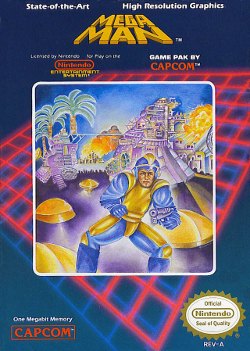
The History of Mega Man
Capcom's six person team invents the template in 1987: Kitamura's concept, Inafune's art, Matsumae's three note score, and a sleeper hit.
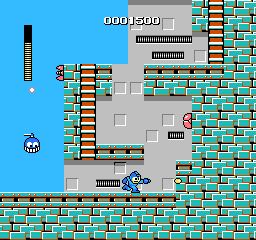
What inspired Mega Man?
Astro Boy, on the artist's own record, plus American comics, Santa Claus and Einstein, and a Famicom palette with more blues than anything else.
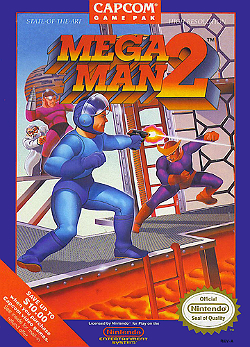
The History of Mega Man 2
The sequel Capcom never ordered, built in the team's own time in three to four months, with 8,370 fan boss designs and Tateishi's soundtrack.
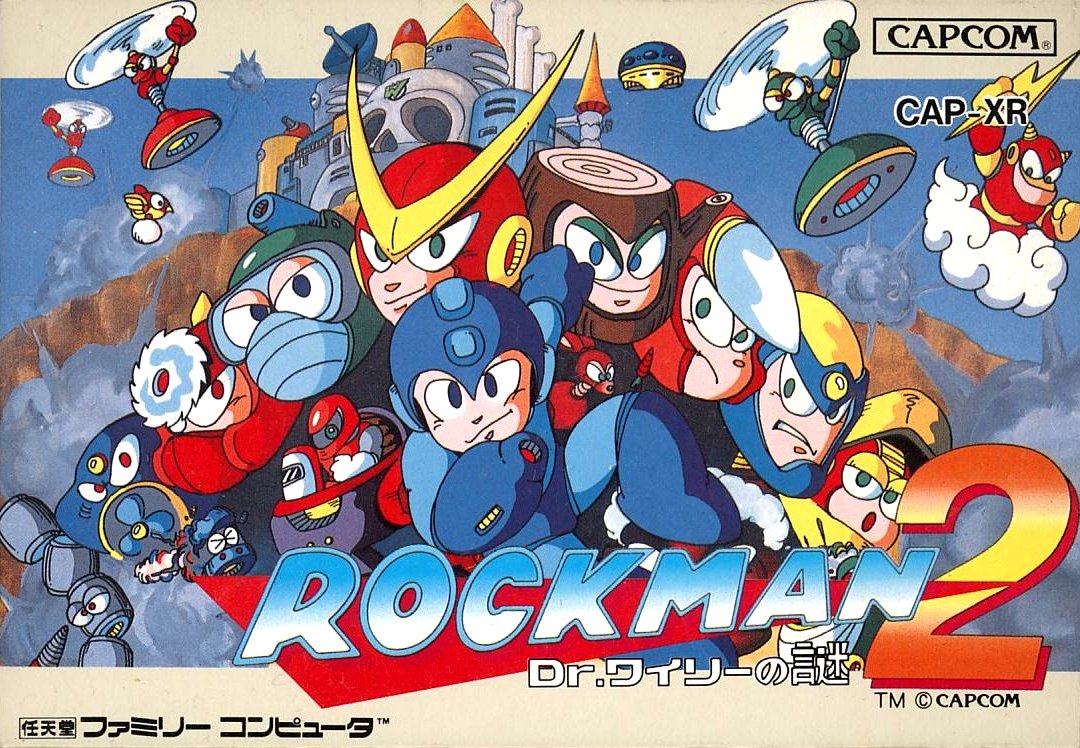
Why was Mega Man 2 the best-selling Mega Man game for thirty years?
1.51 million copies from an unauthorized side project that fixed every complaint on the list, until Mega Man 11 finally passed it.
Why is Mega Man 2's Dr. Wily theme so famous?
Takashi Tateishi built it from eight measures repeated under data limits, and the rankings canonized the compromise.
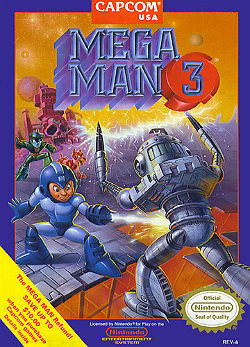
The History of Mega Man 3
Rush, the slide, and a brother named Blues, shipped in September before it was ready, over Inafune's on record protest.
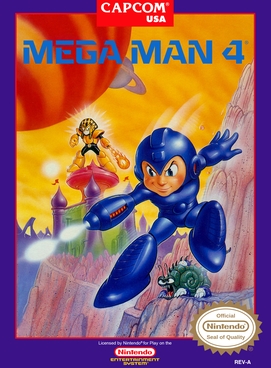
The History of Mega Man 4
Dr. Cossack, the charge shot, 70,000 contest drawings, and the eight golden cartridges that are now among the rarest objects in the hobby.
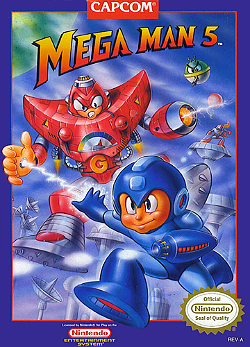
The History of Mega Man 5
Proto Man framed by an impostor, the Nintendo Power contest's 130,000 submissions, and Beat, the bird held over from Mega Man 3.
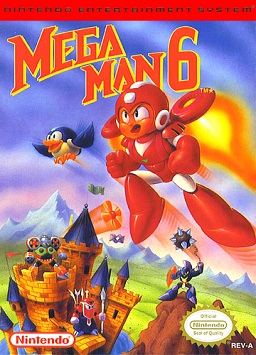
The History of Mega Man 6
The last NES entry, published in America by Nintendo after Capcom passed, with two Robot Masters designed by North American fans.
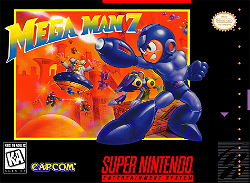
The History of Mega Man 7
Three months, 220,000 contest drawings, a rival named Bass, a versus mode built in two days, and an ending America and Japan wrote differently.
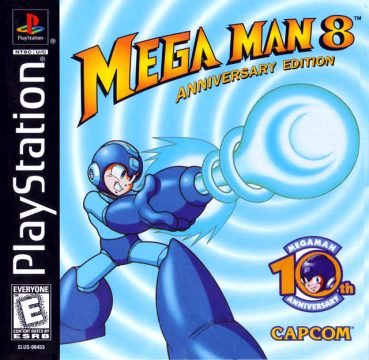
The History of Mega Man 8
The tenth anniversary game: anime cutscenes, Duo and the Evil Energy, and the Saturn version that kept the extra bosses and songs.
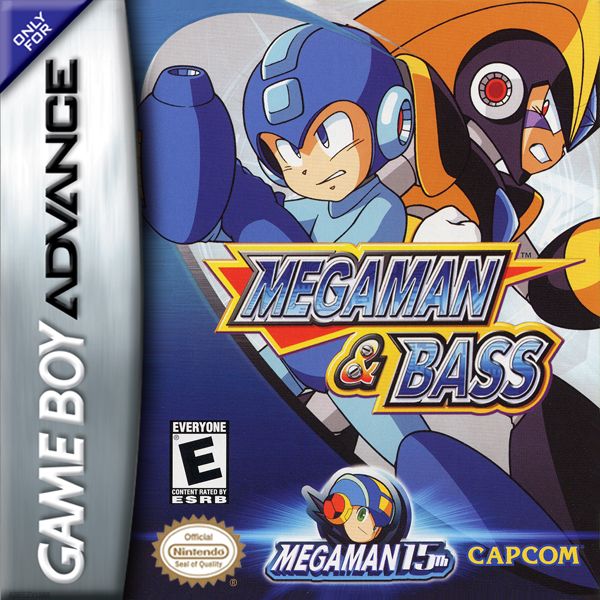
The History of Mega Man & Bass
Rockman & Forte, the Mega Man 8.5 built for Super Famicom players in 1998, King's robot rebellion, and the 100 CD database.
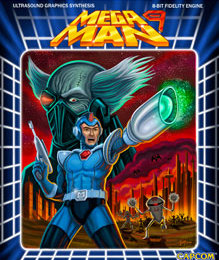
The History of Mega Man 9
The 2008 download revival: an engine that simulates an NES, Splash Woman, and fake box art embracing the worst cover in the medium.
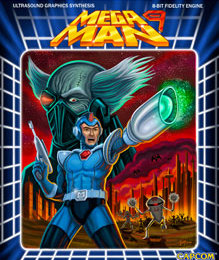
Why did Mega Man 9 go back to 8-bit?
Capcom's management wanted 3D. The team wanted to surpass Mega Man 2, and called the result the new Mega Man 3.
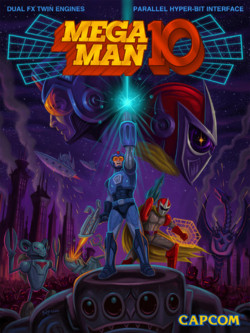
The History of Mega Man 10
Roboenza, the Easy Mode answer to Mega Man 9, and a soundtrack written by the returning composers of the first seven games.
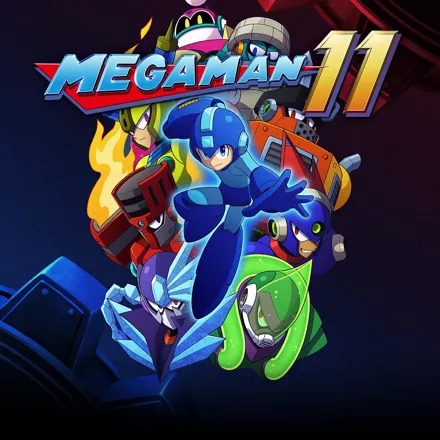
The History of Mega Man 11
The Double Gear, the 30th anniversary return, and the sales that finally passed Mega Man 2 to become the franchise record.
Why did Mega Man 11 take eight years?
Inafune left Capcom in 2010, and nobody would step up and become the new Mega Man guy, until Koji Oda did.
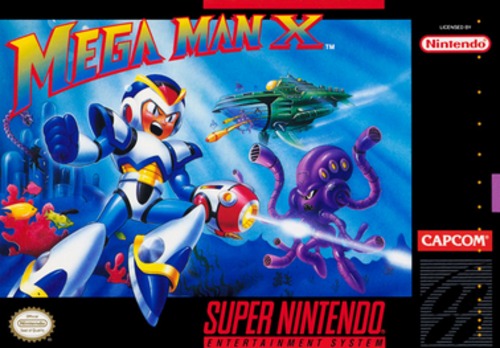
The History of Mega Man X
Capcom's 1993 reinvention: the mature storyline, the armor capsules, Zero's origin as the intended hero, and the 1.165 million selling Super NES flagship.
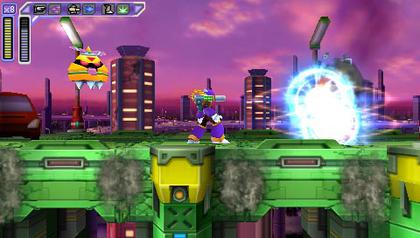
Why does Mega Man X open with an unbeatable boss fight?
Vile cannot be beaten in the opening, and the game states why in dialogue: X has not reached full power yet, and the armor system is the promise made playable.
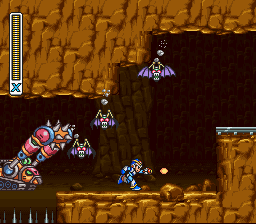
What inspired Mega Man X?
Inafune's redesign that became Zero, Kaji and the Super NES palette, and armor parts borrowed from the RPG boom, all on the designers' record.
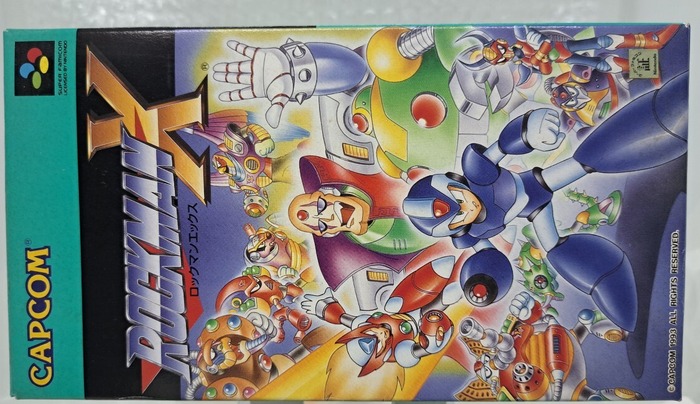
Who wrote the music for Mega Man X?
Setsuo Yamamoto wrote the vast majority alone. Four colleagues rescued one or two tracks each, and two of them went on to lead X2 and X4.
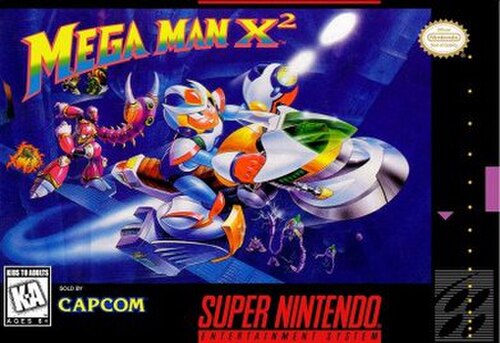
The History of Mega Man X2
The X-Hunters ransom Zero's body parts, the Cx4 wireframe chip, Yuki Iwai's score, and the sequel reviewers called improved in almost every way.
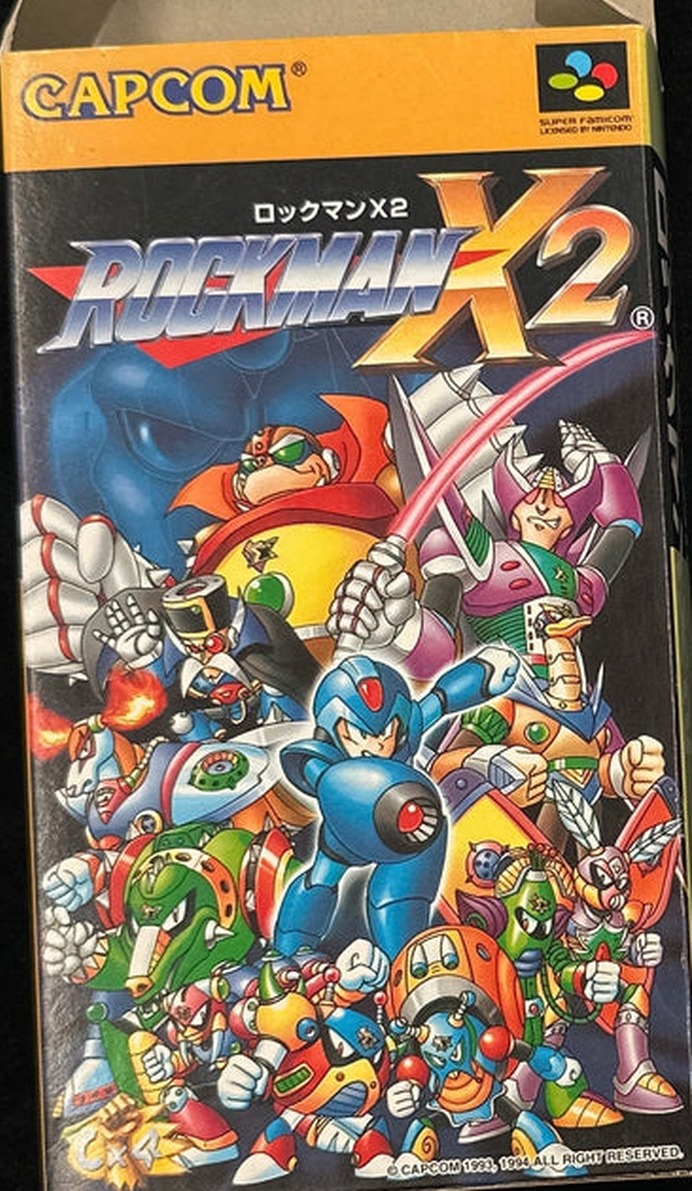
Why does Zero keep dying and coming back?
His designer called keeping him dead a shame, built a sequel around his ransomed parts, and planned his final death for a finale that moved.
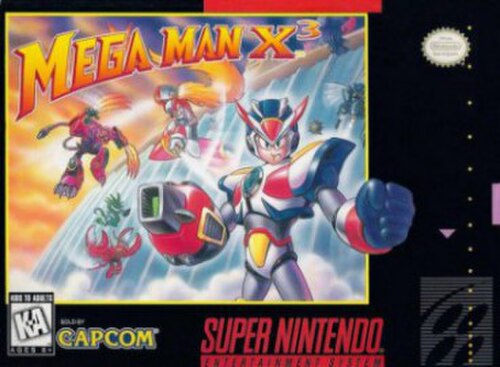
The History of Mega Man X3
The first playable Zero, an outsourced production Inafune called psychological turmoil, and the 32 bit editions North America never received.
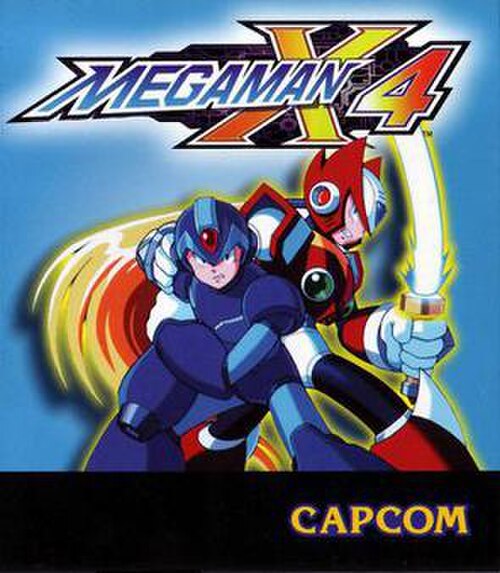
The History of Mega Man X4
Two full campaigns for X and Zero, an army granted moral leeway, and the American PlayStation release Sony nearly refused.
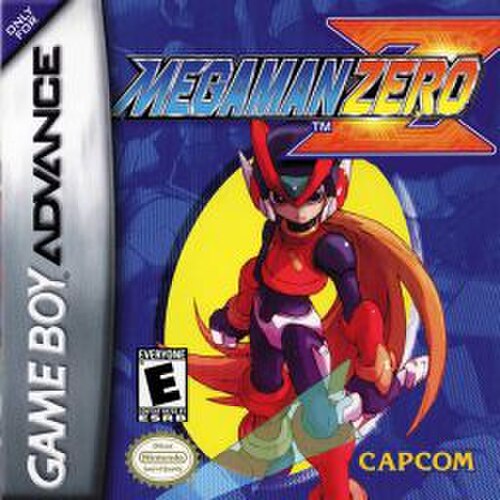
The History of Mega Man Zero
Inti Creates with free rein: a century after the X series, a copy of X on the throne, and a villain who was nearly the original himself.
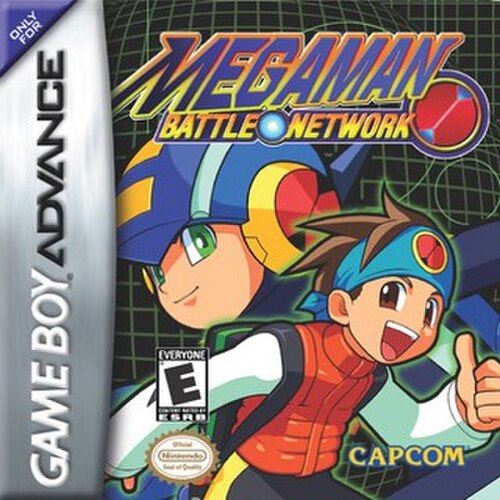
The History of Mega Man Battle Network
Lan Hikari and MegaMan.EXE: the internet world, the three by six grid, the folder of 30 Battle Chips, and the hit that launched with the Game Boy Advance.
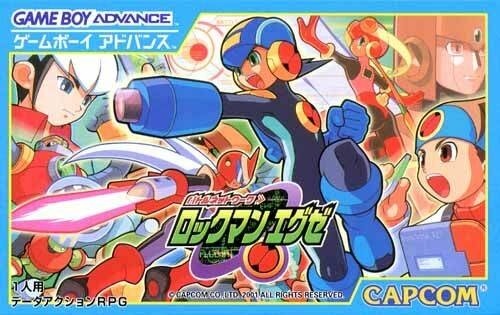
Why did Battle Network reimagine Mega Man as a card RPG?
The developers on record: a heartbeat horror game that failed, a card boom ridden on Capcom's terms, Pokemon, and the network society.
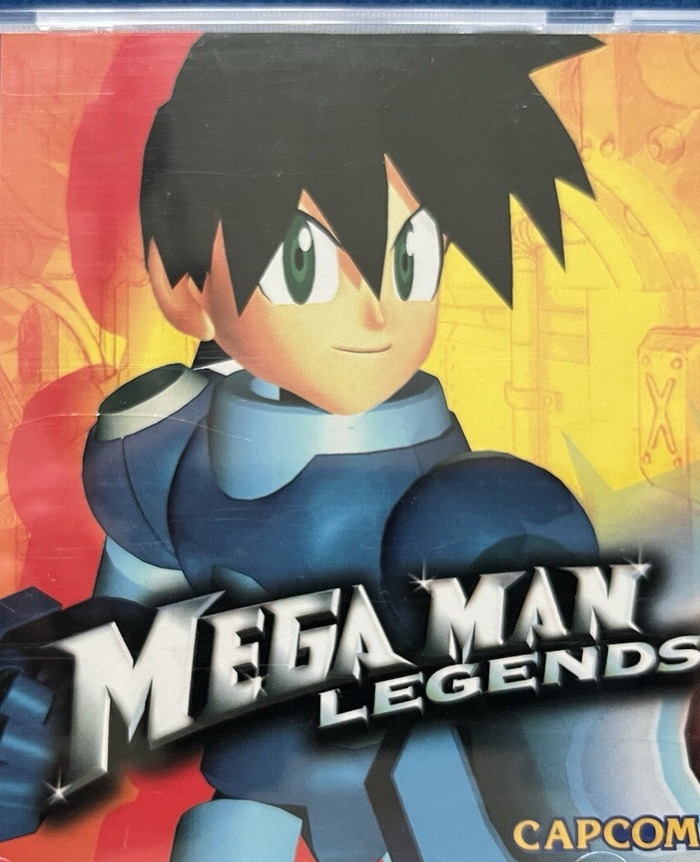
The History of Mega Man Legends
The first fully 3D Mega Man: Volnutt the digger on a flooded Earth, Inafune's favorite game in the franchise, and the cliffhanger that never resolved.
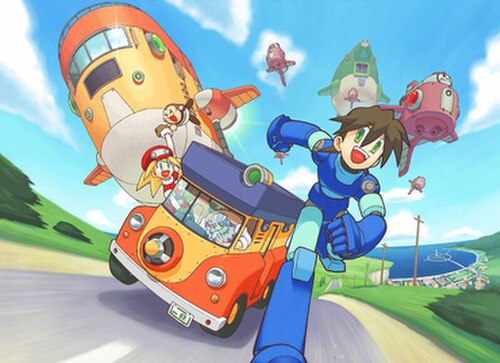
Why was Mega Man Legends 3 cancelled?
Capcom's only official reason was an internal assessment the project failed. The participation gloss, the Inafune denial, and the fan campaign, kept apart.