
What changed between The Silver Star and Silver Star Story?
Same quest, different soul: the remake kept the map and rewrote the meaning.
Silver Star Story is not a port with better film. Game Arts rebuilt the game on Saturn (1996) to match the vision the Mega-CD could not hold, and the changes run to the story's core: the villain's reason, the heroine's role, and the fate of whole peoples differ between the two tellings. This is the comparison the series' endless remake debate is actually about.
THE TWO BOXES
Mega-CD 1992 · PlayStation 1999
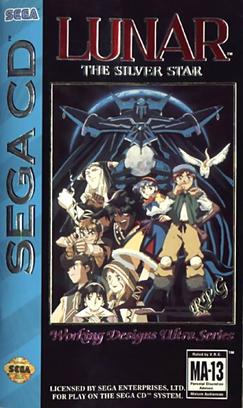
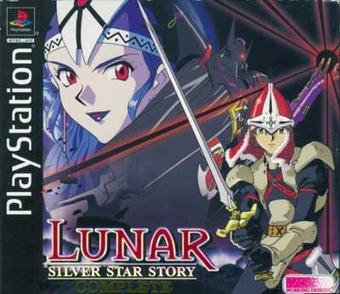
Both boxes promise the same journey to the Goddess Tower. Only one of them ends the way the other begins to explain.
THE STORY CHANGES
What the remake rewroteGhaleon's motive
1992: revenge for Dyne's death. 1996: philosophy. The remake's Ghaleon watched Althena choose to be reborn mortal so humanity would stop depending on her, concluded mankind cannot survive unguided, and set out to take her place. A sympathetic fanatic replaced a grieving one, and the series' most quoted performance deepened with him.
Luna stays
In the original, Luna leaves the party at Saith and waits in Burg; Jessica becomes the healer. The remake keeps Luna aboard ship (where she sings Wind's Nocturne), gives her dream sequences and a past, and holds her beside Alex until Ghaleon takes her. The emotional math of the whole game changes.
The Black Dragon and the Vile Tribe
The original's Black Dragon has gone insane, an undead horror, and its Vile Tribe are human-looking people, some loyal to Ghaleon, some enslaved to dig the Grindery's ore. The remake softens the dragon and renders most of the Vile Tribe as monsters. Whole essays live in this paragraph.
THE SYSTEM CHANGES
What the remake rebuiltEncounters and scale
Random battles give way to visible enemies (and none on the overworld); Alex's seventeen spells become eight; dungeons shrink and sharpen. Nearly every system was adapted from Eternal Blue, the sequel instructing its own prequel.
Bosses that scale
The remake's bosses scale their abilities to the party's level without limit, a Working Designs-era talking point in the West, where the localization also trimmed experience and silver by design.