The History of Halo 3
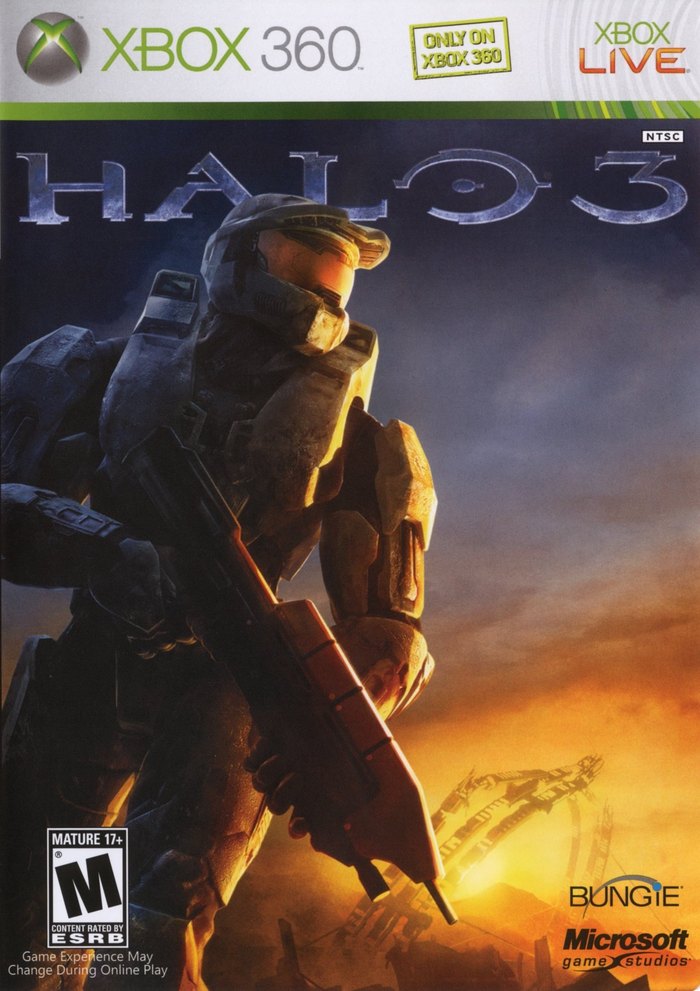
Halo 3 (Xbox 360, 2007) closed the trilogy Bungie had never planned, adding the Forge map editor and saved films that turned players into builders and directors. Microsoft spent $40 million marketing it; the game grossed $170 million in its first day, sold more than 14.5 million copies, and was the best-selling game of 2007 in the United States. In Japan, it did something no Xbox 360 exclusive had done: it debuted at number one.
THE MAKING
A calmer studio, a bigger stageHalo 2 was meant to end the story; its development difficulties cut the final act and left the cliffhanger, so Bungie began Halo 3 shortly after Halo 2 shipped, viewing it as a chance to do right by fans. The start was leaderless: Jason Jones took a sabbatical, writer Joseph Staten stepped away after conflicts, and the story was drafted by committee before composer Martin O'Donnell, fresh from the film Serenity, insisted that characters should die to raise the stakes. Staten returned to edit the result.
Compared with Halo 2, staff recalled the production as much smoother, with time to prototype and playtest properly. Designer Max Hoberman spent a year restoring the online systems to parity with Halo 2 on the new console before new features could start. The game was announced with a real-time trailer at E3 2006, and its multiplayer, plus saved films and file sharing, was beta tested by more than 800,000 players who reached it through the game Crackdown.
The marketing aimed past the faithful: a $40 million campaign, an alternate reality game called Iris, and the Believe campaign of dioramas and veteran testimonials, built to sell consoles as much as discs.
THE DESIGN
Forge, films, and four ChiefsThe campaign completes the war against the Covenant and the Flood, and for the first time co-operative play gives each player a distinct soldier: the Master Chief, the Arbiter, and two named Elites. Campaign scoring, hidden skulls that modify the game, and deployable equipment, bubble shields, flares, shield drains, widened the sandbox the series was known for.
The additions that outlasted the campaign are the creative tools. Forge lets players enter a multiplayer map and rearrange its weapons, vehicles, and objects in real time, within a budget. Saved films record whole matches for replay from any angle, and a file share system let players upload films, screenshots, and custom variants to Bungie's website for anyone to download. Reviewers singled out exactly these features: the game treated its players as authors, not only as shooters.
THE EDITIONS
Three boxes, one helmetTHE RECEPTION
Acclaim, with the dissent keptFirst-day sales reached $170 million in the United States, breaking Halo 2's record, and passed $300 million worldwide in the first week; more than a million people played on Xbox Live in the first twenty hours, then the biggest day in the service's history. Advertising Age reported that film executives blamed the launch for a 27 percent dip in that week's box office against the previous year.
THE LEGACY
The end Bungie choseHalo 3 was the last Halo Bungie had agreed to make before regaining its independence, and the studio treated it as a farewell: the trilogy's story closes, the memorial scene plays, and the Chief goes back into cryosleep with the line "Wake me when you need me." The franchise passed to 343 Industries, which continued it with Halo 4 in 2012. The original trilogy's shape, three games across two consoles, with the covers converging from a Japanese visor to a shared painting, is the shelf this gallery documents.
THE GAME ON THE SHELF
Halo 3 · Xbox 360