How was the Halo theme written?
In July 1999 Bungie needed music for the Macworld reveal of Halo, and it needed it within the week. Cinematics director Joseph Staten's brief to composers Martin O'Donnell and Michael Salvatori, partners in the Chicago jingle house TotalAudio, is preserved in O'Donnell's own contemporary Q and A: the piece had to be big, exciting and unusual, with a classical orchestra touch to give it weight and stature, and some sort of ancient feel. They worked on it over the weekend. It was recorded on the Monday morning and flown to New York that night.
The ancient feel became Gregorian chant. O'Donnell, who had studied medieval music, has said he laid down the core melody during the half hour drive to Salvatori's studio house, and built the piece with flexible, in his word smushy, opening and closing sections that could stretch or shrink to fit a presentation of unknown length around a driving rhythmic middle. The chant itself was sung by five voices: O'Donnell, Salvatori and three colleagues from their jingle work, over string players drawn from Chicago's symphony and lyric opera orchestras, plus percussion and a touch of Qawwali style voice.
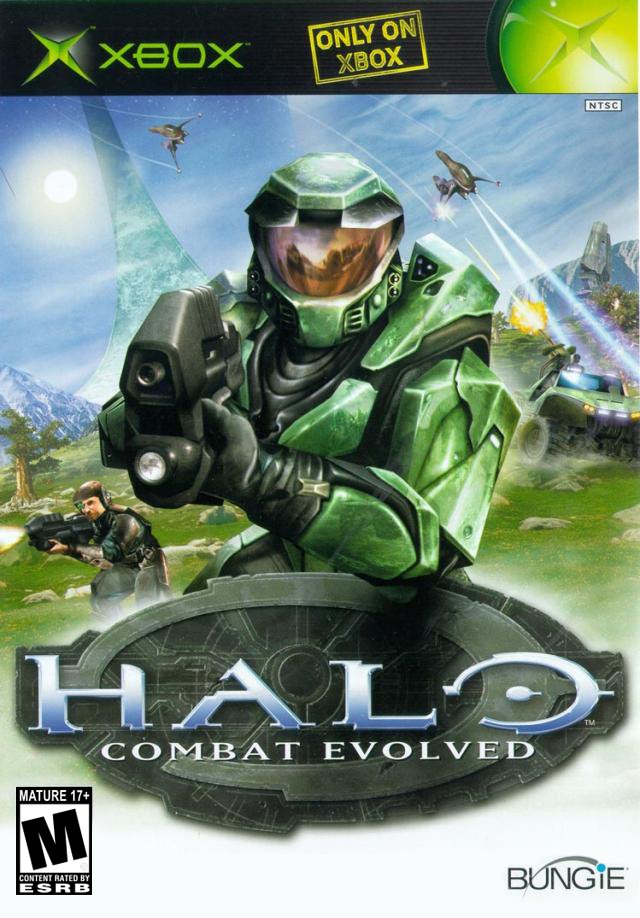
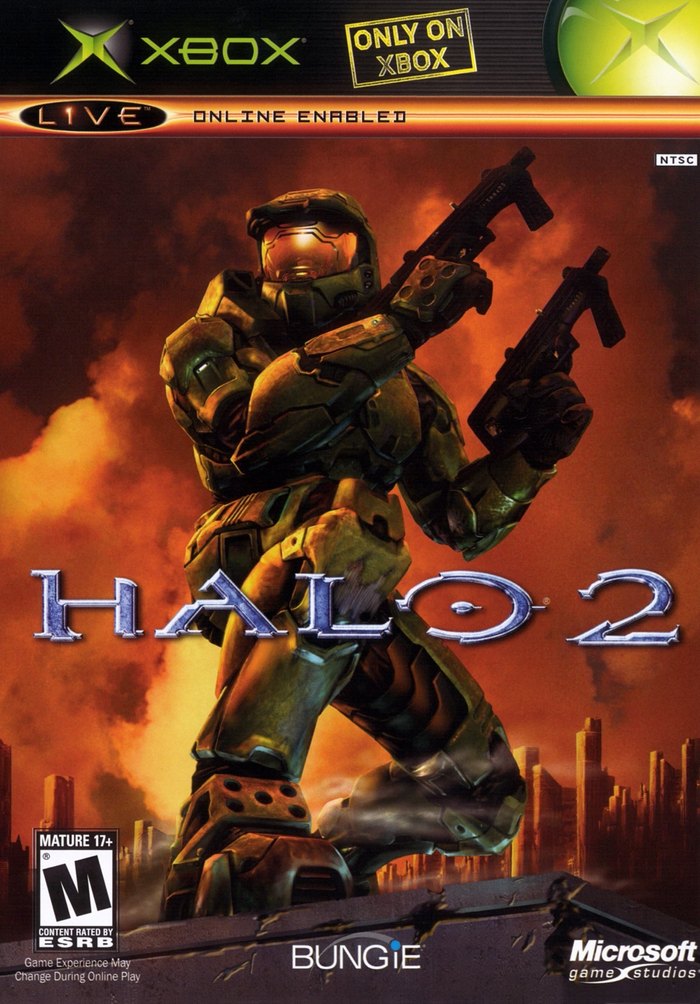
Nobody at Bungie heard it until the Monday afternoon. It became, immediately, the signature sound of the series, and O'Donnell described the recipe that followed from it as a little Samuel Barber meets Giorgio Moroder. The commercial afterlife outran every expectation of a demo track: the Halo 2 soundtrack release became the best selling video game soundtrack in the United States to that point, and the first to break into the Billboard 200. The chant written in a car is now the sound a generation hears when it thinks of space opera.
THREE DAYS IN JULY 1999
Brief, drive, recording, planeTHE AFTERLIFE
From demo track to signature