
THE LIBRARY
Collector guides, cover censuses, and edition answers, documented issue by issue. Every page answers one specific question, completely.
SPY X FAMILY
20 shelves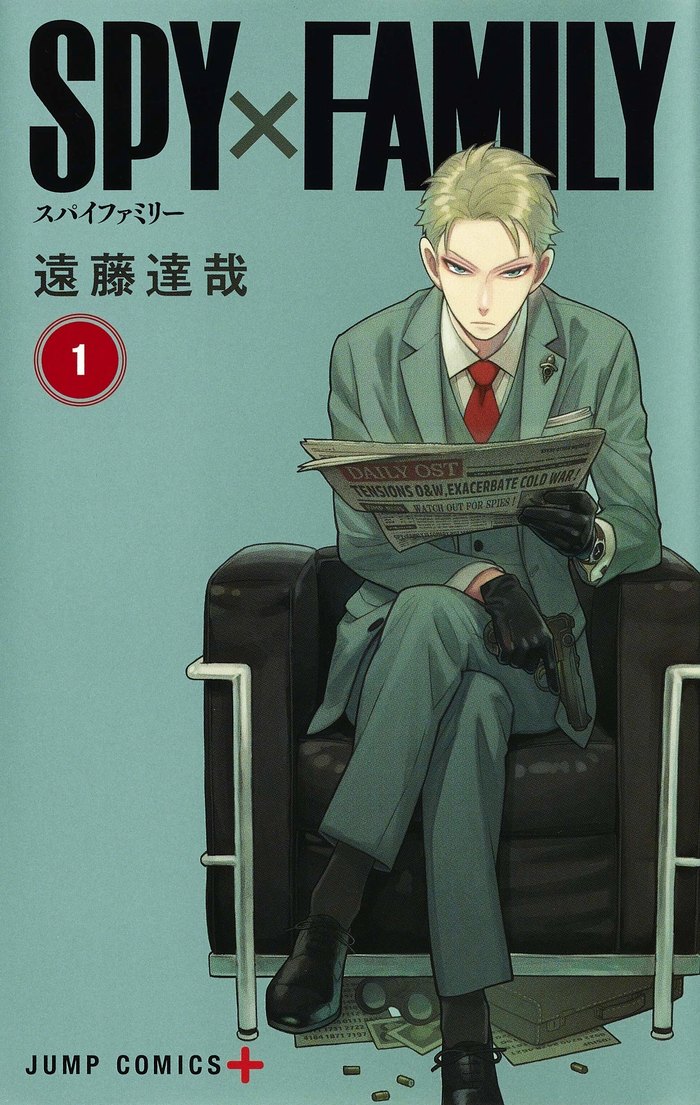
Did the Spy x Family mangaka hate the series?
He said a narrower thing. The record, the quote, and the headlines that widened it.
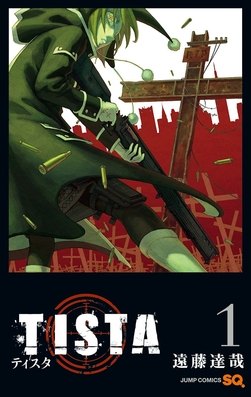
What inspired Spy x Family?
Two cancelled series, three one-shots, and an editor's ban on drawing anything dark.
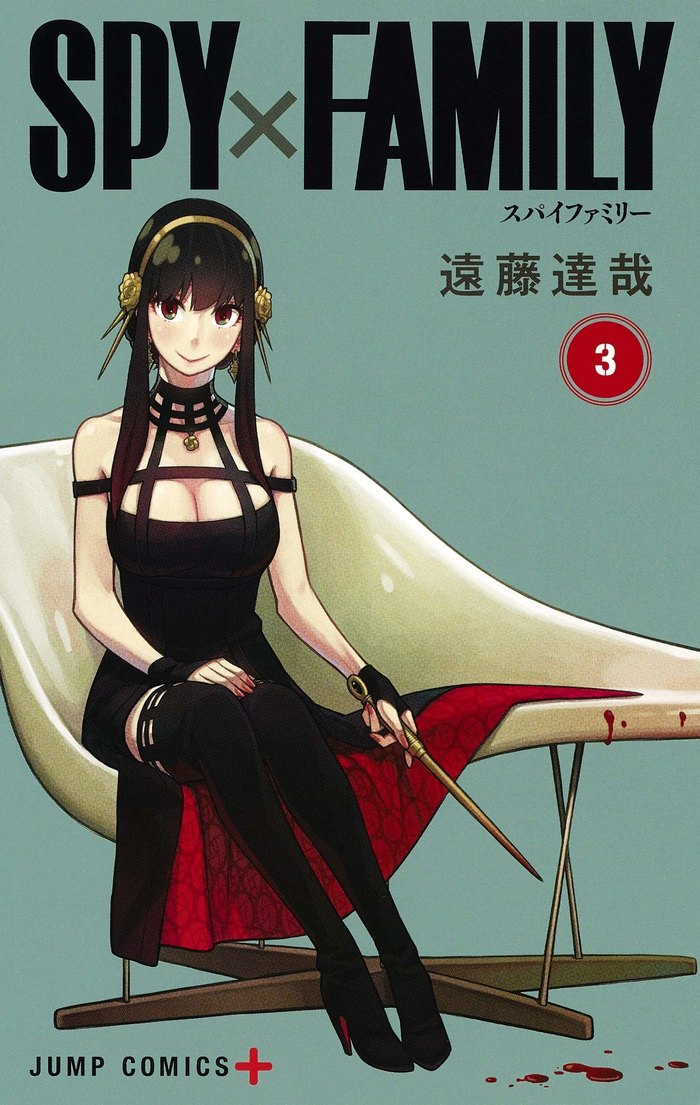
Why do the Spy x Family covers show designer chairs?
Every chair identified, in Endo's stated reasoning, plus the volume that breaks the pattern.
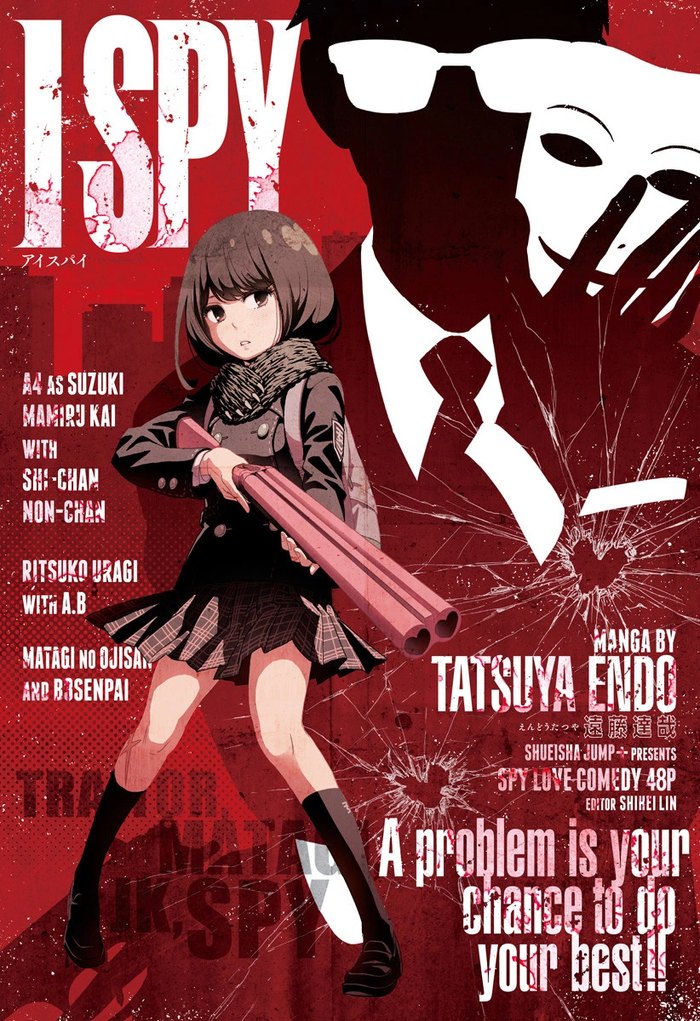
Why is Spy x Family not in Weekly Shonen Jump?
A Jump+ original, built for the platform by an editor and author who moved there together.
Who is Tatsuya Endo, the creator of Spy x Family?
Tatsuya Endo drew dark manga for nineteen years before Spy x Family. The Ibaraki artist, his editor of a decade, and the assistants' years, documented.
What is Tista, Tatsuya Endo's first series?
Endo's 2007 debut serialization: a New York sniper assassin raised by a religious order. Two volumes, and the dark template Spy x Family inverted.
What is Blade of the Moon Princess?
Gekka Bijin: the Tale of the Bamboo Cutter rebuilt as a moon-empire coup, serialized 2010 to 2012 in five volumes. Endo's second dark series.
What do the Japanese Spy x Family volumes look like?
Jump Comics+ paperbacks since July 4, 2019: obi bands, colophon printing records, million-copy first runs, and the volume that broke the chair rule.
How are the Viz Spy x Family volumes different from the Japanese ones?
Same Endo covers, different object: Viz's June 2, 2020 paperback runs 220 pages to Japan's 212, at a larger trim, with Casey Loe's translation inside.
What extras come with the Spy x Family volumes?
Extra Missions, Short Missions and the Top Secret dossiers: the volumes print stories and files the Jump+ chapters never carried.
Why does the Spy x Family anime look different from the manga?
Because two art teams drew it. Endo pens the manga; Kazuaki Shimada redesigned the cast for animation at Wit Studio and CloverWorks, under Endo's eye.
What is Spy x Family Code: White?
The 2023 film: an original story Endo supervised but did not write, a ¥6.32 billion (about $40 million) Japanese run, and a 4-million-copy booklet.
Is there a Spy x Family stage musical?
Yes: Toho's Musical Spy x Family premiered at Tokyo's Imperial Theatre on March 8, 2023, with four Anyas in rotation, and returned for a 2025 tour.
What Spy x Family books are there beyond the manga?
A light novel, an official fanbook, an animation art book and shelves of guidebooks: the documented shelf beside the seventeen volumes.
How many copies has Spy x Family sold?
Over 42 million copies in circulation by April 2026, on seventeen volumes: the fastest rise ever recorded by a Shonen Jump+ original.
How often does Spy x Family release new chapters?
Every other Monday on Shonen Jump+, free, with the English chapter the same day. The rhythm slips for breaks; the count is past Mission 140.
What is Eden Academy?
Ostania's 500-year-old elite school in Berlint: 2,500 students, a stars-and-bolts merit economy, and the room Operation Strix exists to enter.
Who voices the Forger family?
Takuya Eguchi, Atsumi Tanezaki, Saori Hayami and Kenichiro Matsuda, who plays both the dog and the narrator. The English cast, documented.
How were the Forgers designed?
Anya descends from a witch-trial one-shot's heroine; the family's two registers, mission and home, were designed into the art from the start.
What Spy x Family figures can you collect?
Good Smile's Nendoroids led the shelf in 2022 at ¥6,500 each, with plush, prize and palm-sized lines behind them: the documented figure record.
SPYRO THE DRAGON
6 shelfs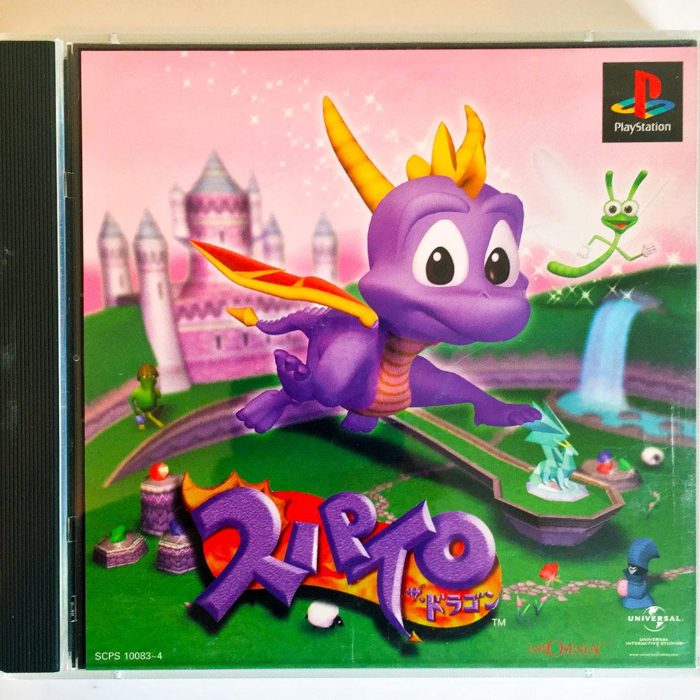
The Spyro Gallery
The Insomniac trilogy on one shelf: the Japanese and American boxes for the first game, the Year of the Dragon cover, and the histories of all three.
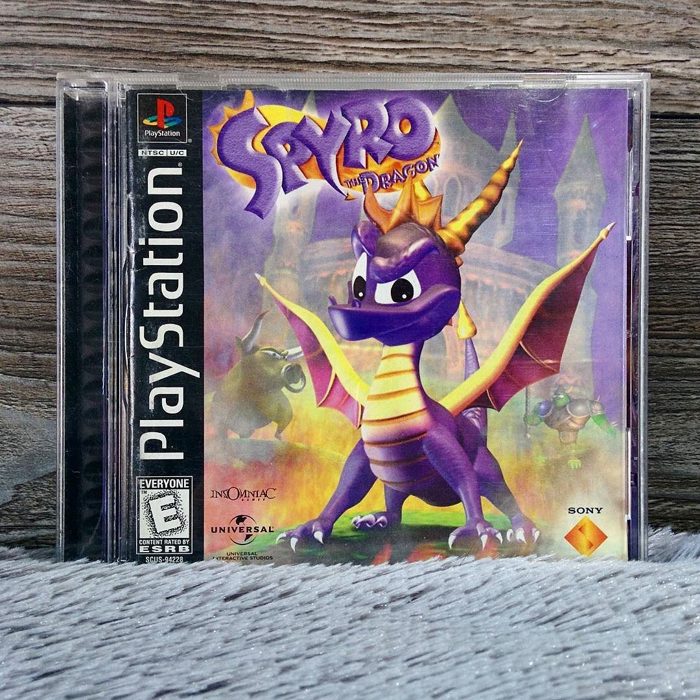
The History of Spyro the Dragon
Insomniac's 1998 original: the panoramic engine, Stewart Copeland's score, nearly five million copies, and the slower Japanese rebuild.
The History of Spyro 2: Ripto's Rage and Gateway to Glimmer
One game, three names: Ripto's Rage in America, Gateway to Glimmer in PAL regions, and Tondemo Tours in Japan, with Moneybags and Avalar.
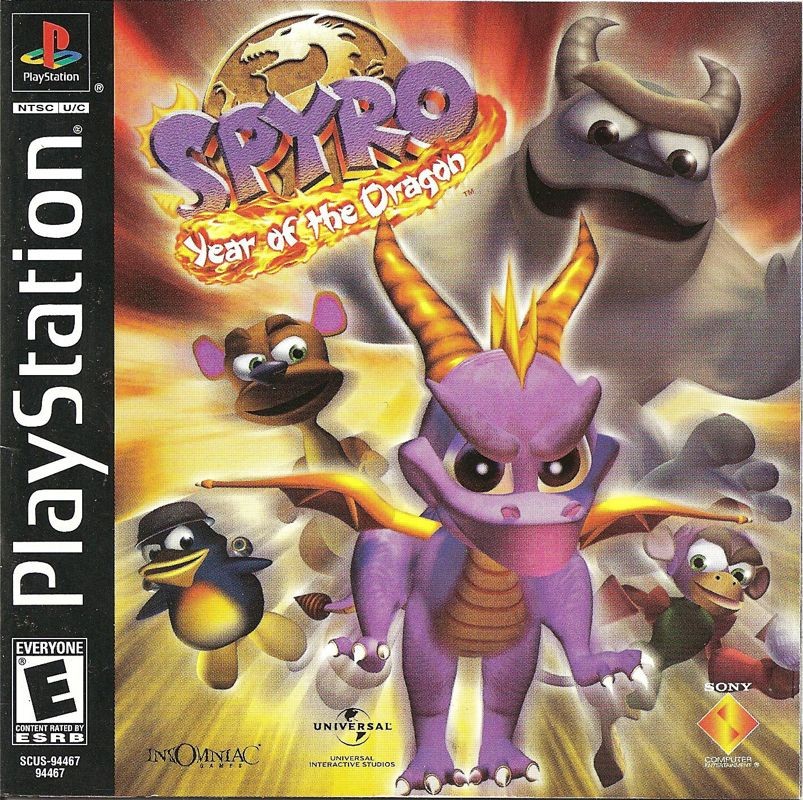
The History of Spyro: Year of the Dragon
Insomniac's 2000 farewell: the playable critters, a 91 on Metacritic, over three million copies, and the Japanese release that never happened.
Why is the Japanese version of Spyro the Dragon different?
The American game made Japanese players sick, so Sony rebuilt it slower. The backstory, told in full.
Who composed Spyro the Dragon's music?
Stewart Copeland of the Police, who played every level first, then wrote a quadruple album of backing tracks every summer for four years.
STAR OCEAN
12 shelvesWhy did Star Ocean's creators leave Tales of Phantasia to found tri-Ace?
Star Ocean exists because Tales of Phantasia went wrong at the management level: Gotanda, Norimoto and Asanuma walked out of Wolf Team and founded tri-Ace in 1995.
How did Star Ocean fit a voiced intro on a Super Famicom cartridge?
Star Ocean (1996) tied for the largest Super Famicom cartridge ever sold at 48 megabits, then used an S-DD1 decompression chip to hold still more, plus a voiced…
What is the first Star Ocean game?
The first Star Ocean (Super Famicom, July 19, 1996): Roddick’s time-travel story on Roak, the debut of real-time battles, Private Actions and item creation.
Why does Star Ocean: The Second Story have two protagonists?
The Second Story tells one journey through two witnesses: Claude the Federation outsider and Rena the Expel native, with exclusive scenes, recruits and endings.
What is the Eternal Sphere twist in Star Ocean: Till the End of Time?
The Eternal Sphere twist, documented carefully: what Till the End of Time (2003) reveals about its universe, how it foreshadows it, and how later games stepped…
What is Star Ocean: The Last Hope?
Star Ocean: The Last Hope (2009): the series prequel, Edge Maverick’s first voyage in S.D. 10, its Xbox 360 launch and the PS3 International edition that followed.
What is Star Ocean: Integrity and Faithlessness?
Star Ocean: Integrity and Faithlessness (2016): the series’ return after seven years, seamless battles with seven fighters, Akiman’s designs, and its mixed…
What is Star Ocean: The Divine Force?
Star Ocean: The Divine Force (2022): dual protagonists return, Raymond and Laeticia, the flying D.U.M.A. system, and the widest launch the series has ever had.
Who wrote Star Ocean's music? Motoi Sakuraba
Motoi Sakuraba: the progressive-rock keyboardist who has scored every main Star Ocean, most Tales games, Valkyrie Profile, Golden Sun and the Dark Souls series.
What is Star Ocean: The Second Story R?
Star Ocean: The Second Story R (2023): Gemdrops’ remake, its 2.5D pixel-and-3D art style, new Kajimoto illustrations, full voice, and Sakuraba’s rearranged score.
What Star Ocean manga and anime are there?
Star Ocean on paper and on TV: Mayumi Azuma’s Second Story manga (1999-2001), the Star Ocean EX anime, the drama CDs that finished the story, and the later manga.
How did Star Ocean reach English-speaking players?
The English map of Star Ocean: the game Enix America never lived to ship, Sony’s rescue of The Second Story, Ubisoft’s Europe, and the road to simultaneous launches.
STRATEGY GUIDES
9 shelves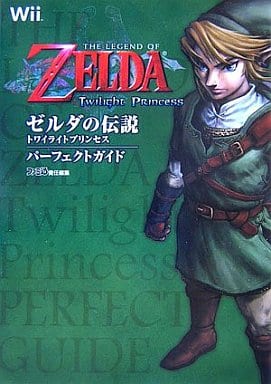
The Strategy Guides Gallery
Japanese and American guide covers side by side: several official books for one game in Japan, one licensed book per game in America, and the hardcover survivors.
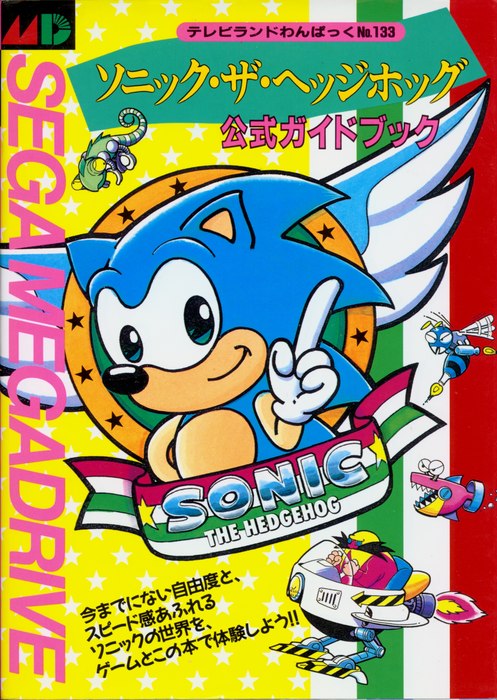
Why did Japan get several official guides for the same game?
Four licensed Twilight Princess guides in Japan against one licensed guide in America: two licensing models, documented in counts and in a guide writer's words.

Why did Nintendo publish America's early game guides itself?
Nintendo Power, the Player's Guides of 1991 to 2007, and a hint telephone line: at the start, the platform holder was the guide industry.
What made the Final Fantasy VII guide sell a million copies?
BradyGames, 1997, 224 pages: 150,000 copies in weeks against a 70,000 industry ceiling, and the three reasons Brady's own staff gave.
Why did reviewers recommend the unauthorized Final Fantasy VII guide?
GameSpot's 1997 comparison of three guides: the official BradyGames book spoiled the story, and the cheaper Versus Books book protected it.
Why does the Final Fantasy IX guide keep sending you to a website?
SquareSoft's PlayOnline portal, BradyGames' pushback, and the Final Fantasy X license at stake, in veteran guide writer Doug Walsh's account.
Why did BradyGames and Prima vanish from the guide shelves?
A 2015 merger retired one name, free guide websites retired the other's print business in 2019, and the surviving name became a website.
Who still publishes print strategy guides?
Piggyback's four games a year in five languages and Future Press's 512 page hardcovers that sell out: print survived by becoming a collector's object.
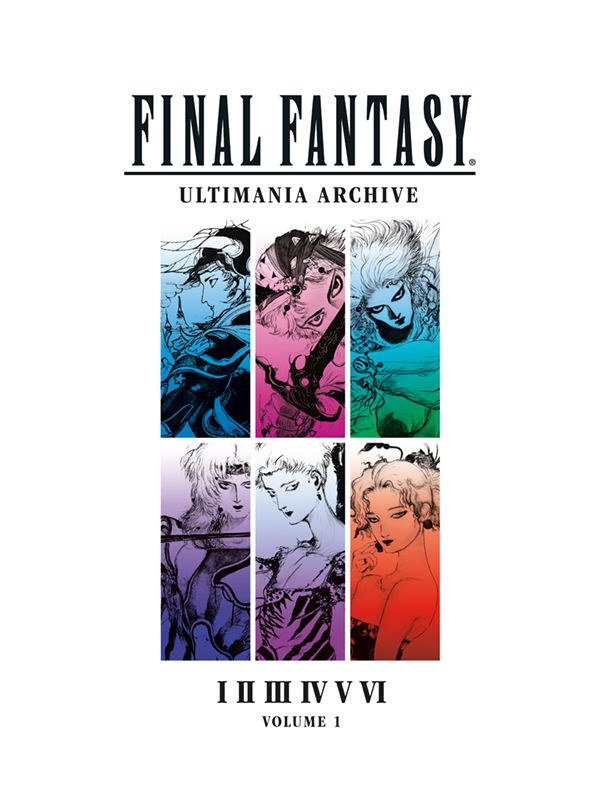
Where does the art you only see in a guide come from?
Art the game maker handed over exclusively, concept art printed first in a guide, and art the guide makers invented themselves, from clay figures to fake newspapers.
STREET FIGHTER
4 shelves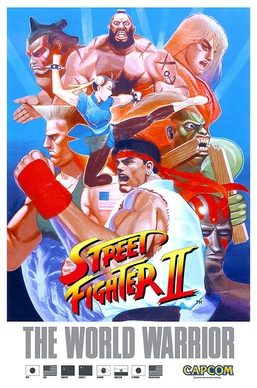
Why were Street Fighter's boss names swapped outside Japan?
One boss was a Mike Tyson parody named Mike Bison. Capcom rotated three names rather than risk the lawsuit.
Why does Street Fighter II have so many versions?
Five arcade editions, each answering a problem: unplayable bosses, bootlegs, new hardware, lost speed, a hidden demon.
Who is Sheng Long in Street Fighter?
Nobody. A mistranslated taunt plus an April Fools' prank built the most famous fighter who never existed.
Who wrote Street Fighter II's music?
Yoko Shimomura, nearly all of it, written country first and then written again at danger tempo.
SUIKODEN
10 shelvesWhat Is Water Margin, the Novel Behind Suikoden?
Water Margin (Shui Hu Zhuan), the 14th-century Chinese novel of 108 outlaw heroes, documented: its authorship debate, the 36 Heavenly Spirits and 72 Earthly…
Who Is Yoshitaka Murayama, the Creator of Suikoden?
Yoshitaka Murayama (1969 to 2024) documented: the Konami decade, the creation of Suikoden, his departure a month before Suikoden III shipped and the removal of…
The History of Suikoden III
The history of Suikoden III (2002): the series' first 3D entry, the Trinity Sight System's three viewpoints, the Flame Champion, the missing European release,…
The History of Suikoden IV
The history of Suikoden IV (2004): the prequel set 150 years before the series, the Rune of Punishment that eats its bearers, the ship that replaced the castle,…
The Suikoden Games, in Order
Every Suikoden game mapped by era and by story: the PlayStation years, the PlayStation 2 run, the handheld departures, the thirteen-year silence, and the 2025…
How Do the 108 Stars of Destiny Work in Suikoden?
The 108 Stars of Destiny as a game design, documented: where the roster comes from, why most of the army never fights, how the castle grows, and what completing…
What Are the 27 True Runes in Suikoden?
The 27 True Runes documented: the creation myth of Sword and Shield, the rules every bearer lives under, the eighteen runes the games have actually identified,…
Why Did the Suikoden I&II HD Remaster Take So Long?
The Suikoden I&II HD Remaster delay documented: the September 2022 announcement, the August 2023 postponement and Konami's statement, the year of silence, and…
What Is Eiyuden Chronicle, Suikoden's Spiritual Successor?
Eiyuden Chronicle: Hundred Heroes documented with care: Rabbit & Bear Studios, the 2020 Kickstarter, Murayama's death on February 6, 2024, the studio's…
Collecting Suikoden in English: The Editions Guide
Collecting Suikoden in English, documented: which games were released in English and which never were, why Suikoden II became one of the most valuable…
SWEET HOME
11 shelves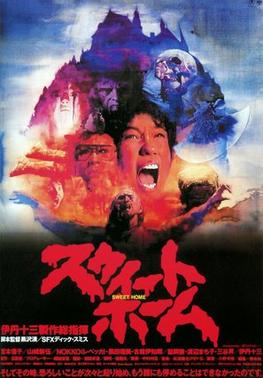
The Sweet Home Gallery
The visual record of Sweet Home: the 1989 Famicom box art beside the film poster it was adapted from, the cartridge, and the manual, documented.
Who Is Tokuro Fujiwara?
Tokuro Fujiwara: the Capcom director of Ghosts 'n Goblins and Sweet Home, main producer of Mega Man, and the man who conceived Resident Evil as a Sweet Home remake.
How Does Sweet Home's Party System Work?
Sweet Home's five-character party system explained: two parties of up to three, one essential tool per character, permanent death, and the substitute items that…
How Many Endings Does Sweet Home Have?
Sweet Home has five endings, decided by how many of the five filmmakers survive the final battle, not by which ones. The film's outcome is one of them.
Was Sweet Home a Movie or a Game First?
The Sweet Home film came first, in January 1989, and the Famicom game followed in December, but the two were developed together as one production, film crew and…
What Did Juzo Itami Have to Do with Sweet Home?
Juzo Itami produced both the Sweet Home film and the Capcom game, put his name on the box, then re-edited the film after release and was sued by its director,…
Why Did Sweet Home Never Leave Japan?
Sweet Home was never localized: critics blame its gruesome imagery under Nintendo's Western content rules, the weak North American market for RPGs in 1989, and a…
What Is the Sweet Home Fan Translation?
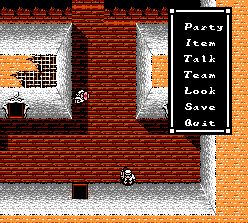
The 2000 fan translation of Sweet Home by Gaijin Productions and Suicidal Translations: a year of work, the Taguchi-to-Taro compromise, and the patch every…
Is Sweet Home the First Survival Horror Game?
Sweet Home (1989) assembled survival horror's design grammar years before the term existed: the mansion, the limited inventory, the notes, the permadeath. The…
The Sweet Home Strategy Guide and Gamebook
The Japanese print around Sweet Home: Futabasha's official strategy guide of January 1990 (ISBN 4-575-15154-8), the Masho no Sumu Yakata gamebook by Katsuyuki…
Collecting Sweet Home
Collecting Sweet Home on Famicom: what a complete copy includes, the CAP-EH cartridge and its battery, PriceCharting's late-October 2026 record for loose,…
TAKESHI OBATA
15 shelvesWho did the art for Death Note?
Takeshi Obata drew Death Note, working from writer Tsugumi Ohba's thumbnails. The pairing began when editors handed him the 2003 pilot chapter.
How do Ohba and Obata split the work on a manga?
Ohba writes thumbnails with the dialogue and panel layout already in place. Obata turns them into finished art, choosing expressions and camera angles.
Who is Tsugumi Ohba, the writer behind Death Note?
Tsugumi Ohba is a pen name, and the writer's real identity has never been officially confirmed. The official profile offers teacups and a thinking pose, not a name.
How was Ryuk designed?
Ryuk began as a handsome, winged young man in the rock star mold. The final monster exists because an editor told Obata the shinigami did not have to look human.
Why does Death Note look so realistic?
Because the realism is researched. Light's clothes come out of fashion magazines, Misa's out of Gothic Lolita magazines, and L was engineered against Light.
What else has Takeshi Obata drawn?
Thirty years of series as Jump's go-to illustrator: a cyborg grandfather, a go phenomenon, Death Note, Bakuman, an Edge of Tomorrow manga and an angel epic.
What is Hikaru no Go, the series Obata drew before Death Note?
A manga about the board game go that became a national phenomenon: 23 volumes, a hit anime, two major awards, and a generation of new go players.
Did the same artist draw Bakuman and Death Note?
Yes. Bakuman reunited Tsugumi Ohba and Takeshi Obata two years after Death Note ended, and its heroes are a writer and artist pair modeled on the same split.
What is Bakuman about?
Two teenagers try to become manga artists inside the real Weekly Shonen Jump machine: reader surveys, editor meetings, serialization and cancellation.
What is Platinum End, the third Ohba and Obata series?
After Death Note's shinigami and Bakuman's editors, Ohba and Obata spent five years on angels: 13 candidates, one vacant throne of God, 999 days.
What was Takeshi Obata's first manga?
Cyborg Jii-chan G, a 1989 gag series about a 70-year-old scientist who rebuilds himself into a farming cyborg, published under the pen name Shigeru Hijikata.
Did the Death Note artist really redesign Castlevania?
Yes. For Castlevania Judgment on the Wii in 2008, Konami hired Takeshi Obata to redesign the whole cast, and Simon Belmont got a Death Note wardrobe.
What is All You Need Is Kill, the manga behind Edge of Tomorrow?
Hiroshi Sakurazaka's 2004 time-loop novel, drawn as a manga by Obata in 2014, the same season Hollywood released its version as Edge of Tomorrow.
What is Blanc et Noir, Obata's art book?
Obata's first full art book: the color work of 2001 to 2006, the Hikaru no Go and Death Note years, issued in Japan in 2006 and as a 10,000-copy Viz folio in 2016.
Who learned to draw from Takeshi Obata?
The creators of Rurouni Kenshin, Black Cat and Eyeshield 21 all came through Obata's studio, which makes him a quiet root of three separate Jump eras.
TALES
20 shelves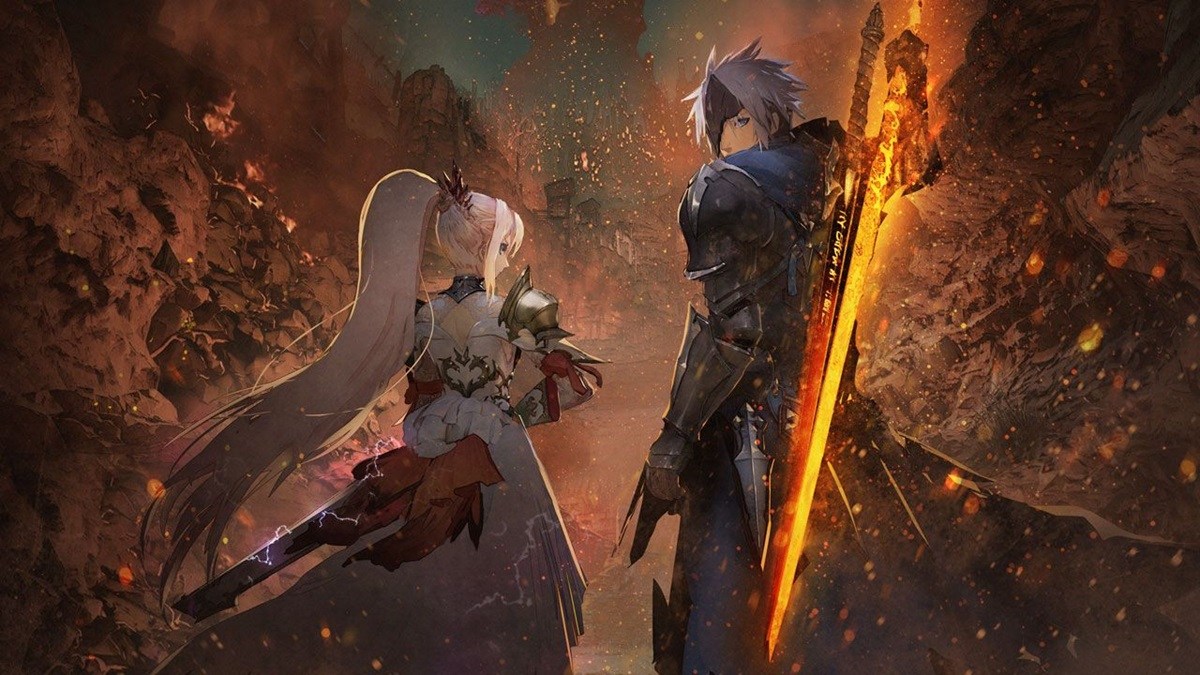
The History of the Tales Series
The history of the Tales series: from Wolf Team’s 1995 Super Famicom original Tales of Phantasia to seventeen mothership titles, the escort lines, and the 30th…
Every Tales Mothership Title, in Order
All seventeen Tales mothership titles in release order, 1995 to 2021, with original platforms and Japanese and North American release dates side by side.
The Tales Games That Never Left Japan
The Tales mothership titles that never received a Western release: Destiny 2, Rebirth, Innocence, the Destiny remake, and what eventually crossed over.
How the Linear Motion Battle System Grew Up
The evolution of the Linear Motion Battle System across the Tales series: Phantasia’s 2D line, Symphonia’s 3D, the Abyss free run, Graces’ style shift, and Arise.
What Are Tales Skits?
What Tales skits are, where they began in Tales of Destiny (1997), why the early English releases cut them, and how they became the series’ character engine.
Motoi Sakuraba and the Sound of Tales
Motoi Sakuraba’s role as the Tales series composer from 1995, his partnership with Shinji Tamura, and Go Shiina’s contrasting orchestral voice from Legendia onward.
Fujishima and Inomata: The Two Hands of Tales
Kosuke Fujishima and Mutsumi Inomata, the two character designers who alternated across the Tales mothership titles, their Xillia team-up, and the bench that…
How ufotable Changed the Tales Opening
ufotable’s work on the Tales series: the Symphonia OVA, the Xillia opening with Ayumi Hamasaki’s “progress,” and the openings that became events of their own.
Tales of Eternia: The Game America Called Destiny II
Tales of Eternia (2000): the two-world PS1 mothership title North America received as Tales of Destiny II, its PSP port, 2001 anime, and 2026 remaster.
Tales of Vesperia and the Version the West Waited a Decade For
Tales of Vesperia (2008) and its Japan-only expanded PlayStation 3 version of 2009: Patty Fleur, full voice acting, and the 2019 Definitive Edition.
Tales of Xillia: Two Heroes, Two Designers
Tales of Xillia (2011), the 15th-anniversary mothership title with two protagonists by Kosuke Fujishima and Mutsumi Inomata, and its sequel Xillia 2.
Tales of Berseria: The Prequel That Outshone Its Sequel
Tales of Berseria (2016), Velvet Crowe’s revenge story set a thousand years before Tales of Zestiria in the same world, and its 2026 remaster.
Tales of Arise: The Reboot That Worked
Tales of Arise (2021): the worldwide relaunch of the Tales series, its record first week, Best RPG award, and the Beyond the Dawn expansion.
Escort Titles: The Other Half of Tales
The Tales escort titles explained: Narikiri Dungeon, Radiant Mythology, Tales of VS., Twin Brave, the Fandom discs, and Dawn of the New World.
Tales on Screen: The Anime Adaptations
The Tales anime adaptations in order: Eternia (2001), Phantasia OVA, Symphonia OVA by ufotable, the Abyss series, The First Strike, and Zestiria the X.
The Mobile Era: Link, Asteria, Rays, and the Shutdowns
The Tales mobile games documented: Tales of Link, Asteria, The Rays, Crestoria and Luminaria, with launch and shutdown dates, and the offline afterlife of Rays.
Tales of Festival: The Fandom That Fills an Arena
Tales of Festival, the annual fan event held since 2008: voice-actor stage shows at Yokohama Arena, the series’ announcement stage, and its fan culture.
Japanese vs English Tales Box Art
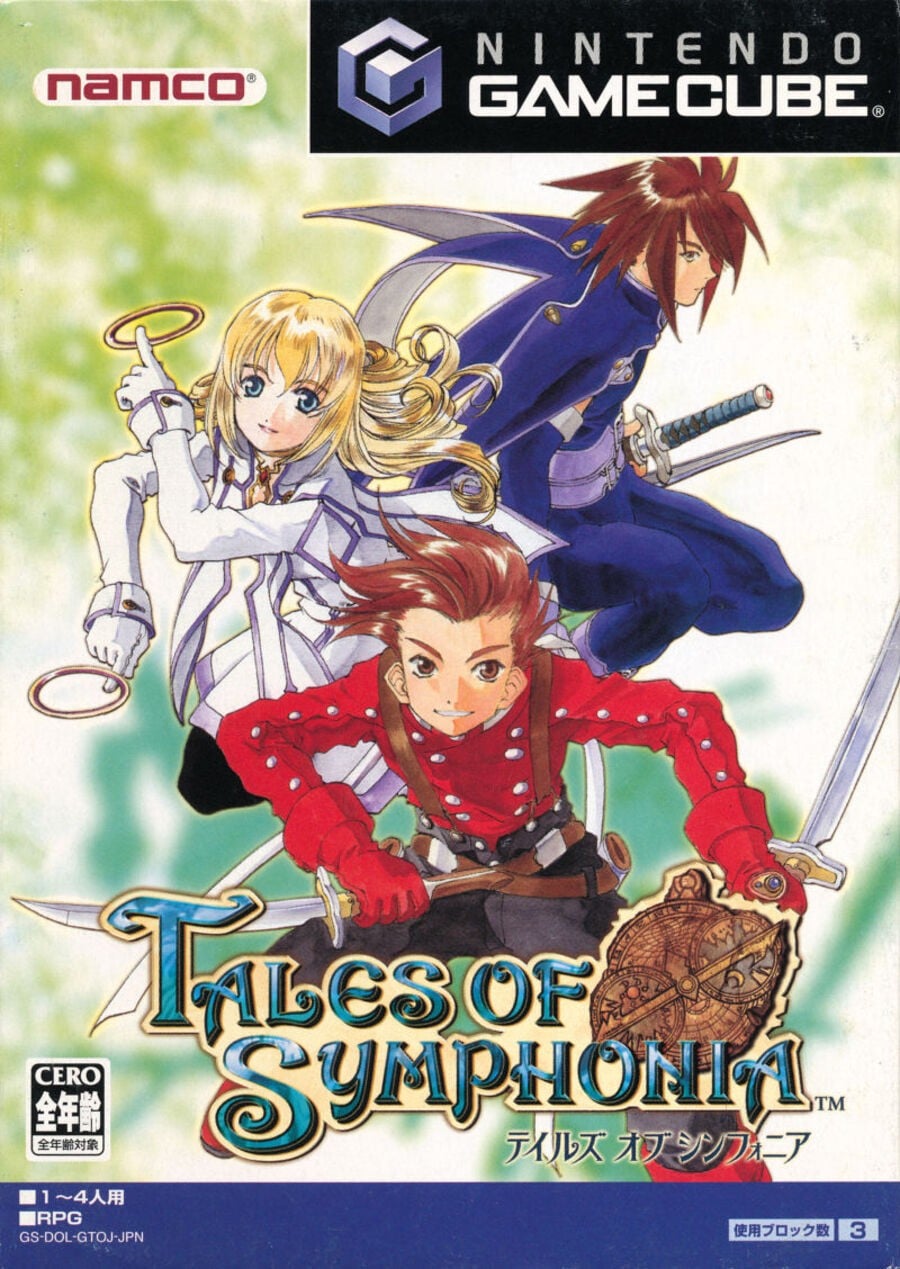
Japanese and English Tales box art compared: the verified Tales of Symphonia GameCube pair, the Destiny II naming swap, and the modern convergence on shared art.
Which Japanese Tales Releases Are Actually Different Games?
The Japanese Tales releases that differ meaningfully from their Western counterparts: Vesperia PS3, the Destiny remake, Symphonia PS2, Graces f, Hearts R.
The Remastered Project: Tales at Thirty
Bandai Namco’s Tales Remastered Project documented: Graces f, Xillia, Berseria and Eternia remasters, the classics-first policy, and the new title in development.
TERRANIGMA
16 shelves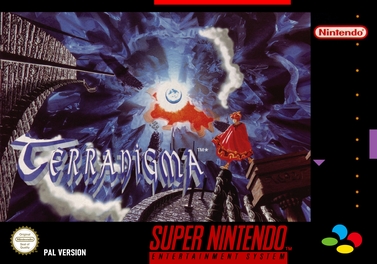
The Box Art of Terranigma
The box art of Terranigma and Tenchi Sozo: the European cover Nintendo published in 1996, Tatsuo Hashimoto and the painted Japanese box, and Kamui Fujiwara, the…
Who Is Kamui Fujiwara?
Who is Kamui Fujiwara? The manga artist of Dragon Quest: Emblem of Roto who designed Terranigma's characters, backed the 2021 fan petition to revive the game,…
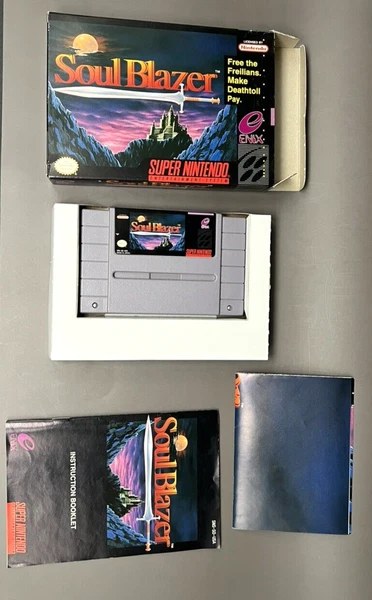
Are Soul Blazer, Illusion of Gaia, and Terranigma a Trilogy?
Are Soul Blazer, Illusion of Gaia, and Terranigma really a trilogy? The fan names, Gaia Trilogy and Heaven and Earth Trilogy, against Enix USA's own producer,…
How Does Terranigma Resurrect the World?
How does Terranigma resurrect the world? Stage by stage: five towers for five continents, then plants, birds, wind, animals, and mankind, then the growth of…
What Happens at the End of Terranigma?
What happens at the end of Terranigma? The Dark Gaia twist, Ark's rebirth, Elle's sacrifice, the fall of Crysta, and the knock on the door in the epilogue. Full…
What Happened to Quintet?
What happened to Quintet? The ActRaiser studio founded in 1989 by Ys veterans Tomoyoshi Miyazaki and Masaya Hashimoto: the silent years after 2002, the closed…
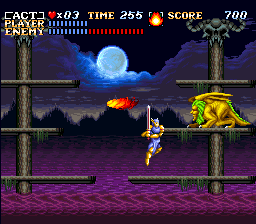
What Is ActRaiser Renaissance?
What is ActRaiser Renaissance? Square Enix's 2021 remake of Quintet's 1990 god game: what it keeps, the tower defense siege quests it adds, the new land of…
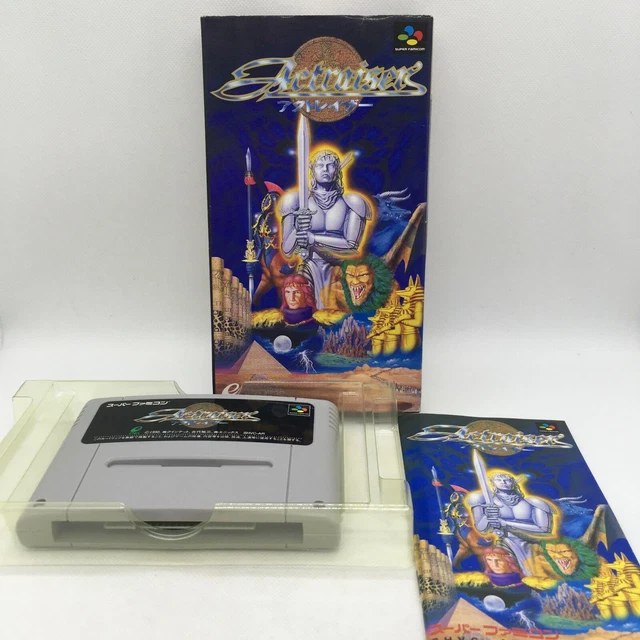
Is ActRaiser a City Builder or an Action Game?
Is ActRaiser a city builder or an action game? Both, in alternation, and the join is the point: a god who fights as a statue, builds as an angel, and whose power…
How Does Soul Blazer Rebuild the World?
How does Soul Blazer rebuild the world? One monster lair at a time: every lair sealed returns a soul, a mayor, a dog, a dolphin, a talking tulip, and the towns…
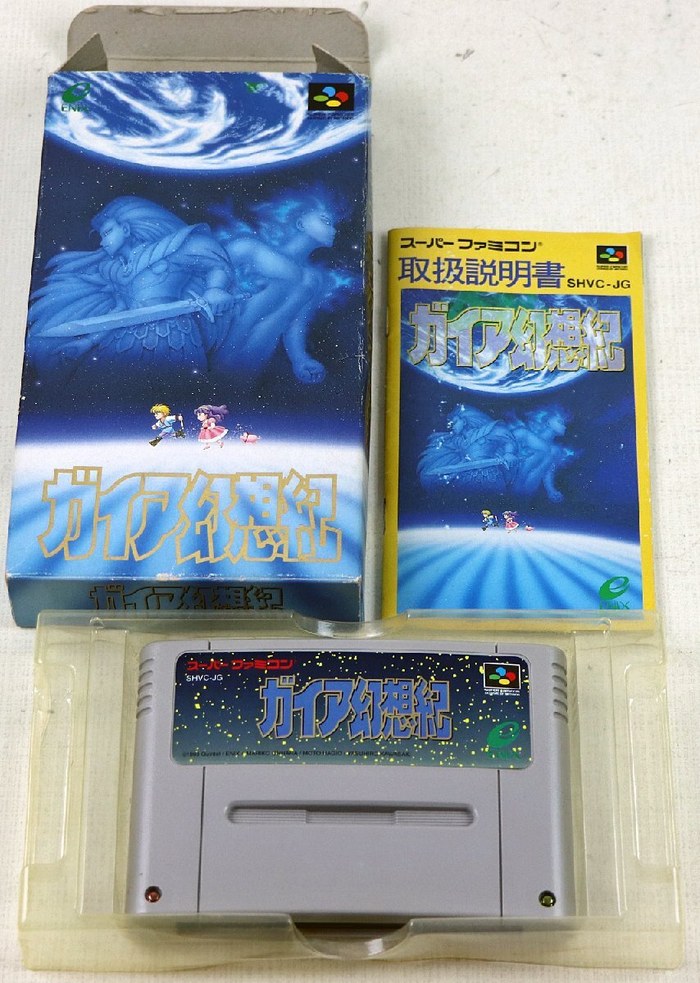
Why Does Illusion of Gaia Visit Real Places?
Why does Illusion of Gaia visit real places? Will's journey runs through the Incan ruins, the Nazca Lines, Angkor Wat, the Great Wall of China, and the Egyptian…
The Music of Terranigma
The music of Terranigma: Miyoko Kobayashi and Masanori Hikichi's score, the Tenchi Sozo Creative Soundtracks album of 1995, Yuzo Koshiro's uncredited laboratory…
What Strategy Guides Does Terranigma Have?
What strategy guides does Terranigma have? Enix's official Japanese guide book and world atlas, the Club Nintendo guide packed into the German and French big…
Terranigma Redux and the Fan Patches
Terranigma Redux and the fan patches: how fans fixed the PAL game's wide spaced font with the 8x16 patch, converted it to NTSC, restored Ark's blue hair, added…
The Terranigma Books: Manga, Novels, and Atlas
The Terranigma books: Enix's official guide and world atlas, the Saori Kumi novel, the Logout Bunko novelization by Norio Nakai, the Fujiwara gamebook, the…
Collecting Terranigma: Boxes, Big Boxes, and Prices
Collecting Terranigma: the PAL standard box and the German and French big boxes, Tenchi Sozo from Japan, reproduction cartridges to avoid, and the price record…
Terranigma Returns: The 2027 Re-Release
Terranigma returns on January 14, 2027: Clear River Games and Square Enix bring the 1995 Quintet RPG to Switch, Switch 2, PS4, PS5, Xbox, and PC, with Arranged…
THE BOX ART
4 shelves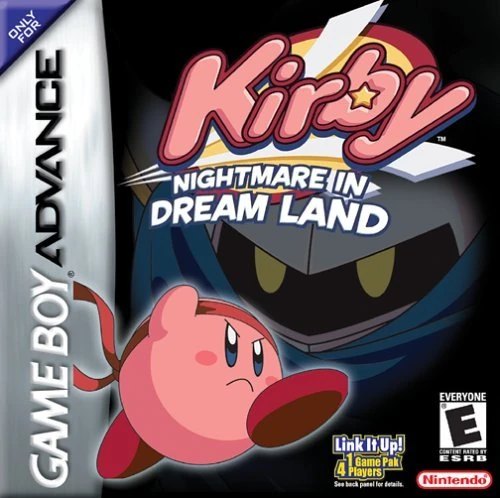
Why is Kirby angry on American box art?
Determination, per Nintendo's own localizers, plus the year America got a white Kirby.
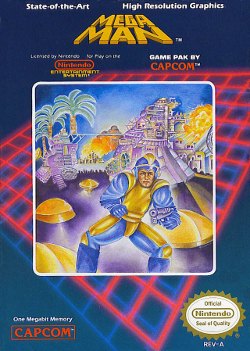
Why is the original Mega Man box art so bad?
Ordered by morning, drawn in six hours by an artist who had never seen the game.
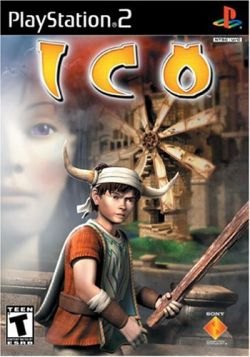
Why does the American Ico box art look nothing like the game?
America shipped first, before Ueda's painting existed. The packagers had a few screenshots and a deadline.
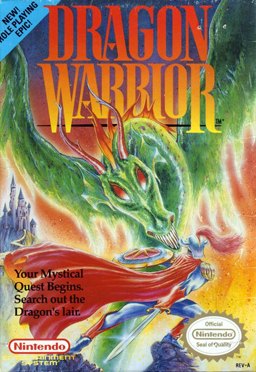
Why did Dragon Quest lose its Akira Toriyama art in America?
The 1989 box sold a Western fantasy novel instead. The art came home in 2005.
THE HEROIC LEGEND OF ARSLAN
15 shelvesThe history of The Heroic Legend of Arslan
The full Arslan chronology: Yoshiki Tanaka’s novels (1986–2017, sixteen volumes), two manga, the 1991–95 films and OVAs, the 2015 anime, and the games.
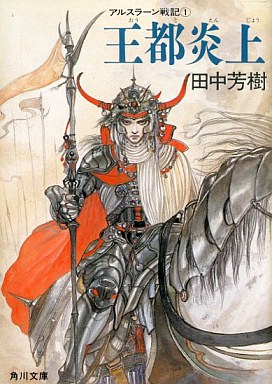
The Arslan Novel Gallery
All sixteen Heroic Legend of Arslan novels documented volume by volume: the ten Kadokawa volumes with Yoshitaka Amano covers (1986–1999) and the six Kobunsha…
Who is Yoshiki Tanaka?
Yoshiki Tanaka, the novelist behind The Heroic Legend of Arslan and Legend of the Galactic Heroes: the thirty-one-year Arslan run, his detached style, and how…
Who is Yoshitaka Amano?
Yoshitaka Amano and Arslan: the Final Fantasy artist painted the first ten Kadokawa novel covers (1986–1999) and the 1991 art book Tenma no Yume. What his covers…
Why do Arslan’s covers change halfway?
Arslan’s cover artist changes because its publisher did: Amano painted Kadokawa’s ten volumes (1986–1999); Shinobu Tanno illustrated Kobunsha’s reissues and new…
How was the 1991 Arslan anime made?
The 1991–95 Arslan films and OVAs: two theatrical films (1991–92) and four OVA episodes (1993–95), Sachiko Kamimura’s designs, five novels adapted, and a story…
Who is Sachiko Kamimura?
Sachiko Kamimura, character designer of the 1991–95 Arslan films and OVAs, also the designer behind City Hunter’s and Black Jack’s TV faces, and how she…
What was the first Arslan manga?
Chisato Nakamura’s Arslan manga (Asuka Fantasy DX, 1991–1996, thirteen volumes): the shōjo adaptation that caught up with the novels and had to invent its own…
How did Hiromu Arakawa remake Arslan?
Hiromu Arakawa’s Arslan manga: launched July 9, 2013 in Bessatsu Shōnen Magazine, twenty-five volumes by October 2026, faithful to Tanaka’s novels and drawn in…
How was the 2015 Arslan anime made?
The 2015 Arslan TV anime: Liden Films and Sanzigen, director Noriyuki Abe, twenty-five episodes plus Dust Storm Dance (2016), adapting Arakawa’s manga and the…
What Arslan video games are there?
The Arslan games, verified: Sega’s Japan-only Mega-CD tactical RPG (1993), Koei Tecmo’s Arslan: The Warriors of Legend (2015–16), and the 2017–18 smartphone game.
How can you collect Arslan in English?
Collecting Arslan in English: Arakawa’s manga from Kodansha USA (2014– ), the out-of-print Central Park Media anime discs, the Warriors game, and the novels,…
Is The Heroic Legend of Arslan finished?
Which Arslan is finished: the novels (yes, volume 16, December 2017), the manga (still running toward its final arc), and both anime (no, five and six novels…
Arslan and Legend of the Galactic Heroes
Tanaka’s two epics compared: Legend of the Galactic Heroes among the stars and Arslan in a Persian mirror-world, the same detached voice, the same politics,…
What is Pars, the kingdom in Arslan?
Pars explained: Tanaka’s amalgam of a thousand years of Persia, drawn from the Amir Arsalan epic and the Shahnama, Ecbatana, Lusitania, the Sixteen Generals,…
THE MACHINES
4 shelves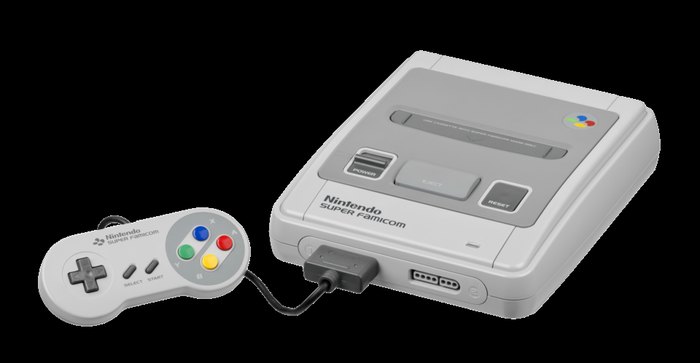
Why did the Super Famicom and the American SNES look completely different?
Lance Barr's verdict on the Japanese shell: too soft, no edge, a bag of bread.
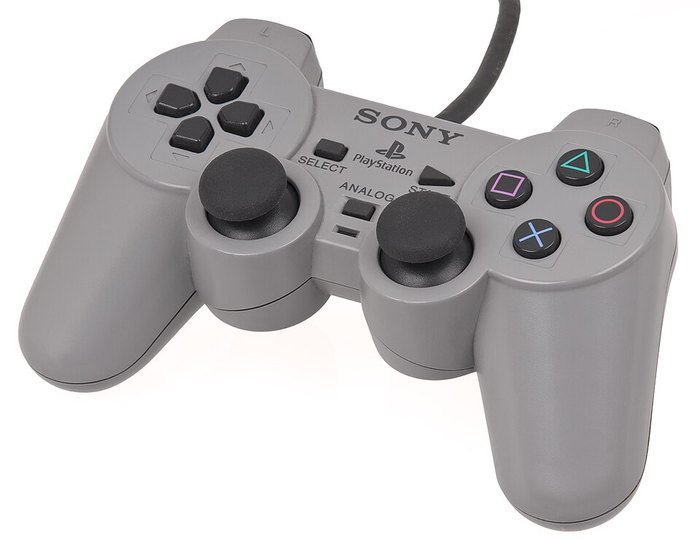
Why are the confirm and cancel buttons swapped on Japanese PlayStations?
They are not swapped in Japan. Circle means yes there. The West flipped them, and the PS5 settled it.
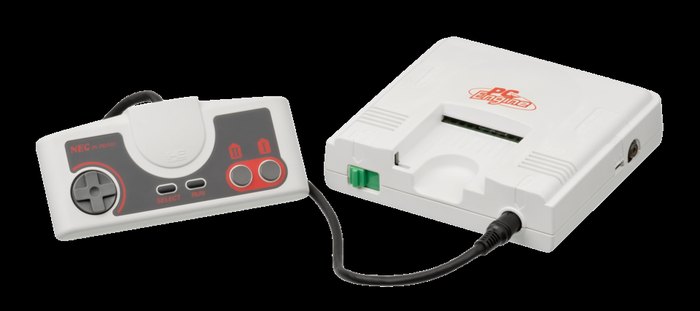
Why was the PC Engine called the TurboGrafx-16 in America?
NEC's own testing: Americans heard 'PC Engine' and pictured a personal computer.
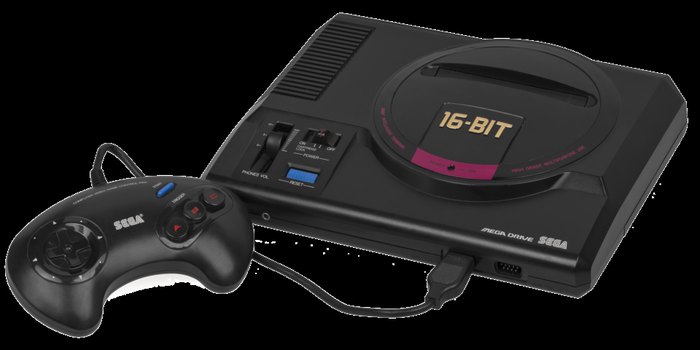
Why was the Mega Drive called the Genesis in America?
A trademark stood in the way, so Sega's American arm named it for a new beginning.
THE NAMES
2 shelves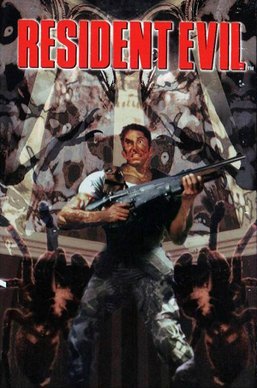
Why is Resident Evil called Biohazard in Japan?
Japan named the threat. America could not trademark it, held a contest, and named the house.
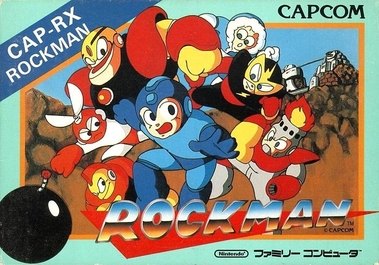
Why is Mega Man called Rockman in Japan?
Half of a rock and roll pun, changed by an executive who called the title horrible.
THE TWELVE KINGDOMS
15 shelves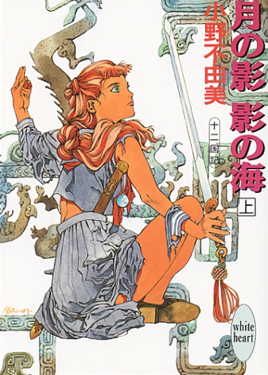
The Twelve Kingdoms Novel Gallery: Akihiro Yamada’s Covers
Every Twelve Kingdoms cover Akihiro Yamada painted for the Shinchosha complete edition, verified from the publisher’s own book pages, with the 1992 White Heart…
The History of The Twelve Kingdoms
From a 1991 horror novel at Shinchosha to a fantasy epic on a girls’ label at Kodansha, an eighteen-year silence, a complete-edition homecoming, a stage musical,…
What is Kodansha X Bunko White Heart?
The Kodansha label launched in 1991 for girls who had outgrown the teen line, and how a governing epic with no romance at all became its representative work.
In what order should you read The Twelve Kingdoms?
The novels were published out of chronological order on purpose: the full publication sequence, the world’s own timeline, and the author-consulted order behind…
Who wrote The Twelve Kingdoms?
Fuyumi Ono: Buddhist studies at Ōtani University, the Kyoto University mystery-story research club, a 1988 debut in a teen horror line, and the double career of…
What else did Fuyumi Ono write?
Ghost Hunt began as the Evil Spirits series when its author was twenty-eight; Shiki turned a mountain village into horror’s slow masterpiece. The horror shelf…
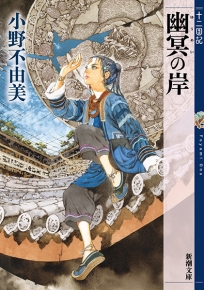
Who is Akihiro Yamada?
The Record of Lodoss War novels’ painter became the Twelve Kingdoms’ only illustrator: suiboku delicacy, a Seiun Award, and thirty-five years of covers for one…
How was The Twelve Kingdoms anime made?
Studio Pierrot, NHK’s satellite prestige slot, a score built on strings, and Akihiro Yamada’s designs carried from the page: the making of the 2002 anime.
How is The Twelve Kingdoms anime different from the novels?
Two classmates who barely exist in the books, one heroine made into a frame for everyone else’s stories, and an ending that had to stop mid-search: the…
What Twelve Kingdoms video games are there?
Exactly two, both from Konami, both for the PlayStation 2, both Japan-only: an adventure-leaning retelling of Yoko’s journey and its save-carrying sequel.
Can you read The Twelve Kingdoms in English?
Twice over, now: Tokyopop’s four hardcovers of 2007 to 2010, the license’s long lapse, and Seven Seas’ author-consulted new translation that began in July 2025.
Why did The Twelve Kingdoms stop for eighteen years?
The 2001 novel ended with its king and kirin still missing. The answer took until 2019, by way of short stories, a change of publisher, and one very patient…
What is the Shinchosha edition of The Twelve Kingdoms?
In 2012 the series left the girls’ bunko world for Shinchō Bunko, Japan’s flagship paperback line, with every cover repainted and five new illustrations in every…
How can you tell a first printing of The Twelve Kingdoms?
Japanese paperbacks carry their printing history in the colophon, not the ISBN: what to check on White Heart originals, Shinchosha complete editions, and the…
How does the world of The Twelve Kingdoms work?
Thirteen lands around a sacred sea, twelve kingdoms ruled by the chosen of unicorn-like kirin, and a Mandate of Heaven that withdraws from kings who fail: the…
TOKYO GHOUL
17 shelves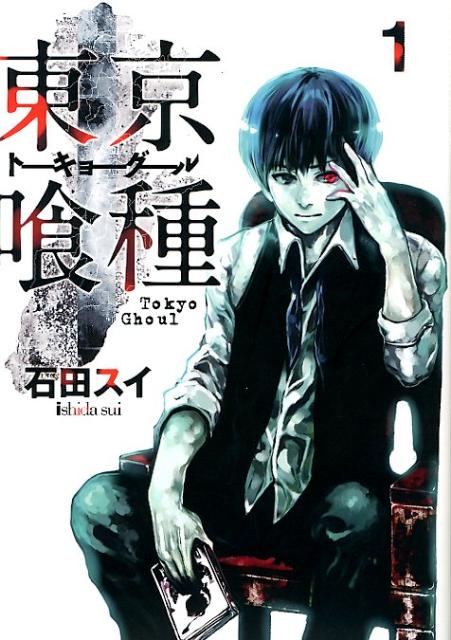
The Tokyo Ghoul Manga Gallery
Every Japanese tankobon cover of Tokyo Ghoul, volumes 1 to 14, pictured and dated: Sui Ishida’s Young Jump Comics paintings, 2012 to 2014, plus the Viz volume 1…
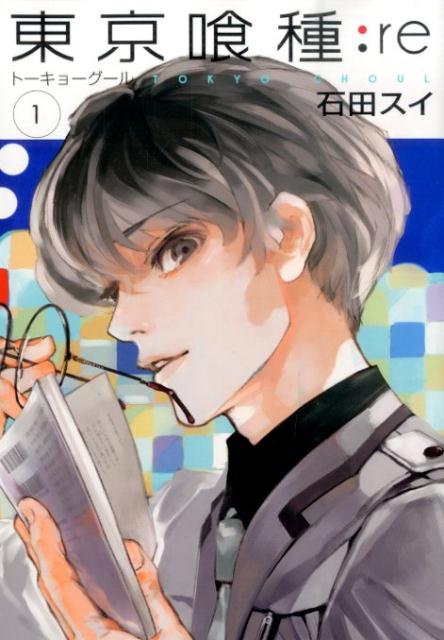
The Tokyo Ghoul:re Manga Gallery
Every Japanese tankobon cover of Tokyo Ghoul:re, volumes 1 to 16, pictured and dated: Sui Ishida’s sequel in Young Jump Comics editions, December 2014 to July 2018.
The History of Tokyo Ghoul
Tokyo Ghoul’s documented history: the 2010 prize one-shot, Weekly Young Jump serialisation 2011 to 2014, the :re sequel to 2018, and 47 million copies in…
Who is Sui Ishida?
Sui Ishida, documented: born in Fukuoka in 1986, webcomics as Nashimoto and Sotonami, second place in the 113th Young Jump Grand Prix, and the works from Tokyo…
How does Sui Ishida draw Tokyo Ghoul?
Sui Ishida’s art practice, from the record: the painted covers collected in Zakki, an ending-card illustration for every episode of √A, the published “secret…
What was the Tokyo Ghoul one-shot?
The Tokyo Ghoul one-shot documented: second place in the 113th Young Jump Grand Prix in 2010, published in Miracle Jump No. 2 in March 2011, plus the Rize and…
What is Tokyo Ghoul [Jack]?
Tokyo Ghoul [Jack] documented: Ishida’s seven-chapter digital prequel about the young Arima and Fura, Jump Live 2013, digital-only volume, Viz digital edition,…
Why does Tokyo Ghoul √A tell a different story?
The Tokyo Ghoul √A divergence, documented factually: Ishida was asked for an original draft, his version was not used, and the aired season condenses the manga…
How was the Tokyo Ghoul anime made?
The Tokyo Ghoul anime documented: Studio Pierrot, director Shuhei Morita, composer Yutaka Yamada, “unravel”, the four cours 2014 to 2018, the two OVAs, and the…
How many volumes of Tokyo Ghoul are there?
Tokyo Ghoul’s volume count, verified: 14 volumes of the first series, 16 of :re, the one-volume digital prequel [Jack], four light novels and two Zakki…
What are the Tokyo Ghoul English editions?
Tokyo Ghoul in English, documented: Viz Signature singles (14 volumes, 2015–17; :re 16 volumes, 2017–20), the digital [Jack], the novels, both Zakki hardcovers,…
Are Tokyo Ghoul covers the same in Japanese and English?
Tokyo Ghoul’s Japanese and English covers compared from pictured pairs: identical Ishida paintings, rebuilt lettering: both volume 1s and Zakki, side by side.
What Tokyo Ghoul video games are there?
Tokyo Ghoul’s games, briefly and in order: Carnaval ∫Color and Jail (2015), Dark War (2016), :re Invoke (2017), :re Call to Exist (2019), and Kaneki’s 2025 Dead…
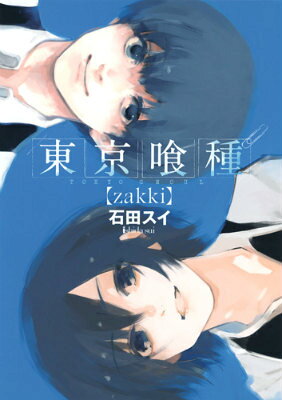
What is Tokyo Ghoul Zakki?
Tokyo Ghoul Zakki documented: Shueisha’s 2014 illustration book of covers, promotional art and unreleased concept art with Ishida’s commentary, the :re…
What is Jack Jeanne, the game Sui Ishida created?
Jack Jeanne documented: Broccoli’s 2021 Switch theatre game created by Tokyo Ghoul’s Sui Ishida: original work, character designs, world design, illustrations…
What is Choujin X, Sui Ishida’s next series?
Choujin X as context for Tokyo Ghoul: Ishida’s 2021 Tonari no Young Jump series, published irregularly on his own schedule, simulpublished in English, ten…
How can you tell a first printing of Tokyo Ghoul?
Identifying a first printing of Tokyo Ghoul: the Shueisha colophon method, why the printing number (第1刷) is the evidence, why the ISBN cannot be, and how to…
TRADING CARDS
9 shelves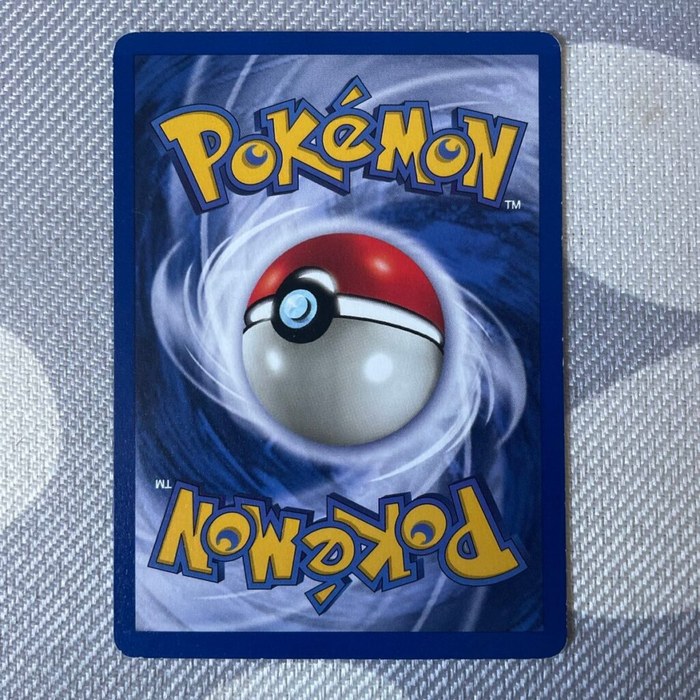
The Trading Cards Gallery
Japanese and international card backs side by side: Pokémon, Yu-Gi-Oh!, Magic and Carddass, with the histories and questions behind them.
The History of Yu-Gi-Oh! Cards in Japan and the West
Vol.1 in February 1999, a second game in the West from 2002, one court fight over the TCG, and two banlists from 2013.
What is the difference between the OCG and the TCG?
Two regions, two card backs, two banlists: the OCG runs months ahead, hundreds of its cards have never crossed over, and the two games cannot be mixed in one deck.
Why were Yu-Gi-Oh! card artworks changed outside Japan?
Crosses, ankhs, firearms and hemlines redrawn for the international editions, and the names rewritten with them: Black Magician became Dark Magician.
Why do the OCG and the TCG have different rarities?
The same foil has two names: Holographic Rare in Japan is Ghost Rare in the West, and an Ultimate Rare is embossed across the whole card only in Japan.
When did Magic: The Gathering first appear in Japanese?
Fourth Edition, April 1995: the first Asian language printing, black bordered first because a card had to earn its white border in its own language.
Why do some Japanese Magic cards have different art?
War of the Spark gave all 36 planeswalkers new Japanese art, including a Liliana by Yoshitaka Amano, printed only in Japanese.
The History of Carddass
Bandai's vending machine cards from 1988: named for a weather data system, built as an information source for kids, and older than the trading card games that followed.
Were the first Pokémon cards Carddass cards?
Yes: Bandai's vending machine cards reached Japan in September 1996, a month before the trading card game, in red and green versions of all 151.
TRAILS
26 shelves
The history of the Trails series
From a 1989 Dragon Slayer spin-off to a thirteen-game, single-story saga: how Falcom's Trails became the longest continuous narrative in JRPGs.
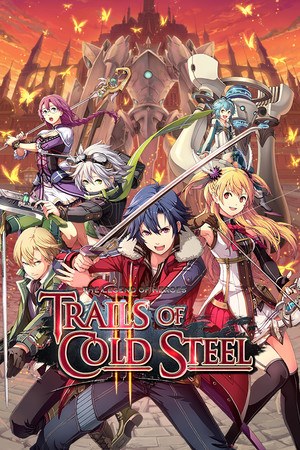
The Trails map: four arcs, one continent
Liberl, Crossbell, Erebonia, Calvard: the four arcs of the Trails series mapped on one continent and one timeline, in the order Falcom tells them.
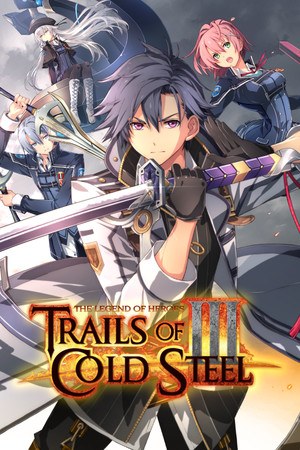
The Trails box art gallery
Eleven verified pieces of Trails key art in release order, the paintings the series' boxes and storefronts have carried from Liberl to Calvard.
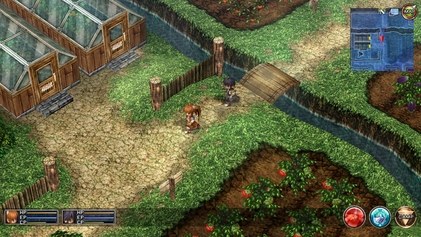
In what order should you play the Trails games?
The spoiler-free answer: release order is story order. The Trails play order explained arc by arc, with the honest entry points and the games you can't skip.
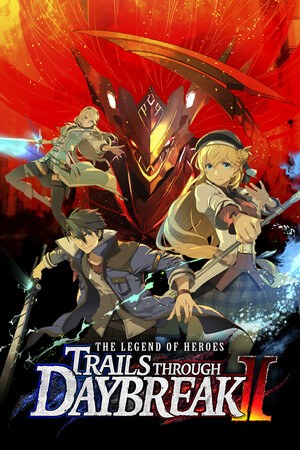
How many Trails games are there?
Counted carefully: 13 main Trails entries, 2 remakes, and the wider Legend of Heroes family at 17 numbered games, the census, with every count defined.
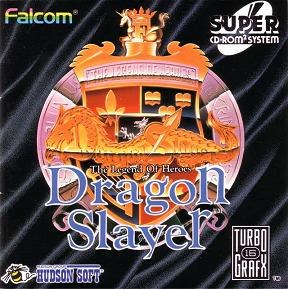
Before Trails: Dragon Slayer and the first Legend of Heroes
Trails began as Legend of Heroes VI, which began in 1989 as a Dragon Slayer game. The two Dragon Slayer: The Legend of Heroes titles, documented.
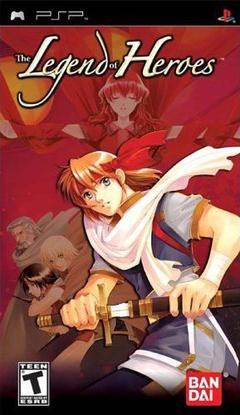
The Gagharv trilogy: Legend of Heroes III, IV and V
The White Witch, A Tear of Vermillion and Song of the Ocean (1994–1999): one world split by a chasm, told out of order, and the West's scrambled PSP editions.
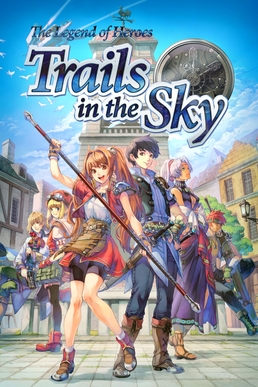
Trails in the Sky: the first chapter, documented
The 2004 PC original, the 2006 PSP port and the nine-month edit: Trails in the Sky First Chapter, the foundation stone of the longest story in JRPGs.
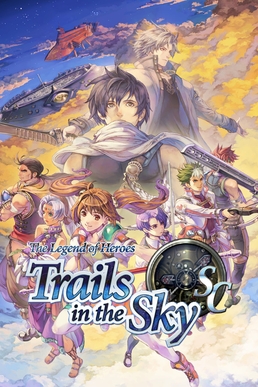
Trails in the Sky SC: the second chapter, documented
Trails in the Sky SC (2006): the sequel that took nine years to cross the Pacific, a 3-million-character script and the localisation that nearly sank XSEED.
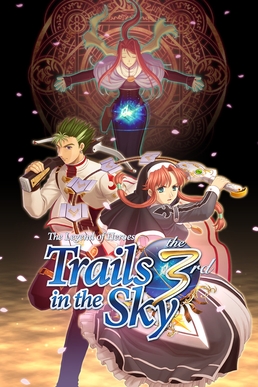
Trails in the Sky the 3rd: the book of doors
Trails in the Sky the 3rd (2007): Kevin Graham, the Phantasma, and the vignette

How Trails in the Sky was localised: the XSEED years
1.5 million characters, a nine-month edit, a white whale named SC: how XSEED brought Trails in the Sky West between 2010 and 2017, documented from the record.
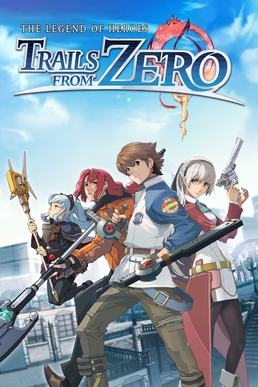
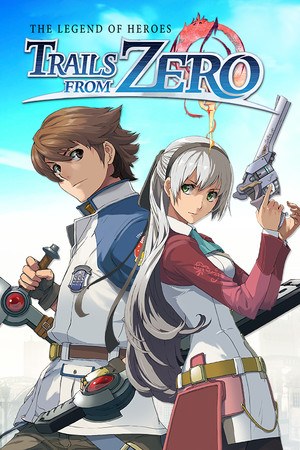
Trails from Zero: Crossbell's first chapter
Trails from Zero (2010): Lloyd Bannings and the Special Support Section, the two-game Crossbell arc that the West waited twelve years to play officially.
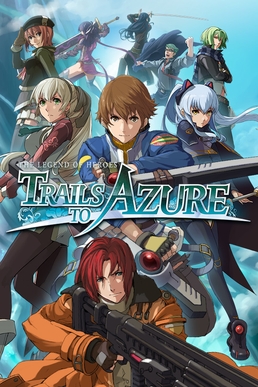
Trails to Azure: Crossbell's conclusion
Trails to Azure (2011): the second and final Crossbell game, save-data imports, a city voting on its own fate, and a finale Cold Steel assumes you have seen.
How the Geofront brought Crossbell West
A fan team named after a sewer district translated two of the largest scripts in gaming, gave them away, and NIS America licensed them. The Geofront, documented.
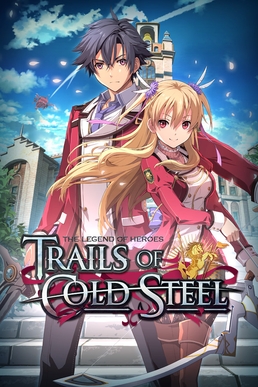
Trails of Cold Steel: the Erebonia arc, in four parts
Trails of Cold Steel I–IV (2013–2018): a military academy, a civil war, a curse, the four-part structure of the Erebonia arc and its place in the saga.
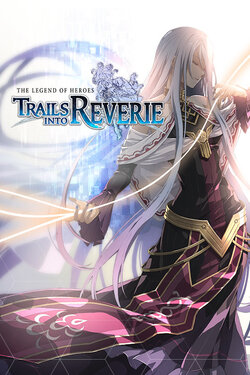
Trails into Reverie: the capstone
Trails into Reverie (2020): three routes, two arcs closed, one door opened, how Falcom's Hajimari no Kiseki works as the hinge of the entire Trails saga.
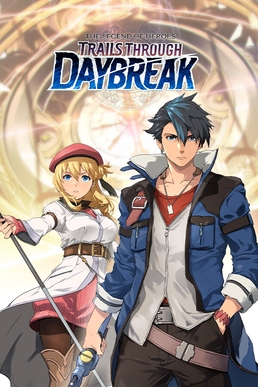
Trails Through Daybreak: the Calvard arc begins
Trails Through Daybreak and Daybreak II (2021–2022): Van Arkride, the spriggan's trade, a hybrid battle system, the second half of the Trails saga opens.
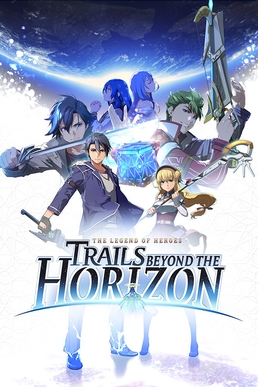
Trails Beyond the Horizon, and the road to the ending
Kai no Kiseki (2024), Trails Beyond the Horizon in English (2026): the Calvard arc's third game, a story Falcom says is 90% told, and a finale set for 2032.
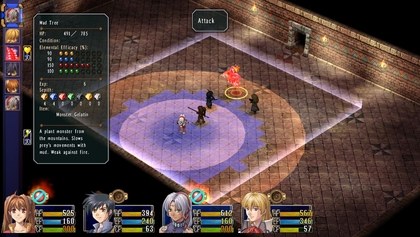
Why are the Trails scripts so big?
1.5 million characters for one game, 716,401 English words for its sequel: the documented numbers behind the Trails series' enormous scripts, and why they happen.
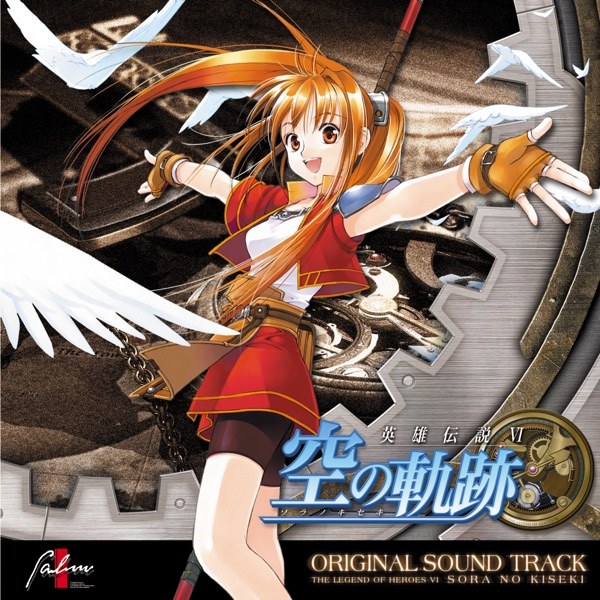
The music of Trails: Falcom Sound Team jdk
One anonymous credit across four decades: Falcom Sound Team jdk, Sonoda, Unisuga, Jindo, Singa, the jdk BAND, and the anonymity tradition behind the Trails scores.
Who publishes Trails in English?
XSEED, NIS America, GungHo, Ghostlight, Clouded Leopard: the full English publishing map of the Trails series, house by house and era by era.
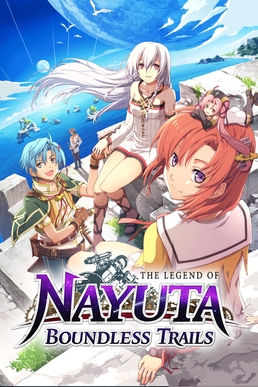
The Legend of Nayuta: Boundless Trails, the spin-off that isn't Zemuria
Nayuta no Kiseki (2012): an action RPG wearing the Trails name, set on a drowned world of falling star fragments, and the series' strangest collecting footnote.
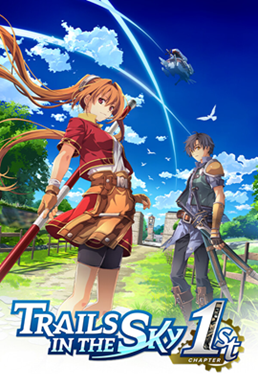
Trails in the Sky 1st Chapter: the remakes, documented
September 19, 2025: Falcom rebuilt its 2004 foundation in full 3D and launched it worldwide on one day. The Sky remakes, 1st Chapter, 2nd Chapter, in full.
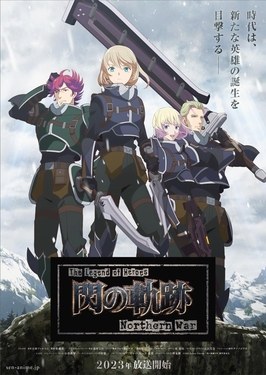
The Trails anime: the Sky OVA and Northern War
Three animated Trails works across thirty years: the 1992 Dragon Slayer OVA, Kinema Citrus' Sky SC OVAs, and Tatsunoko's Northern War series (2023).
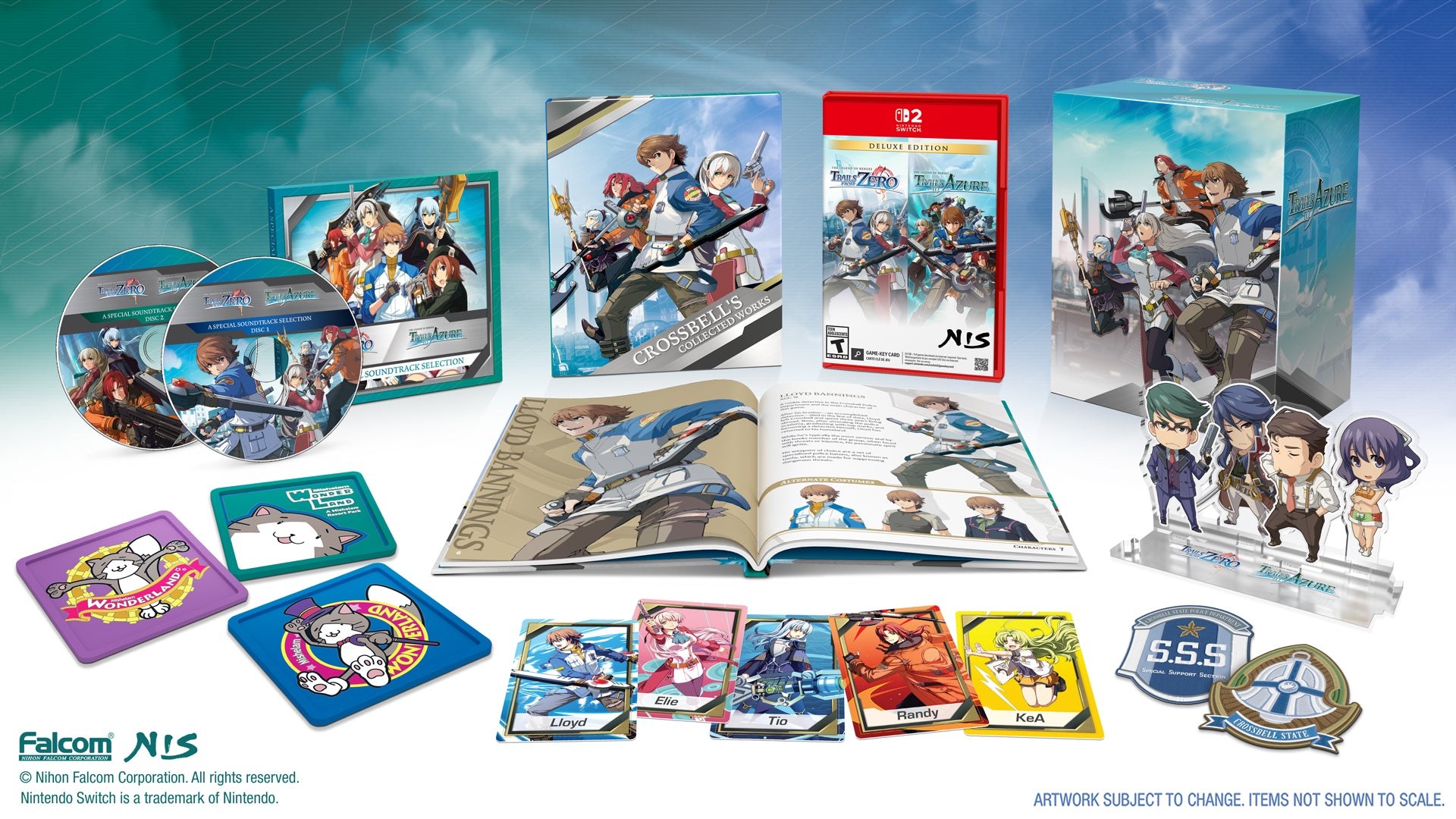
Trails limited editions: a collector's guide
Lionheart boxes, Bracer Editions, drama CDs carrying cut chapters: the Trails series' limited and special editions, Japanese and Western, documented in text.
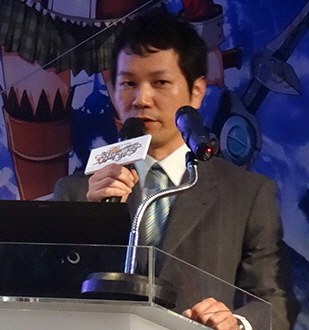
Toshihiro Kondo: the fan who became Falcom's president
He built a fansite for The White Witch, applied for an accounting job, and inherited the company: Toshihiro Kondo and the Trails series he calls his life's work.
TREASURE
10 shelves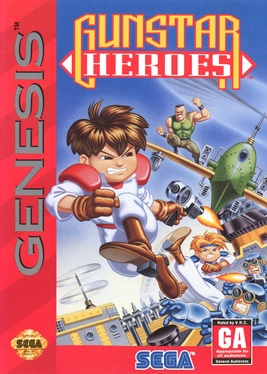
The Treasure Gallery
Gunstar Heroes, Guardian Heroes, Radiant Silvergun, Ikaruga, and Sin and Punishment: the verified art, the honest gaps, and the histories behind them.
The History of Treasure
The Konami staff whose original game was rejected in 1991, who left in 1992, and who had to prove themselves on a McDonald's game first.
The History of Gunstar Heroes
Treasure's 1993 debut: six builders, weapon combinations, Seven Force, and the thirteenth producer who approved the American release.
The History of Dynamite Headdy
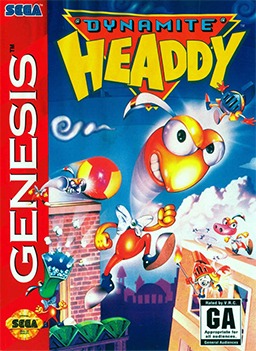
The 1994 puppet platformer whose American version was made about twice as hard for the rental market, with dialogue removed and sprites changed.
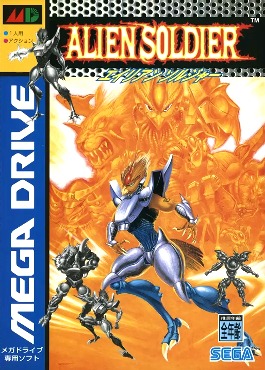
The History of Alien Soldier
Hideyuki Suganami's boss rush for hardcore Mega Drive players: 100 bosses planned, 26 shipped, and no American cartridge at all.
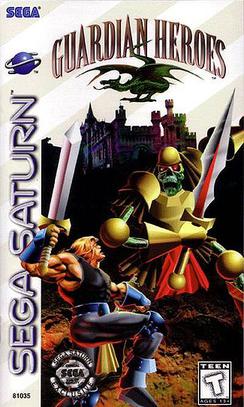
The History of Guardian Heroes
The Saturn fighting RPG with three battle planes, branching paths, a karma meter, and a 2011 remaster rescued from DAT tapes.
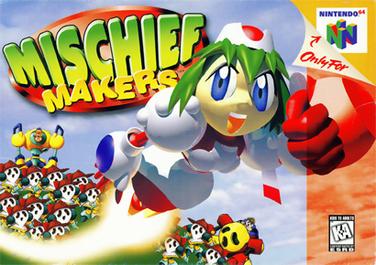
The History of Mischief Makers
Treasure's first Nintendo game and the Nintendo 64's first 2D side-scroller: Marina grabs, shakes, and throws everything on Planet Clancer.
The History of Radiant Silvergun
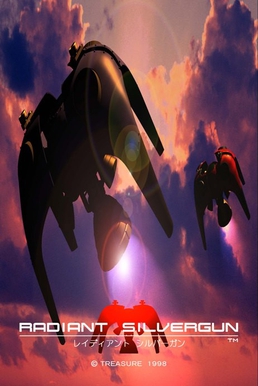
Hiroshi Iuchi's 1998 Saturn shooter: seven weapons from the first second, color chaining, Hitoshi Sakimoto's score, and no Western release until 2011.
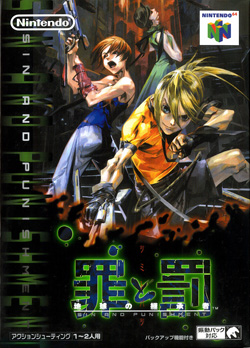
The History of Sin and Punishment
Treasure and Nintendo's 2000 rail shooter, built for the Nintendo 64 controller grip nobody used, Japan only until the Wii Virtual Console in 2007.
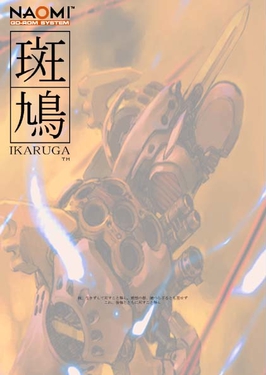
The History of Ikaruga
Project RS2, prototyped at home after hours: the polarity shooter where you absorb the bullets that match you and die to the rest.
TRIGUN
4 shelfs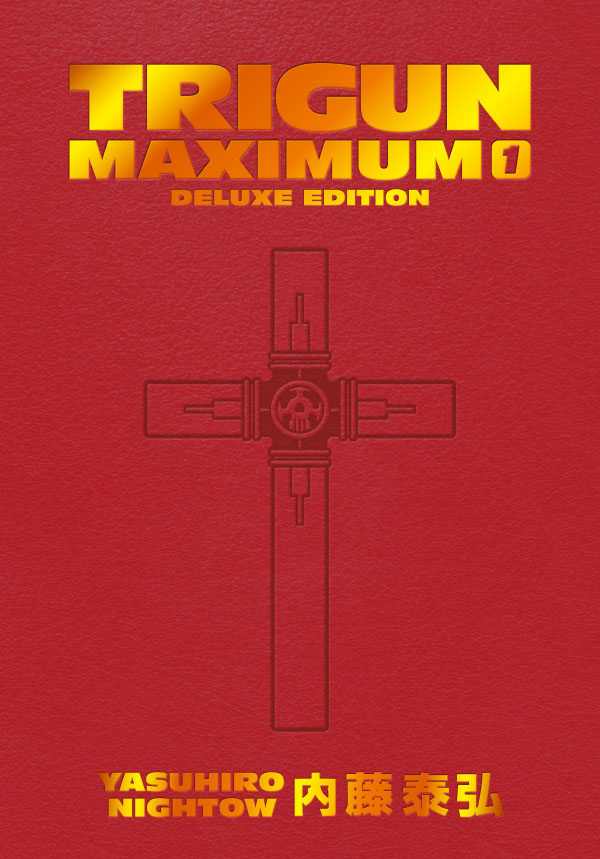
Why did Trigun become Trigun Maximum?
Its magazine ceased publication in 1996. Nightow resumed the same series at Young King OURs, and said the only reason for the new title was the switch of publishing house.
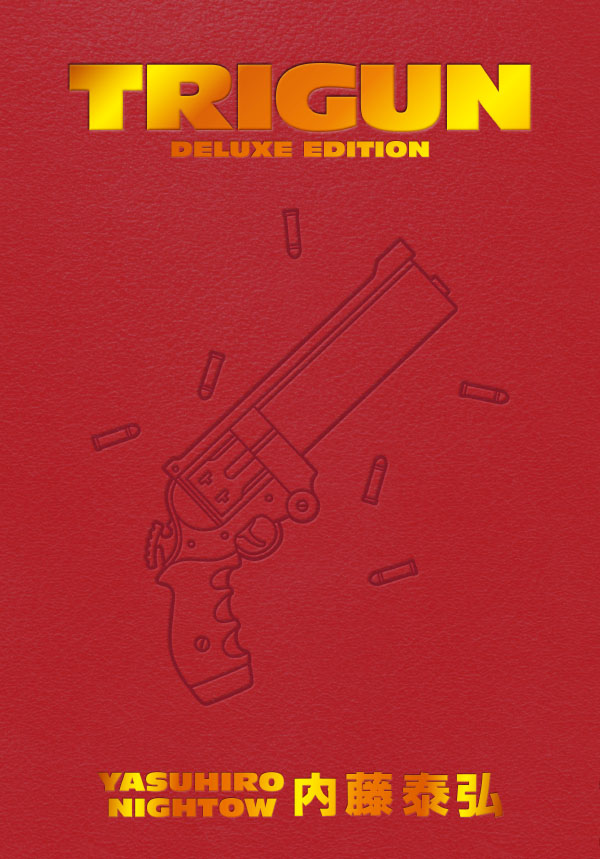
Why does the 1998 Trigun anime end differently from the manga?
It aired in 1998 while the manga was still being written, and the manga ran on in print until 2007. The second half and the ending are the anime's own invention.
What inspired Trigun?
Star Wars and its Tatooine desert, John Woo's gunplay, and a pacifist gunman built against the action movies, in Nightow's own words.
Why did Trigun Stampede reimagine Trigun instead of retracing it?
The producers called the manga and the 1998 anime masterpiece level, so there was no point doing the same thing. Nightow told them to do whatever they liked.
UNREAL TOURNAMENT
5 shelves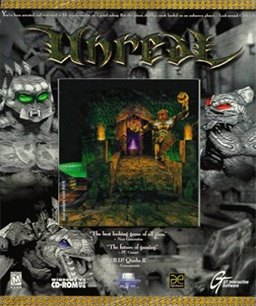
Was the Unreal Engine built for Unreal Tournament?
No: it was built for Unreal (1998). UT was the showcase that turned it into an empire.
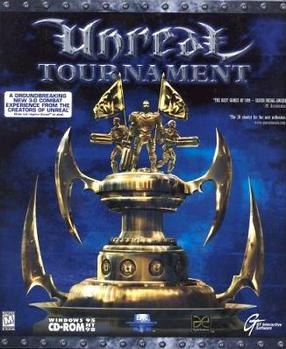
Whatever happened to Unreal Tournament?
The open reboot, the Fortnite silence, and the January 2023 switch-off, in order.
How did Unreal Tournament's mods change gaming?
Tools in the box, a million-dollar contest, and the mods that graduated into Tripwire and Killing Floor.
Why is Facing Worlds the most famous map in Unreal Tournament?
Two towers, one bridge, nowhere to hide: Inoxx's engine test that outplayed every other CTF map combined.
Why does Unreal Tournament use tracker music?
Demoscene composers Brandon and van den Bos shipped the score as tiny tracker files with two names left off the box.