
Japanese vs English Tales Box Art
The famous split is Symphonia’s, but the deeper regional story is in names, rating strips, and which art each era chose to share.
Regional box art is where a series tells two audiences two different stories about the same game. Tales has a textbook case, pictured below from verified covers, and a quieter long arc behind it: the further into the series you go, the more the two regions’ boxes converge, because the games themselves stopped arriving in pieces.
TALES OF SYMPHONIA, GAMECUBE, 2003 / 2004
One game, two covers, both by the same studio system
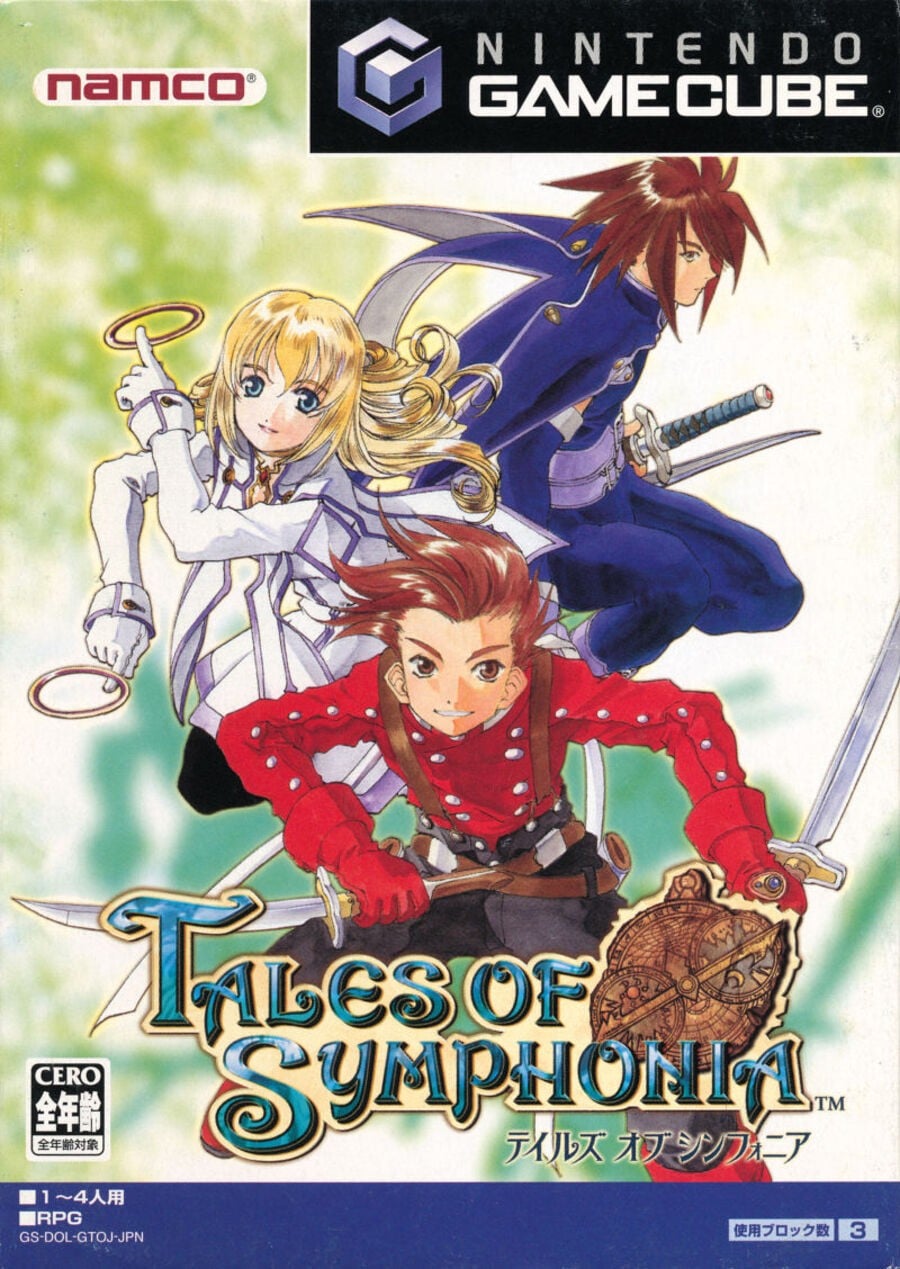
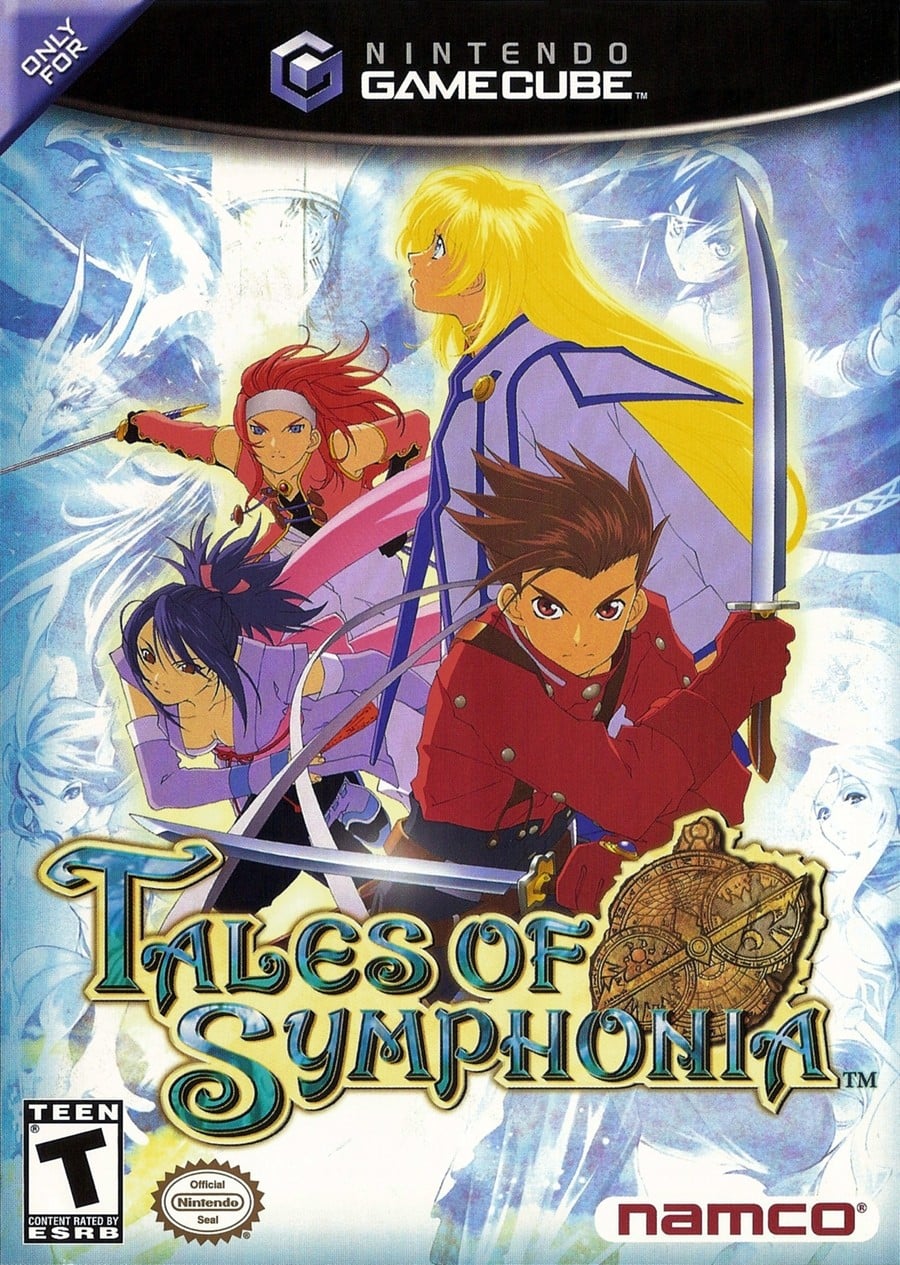
The pair is the series’ regional story in one frame: Japan sold mood, the West sold incident. Both covers are Namco’s own art; the difference is what each market’s shelf rewarded in 2003.
THE OTHER SPLITS
Names, strips and convergenceThe cover that is a different title
The most extreme Tales box difference is a name, not a picture: the American Eternia box reads Tales of Destiny II. Two genuinely different games, Eternia and Destiny 2, have carried one English title between them, and collectors still untangle the pair on sight.
What to read on a Japanese box
A Japanese Tales sleeve documents itself: CERO rating at the corner, the platform holder’s strip, and a catalog code tying the box to its exact release. Against an English box’s ESRB block and review quotes, the Japanese original reads as the cleaner archival object, one reason import copies anchor so many collections.
The convergence
By the PS3 years the regions were increasingly sharing key art, and Arise launched worldwide behind a single campaign image. The box-art era of two stories ends the way the release-gap era did: with simultaneity. The splits worth collecting are the early ones, which is to say, the classic ones.