
The Trading Cards Gallery
Four card games, two print traditions each, and the differences are printed on the cards themselves.
Japan did not receive translated editions of the world's card games so much as it ran parallel printings of its own. Pokémon kept a Japanese card back no other language uses. Yu-Gi-Oh! split into two games, the OCG and the TCG, with different backs, different art and different foil. Magic arrived in Japanese in 1995 and eventually commissioned art that exists only in Japanese. And before any of them, Bandai's Carddass machines were selling character cards from vending machines. Every pair below is a door: behind it sits the history, and behind that the questions.
Where no card image could be verified for this page, the tile shows the gold owl instead and says so. No pair on this page is fabricated.
POKÉMON
Two backs, two 1st Edition timelines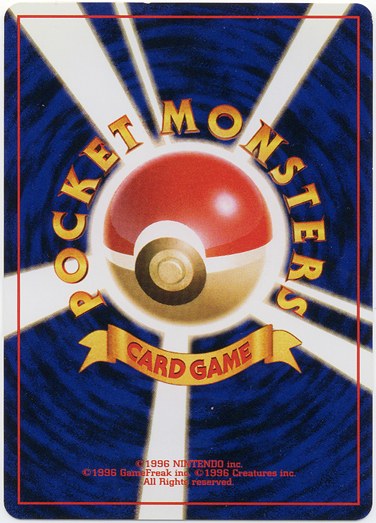
Japan · The old back · 1996 to 2001
POCKET MONSTERS arched over the ball, CARD GAME on a gold ribbon. The back Japan started with, and the first tell of a vintage Japanese card.
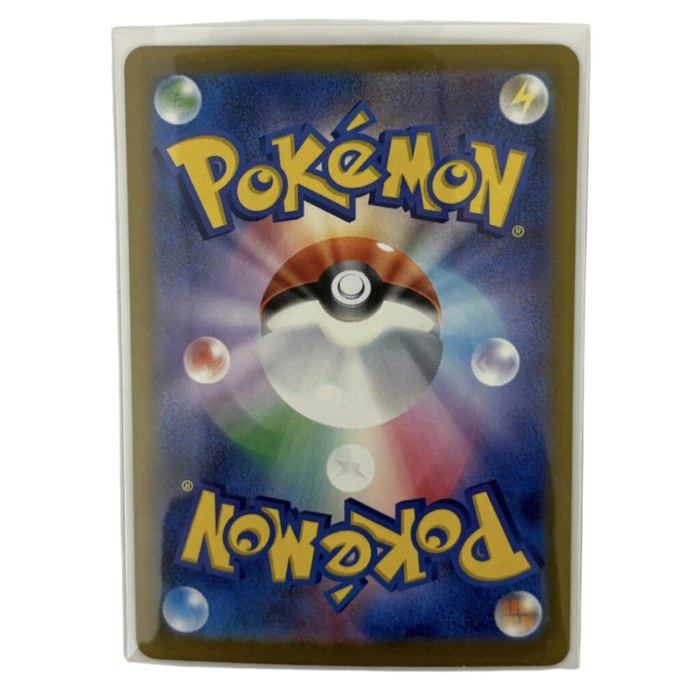
Japan · The current back · 2001 to today
A thick gold border and seven Energy orbs, redesigned in July 2001 and never merged with the world's back.
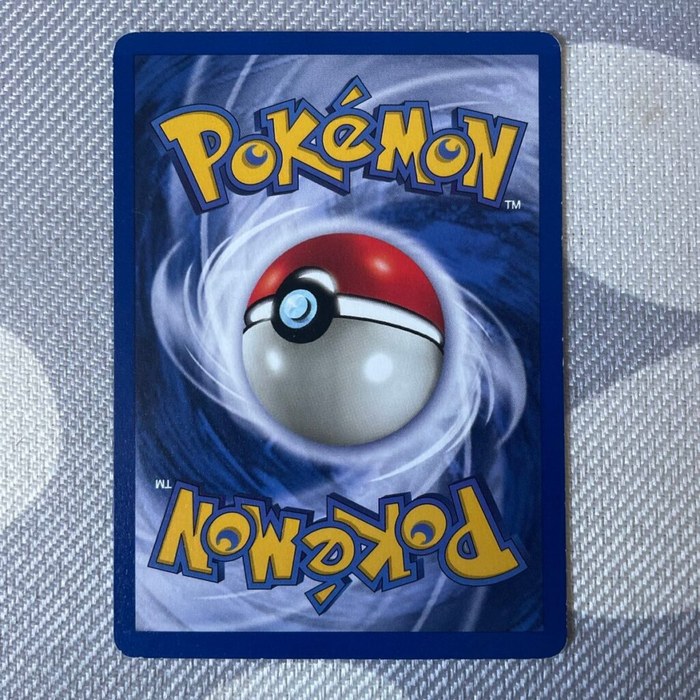
The world · The international back · 1999 to today
Dark blue border, white swirl, one illustration kept since 1999 for every language except Japanese.
The History
The History of Pokémon Cards in Japan and the West: two publishers, two backs, and two 1st Edition timelines that never lined up.
The Backs Question
Why do Japanese Pokémon cards have different backs? The Library's founding card page, with all three backs dated and pictured.
The Stamp Question
Do Japanese Pokémon cards have 1st Edition stamps? Yes, but only from 2001, just as the West was dropping them.
YU-GI-OH!
OCG and TCG: one game, printed as two
Japan and Asia · The OCG back
Image gap, stated plainly: no OCG card back could be verified for this page, so the gold owl stands in. The Japanese back carries the Japanese logo and the words Official Card Game Duel Monsters in katakana.
The West · The TCG back
Image gap, stated plainly: no TCG card back could be verified for this page, so the gold owl stands in. Every TCG language shares one back and one logo; the OCG alone varies its back by region.
The History
The History of Yu-Gi-Oh! Cards in Japan and the West: Vol.1 in 1999, a Western edition from 2002, and a permanent split.
The Two Games
What is the difference between the OCG and the TCG? Regions, backs, banlists, release lag and hundreds of unimported cards.
The Art Question
Why were Yu-Gi-Oh! card artworks changed outside Japan? Crosses, ankhs, firearms and hemlines, redrawn and renamed.
The Foil Question
Why do the OCG and the TCG have different rarities? One foil, two names, and embossing that covers the whole card only in Japan.
MAGIC: THE GATHERING
An American game, printed in Japanese since 1995
Japan · Fourth Edition · 1995
Image gap, stated plainly: no Japanese Fourth Edition card could be verified for this page, so the gold owl stands in. The first Japanese Magic printing was black bordered, on purpose.
Japan · War of the Spark · 2019
Image gap, stated plainly: no Japanese alternate art planeswalker could be verified for this page, so the gold owl stands in. All 36 planeswalkers were redrawn by Japanese artists.
CARDDASS
Bandai's vending machine cards, from 1988
Japan · Carddass · 1988
Image gap, stated plainly: no Carddass machine or card could be verified for this page, so the gold owl stands in. The line began with Saint Seiya in 1988.
Japan · Pokémon Carddass · 1996
Image gap, stated plainly: no Pokémon Carddass card could be verified for this page, so the gold owl stands in. Red and green versions of all 151, a month before the card game.