The History of Gunstar Heroes
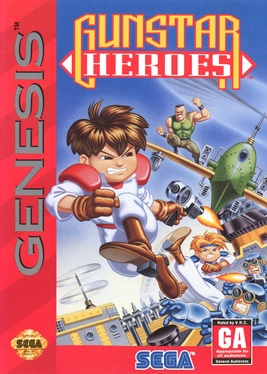
Gunstar Heroes (Genesis, September 10, 1993 in Japan, the same month in the West) is Treasure's first game: a two player run and gun about the Gunstar brothers stopping an empire from recovering four powerful gems. It was planned inside Konami from 1991, rejected there, and finished by the staff who quit to found Treasure.
THE MAKING
A six person core, nine to ten monthsDevelopment lasted about nine to ten months with a core team of six: two programmers, two graphic designers, and two sound programmers, inside a company of about 18. There was no designer role; everyone designed. The working title was Lunatic Gunstar, dropped because Sega of America disliked the word; Blade Gunner, an homage to Blade Runner, was dropped over copyright concerns; Sega of America suggested Heroes, and the name stuck.
The Genesis hardware shaped the game. The team used sprite rotation and scaling tricks to fake three to four background layers on a machine that supports two, fought the 64 color limit with extra coloring work, and built the multi-limbed boss Seven Force out of combined circles and squares because moving one huge sprite was beyond the video memory. Maegawa's claim on the record is blunt: the boss animation the game needed would not have worked on the Super NES. The finished game was 16 megabits, compressed to fit under 8.
Composer Norio Hanzawa scored it, and Maegawa won a small, rare privilege for the era: a Treasure logo on boot, developer credit most studios of the time never got.
THE DESIGN
Combine the weapons, throw the enemiesGunstar Heroes is a two player run and gun in the Contra line, with seven stages, the first four playable in any order, and formats that keep changing: a mine cart ride, a fight on a helicopter, a full board game stage. The signature system is weapon combination: four shot types (homing, lightning, flamethrower, machine gun) can be paired into new weapons, a homing machine gun or a doubled lightning gun among them. On top of the shooting, the heroes slide, jump, grab, and throw enemies bodily, which gives the game its wrestling energy.
THE RELEASE
Ten thousand copies, then word of mouthSega underestimated it in both markets. The initial Japanese shipment was only 10,000 units, and Sega of America ordered a small run too; the American release was nearly refused outright and was approved by Mac Senour, the thirteenth producer in the review queue, after twelve others rejected it, partly, he believed, because the small sprites looked wrong next to the era's big sprite games. He asked for one change: a boss that looked too much like Adolf Hitler was altered. The game spread by word of mouth and by GameFan, which championed it and published Treasure's first English language interview. It shipped about 70,000 copies in Japan and 200,000 overseas.
THE RECEPTION
The scores, with the dissent keptTHE GAME ON THE SHELF
Gunstar Heroes · Genesis