Why is Resident Evil called Biohazard in Japan?
In Japan, the 1996 original is Biohazard, and the title is a description: the horror is a biological hazard, an engineered virus escaped from a corporation's laboratory, turning a mansion's staff and a city's future into specimens. The name points at the cause. Nothing in it is decorative.
The problem was purely American, and it is documented by the man who raised it. Chris Kramer, Capcom USA's director of communications, told GamesRadar that in late 1994 he warned his marketing chief it would be virtually impossible to register Biohazard as a trademark in the United States: a recently released MS-DOS game already used the name, as did a New York hardcore band called Biohazard, and Sega's 1992 Bio-Hazard Battle crowded the shelf further. The name was legally occupied territory.
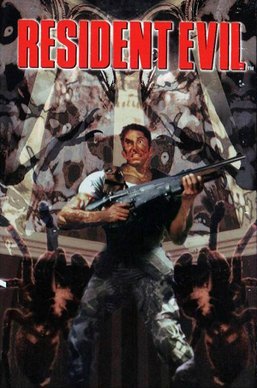
So the head of marketing ran a company-wide contest. The winning entry, submitted by a designer at Capcom Digital Studios, was Resident Evil: a pun on the mansion the game is set in, a resident, and an evil. Kramer voted against it. "I thought it was super-cheesy," he admits, but the marketing team loved it and convinced Capcom Japan and director Shinji Mikami that it fit. Europe took the American name; Japan kept Biohazard; and in 2017 the two titles finally merged on the same boxes: Resident Evil 7: Biohazard in the West, Biohazard 7: Resident Evil at home.
THE TWO TITLES
Threat vs address