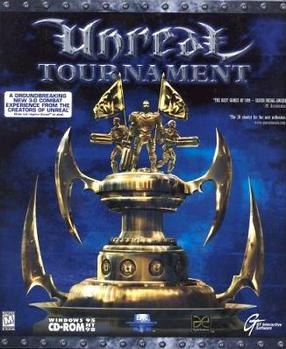
Was the Unreal Engine built for Unreal Tournament?
The engine came first, and it came from one man's garage-era obsession. Tim Sweeney, founder of Epic MegaGames, spent roughly four years building the technology, in the words of Epic's own postmortem on the follow-up game, before it shipped inside Unreal on May 22, 1998. Unreal was co-developed with Canada's Digital Extremes: a single-player, story-driven shooter about a prisoner loose on an alien world, designed to out-render id Software's Quake games. The engine was not yet a product. It was the game's skeleton.
Licensing started the same year, quietly: other studios, Legend Entertainment and MicroProse among them, built 1998 and 1999 releases on the rented technology. And Unreal Tournament itself began as something small, an add-on pack meant to fix Unreal's widely criticized multiplayer. The add-on grew a team, a scope and a name, and shipped on November 23, 1999 as a full game, weeks ahead of Quake III Arena. UT was not the engine's purpose. It was its demonstration: the netcode rebuilt, the bots sharpened by Reaper Bot creator Steve Polge, the tools polished in public.
The empire followed the tooling. The engine went on through numbered generations under hundreds of other companies' games, and in 2014 Guinness World Records named Unreal Engine the most successful video game engine in the world. The chronology matters because it explains the shape of Epic today: the arena shooter was a chapter. The engine was always the book.
THE TWO BOXES
1998 and 1999