The History of Mega Man 6
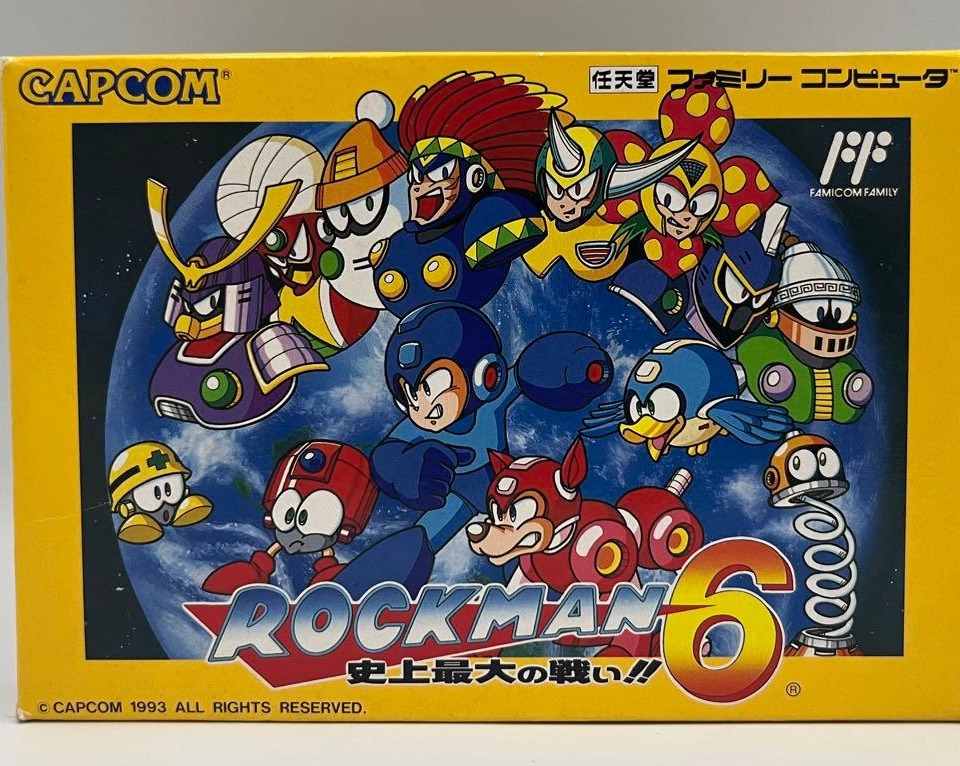
A world robot tournament ends the way these things end: the sponsor, Mr. X, reprograms the eight finalists and announces he has been manipulating Dr. Wily all along. Mega Man 6, Rockman 6: The Greatest Battle in History!! in Japan, launched on the Famicom on November 5, 1993. It is the final classic Mega Man on the NES, the first to take fan designs from outside Japan, and the game Capcom declined to publish in North America at all.
THE MAKING
Two contests, one world stageMega Man 6 was developed at the same time as Mega Man X, the spin off built for the newer Super NES, and Inafune has reflected that a franchise reaching six titles is rare, with players expecting certain things to repeat. His struggle this time was mechanical: the new Rush Adaptors fuse Mega Man and Rush into armored forms, and, as he put it, they should not be able to combine like this, and something, Rush's neck for instance, would be left over. He found the results unrealistic and said so.
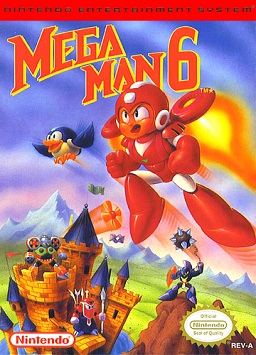
The design theme was, in his words, the world is our stage. The contest went worldwide: more than 200,000 submissions arrived across the Japanese contest and Nintendo Power's North American one, and for the first time two Robot Masters, Knight Man and Wind Man, were designed by North American fans. The North American box honors them by putting both on the cover. Yuko Takehara composed the score.
THE DESIGN
Jet armor, power armor, two roadsThe adaptors split Rush's old jobs into two suits: Jet Mega Man, who can fly briefly but cannot charge a shot, and Power Mega Man, whose short range punch breaks blocks. Four of the eight stages carry branching paths to two different boss rooms, and only the harder road earns the letter plates that rebuild Beat. An Energy Balancer quietly refills your emptiest weapon first, a small mercy new here.
Mr. X's disguise lasts exactly as long as his fortress does. Beneath it is Wily, and the ending does something the series had never managed: Wily is finally brought to justice and sent to prison. Mega Man 7 opens six months later with the jailbreak.
THE RECEPTION
A rock of reliable fun, or the cheesiestThe publishing story is the reception's other half. With the NES declining and the Super NES ascendant, Capcom chose not to publish Mega Man 6 outside Japan; Nintendo of America published it in March 1994, and bundled its hopes with the top loading NES 101 console at $49.99. Europe did not receive the game at all until a 3DS Virtual Console release in June 2013, nearly twenty years later. GameSpot's historians called it the cheesiest of the NES titles; the argument about whether the last NES game is a swan song or a rerun has never settled.
THE GAME ON THE SHELF
Mega Man 6 · 1993