
Why is Mega Man 2's Dr. Wily theme so famous?
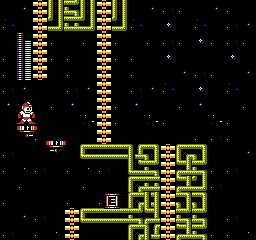
The music for Dr. Wily's castle in Mega Man 2, the track players meet in the first two Wily stages, is routinely ranked among the greatest video game themes ever written. Its composer, Takashi Tateishi, has said the piece is a salvage job: data limits forced him to build it from its first eight measures, repeated, and the companion theme he planned for the second stage was abandoned entirely. The most famous Mega Man music is the sound of a constraint.
THE COMPOSER
A band musician in a classical shopTateishi was an outsider twice over. Capcom hired him in 1988, the year of the game, after work on Mad Gear; unlike his contemporaries in the company's sound team he was not classically trained, drawing instead on his years performing in a band. He set out to move the music away from the classical sound common at the time, with Mezzoforte and Yellow Magic Orchestra as his stated influences. Director Akira Kitamura pushed back on his softer drafts as too cute for the game; exactly one fragment of that rejected gentler score survives in Mega Man 2, repurposed as Crash Man's stage theme. Tateishi left Capcom soon after, with Kitamura, to make Cocoron, and never scored another Mega Man.
He was also the replacement. Manami Matsumae, the first game's composer, had been moved to the arcade division, the more prestigious assignment, so the sequel needed a new hand; she still touches the game, in the title theme adapted from her Mega Man 1 credits music and in a co-composed piece of Air Man's melody. The two worked closely, each assisting the other on a 1988 Capcom title in turn.
THE AFTERLIFE
What the rankings sayBrandon Sheffield, writing for Gamasutra in 2009, used the soundtrack as the example of something contemporary game music had lost: instantly recognizable identity. The Wily theme's structure is the reason why. Eight measures, engineered to loop without exhausting the ear because looping was all the cartridge allowed, became a hook that repetition only strengthens. The constraint and the fame are the same fact.