
How did Shadow of War's microtransactions change after launch?
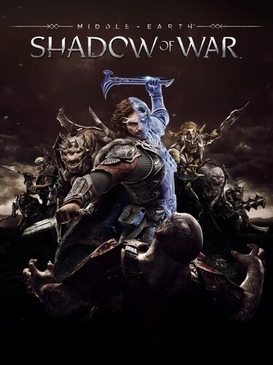
Middle-earth: Shadow of War, Monolith Productions' sequel to Shadow of Mordor, launched on October 10, 2017 with a real money store built into a single player game. Its marketplace sold reward chests for purchase: Loot Chests with gear and consumables, War Chests that unlocked Orc followers and training orders, and Spoils of War Chests that unlocked high level followers. Gold, bought with real money, was the store's premium currency, alongside Mirian earned in play.
The store was the game's most criticised feature from the start. Wikipedia's reception summary records that the introduction of microtransactions and loot boxes was widely criticised by critics, and Polygon's own review, quoted in its later news report, called the choice between a huge time investment and spending real money for more powerful Orcs "at least greedy if not predatory."
On April 3, 2018, Monolith announced the store would go. In its statement, the studio said the core promise of the Nemesis system is building relationships with your personal allies and enemies, and that buying Orcs "risked undermining the heart of our game, the Nemesis System." It said purchasing let players miss out on the player stories they would otherwise have created, and that simply being aware purchases were available reduced immersion and took away from the challenge of building an army and fortresses.
The phase out ran on a published timetable. The option to buy Gold ended on May 8, 2018. On July 17, 2018, Gold, War Chests and the Market were permanently removed in a free update, and the marketplace and all forms of microtransactions were gone from the game entirely. The same programme of updates reworked the Shadow Wars endgame, renamed the Epilogue in July 2018 and streamlined with new narrative elements.