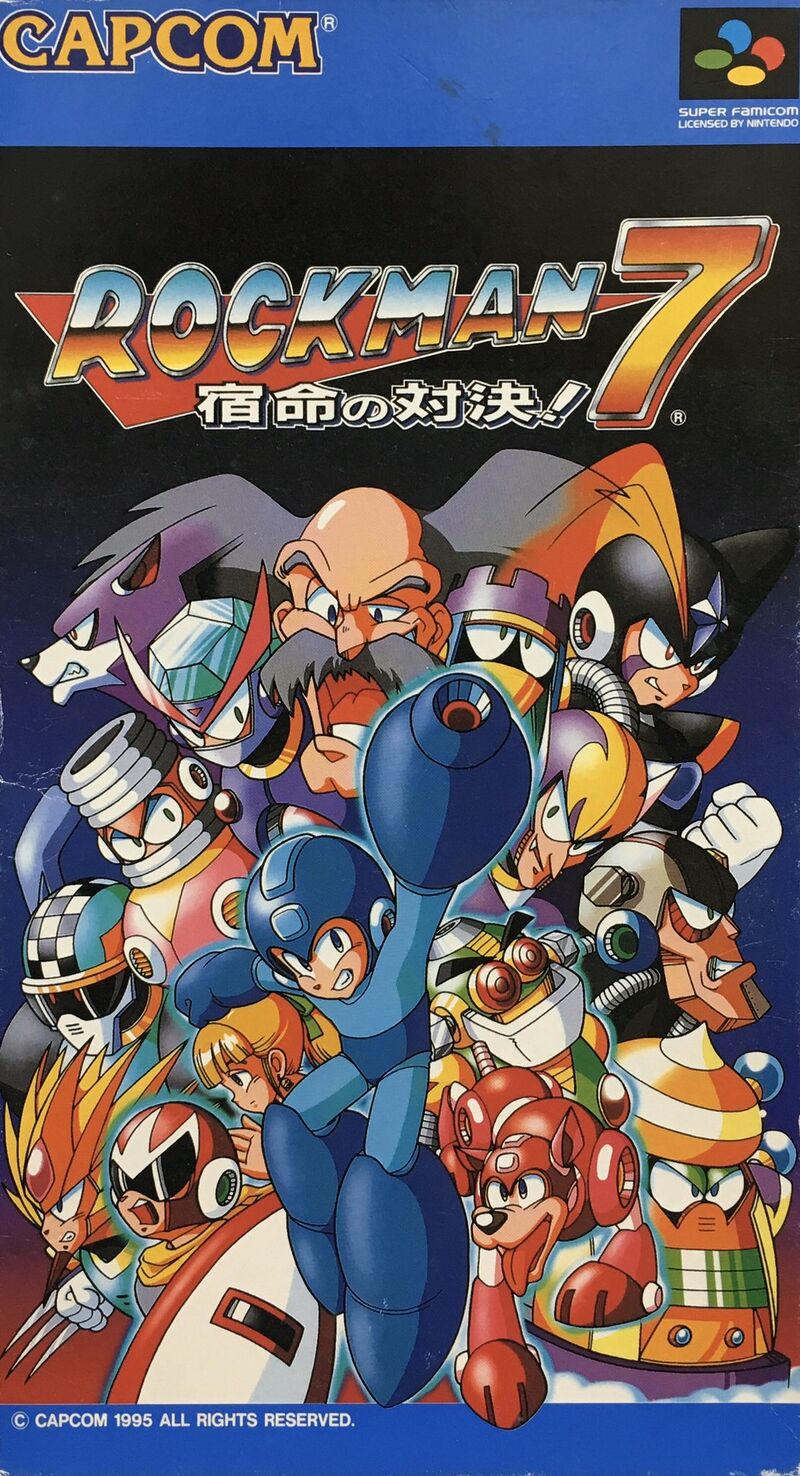
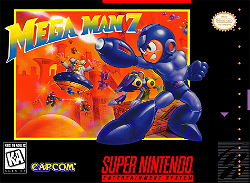
The History of Mega Man 7
Six months after Wily's imprisonment, his backup Robot Masters break him out, and Mega Man meets a black armored stranger fighting the same war. Mega Man 7, Rockman 7: Showdown of Destiny! in Japan, launched on the Super Famicom on March 24, 1995 and in North America that September. It is the classic series' only numbered stop on the Super NES, it introduced Bass, and its team built it in three months and has said so, with regrets itemized.
THE MAKING
A sports team camp, wishing for a monthThe entire game was made under a three month schedule. Keiji Inafune handed his lead duties to Hayato Kaji and found the rush, given the team's motivation, a very fun experience; Kaji agreed the team was devoted. Designer Yoshihisa Tsuda was blunter about the cost: so many things about this title that I have regrets about, and even at the time we all found ourselves wishing for another month or so to work on it. The fan contest produced around 220,000 character submissions, the series' largest.
Inafune designed Auto, Dr. Light's shopkeeper assistant, from the tin man robots he remembered from childhood, and sketched Bass and Treble under the working names Baroque and Crush before handing the pair to Kaji to finish. The shop itself, present since the Game Boy games, becomes standard here: bolts found in stages buy items and power ups between missions. Ten composers share the score, Ippo Yamada among them, pulled in from another project.
THE DESIGN
Four and four, and a fighting game in the wallsThe eight Robot Masters arrive in two waves of four, a structure new to the series. Weapons now interact with the environment, burning oil and freezing lava, one of the team's stated goals. The letters R, U, S, H hidden in the stages rebuild the Super Adaptor from Mega Man 6's two suits, with a rocket punch added.
One week before the beta deadline, the team decided to add a hidden versus fighting mode, Mega Man against Bass, Street Fighter style, on three conditions negotiated with the playtester: only those two characters, and no bugs. It was built in two days and locked behind a secret password printed in the ending. The final boss was intentionally made, in the team's own phrase, insanely hard, something that cannot be defeated without an Energy Tank.
The ending split across the Pacific. In the American version, Mega Man, after six games of mercy, aims his buster at the begging Wily and says he is more than a robot; in the Japanese version, he stops and stands in silence. The fortress interrupts both.
THE RECEPTION
A nice holdover, said the eraCapcom's own handling enters the record too. An English translation was finished in the summer of 1995, and Capcom announced it had decided not to release it; the negative reaction from gamers reversed the decision. Capcom's North American president Gregory Ballard then admitted the company shipped too conservatively that September. IGN's Levi Buchanan, in retrospect, called it one of the weaker installments despite the 16-bit jump, while IGN's Lucas M. Thomas named its most important contribution plainly: Bass, the rival the franchise kept.
THE GAME ON THE SHELF
Mega Man 7 · 1995