
How are Monster Hunter's monsters designed?
As animals first and bosses second: every monster must fit a food chain before it is allowed to be spectacular.
Series creator Kaname Fujioka has stated the rule plainly in interviews for twenty years: ‘We don’t treat monsters as just movie monsters. We think of them as part of a living ecosystem, and they have to be part of a food chain. They’re designed around the environment they’re in.’ Each creature begins as an answer to ecological questions: what does it eat, what eats it, how does it defend its territory, how would it actually move?
The rule has teeth. Fujioka has described concepts cut in review because they drifted ‘too far’, many-headed horrors and fantasy spectacle that could not exist as animals. The survivors get anatomy: skeletons, musculature, and habits that the art books document almost like field guides. World aimed, in its team’s words, for ‘a living, breathing ecosystem that, even if you didn’t turn up, would still be getting on with its business’, and Wilds pushed the same philosophy to herds, packs, and weather.
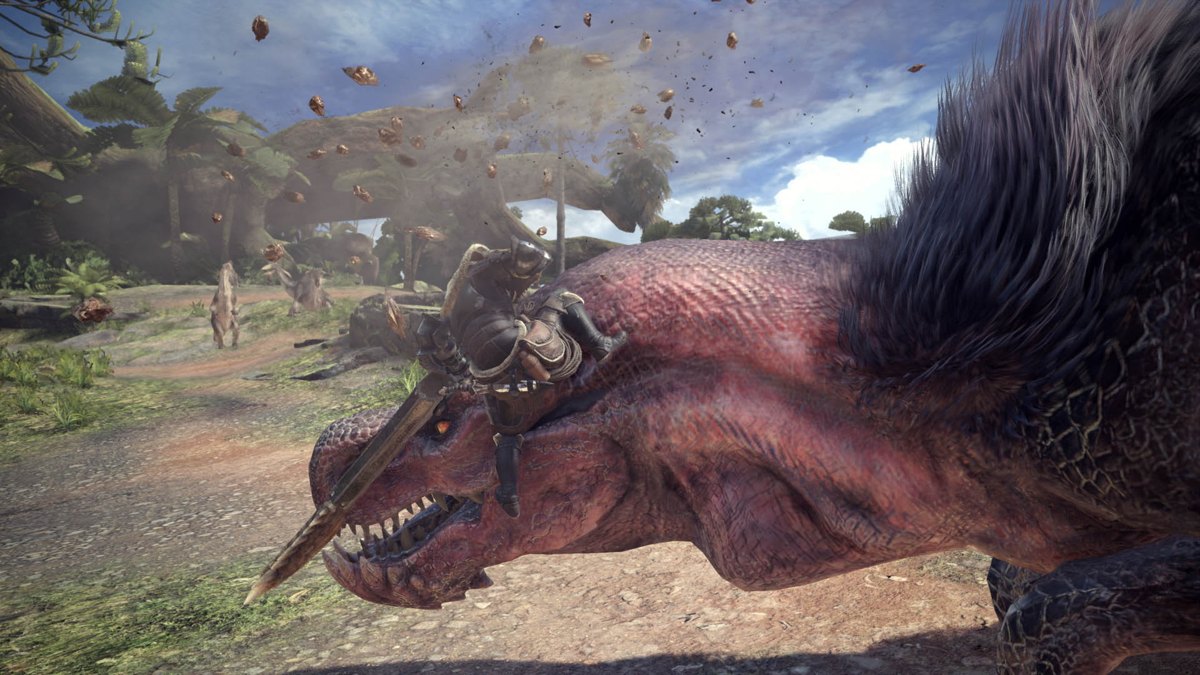
THE PHILOSOPHY AT WORK
Three proofsMore from the Library
The First Word
New pieces reach subscribers first, before they are listed anywhere. One short letter, only when there is something worth your time.