
How did the Pikmin commercial song outsell the game?
Pikmin launched in Japan on October 26, 2001, and its opening sales were soft. Nintendo's answer was a song. Producer Gan Matsumoto, credited as Takeshi Tomozuma, formed the duo Strawberry Flower with singer Tomoe Watanabe and wrote “Ai no Uta” (Song of Love): a gentle single sung from the Pikmin's own point of view, made for the game's television commercials. The song never appears in the game itself, and the commercials ran only in Japan.
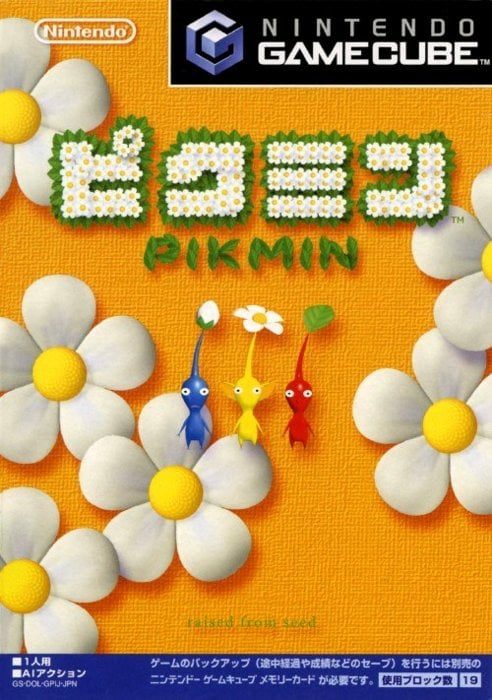
Released as a CD single on December 6, 2001, “Ai no Uta” climbed to #2 on the Oricon chart in January 2002 and stayed in the top ten for weeks. It sold over 600,000 copies. The game it was advertising reached a little over 500,000 copies in Japan. The advertisement had outsold the product.
THE NUMBERS
A commercial, charting like a pop careerTHE SONG
Sung by the Pikmin, bought by everyone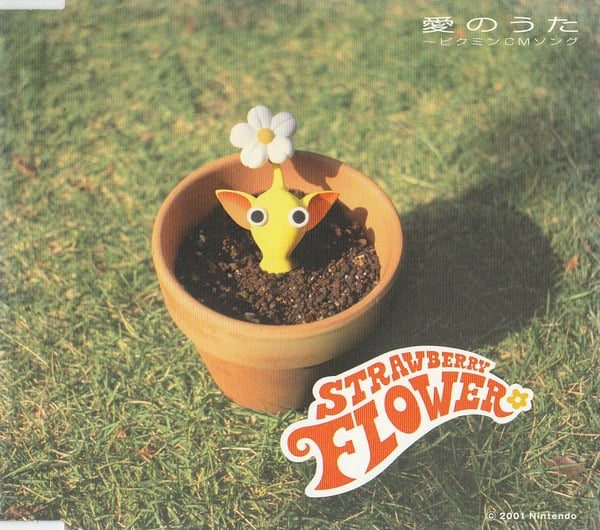
THE PHENOMENON
Sheet music, sequels, and middle-aged menThe song escaped the commercials completely. Within weeks of the chart run, two different publishers issued sheet music books of it, in January 2002. One of the most repeated details of the phenomenon is who was buying: the single's largest audience was reported to be middle-aged men, an entire demographic humming a song sung by fictional sprout creatures about being carried off to work.
Strawberry Flower's Pikmin singles went on to total roughly a million copies in Japan. Nintendo commissioned them again for Pikmin 2's commercials in 2004 (“Tane no Uta,” which reached #28), and the song itself kept resurfacing: worldwide at last in 2008, as stage music in Super Smash Bros. Brawl, and again in Pikmin 3's Japanese advertising in 2013.
That is how a commercial outsells its game. The game asked Japan for thirty days of strategy. The song asked for three minutes of feeling, and Japan bought the feeling first, in numbers the game never reached, and then, in large part because of the song, bought the game too.