From the Library: covers, censuses, and editions, documented. Browse the Library →
SOJMonster Hunter · The Series Map
← Back to the Library

What is the history of Monster Hunter?

Twenty-two years, six generations, one idea that never changed: learn the animal, then fight it.

Monster Hunter began on the PlayStation 2 in March 2004 as a modest online experiment and became, by the 2020s, one of the best-selling series in video game history, with cumulative sales passing 100 million units in 2024 and roughly 132 million by the autumn of 2026. Its history falls into three acts: a Japanese handheld phenomenon the West barely saw, a long Nintendo decade, and a global console era that began with World in 2018.

What carried it through every platform change is the loop invented in 2004: hunt a monster, carve it, wear it, hunt a bigger one. There are no experience levels for your hunter. The gear is the growth, and the knowledge is yours.
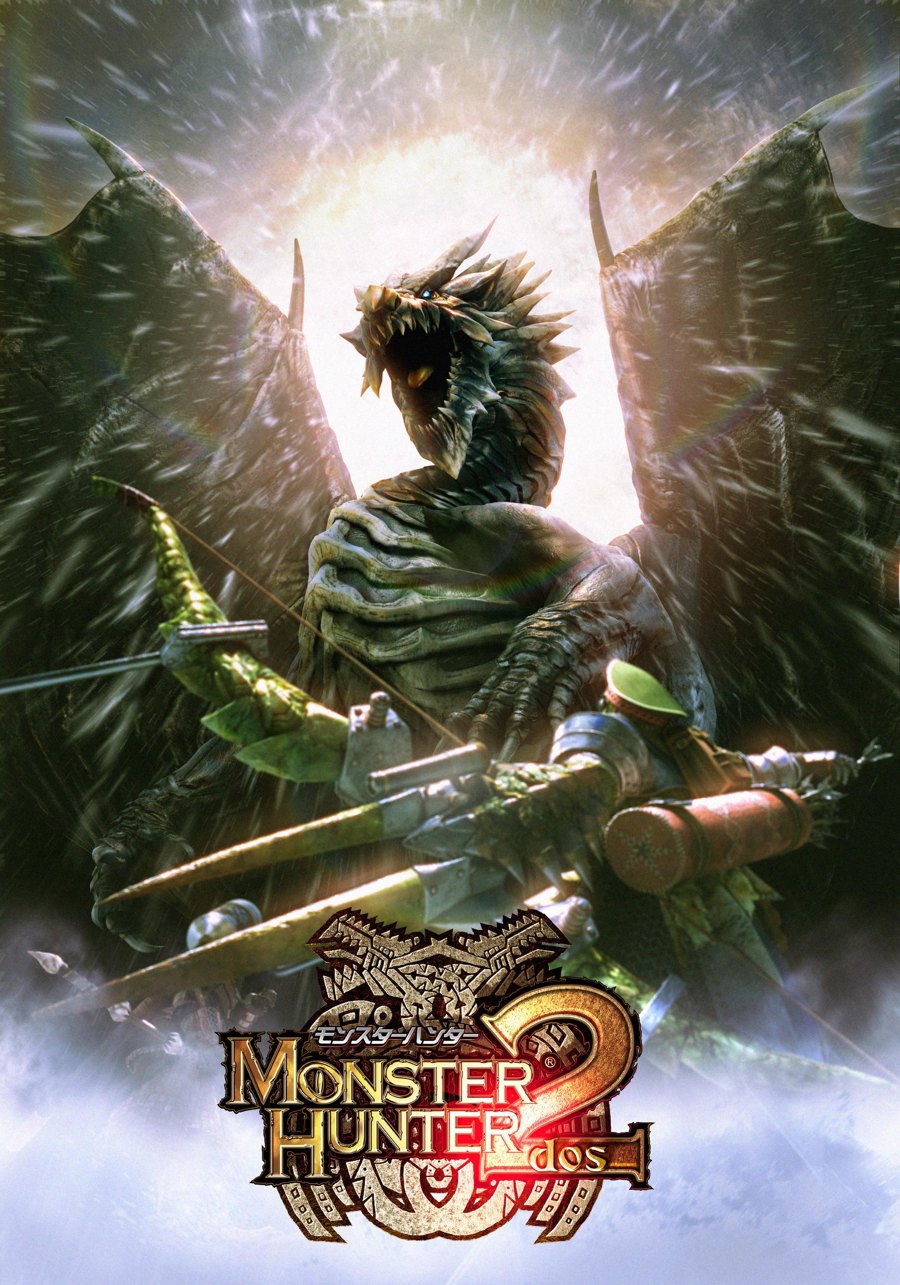
Monster Hunter 2 Dos box art
ACT ONEMonster Hunter 2 (Dos, 2006), from the quiet PS2 years — the original, G and Dos, where the loop and its flagship Rathalos were already complete.

THE ROAD

2004 to today
Act one · The PS2 experiment, 2004–2006
The original, its expansion G, and the Japan-only Dos sold quietly. None of the three ever made Capcom’s million-seller list, but the formula, and its flagship Rathalos, were already complete.
Act two · The PSP phenomenon, 2005–2010
On the PSP the series became a Japanese social event: Freedom Unite was the best-selling game of 2008 in Japan, and Portable 3rd the fastest-selling PSP title the country had seen. The West received delayed, renamed ports and mostly missed it.
Act three · The Nintendo decade, 2009–2017
Tri on Wii, then the 3DS years: 3 Ultimate, 4, Generations. The audience grew steadily in the West while Japan stayed handheld-loyal, and the games refined verticality, mounting, and customisation.
Act four · World, 2018
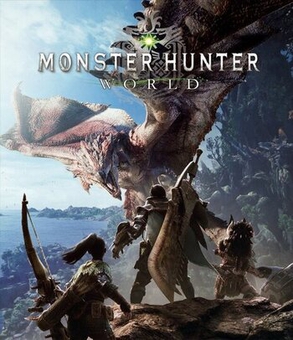
The first simultaneous worldwide launch, on home consoles and PC, turned the series global. World became Capcom’s best-selling single title of all time, around 30 million copies including its Master Edition.
Act five · Rise and Wilds, 2021–2025
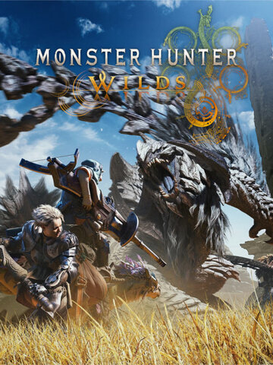
Rise carried the series past 20 million on its own; Wilds opened as the fastest-selling game in Capcom’s history, ten million copies in its first month, and brought cross-play and a seamless, weather-driven wilderness.
The constant
Every generation changed the stage. None changed the contract: the monster is an animal with habits, the hunt is a study, and the reward is made out of the thing you defeated.

THE ERAS ON THE SHELF

Four covers, four ages
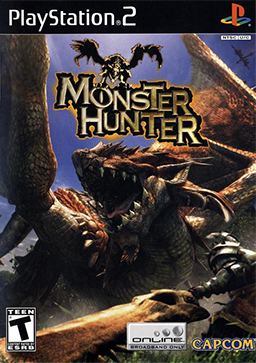
Monster Hunter, North American PS2 cover, 2004
2004 · The original
Rathalos over the hunter: where the flagship tradition starts.
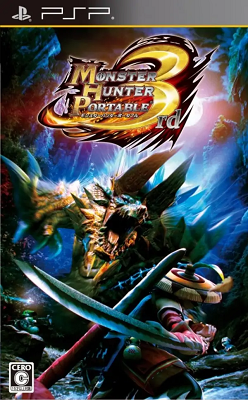
Monster Hunter Portable 3rd, Japanese PSP cover, 2010
2010 · The phenomenon
Zinogre in the storm on the Japanese Portable 3rd box.
Monster Hunter: World key art, 2018
2018 · The breakthrough
Rathalos owns World’s global art, diving on three hunters.
Monster Hunter Wilds key art, 2025
2025 · The sixth generation
Arkveld’s chains sweep the Wilds cover end to end.

More from the Library

MORE FROM THE MONSTER HUNTER ARCHIVE →
One shelf of the Library. Browse them all →

The First Word

New pieces reach subscribers first, before they are listed anywhere. One short letter, only when there is something worth your time.