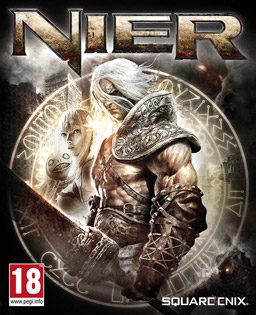
Why are there two different versions of NieR?
NieR began with one hero: a young man protecting his little sister Yonah. That was director Yoko Taro's design, and it is the version Japan's PlayStation 3 received in April 2010 as NieR Replicant. But during development, feedback split cleanly by audience. The younger brother protagonist played well with Japanese audiences; for players outside Japan, the read was that an older, battle worn hero would land better. So developer Cavia built a second version of the same game around a middle aged father protecting his daughter, also named Yonah.
Japan received both, split by console: Replicant, the brother, on PlayStation 3; NieR Gestalt, the father, on Xbox 360, with an English dub aimed at the overseas market. The West received only Gestalt, on both platforms, as the plain titled NieR. For a decade, most of the world knew exactly one version of this story, and it was the one its director had not started with. The games even keep different calendars: Gestalt's prologue is set in 2049 and Replicant's in 2053, each main story following some thirteen to fourteen centuries later.
The market delivered its own verdict in week one. In Japan, Replicant sold roughly 60,000 copies in its first week; Gestalt managed about 12,500. The brother the game was designed around outsold the father nearly five to one on home ground. The West would not meet him properly until the 2021 version upgrade, ver.1.22474487139, put Replicant in front of the world for the first time.
THE TWO HEROES
Same game, same Yonah, different guardianGestalt father vs Replicant brother
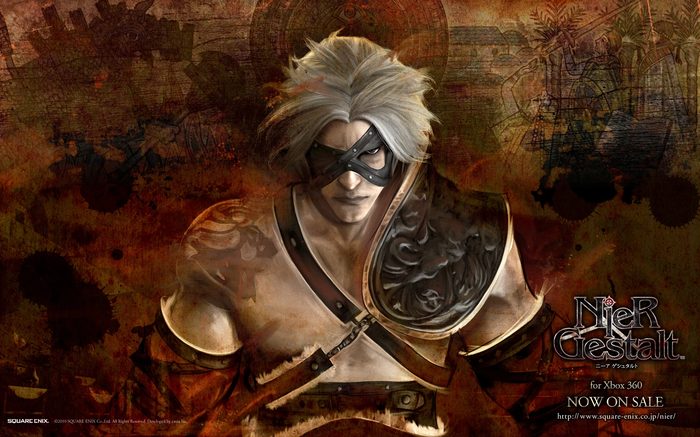
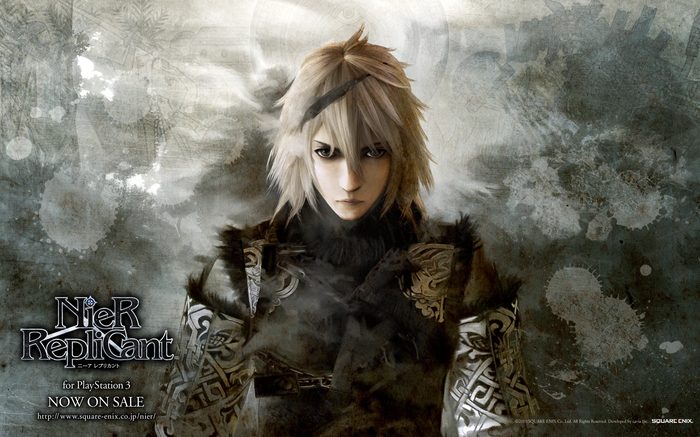
Nearly everything else is shared: the same villages, the same companions, the same tragedy, reframed by one relationship. A father's desperation and a brother's are different engines driving the same story.
THE WESTERN BOX
One version, no subtitle