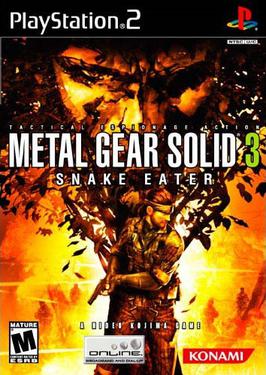
Why does Snake Eater sound like a James Bond theme?
Metal Gear Solid 3 is set in 1964, and its composer of record for the cinema side was Hollywood's Harry Gregson-Williams, returning from Metal Gear Solid 2. But the vocal theme came from Konami's own Norihiko Hibino, and his account to Polygon in 2024 is unusually complete. The game's intended main theme already existed: Rika Muranaka's Don't Be Afraid. Hibino's judgement, shared with Kojima, was that it was too quiet and too smooth to open the game. Kojima was thinking, in Hibino's words, about a more James Bond-ish style, and there was no budget left for new songs. So Hibino wrote one himself, music and lyrics, from an unfinished script and early concept art, and demoed it with his own scratch vocal. Kojima loved it.
The recording went for the full Shirley Bassey register: orchestra, a brass arrangement that conductor Mark Holden kept pushing further toward Bond, and singer Cynthia Harrell, whom game music listeners already knew as the voice of Symphony of the Night's closing song, cutting her vocal in two takes. Reviewers of the December 2004 soundtrack album, two discs, catalogue KOLA-89/90, heard the intent instantly and called the result a James Bond parody that knows exactly what it is and uses it.
Then the song escaped its credits sequence. Late in the game, Snake climbs an endless ladder in near silence, and the soundtrack answers with Harrell's voice alone, a cappella, the whole Bond arrangement stripped away until only the lyric remains: I give my life, not for honour, but for you. It is the most retold musical moment in the series, and Konami knew what it had: twenty years on, Harrell was brought back to sing Snake Eater again for the remake, Metal Gear Solid Delta.
THE BRIEF THAT REPLACED A THEME
Too quiet, no budget, write it yourselfTHE 1964 SCORE
Gregson-Williams and Hibino