
Why did Monster Hunter: World break through in the West?
Because Capcom finally shipped it everywhere at once, on the machines the West actually owned, with the friction sanded off and the monsters left wild.
Monster Hunter: World launched on January 26, 2018 for PlayStation 4 and Xbox One, the first entry released simultaneously worldwide, with a PC version following that August. Five million copies moved in the first three days, a Capcom record. Directed by Yuya Tokuda, World rebuilt the series as a living continent: seamless maps with no loading zones, Scoutflies that read a monster’s trail, and turf wars, scripted clashes when two giants cross paths.
The West had always been the series’ almost-market: praised, imported, never quite adopted. World removed every historical excuse at once: no region delays, no handheld barrier, modern controls and tutorials, and a launch window shared with Japan, so the global conversation happened in a single week. It became Capcom’s best-selling title of all time, passing 30 million copies with its Master Edition, and it still sells over a million copies a year.
WHAT CHANGED
The World formulaTHE COVER
Worldwide art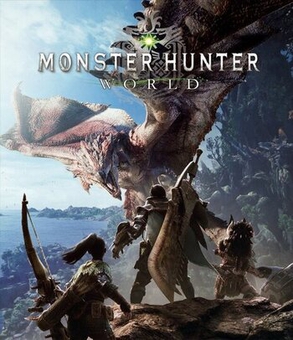
More from the Library
The First Word
New pieces reach subscribers first, before they are listed anywhere. One short letter, only when there is something worth your time.