
The NieR Gallery
Two heroes in 2010. One phenomenon in 2017.
Japan's NieR came in two faces, a young brother and an older father, key art for two versions of the same tragedy. The West got one box and no hint the other existed. Seven years later NieR Automata put three androids on one cover and sold ten million copies under it.
Every cover below is a door. Behind it sit the games' histories, how Cavia and PlatinumGames made them and how their own eras received them, and behind those, the questions their fans still ask. Start anywhere. The doors all open.
NIER
Square Enix · Cavia · PlayStation 3 and Xbox 360 · 2010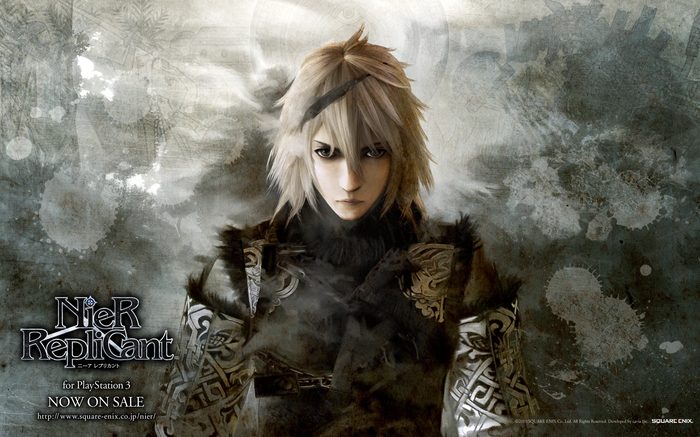
Replicant · Japan · 2010
The brother: Yoko Taro's original hero, the version Japan's PlayStation 3 received.
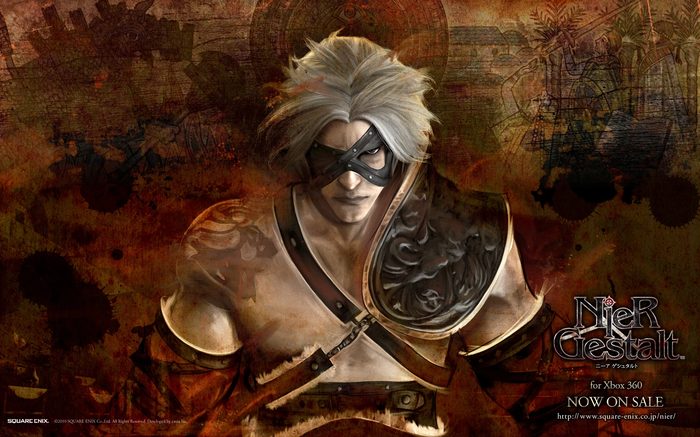
Gestalt · Japan · 2010
The father: the older hero of Japan's Xbox 360 version, and of every Western copy.
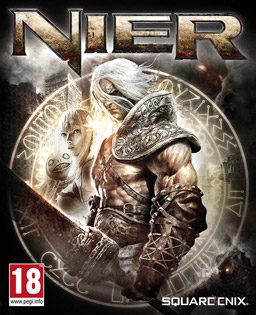
NieR · The West · 2010
The Western box, plain titled NieR: one version, no subtitle, and no sign another cut of the game existed. This file is a small scan and renders softly; a larger clean copy is a standing swap-in.
The History
How NieR was made and received: Cavia, Yoko Taro, the score, the mixed reviews, and the cult that grew anyway.
The Two Versions
Why are there two different versions of NieR? A brother in Japan, a father in the West, split by platform and audience research.
The Drakengard Connection
How is NieR connected to Drakengard? It is the sequel to Drakengard's joke ending, the one with a dragon falling on Tokyo in 2003.
NIER AUTOMATA
Square Enix · PlatinumGames · PlayStation 4 · 2017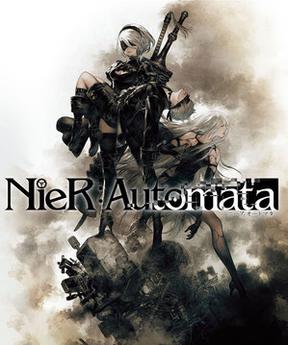
Automata · 2017
Akihiko Yoshida's cover art: 2B carrying 9S through the smoke, A2 behind them. This file is a small scan and renders softly; a larger clean copy is a standing swap-in.
Japan · 2017 · Cover gap
The Japanese PlayStation 4 box is not yet in the Library's verified cover files, so this shelf shows an honest gap instead of a borrowed image. The history behind the door carries the Japanese release, first week and all, in full.