
How did Japanese hunters play together before online Monster Hunter?
In person, mostly, and then through one of the strangest bridges Sony ever built: a PS3 pretending to be the room you were standing in.
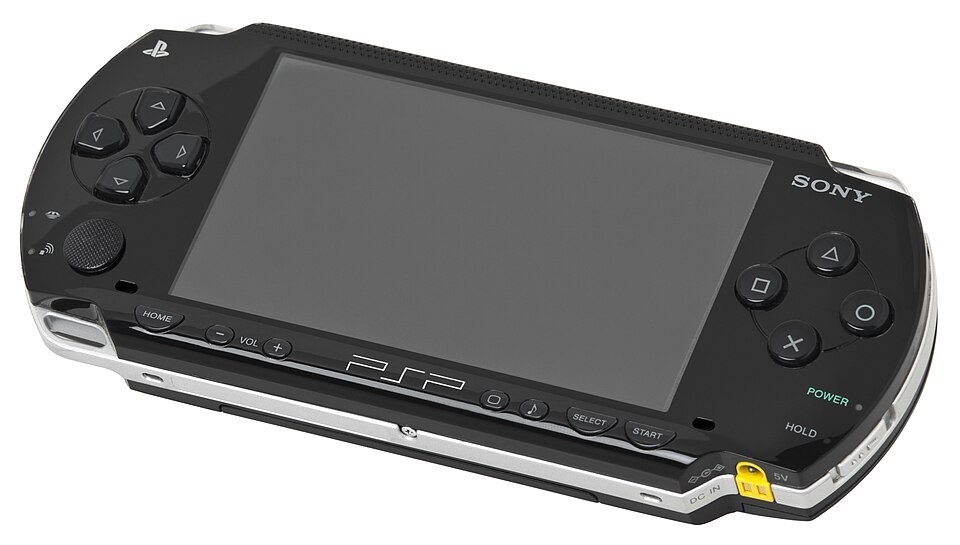
For most of a decade, multiplayer Monster Hunter in Japan meant ad-hoc: the PSP’s local wireless mode, four hunters in physical proximity, no internet involved. The gathering hall was a real hall. Parties formed in fast-food restaurants and on station platforms, and the social ritual around the game became as famous as the game itself.
Sony eventually built a bridge. adhoc Party for PlayStation Portable launched in beta on October 30, 2008: a free PS3 application that tunnelled a PSP’s local wireless through the console’s wired internet connection, so ad-hoc games could be played online. Monster Hunter Portable 2nd G (Freedom Unite) was the first title it supported, and for many Japanese players it was the service’s entire reason to exist. North America received adhoc Party in November 2009.
THE CULTURE AROUND IT
Hunting as a social actMore from the Library
The First Word
New pieces reach subscribers first, before they are listed anywhere. One short letter, only when there is something worth your time.