Is Fatal Frame based on a true story?
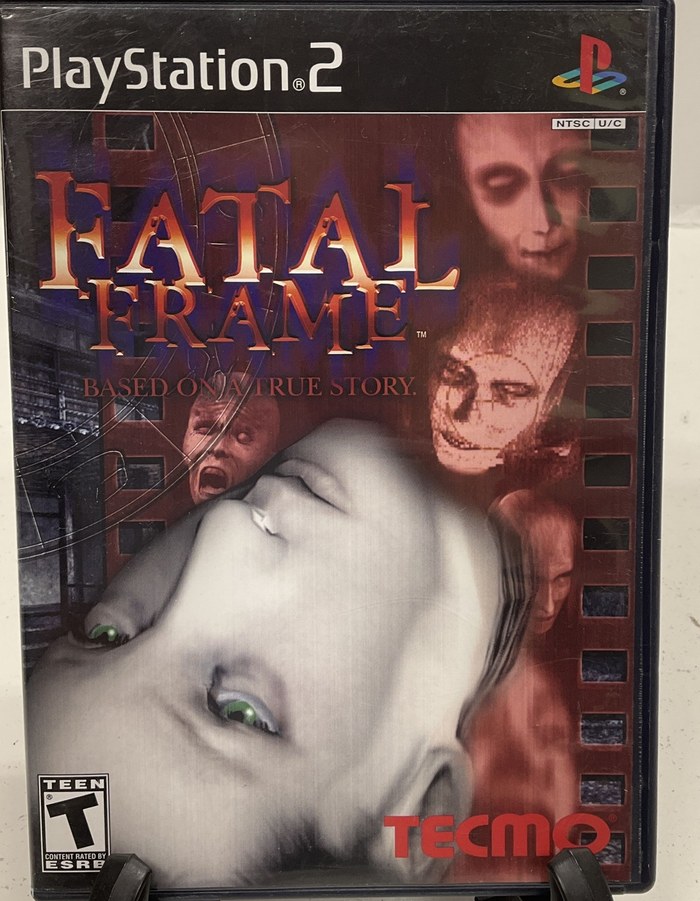
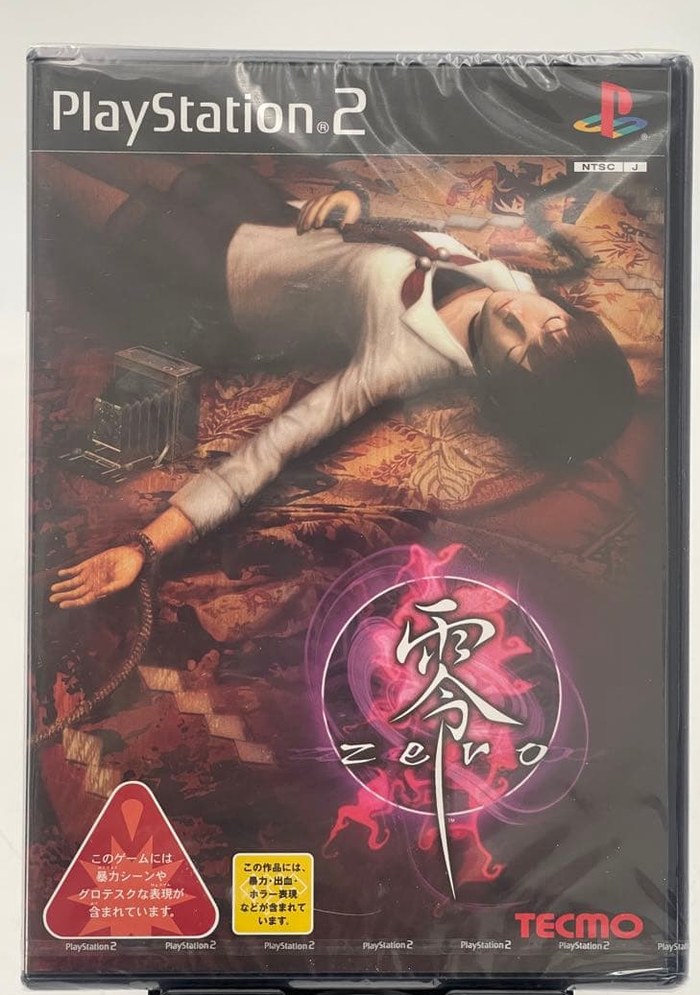
The North American box of Fatal Frame (2002) carries the words Based on a true story under the title. The Japanese box, released three months earlier, carries no such claim, and neither does the European one. When the game's release history is laid out in full, the verdict is printed plainly: the claim was not true in itself. It was a tagline, attached to the game for one market.
What the record does support is narrower. Elements of the story were based on real haunted locations and local Japanese legends. Two examples are cited in the record: a haunted mansion said to be the site of numerous murders, and the legend of a tree from which a woman hanged herself after being forcefully separated from her lover. Legend and location, then, not a documented crime, and not the game's plot.
Director Makoto Shibata has consistently pointed elsewhere for the game's actual origins: his own dreams, and encounters he felt were supernatural, plus the spirituality motifs of Daijiro Morohoshi's manga Yokai Hunter for the ritual material the team had no experience with. In series coverage he is also recorded citing two old Japanese urban legends as the game's main inspiration, with no mention of any real mansion murders.
One famous quote needs its label. A description of a mansion outside Tokyo where seven people were said to have been murdered, with tunnels underneath and rope marks on the victims, circulated widely in the game's promotion and is still quoted as Shibata's own account. It belongs to the game's promotional trail, not to any documented event: no real Himuro Mansion, and no such murders, are anywhere in the record this Library could open.
THE BOX THAT SAYS IT
North America, 2002