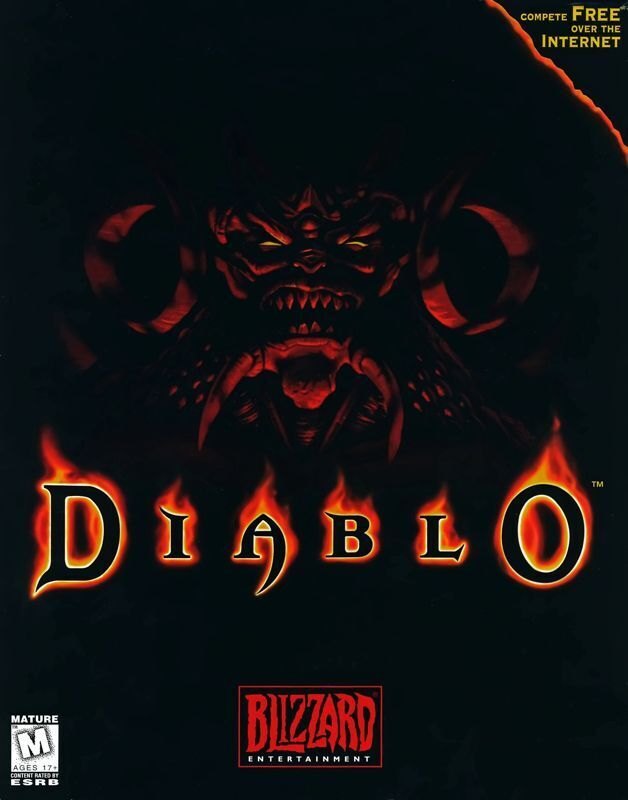
What was Diablo originally designed to be?
Read David Brevik's original design document, written at Condor in the mid-1990s, and you are holding a different game: turn-based, single-player, a DOS title with permanent death, expansion disks sold like booster packs, and graphics built as stop-motion clay figures. The Diablo that defined a genre is what survived a series of friendly coups against that document.
The clay look went first, on cost: Brevik loved how the arcade fighter Primal Rage looked, all stop-motion creatures, but shelved his version once he learned what it would take. Multiplayer and real-time came later, and the timing matters: contrary to the usual legend, Blizzard did not demand real-time at the pitch. The suggestion arrived after development had begun in earnest, from Blizzard South, and Brevik resisted it hard. He loved what he called the "delicious" drama of agonizing between turns.
So the studio voted. Brevik: "I voted no, but everyone else voted yes." Then he sat down on a Saturday afternoon, converted the game himself in a few hours, played it, and said out loud: "Oh my god, that was awesome." In his own summary, "sure enough, that was when the ARPG was kind of born."
THE DOCUMENT VERSUS THE GAME
What the vote changedTHE ARTIFACT
The design's floor plan