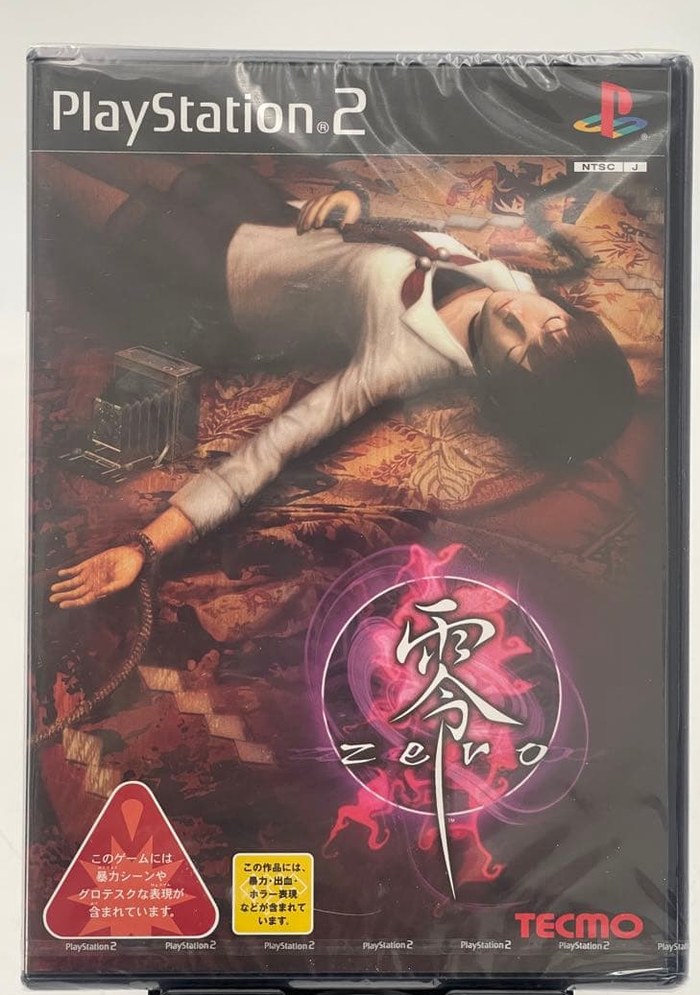
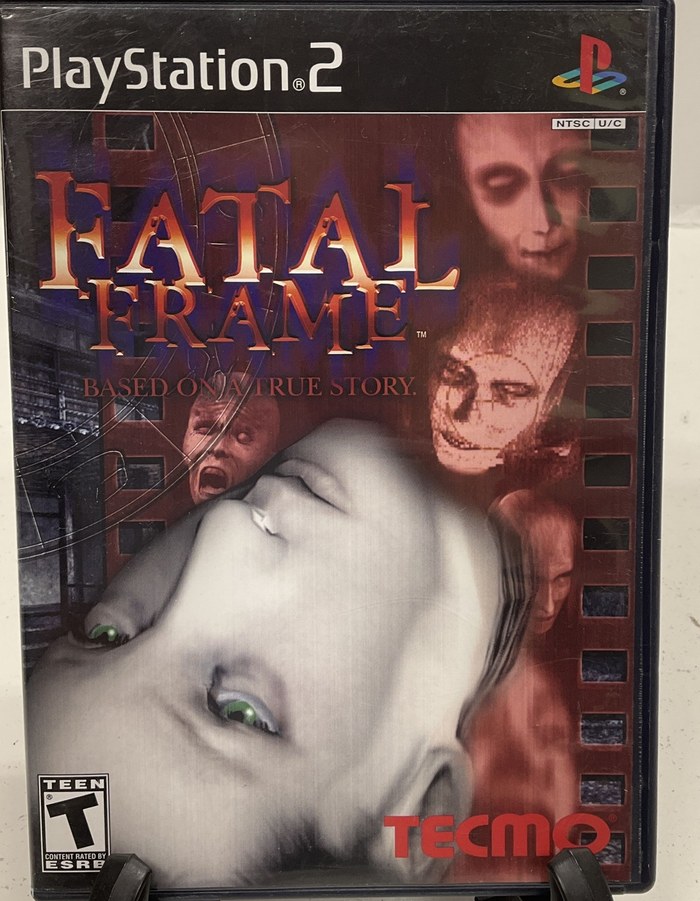
What inspired Fatal Frame?
This page exists because the inspiration here is documented, not guessed. Makoto Shibata has said the concept for Fatal Frame came to him shortly after finishing Tecmo's Deception: Invitation to Darkness, inspired by his own dreams and by encounters he felt were supernatural. The mansions kept coming from the same place: the haunted house setting itself was one of his early ideas, first drafted for the Deception games and held back there. Nearly twenty years later, making the third game, he was still working the same way, building the Manor of Sleep out of his nightmares, one of them a mansion filled with the spirits of dead loved ones.
For the craft of the scares, the team studied Japanese horror films, high budget and low budget alike, and war films. For the rituals at the story's heart, material the team openly had no experience with, Shibata used the spirituality motifs of Yokai Hunter, Daijiro Morohoshi's manga. The look that came out of it was set by character designer Hitoshi Hasegawa as a study in black and white: black for fear, white for hope, lit by a single torch, with red reserved for life.
Two honest footnotes, labelled. The team also took a technical cue from a competitor: the well received polygon characters of the Silent Hill series were their starting point for showing things just off screen. That is a production influence, documented as such, not a claim that Silent Hill inspired the game's fiction. And the camera: collectors sometimes assume it came from a stated love of spirit photography. In the record this Library could open, no such statement exists. The documented origin of the Camera Obscura is a design meeting, not a photograph: the weapon the game needed, modelled on a German military camera. The sequel widened the shelf, with producer Keisuke Kikuchi citing detective novelist Seishi Yokomizo and naming The Shining as a great inspiration.
THE FIRST GAME, TWO WAYS
Fatal Frame, 2001