The History of Chrono Cross
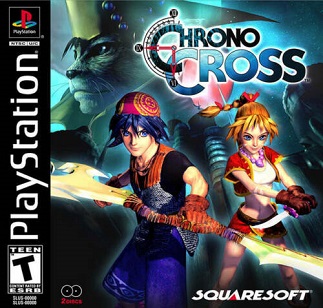
Chrono Cross (PlayStation, 1999) followed the most beloved RPG of the 16-bit era by changing nearly everything about it: time travel became parallel worlds, seven heroes became forty five recruits, and the Dream Team became one returning writer with something to prove. Reviewers gave it a perfect 10 at GameSpot and a 94 on Metacritic, higher than Chrono Trigger's own 92. Players have been arguing about it ever since, and this Library keeps both records.
THE MAKING
From a text adventure to a sequel, 1996 to 1999The seed was Radical Dreamers, a 1996 text adventure released through Nintendo's Satellaview service in Japan, written and directed by Masato Kato, the scenario writer of Chrono Trigger. When Square decided on a full sequel, Kato directed and wrote it, Hiromichi Tanaka produced, Yasuyuki Honne, a map designer on Trigger, directed the art, and Yasunori Mitsuda returned to compose. The famous Dream Team, Sakaguchi, Horii, and Toriyama, did not; Nobuteru Yuki designed the characters instead.
Tanaka addressed the missing names before release, in 1999: the staff were "strongly determined in creating a new Chrono" and did not want "to rely on big names like the Dream Team." He conceded the team knew it was starting "not from zero, but from a start from minus," and framed the game as returning the favor to the team that made Trigger. Most of the production staff, GameSpot noted at the time, had in fact worked on Chrono Trigger, in less famous chairs.
THE DESIGN
Two worlds, forty five heroes, no random battlesSerge, a boy from a fishing village in the El Nido archipelago, slips into a world where he died ten years earlier, and the game runs on the seam between Home World and Another World: the same islands, the same people, different lives. Where Trigger hopped centuries, Cross holds two presents side by side and asks what a single changed event does to everyone it touches.
The cast is the boldest and most criticized choice: 45 playable characters, recruited across both worlds, in place of Trigger's tight ensemble. Battles use the Elements system, a field effect and color coded grid of assigned techniques and magic, stamina based turns, and visible enemies rather than random encounters. Mitsuda's score, built on folk instruments and the two worlds' mirrored town themes, is the element even the game's detractors tend to exempt from criticism.
THE EDITIONS
Japan and America, then the long waitTHE RECEPTION
Near unanimous, at the timeTHE LEGACY
One game, two reputationsChrono Cross has lived two lives: the critics' game, scored at the ceiling of its generation, and the fan argument, in which it stands accused of being a superb RPG and a disappointing sequel in the same sentence. The 2022 Radical Dreamers Edition was its first worldwide re-release in twenty two years, and it revived the argument intact rather than settling it. Square has never made a third Chrono game. The minus start Tanaka described produced the most debated sequel on the console, and the debate is now part of the artifact.
THE GAME ON THE SHELF
Chrono Cross · PlayStation