The History of Persona 4
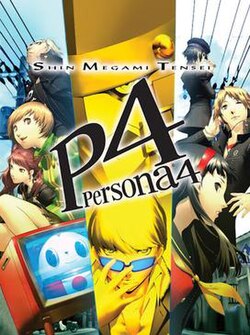
Persona 4 (PlayStation 2, 2008) arrived two years into the PlayStation 3's life, on a console the industry was leaving, and outshone nearly everything on the newer machines. It kept Persona 3's calendar and Social Links and wrapped them around a small town murder mystery: a fog, a television you can climb inside, and a group of friends who have to face the parts of themselves they had thrown away.
THE MAKING
The Persona 3 team, plus its own fansDevelopment began after Persona 3 shipped, and director Katsura Hashino has described the brief plainly: improve both the gameplay and the story, and do not let the game read as a retread. The team was the Persona 3 staff joined by new hires who were themselves fans of Persona 3. Hashino's own account of the central decision is on the record: to give players a definite goal and a sense of purpose that would keep motivating them, the murder mystery plot was the way. He has said the plot was greatly inspired by mystery novelists.
The setting was a deliberate inversion of Persona 3's city: Inaba, a rural town modeled on a town on the outskirts of Mount Fuji, intended as a nowhere place so that players would settle into the daily life of its people. Shigenori Soejima designed the cast, and Shoji Meguro wrote a brighter score, built around Shihoko Hirata's vocals.
THE DESIGN
The Midnight Channel and the fog deadlineThe year still runs on a calendar of school days, jobs, and Social Links, but the dungeon half changed its clock. Victims are thrown into the TV World, a fog filled realm inside the television, and each must be rescued before the fog lifts in the real town after days of rain: miss the deadline and the game ends. The moon phases of Persona 3 became a weather forecast, and the mystery gives the calendar its tension.
Inside the TV World, each dungeon is built around one victim's rejected self, which must be fought as a giant Shadow and then accepted before it becomes a Persona. In battle, the change players had asked for arrived: party members can be given direct commands, not only tactics. Shuffle Time deals out new Personas after fights, and the Velvet Room fusion system returns, strengthened by every friendship outside.
THE EDITIONS
The late PS2 classic, then GoldenTHE RECEPTION
The PS2's last great RPG, said the reviewsTHE LEGACY
The cast that would not retirePersona 4 is routinely placed among the greatest games ever made, and its afterlife is the reason the Persona series crossed over in the West for good: an anime adaptation, manga, fighting games, a rhythm game, and a Vita expansion that became a system seller. Atlus built Persona 5 on the audience this game gathered.
A full remake, Persona 4 Revival, has been announced, which is the industry's current way of saying a game has become permanent. On this shelf it stands as the era's closing argument: the PlayStation 2's RPG bench was still producing classics two years after its successor launched.
THE GAME ON THE SHELF
Persona 4 · PS2