The History of Sonic Adventure 2
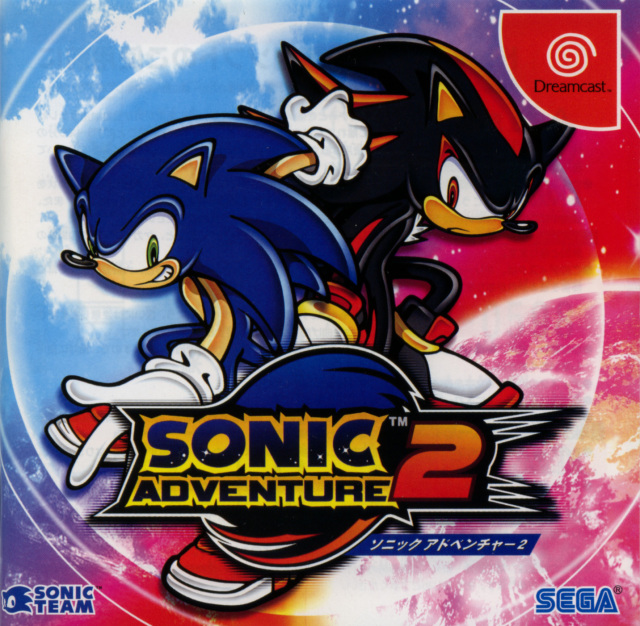
Sonic Adventure 2 was built by Sonic Team USA in San Francisco over eighteen months and released worldwide in June 2001, for Sonic's tenth anniversary and into the Dreamcast's final months after Sega announced its exit from hardware. It split its story in two, Hero and Dark, and introduced Shadow the Hedgehog and Rouge the Bat. The Dreamcast and GameCube versions together sold over two million copies.
THE MAKING
A smaller team, a faster briefAfter Adventure, part of Sonic Team moved to San Francisco and became Sonic Team USA, working under director Takashi Iizuka with Yuji Naka producing, on a significantly smaller team than the first game's. The brief was pace: where Adventure had lingered in hub fields and story, Adventure 2 was designed to be faster and more action oriented, its levels modelled on the studio's own surroundings, San Francisco's hills for the City Escape opener and Yosemite National Park in the greener stages.
The new rival began as an unimplemented Adventure idea, a black hedgehog to match Sonic's coolness. Iizuka shaped him deliberately for American audiences as an antihero, a popular archetype in the United States, and has cited the Image Comics character Spawn as an influence. Writer Shiro Maekawa found the character while writing the scene where Sonic confronts the double who has been impersonating him; the intended one off became, instead, the series' second most durable character. The soundtrack widened with the cast: Jun Senoue and three other composers spanning pop punk, glam metal, rap and orchestra, one genre per character.
THE DESIGN
Hero and DarkSix playable characters share three play styles in mirrored campaigns: speed stages for Sonic and Shadow, shooting stages for Tails and a playable Dr. Eggman in his walker, and treasure hunting for Knuckles and Rouge. The Chao garden returned with the game's theme built in, Chao who can now be raised Hero or Dark. Playing both campaigns unlocks the Last story, where the two sides combine against the Biolizard aboard the Space Colony ARK.
THE EDITIONS
Dreamcast, then a Nintendo firstTHE RECEPTION
Variety praised, camera not forgivenReviews praised the variety, the visuals and the audio, and returned to the first game's unresolved complaints: the camera, the voice acting and a plot some found overwrought. Enthusiasm cooled slightly for the Battle port a year later, but the game has kept an outsized afterlife for a title sold on a discontinued console, carried by Shadow's popularity, its soundtrack, and City Escape's status as the series' most quoted level.