
What is different about the Shindou version of Super Mario 64?
On July 18, 1997, a year after launch, Japan got Super Mario 64 a second time: the Shindou Pak Taiou version, named for the Rumble Pak it was built to support. It is not the Japanese original with a peripheral added. It is the American version of the game, translated back into Japanese, carrying bug fixes, the English voice acting, and one quiet mechanical change that decided its fate with speedrunners.
THE COVER IT REPLACED
The 1996 Japanese box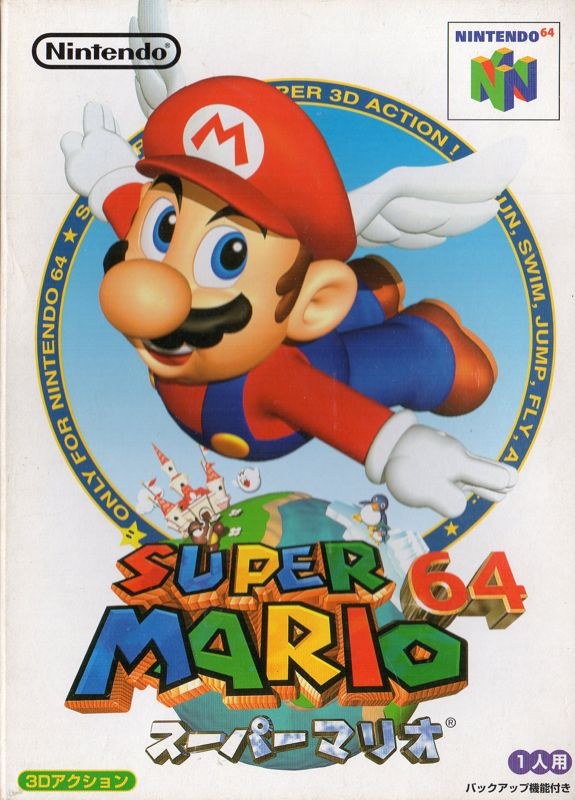
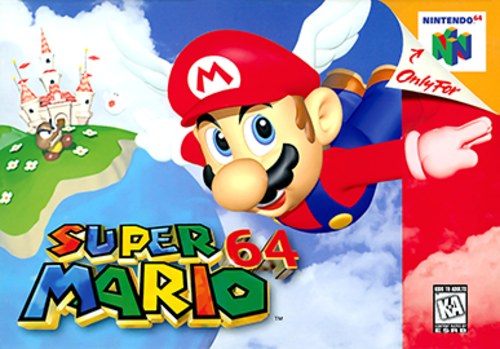
WHAT CHANGED
Four differences that matterWHY IT EXISTS
A peripheral needed a flagshipThe Rumble Pak was a new accessory in 1997, and accessories sell when the biggest game on the system uses them. Nintendo's answer was to rebuild its best-selling title around the device and sell it again to the same audience, a manoeuvre the industry now treats as routine. Counting the original Japanese, American, and European builds, the Shindou edition makes four distinct Nintendo 64 versions of Super Mario 64, before the iQue, Virtual Console, and DS versions are counted at all.
For collectors the distinction is the point. Two Japanese boxes look near identical on a shelf, but they hold different code, different voices, and a different relationship to the game's competitive afterlife. The Shindou version is the polished one. The 1996 original is the fast one. The Library documents them as what they are: two editions, not one game with a sticker changed.