
What is the Dragon Engine?
The studio's own technology, built for one job: making a few city blocks feel more alive than most open worlds.
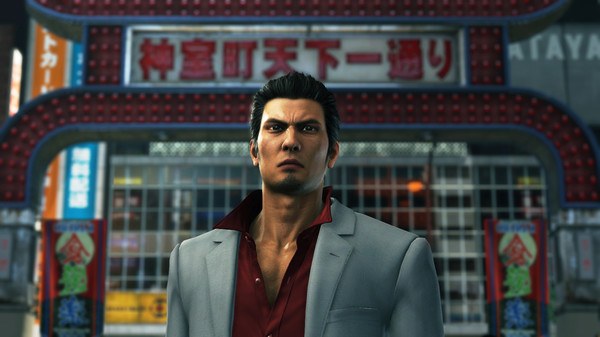
The Dragon Engine is Ryu Ga Gotoku Studio's proprietary engine, debuted with Yakuza 6 in 2016 and used for every Like a Dragon game since. It replaced a patchwork of older technology with a single system designed around the series' needs: seamless interiors, physics-driven brawling, and dense crowds under neon.
WHAT IT DOES
Design consequencesNo loading screens
Enter buildings, start fights, walk from street to hostess club without a cut. The city loads as one continuous space, which is why Kamurocho feels inhabited rather than zoned.
Physics as comedy
Bodies, bicycles, signs and furniture all simulate; the engine's street fights spill through convenience stores. Later iterations made signs and electrical decorations animate and improved anti-aliasing, and by Infinite Wealth the crowds are instanced to fill Honolulu's wider streets.
Measured realism
The art team's research feeds it directly: Kabukicho streetlamps at their real brightness, Hawaiian sunlight rendered through subsurface scattering on skin. The engine is where the studio's location-scouting doctrine becomes light.
The trade-off
The debut cost space: Yakuza 6's Kamurocho was smaller than its predecessors', with districts like the Champion District cordoned off, a contraction later games reversed.
THE EXCEPTION
One game on UnrealLike a Dragon: Ishin! · 2023
The Ishin remake is the line's odd engine out, built on Unreal Engine 4. Everything before and since, period pieces included, runs on the Dragon Engine, which makes Ishin! a useful control sample for what the house technology actually contributes.